
Ideas for building
better health AI.
Research summaries, product thinking and developments at the intersection of health and artificial intelligence.
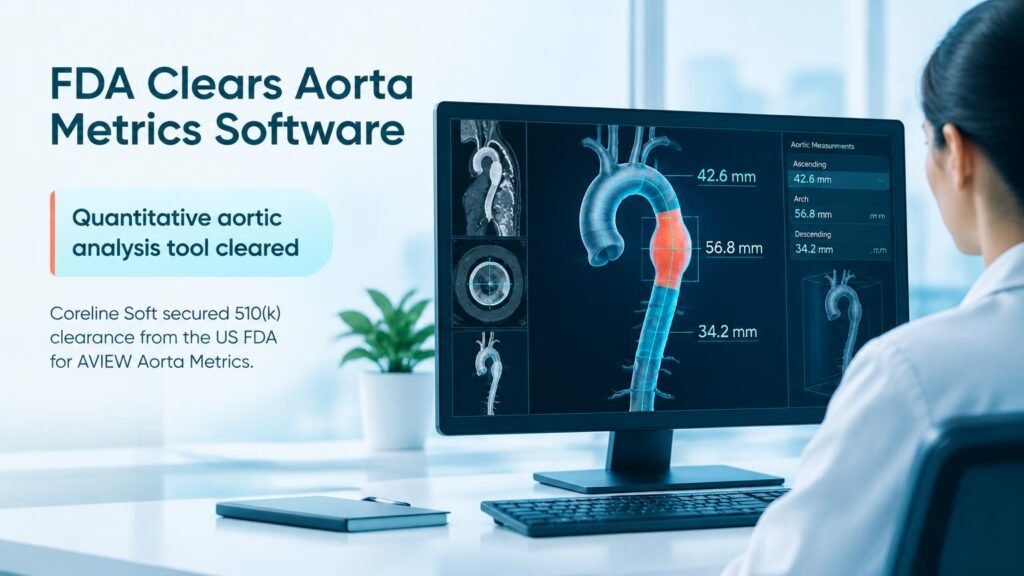
FDA Clears AI Tool for Aortic Measurement
Radiologists reading chest scans must now measure the aorta faster without losing diagnostic precision.

Medical AI Exploits Hardware Signatures To Fake Accuracy
Deep learning models trained on photoacoustic imaging can achieve high diagnostic accuracy simply by...
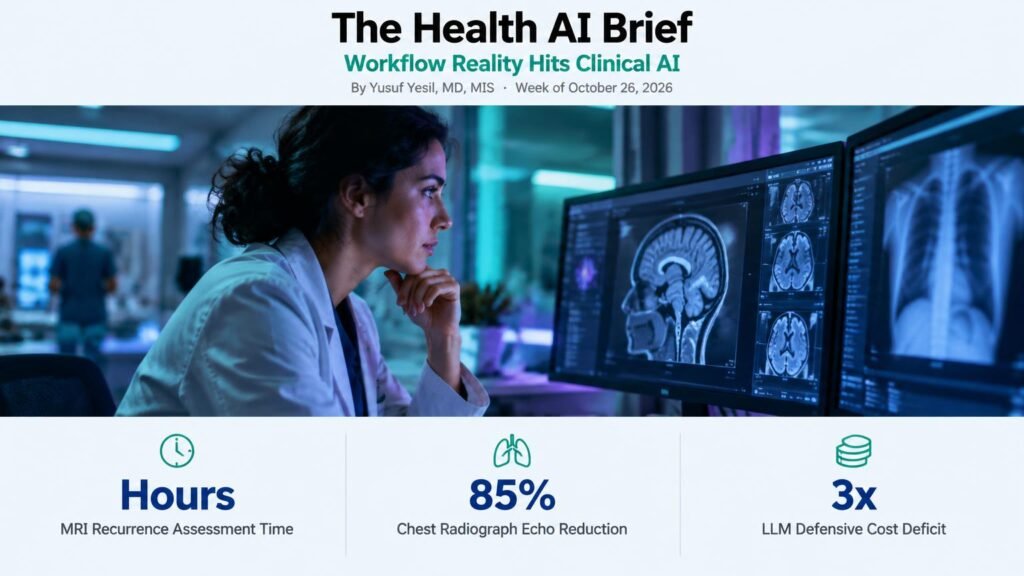
The Health AI Brief — Week of October 26, 2026
AI Predicts Breast Cancer Treatment Response
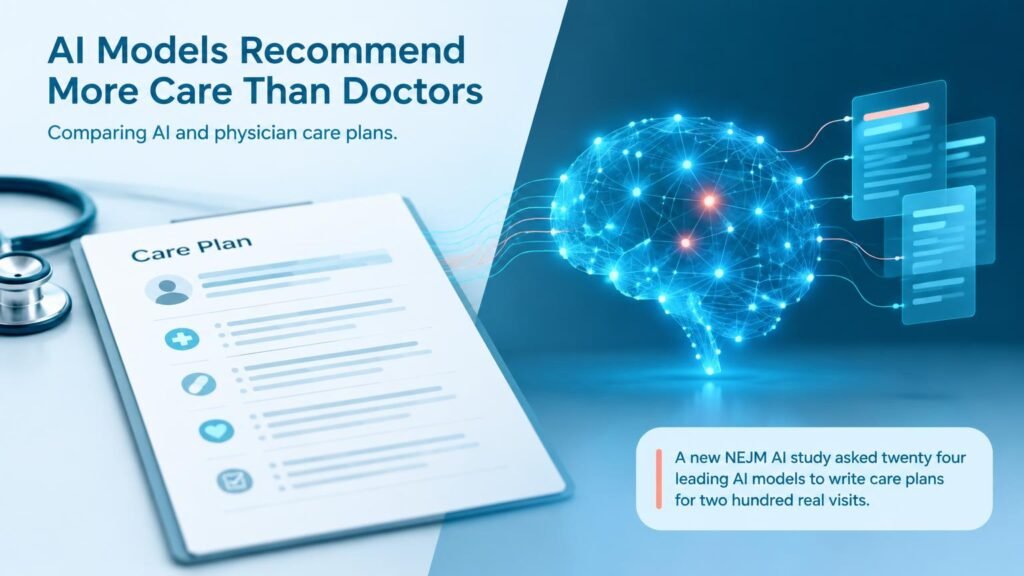
AI Models Recommend Triple the Medical Costs
Large language models default to expensive defensive medicine, threatening to balloon healthcare spending without...
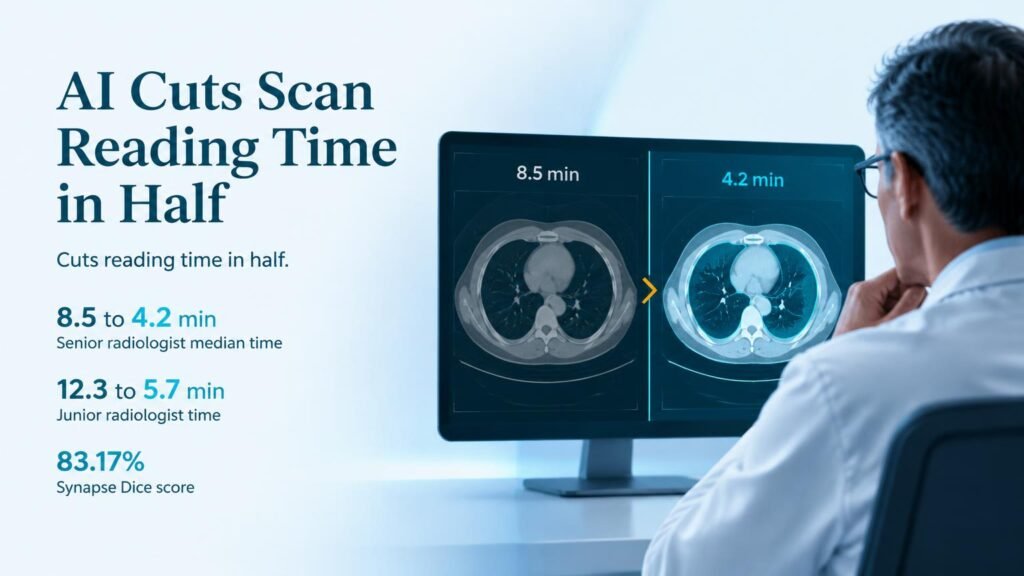
AI Model Cuts Radiologist Scan Reading Times in Half
A new segmentation network cuts scan review times by more than half for both...
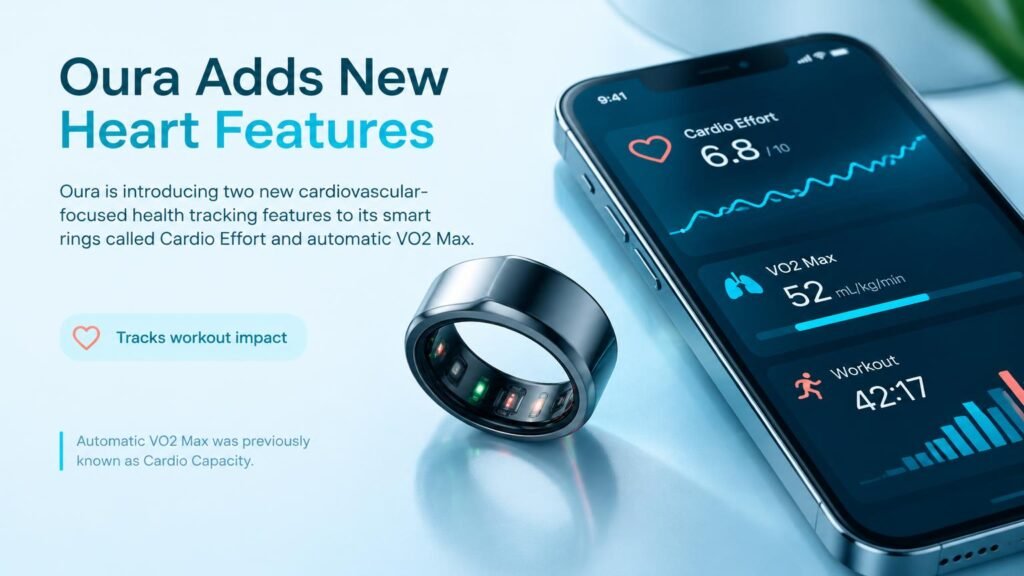
Oura Ring Adds Automatic VO2 Max Tracking
Smart rings are expanding beyond sleep monitoring to compete directly with sports watches on...
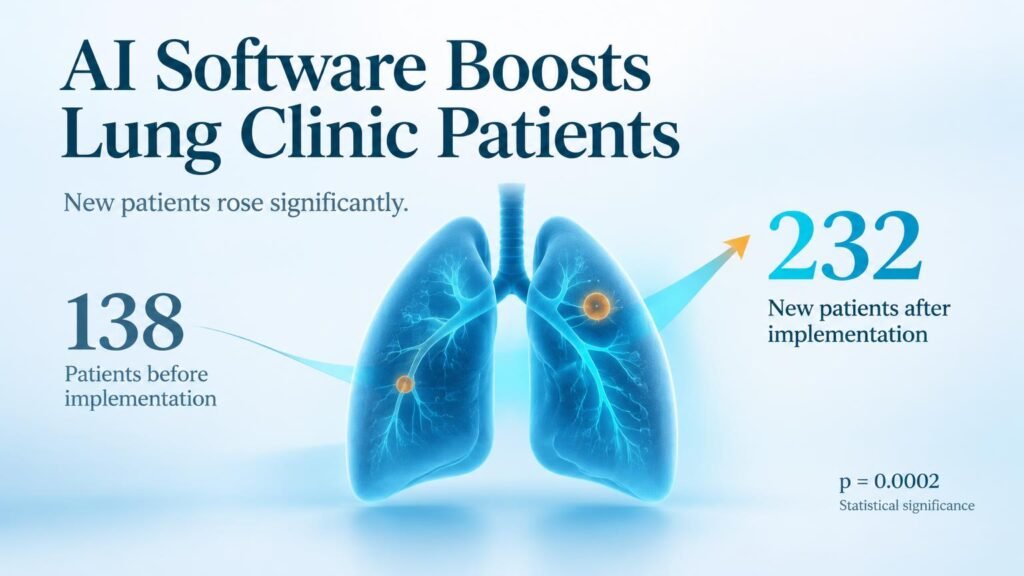
AI Software Boosts Lung Clinic Patient Numbers
Deploying AI to triage lung nodules expands clinic capacity and procedure volume, but it...

Fixing Data Silos Cuts Hospital Infection Risks
Clinicians cannot act on patient safety data if it remains trapped in administrative silos.
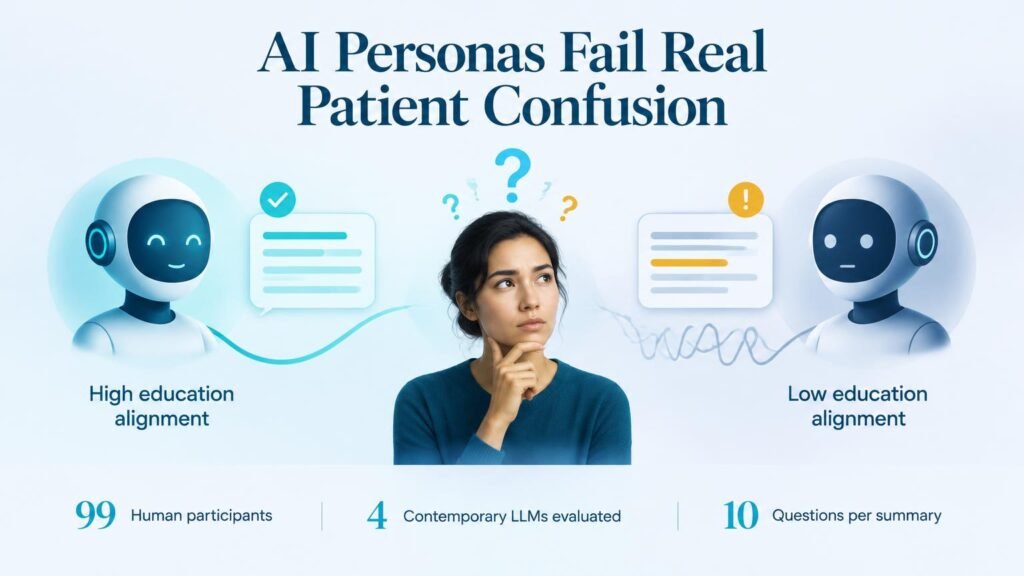
AI Personas Fail to Predict Real Patient Confusion
Using AI models to simulate patient feedback on discharge notes risks masking genuine patient...
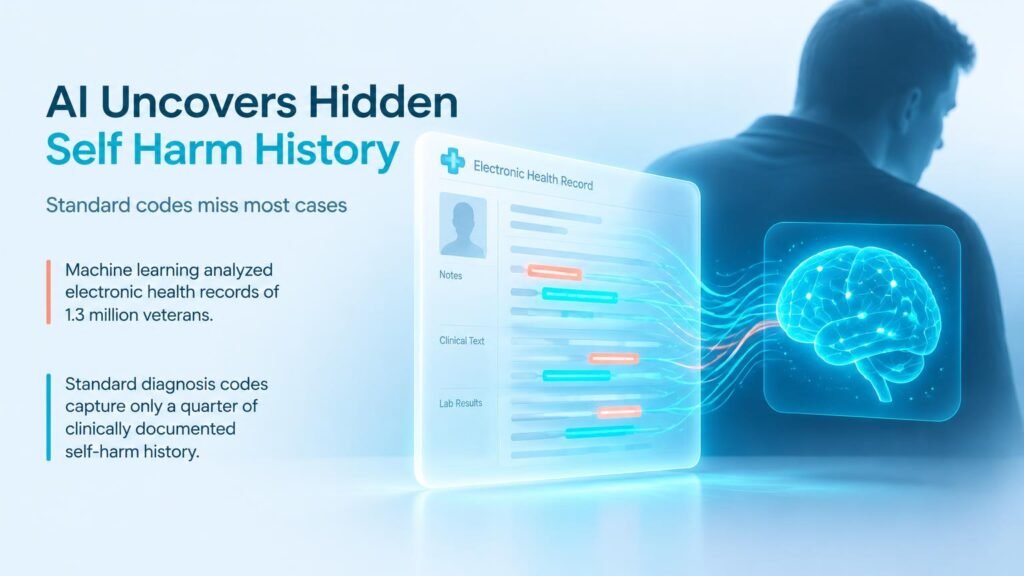
AI Uncovers Hidden Veteran Self-Harm Data
Standard medical billing codes miss three-quarters of documented self-harm histories among military veterans.
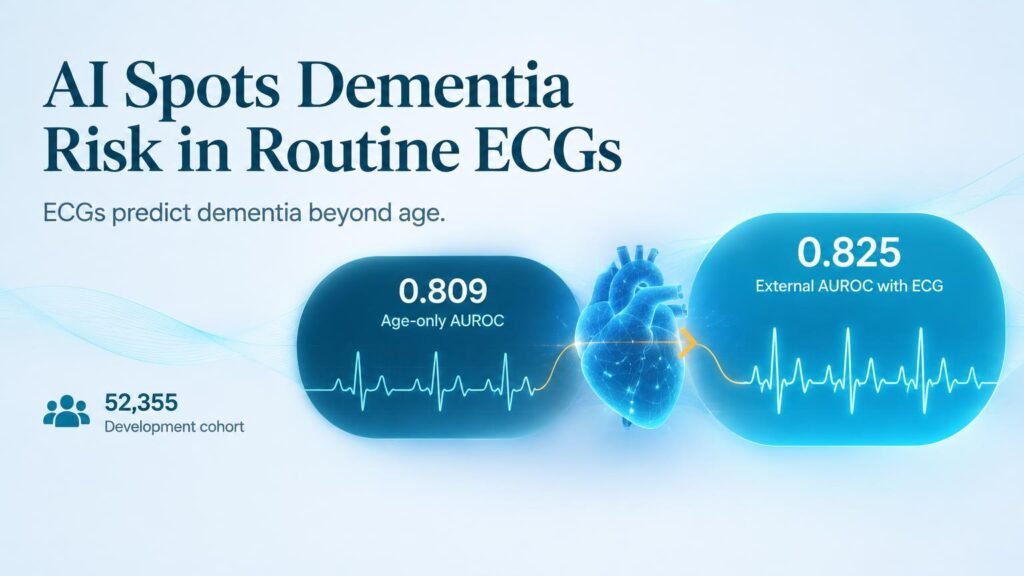
AI Finds Early Dementia Signals in Routine ECGs
A foundation model reading routine heart traces can flag dementia risk up to a...
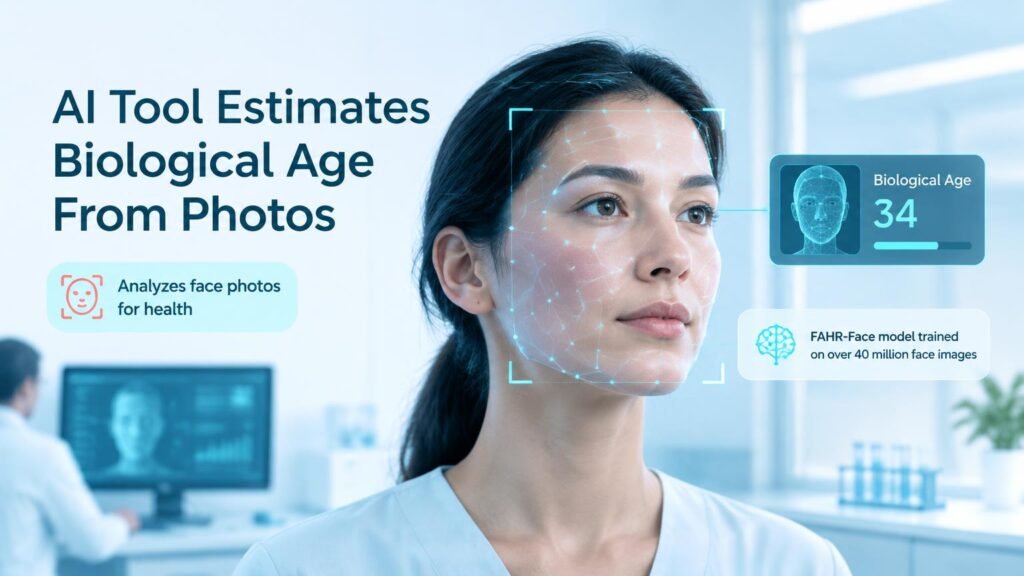
Facial AI Predicts Biological Age and Cancer Survival
A routine photo of a patient’s face could soon help oncologists decide if aggressive...