
Ideas for building
better health AI.
Research summaries, product thinking and developments at the intersection of health and artificial intelligence.
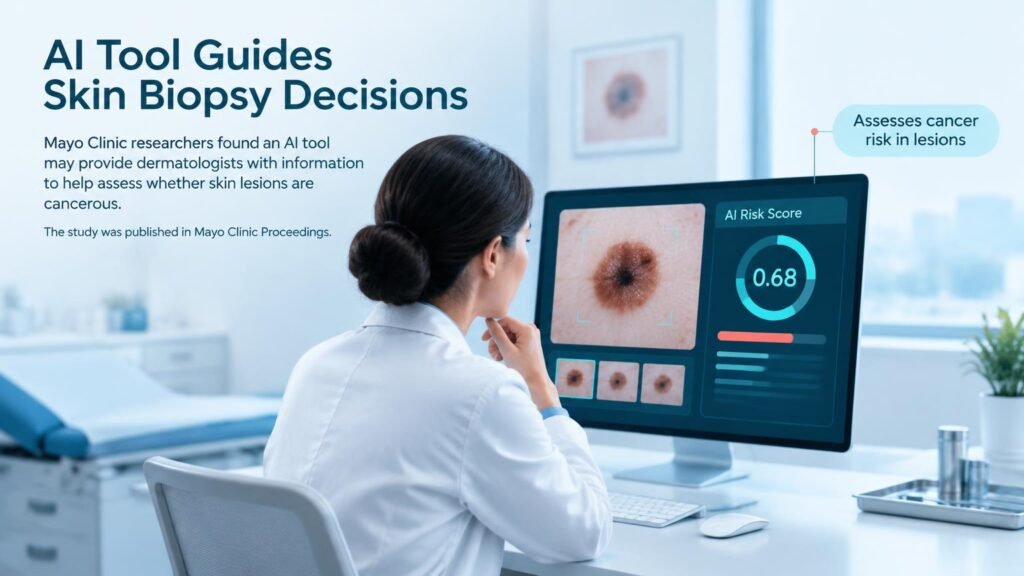
AI Risk Scores Refine Skin Biopsy Decisions
Dermatologists may soon rely on machine vision to reduce unnecessary skin biopsies without missing...
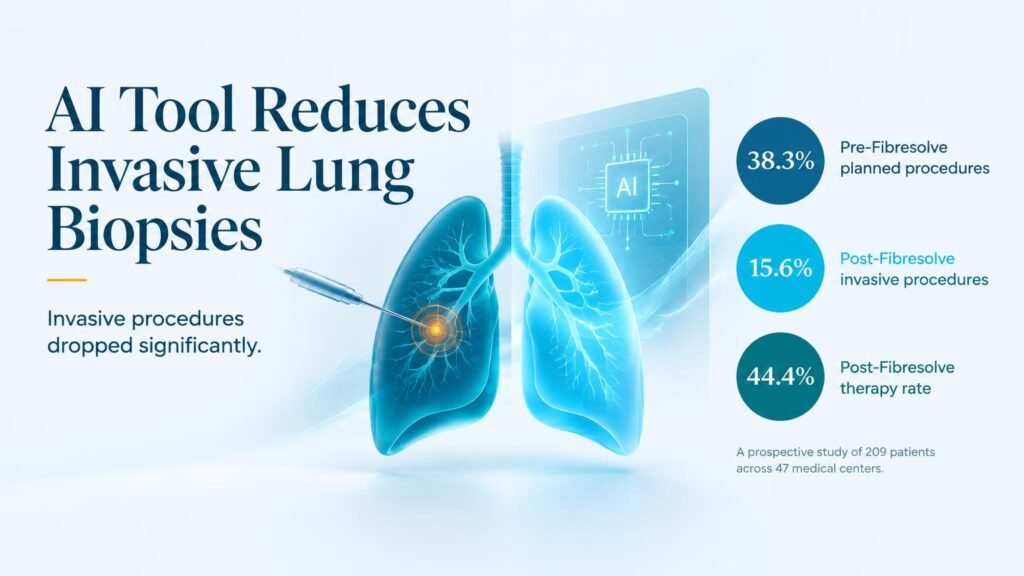
FDA-Cleared AI Tool Reduces Invasive Lung Biopsies
An FDA-authorized AI tool for lung disease is directly altering how doctors treat patients...
Microsoft Diagnostic AI Beats Generalists On Hard Cases
Multi-agent orchestration pushes complex diagnostic accuracy higher, but foundational models still do the heavy...
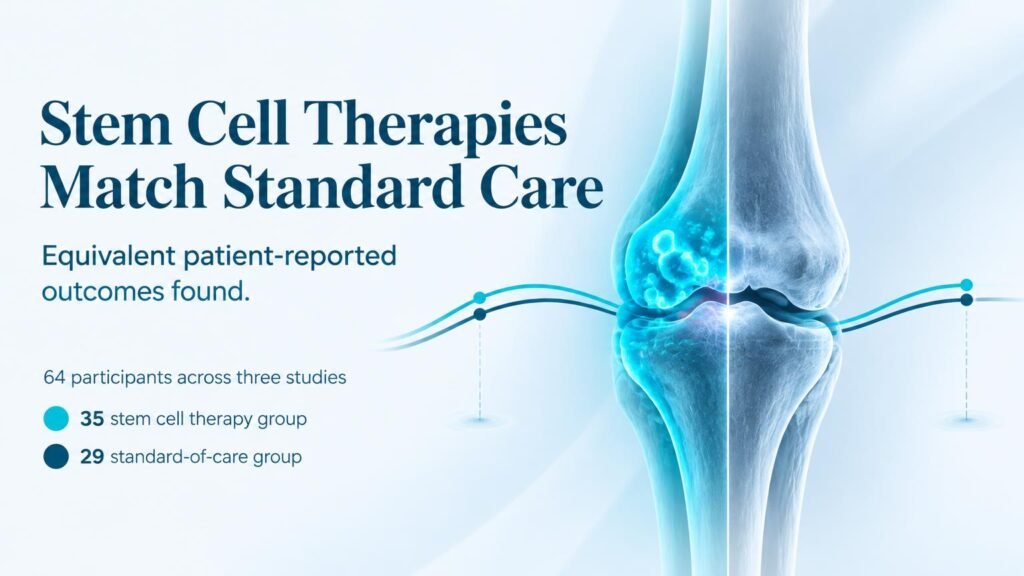
Stem Cell Bone Therapies Match Standard Care
Advanced stem cell therapies for jaw bone defects offer no relief advantage over standard...

FDA Clears Third Non-Invasive Coronary AI Tool
Adding plaque structure to blood flow physics gives cardiologists a clearer look at heart...
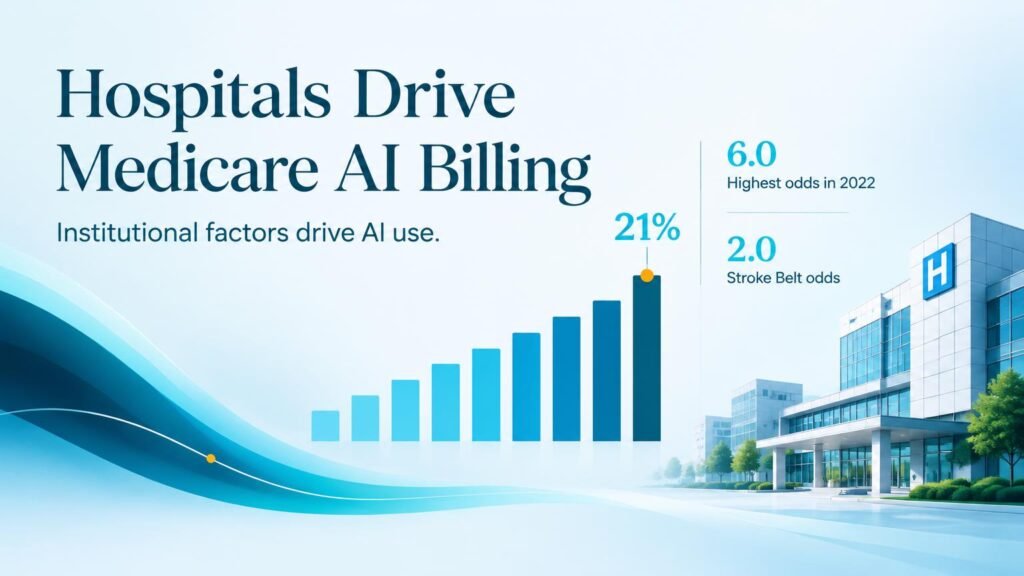
Hospitals Drive Medicare AI Billing for Stroke Care
Hospital size and location dictate whether Medicare reimburses AI stroke tools, not patient illness...

AI primary care cuts hospitalizations in China study
Automated triage and follow-up tools improve chronic disease management for older adults, but only...

Home Brain Computer Interface Restores Stroke Recovery
Post-stroke physical recovery does not have to end when patients leave the clinic.
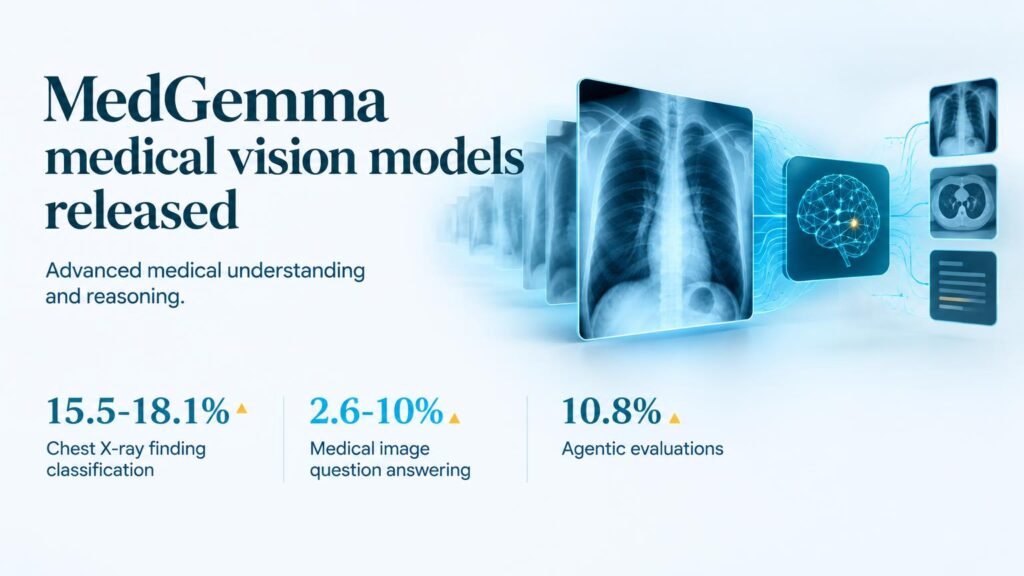
Google releases open medical vision model MedGemma
Open-weight medical AI models are proving that domain-specific fine-tuning can outperform massive general systems...

Abu Dhabi Regulates Autonomous Clinical AI Deployment
Abu Dhabi has released a regulatory framework establishing formal authorization pathways for AI systems...
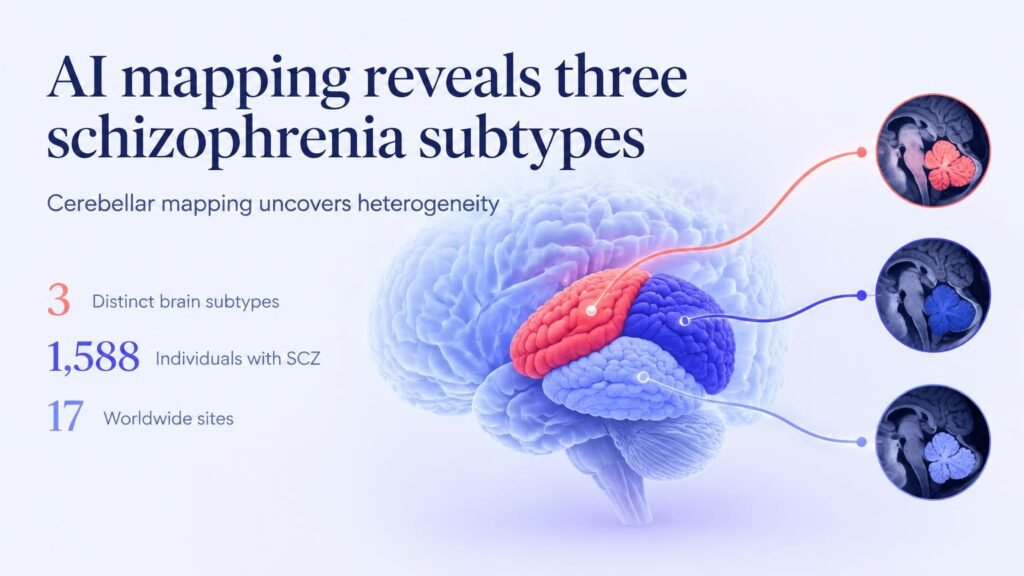
AI mapping reveals three distinct schizophrenia brain subtypes
Machine learning on cerebellar MRI scans reveals that schizophrenia is not a single structural...

VA Integrates Epic Systems for Direct Scheduling
Veterans can now book external specialty care appointments in real time through direct electronic...