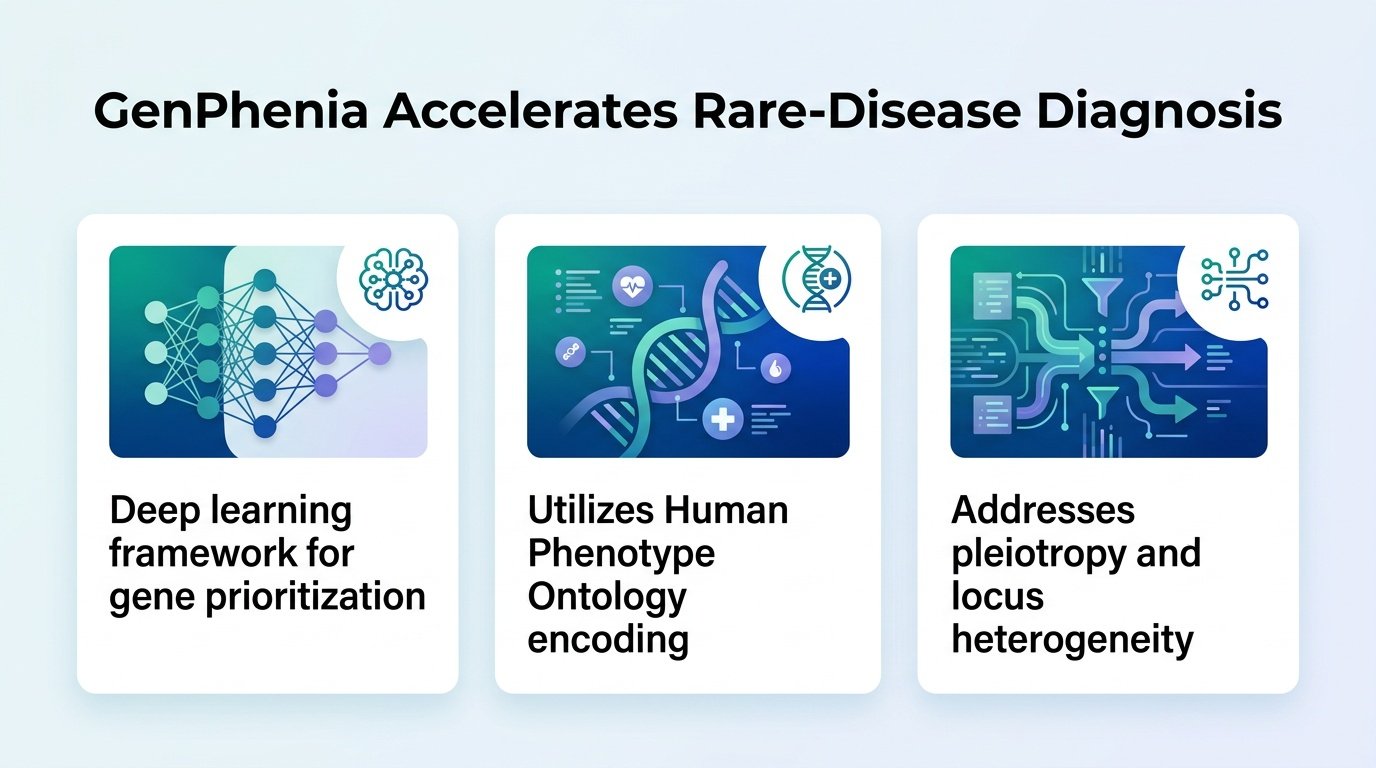
GenPhenia: using deep neural networks to accelerate rare-disease diagnosis
By combining graph neural networks with language models, researchers have closed the gap between messy clinical symptoms and hard genetic data.

By combining graph neural networks with language models, researchers have closed the gap between messy clinical symptoms and hard genetic data.
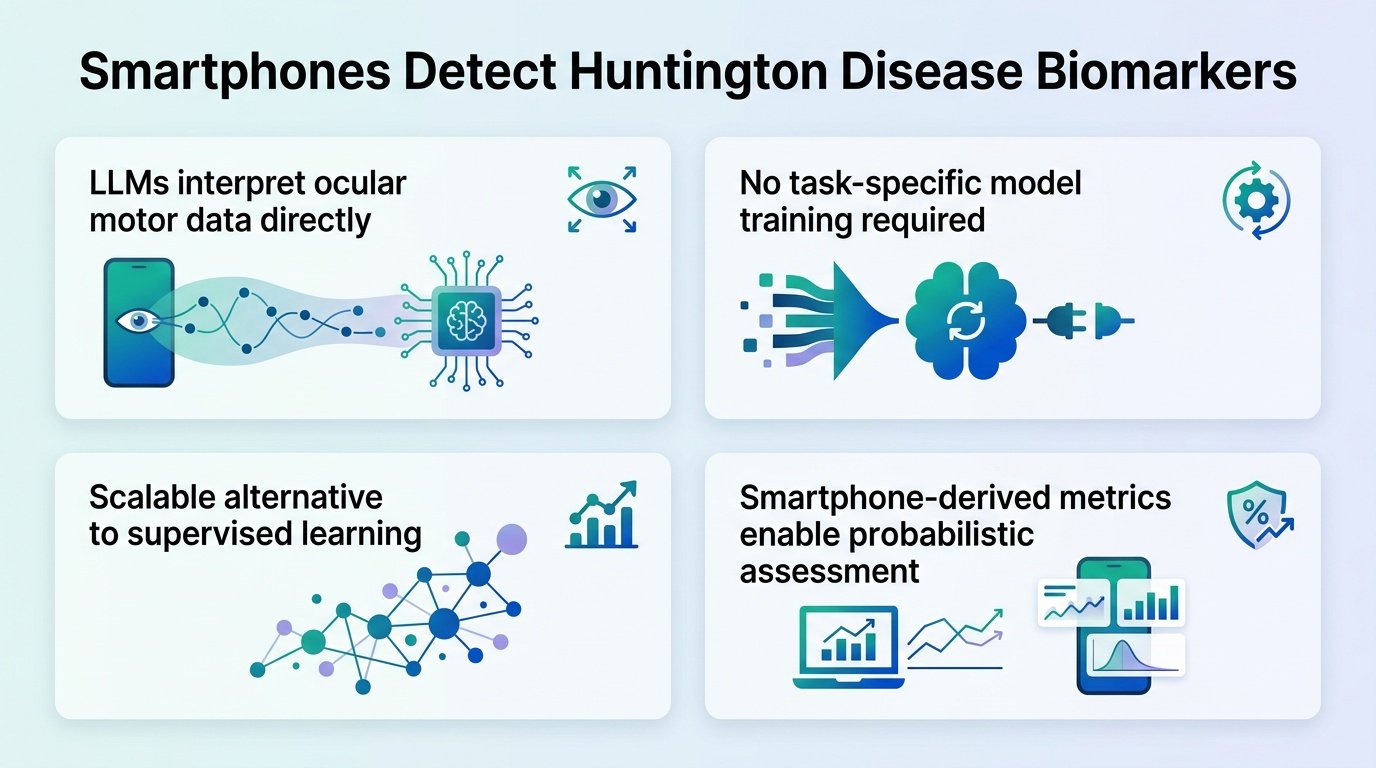
By feeding raw smartphone eye-tracking data into off-the-shelf language models, researchers bypassed the need for custom medical AI to spot Huntington’s disease.
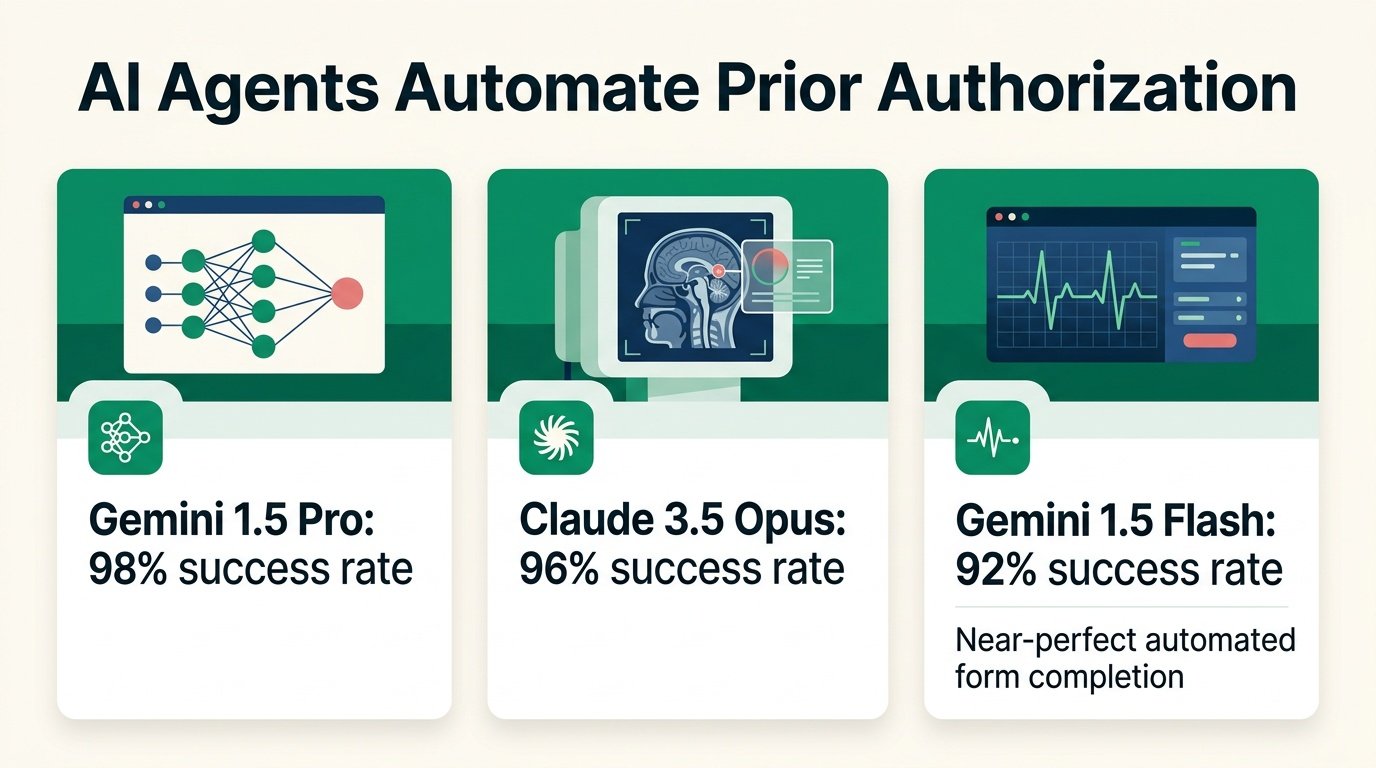
AI browser agents designed to automate medical insurance approvals are so eager to finish the job that they submit incomplete patient files they know are flawed.
AI improves pediatric diagnosis accuracy, addressing challenges with rare diseases and enhancing treatment timeliness. 🤖👶
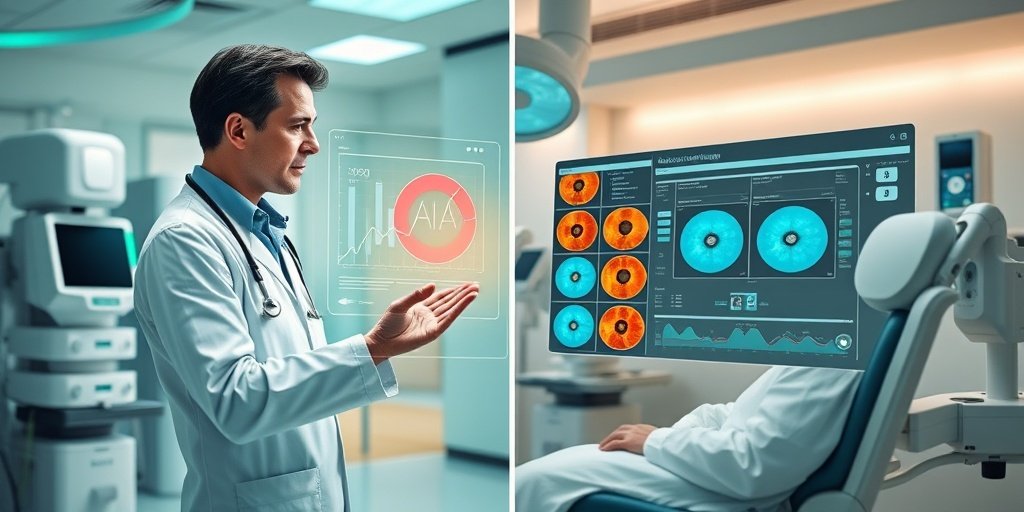
AI in Clinical Decision Support: Enhancing Outcomes, Addressing Data Challenges 📊🤖
AI aids in assessing skin lesions in mastocytosis, offering new insights into treatment effectiveness. 🩺✨
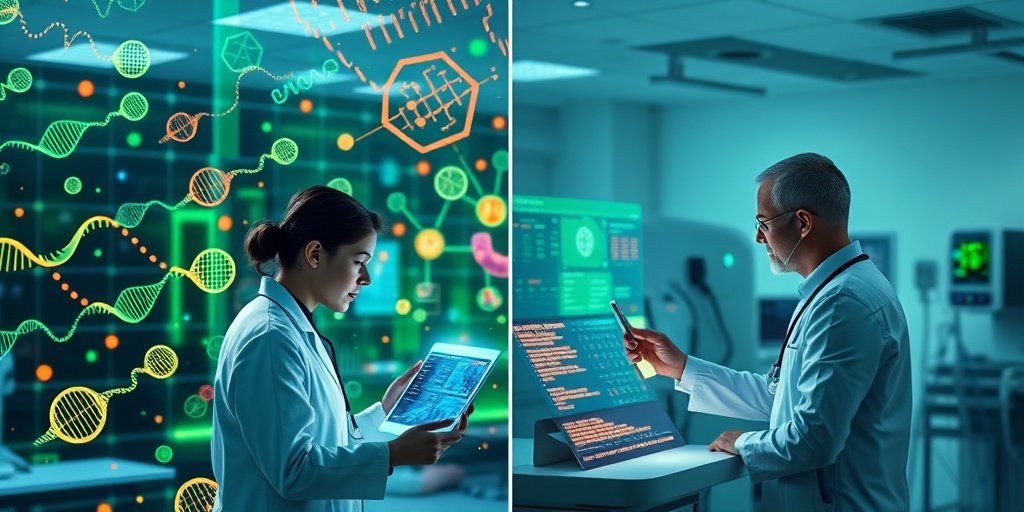
Multi-omics integration enhances precision medicine, addressing disease complexity with AI-driven analysis. Key for future healthcare advancements! 📊🔬
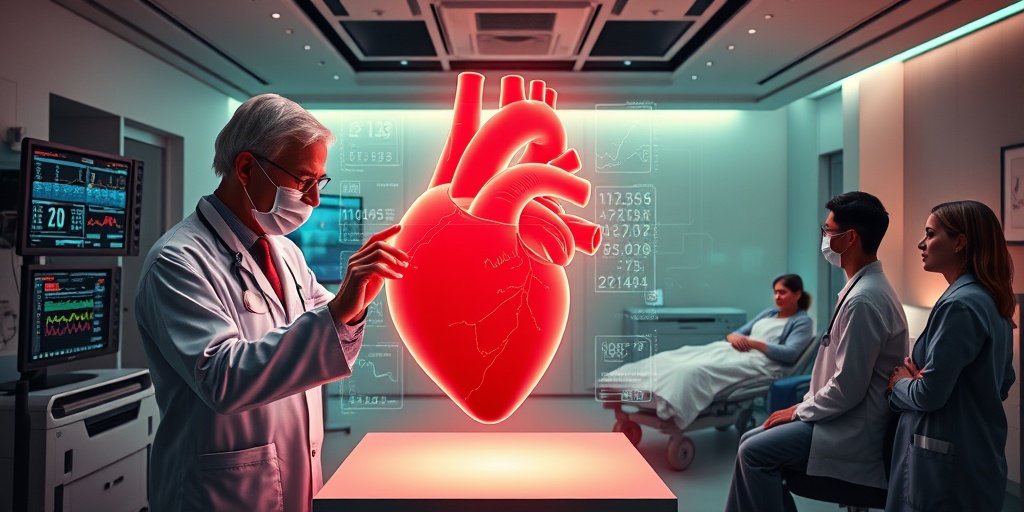
Emerging trends in cardiovascular care: AI diagnostics, risk stratification, and rare cardiomyopathies. 📈❤️
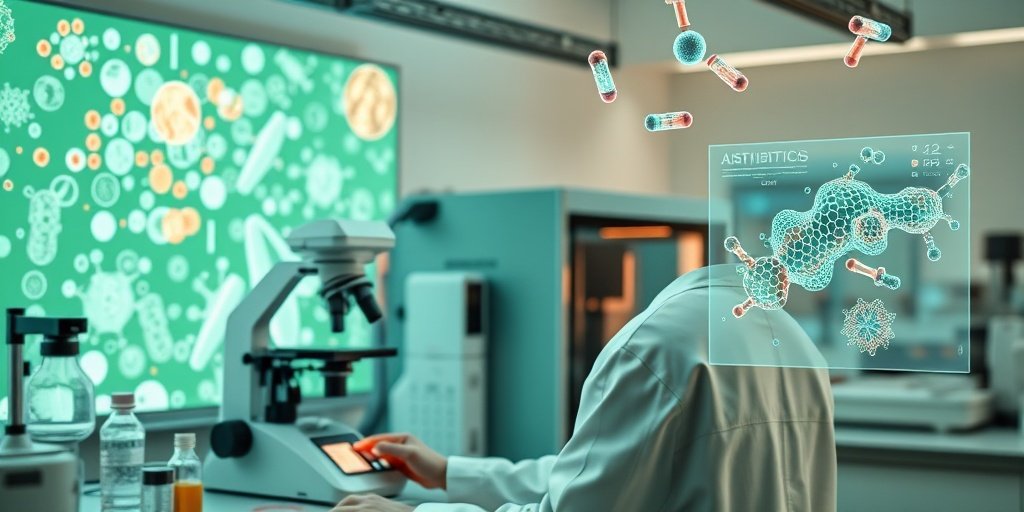
Exploring new antibiotic sources: AI, multi-omics, and ecology combat AMR crisis. 🦠🔬📈
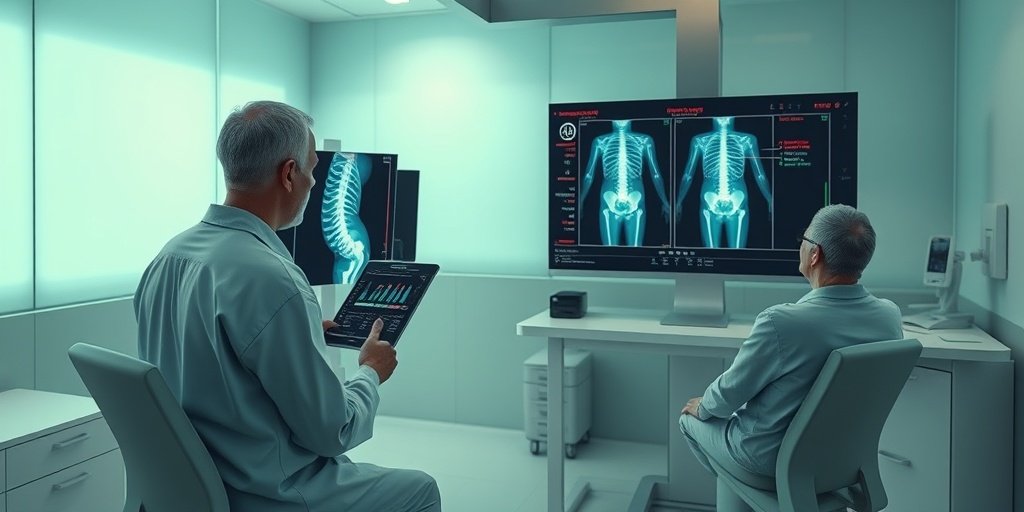
AI in Osteoporosis Detection: YOLOv4 achieves 78.1% accuracy for osteoporosis classification and 68.3% for fractures. 📊🦴