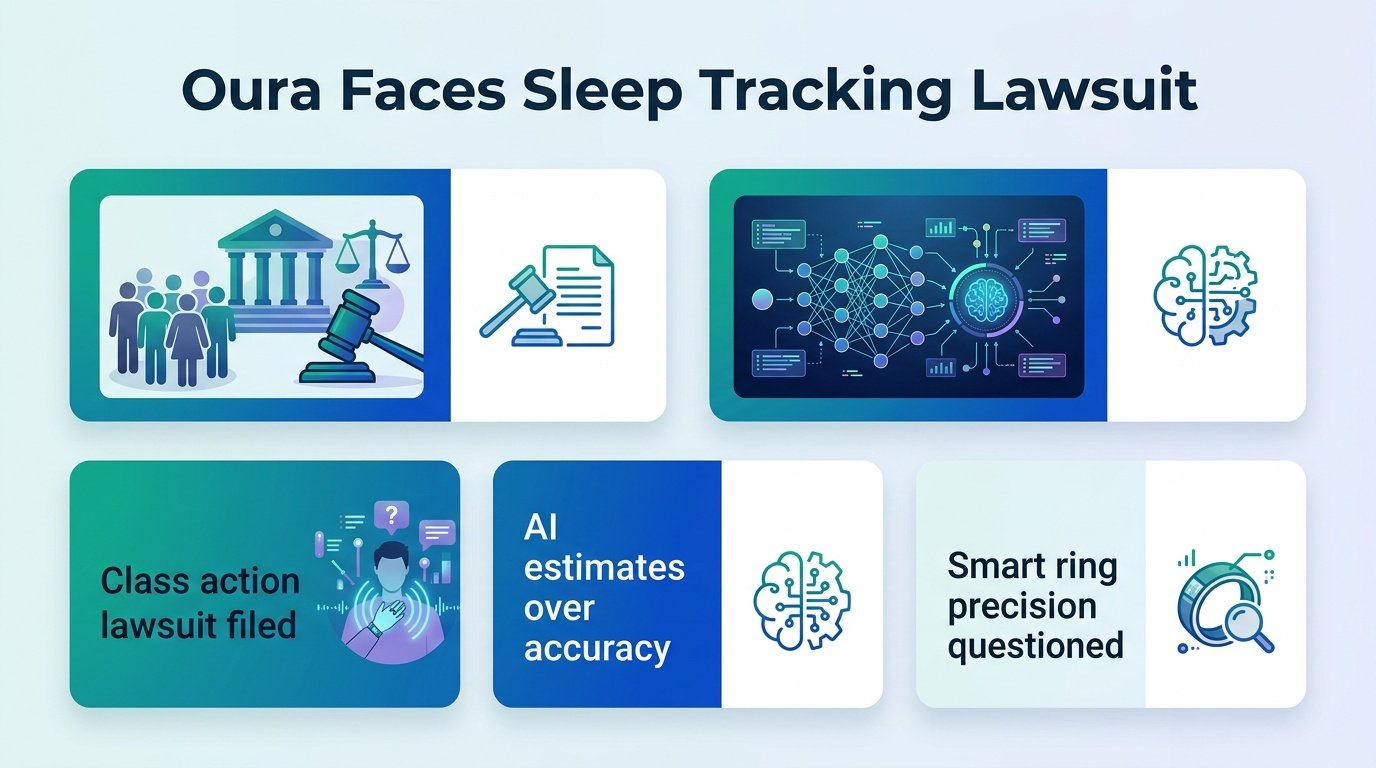
Oura Lawsuit Exposes Wearable Accuracy Gap
A class-action lawsuit challenging Oura’s sleep-tracking claims exposes the fragile boundary between consumer wellness gadgets and clinical medical devices.

A class-action lawsuit challenging Oura’s sleep-tracking claims exposes the fragile boundary between consumer wellness gadgets and clinical medical devices.
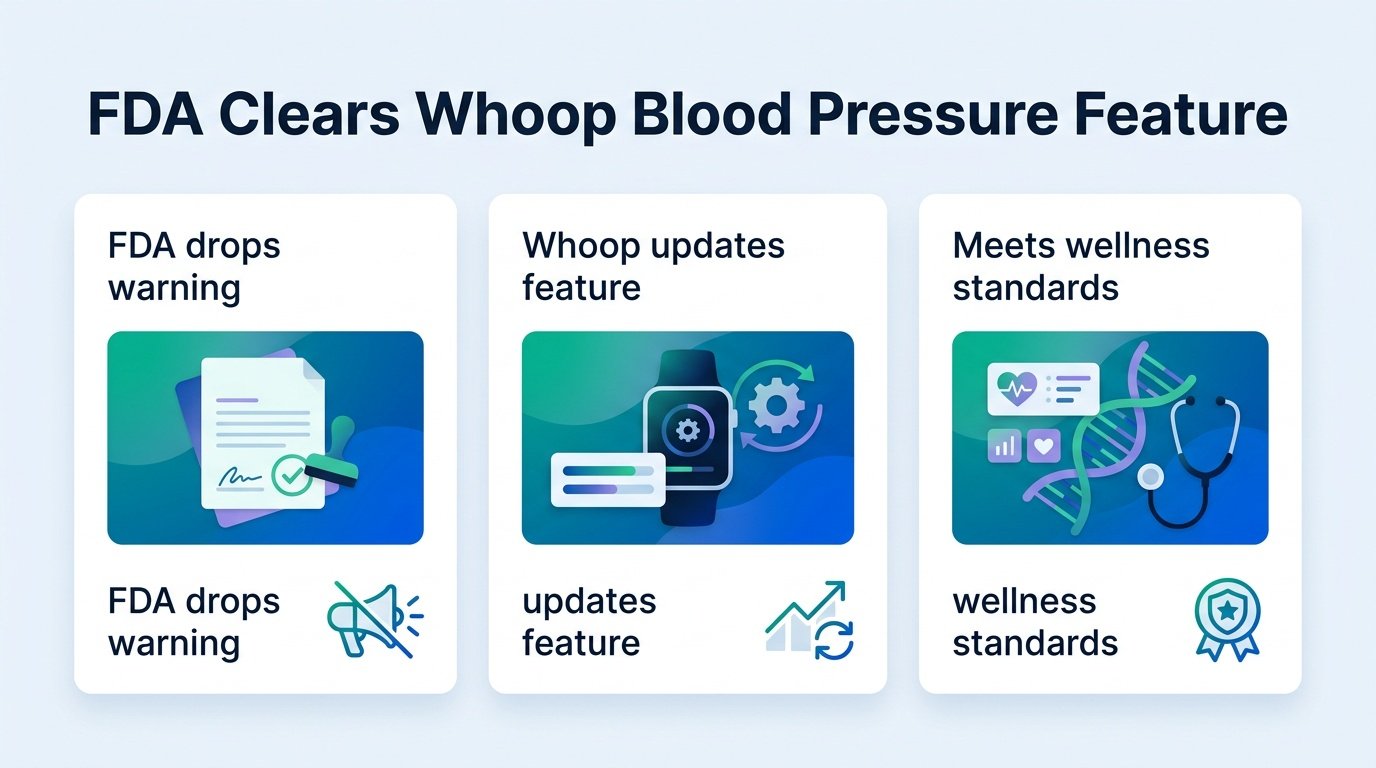
A quiet regulatory truce reveals exactly how consumer wearables can bypass strict medical device oversight.
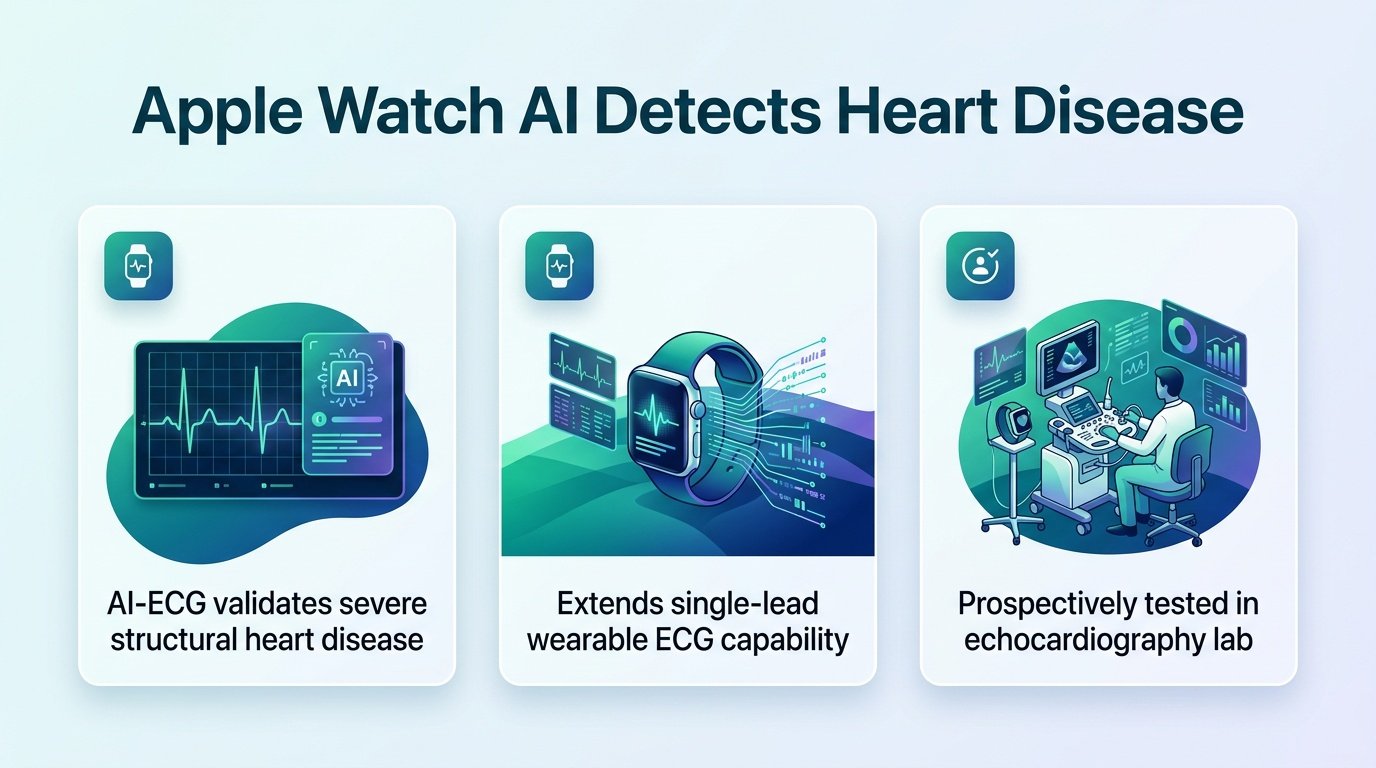
A new prospective trial shows consumer wearables can flag silent, life-threatening heart structural issues before symptoms even appear.
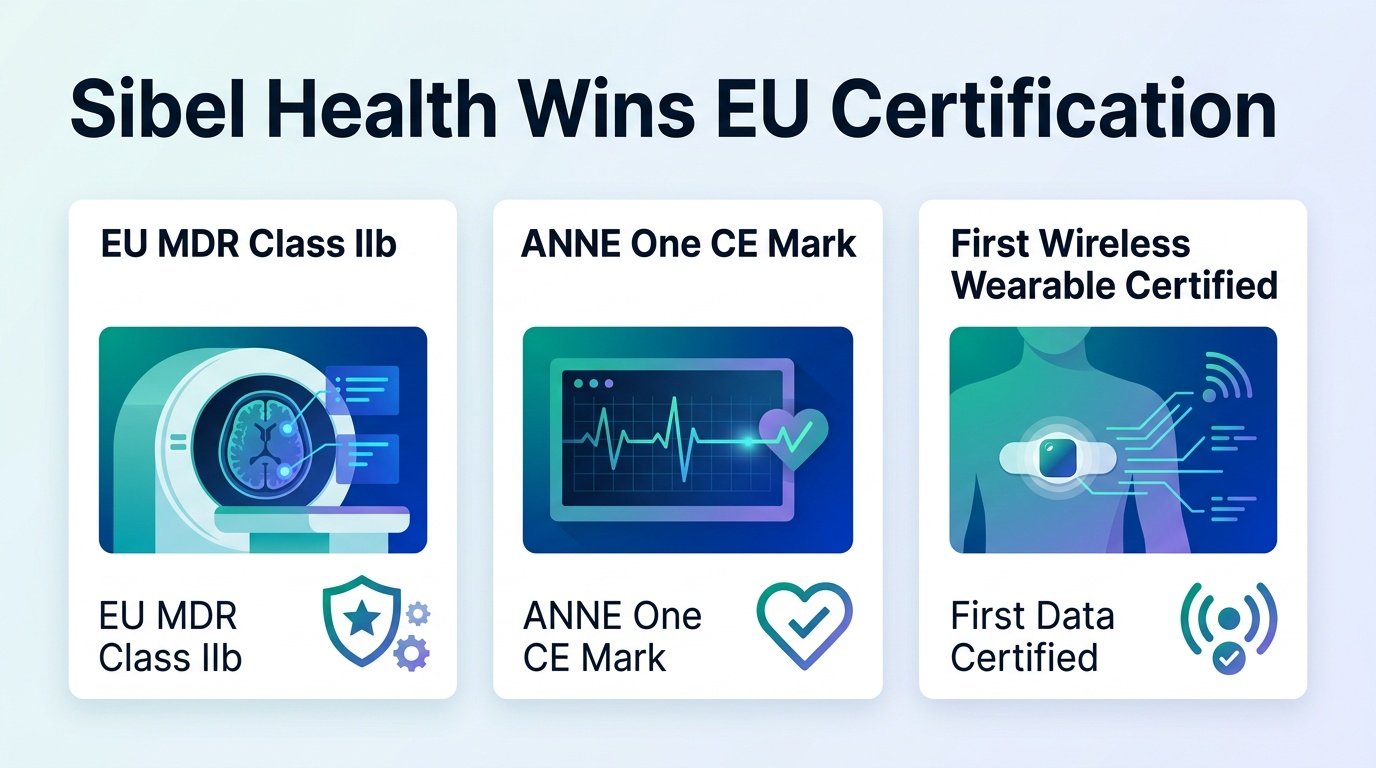
Hospital wards are tangled in cords, but cutting the wires requires passing the world’s toughest medical device standards.
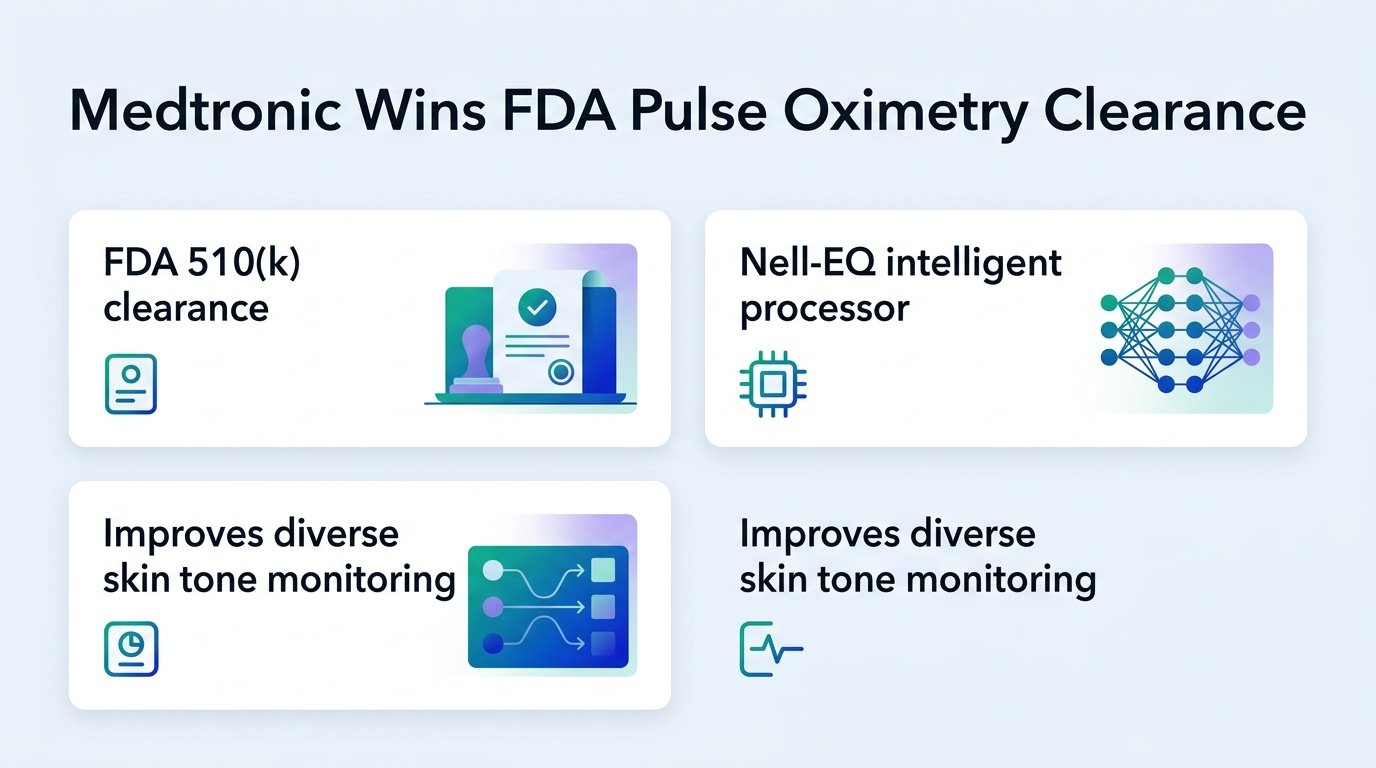
A regulatory shift is forcing medical device makers to prove their technology works equally well on all skin tones.
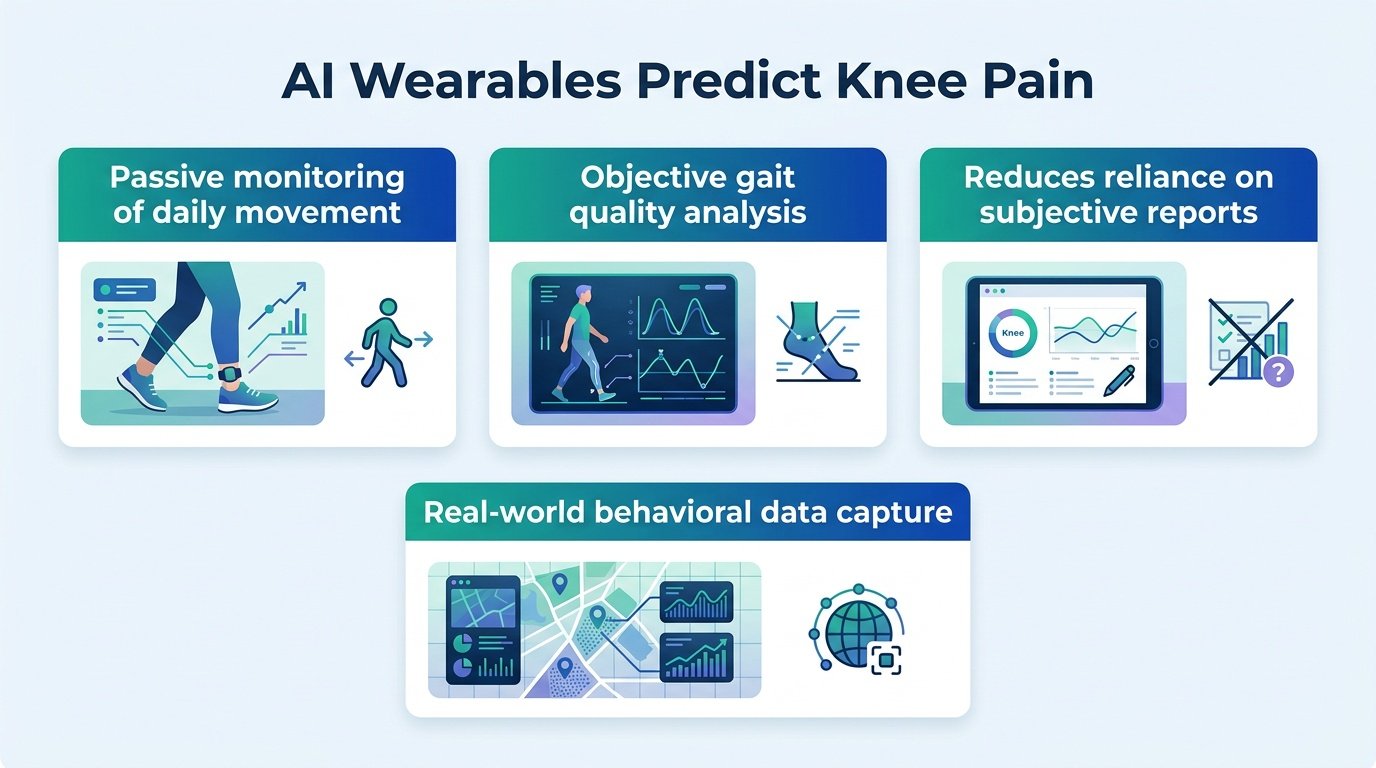
A new machine learning model proves that how we walk, rather than how much we walk, reveals the true severity of arthritic joint pain.
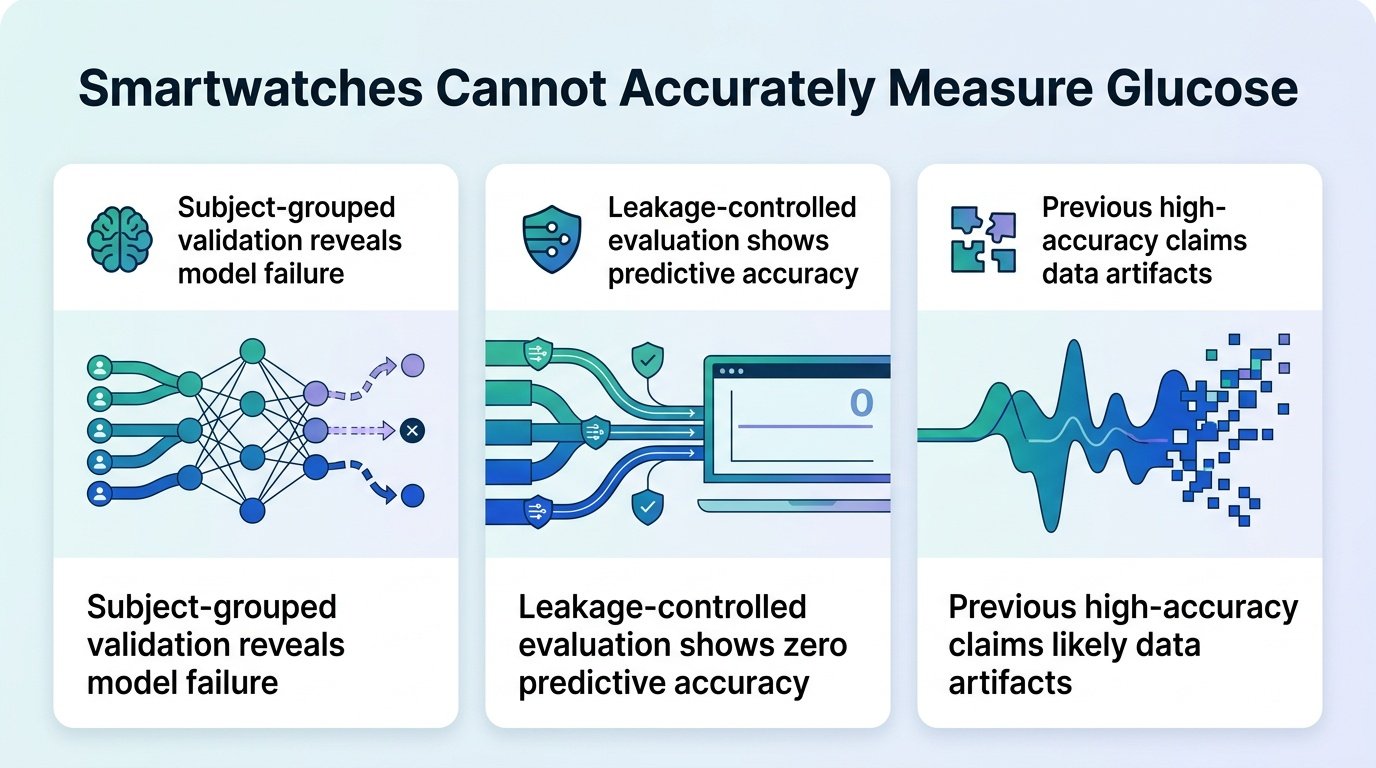
A rigorous new evaluation reveals that wrist-worn wearables capture no real blood glucose data, exposing a major flaw in non-invasive tracking claims.
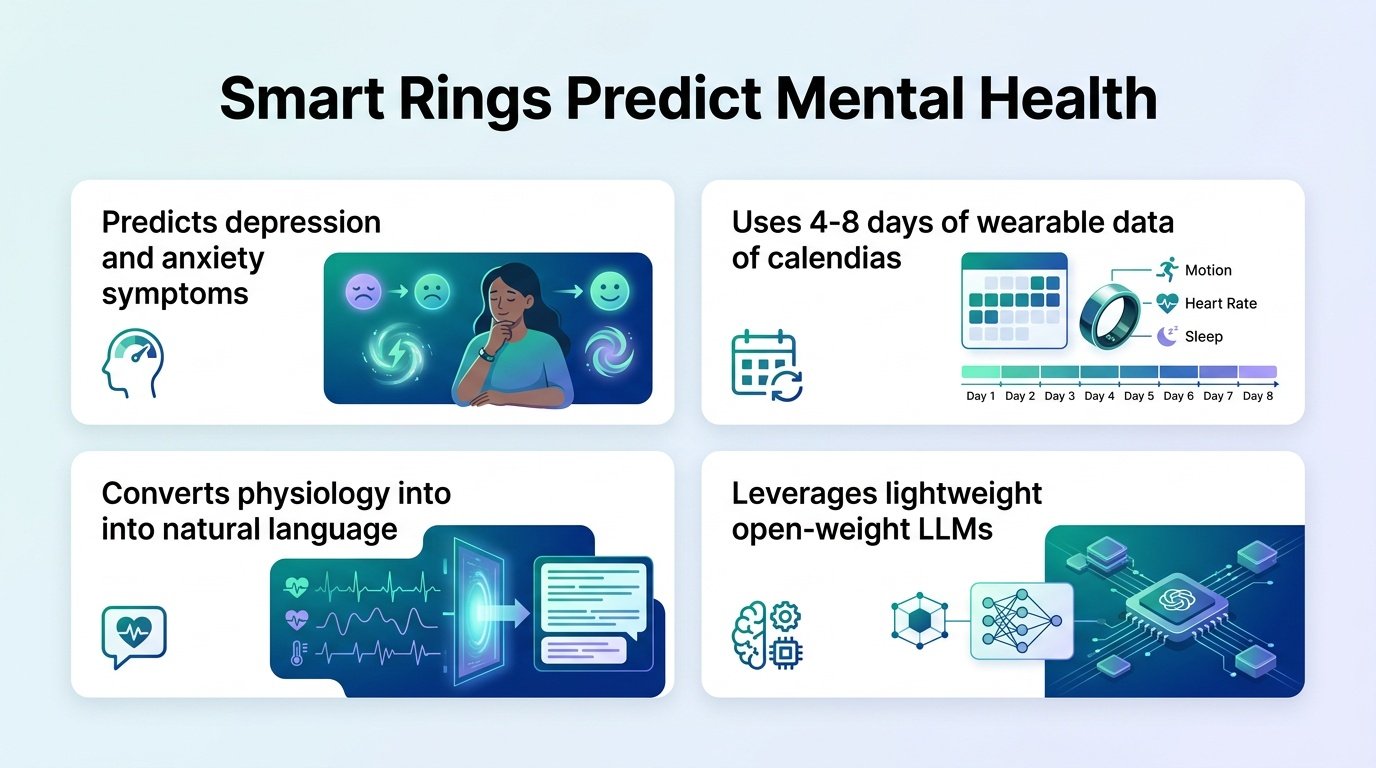
Giving consumer smart ring data to a raw language model to spot depression fails completely, unless you teach it how to think first.
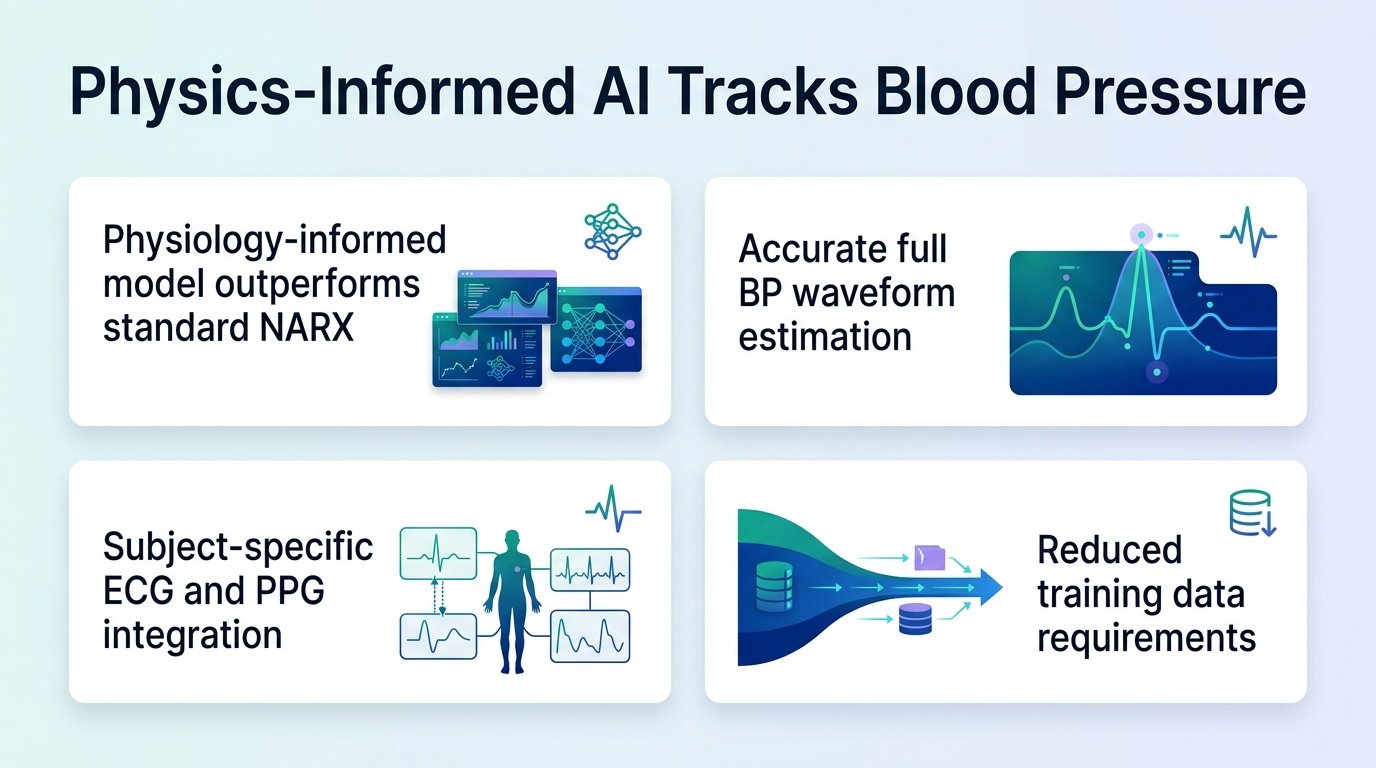
By blending cardiovascular physics into machine learning, researchers have cut the data needed to track continuous blood pressure in half.
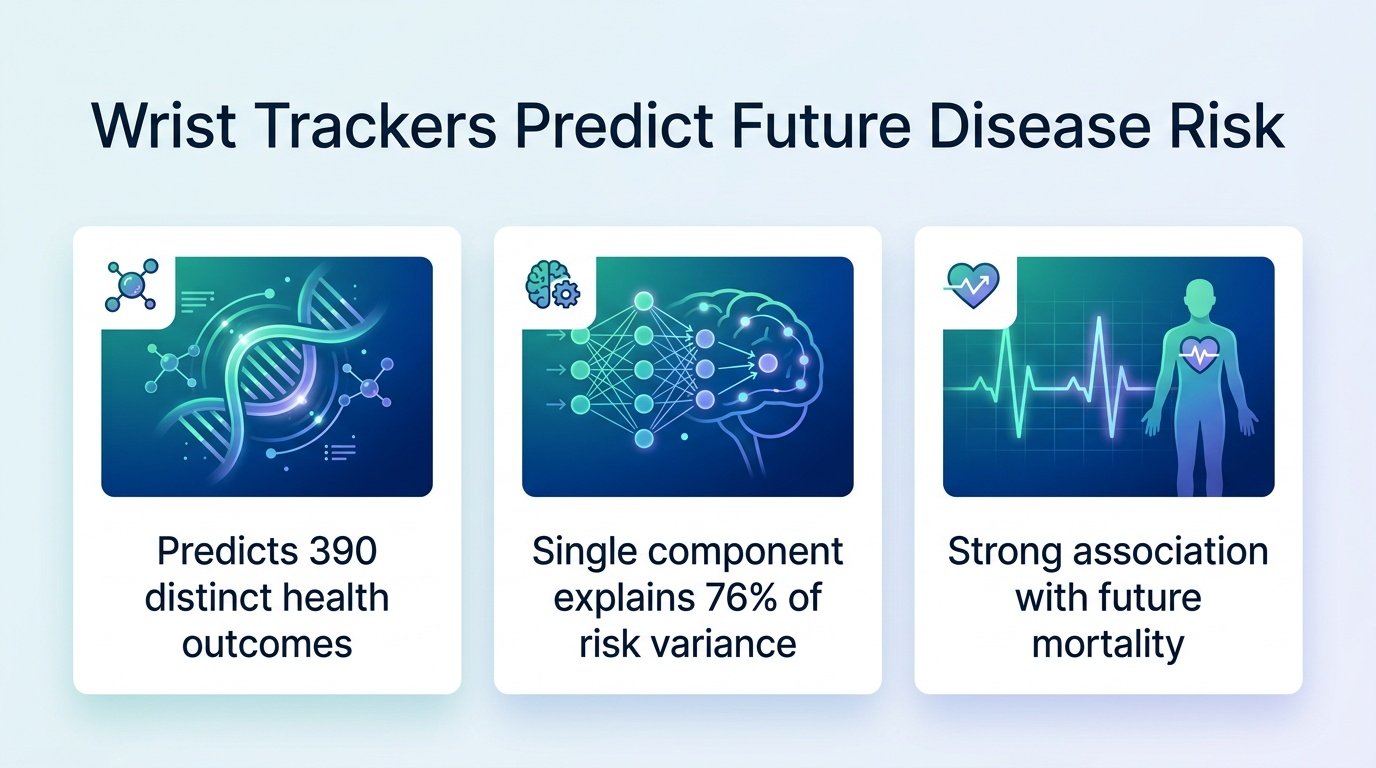
A single week of wrist-worn movement data can forecast hundreds of future health conditions years before they are diagnosed.