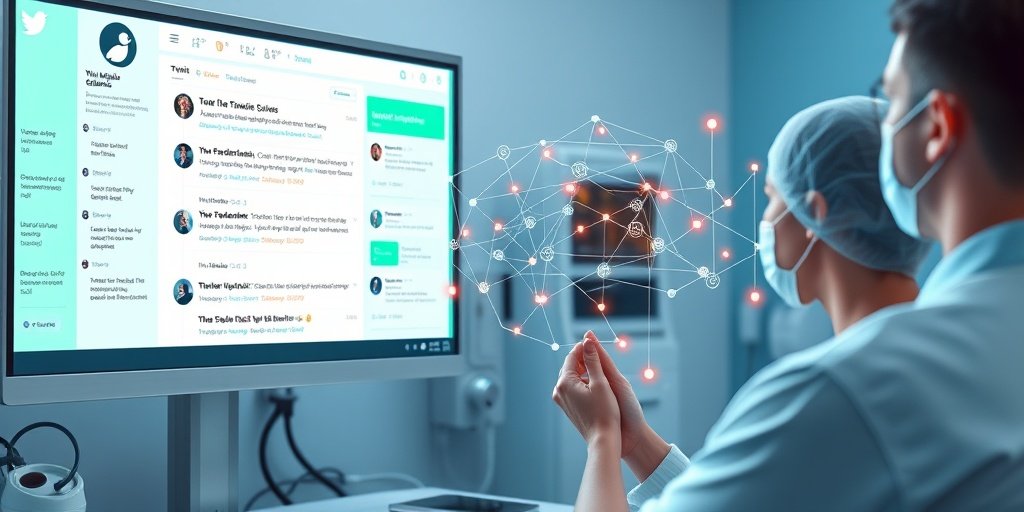
#MultipleSclerosis: Artificial intelligence-based sentiment and content analysis of Tweets.
AI analyzes 1,168 tweets on Multiple Sclerosis: 44% positive, 22.3% negative. Key themes: announcements, information, experiences. 📊🧠

AI analyzes 1,168 tweets on Multiple Sclerosis: 44% positive, 22.3% negative. Key themes: announcements, information, experiences. 📊🧠
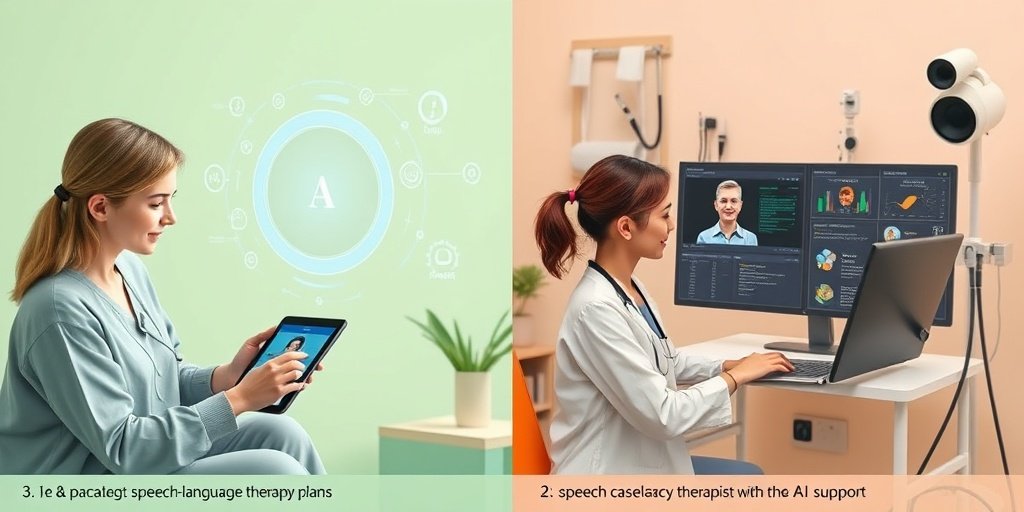
AI vs. Speech-Language Therapists: Insights from a Comparative Study 🤖🗣️
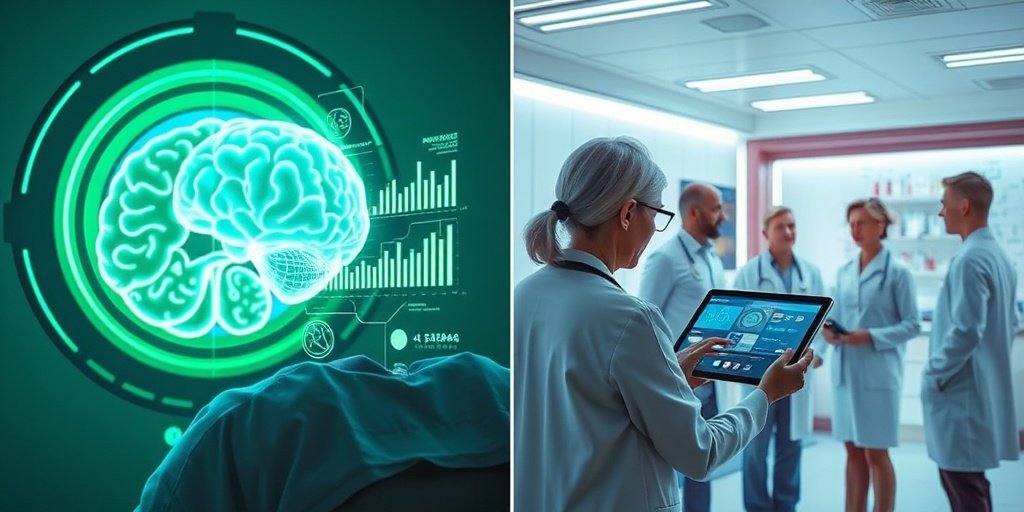
Multimodal AI enhances Alzheimer’s diagnosis accuracy to 92.5% 📊, integrating diverse datasets for improved outcomes. 🧠
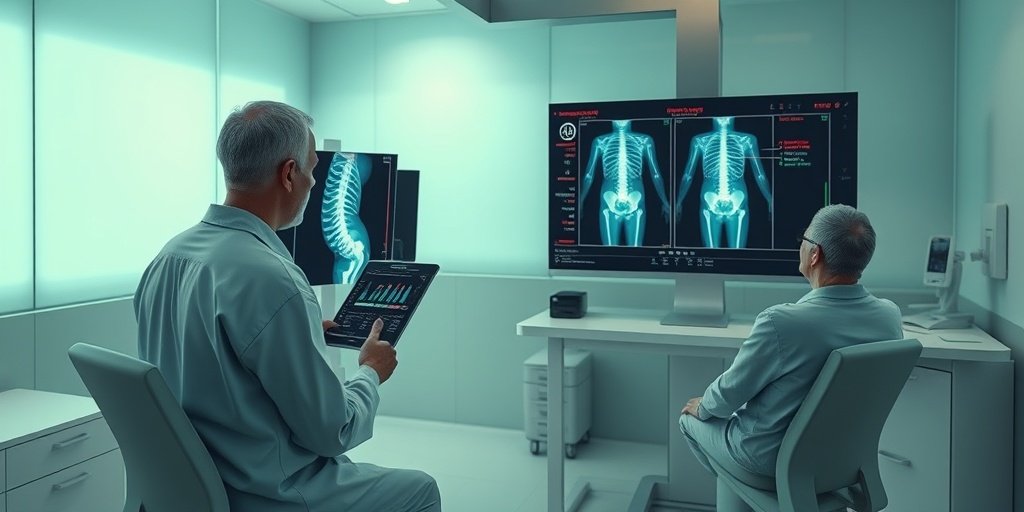
AI in Osteoporosis Detection: YOLOv4 achieves 78.1% accuracy for osteoporosis classification and 68.3% for fractures. 📊🦴

Neural network tool KLiP identifies listening issues in kids 3-6, achieving 90% sensitivity & 97% specificity! 🎧👶

AI-driven app enhances DLD identification, showing high concordance with clinical diagnoses. Key linguistic markers analyzed. 📊🤖
Exploring attitudes on anorexia in China: 1,099 comments analyzed reveal healthcare gaps. 📊🧠
Health tech suppliers predict significant advancements in NHS technology by 2026, focusing on AI integration, patient-centered care, and improved data management. 🏥💻

AI in Speech Therapy: 65% of therapists optimistic about its future use, yet 41% worry about losing the ‘human-factor.’ 🤖💬
AI-generated stuttering programs show high content validity (M = 4.6-4.9) but require human validation for cultural nuances. 🤖🗣️