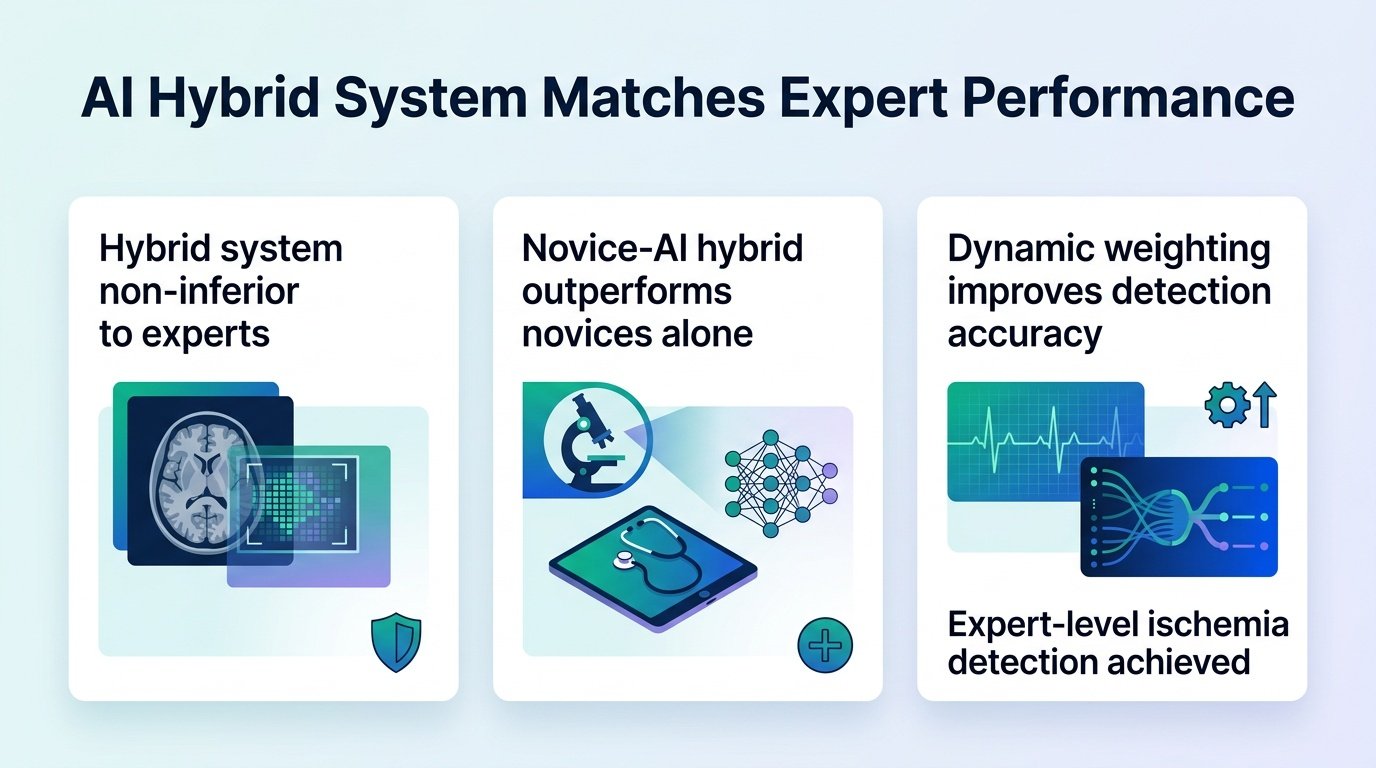
Hybrid novice-AI system achieves expert-level performance in intraoperative ischemia detection
Pairing untrained staff with artificial intelligence could solve the specialist shortage in operating rooms.

Pairing untrained staff with artificial intelligence could solve the specialist shortage in operating rooms.

Hospitals are losing millions because surgeons are terrible at paperwork, but the solution is not another dictation tool—it is the video feed itself.
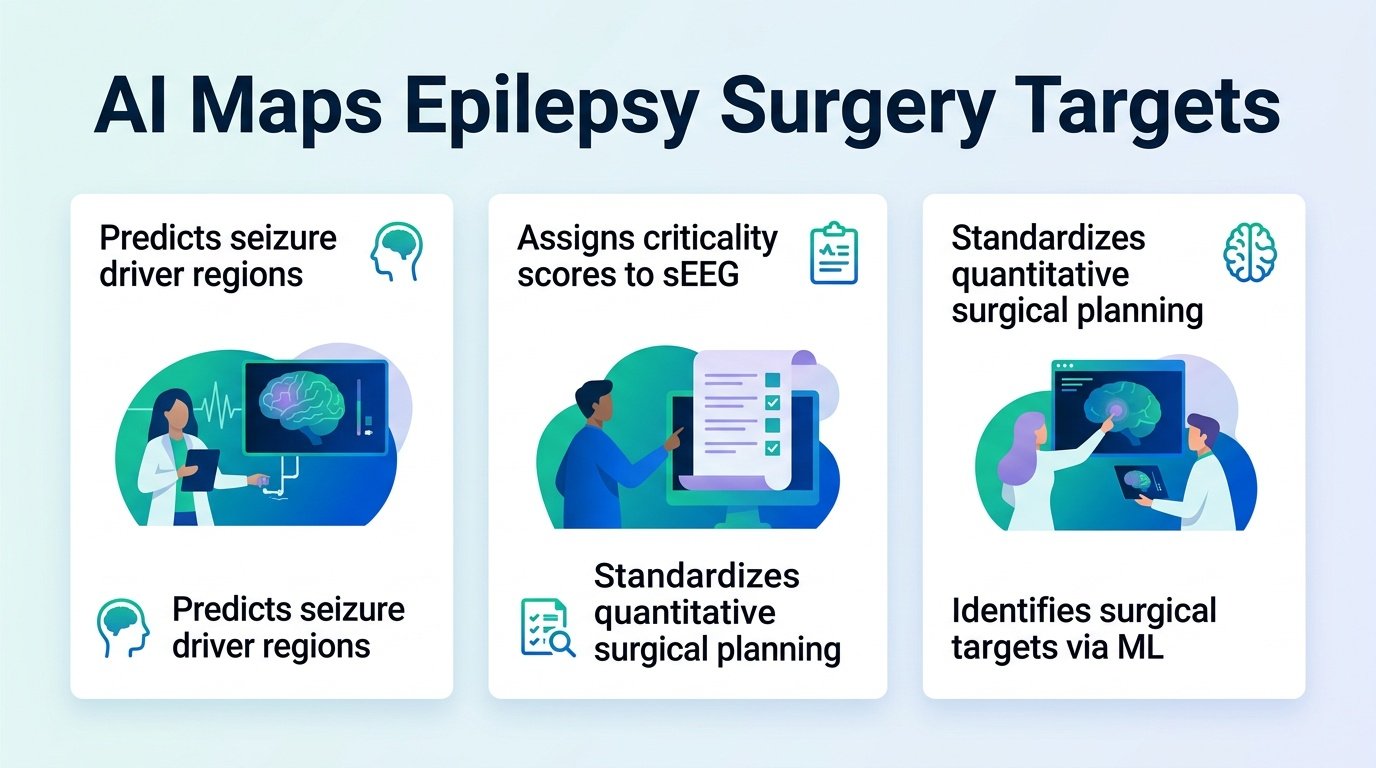
A new computational platform pinpointed compact brain targets to help surgeons stop drug-resistant seizures.
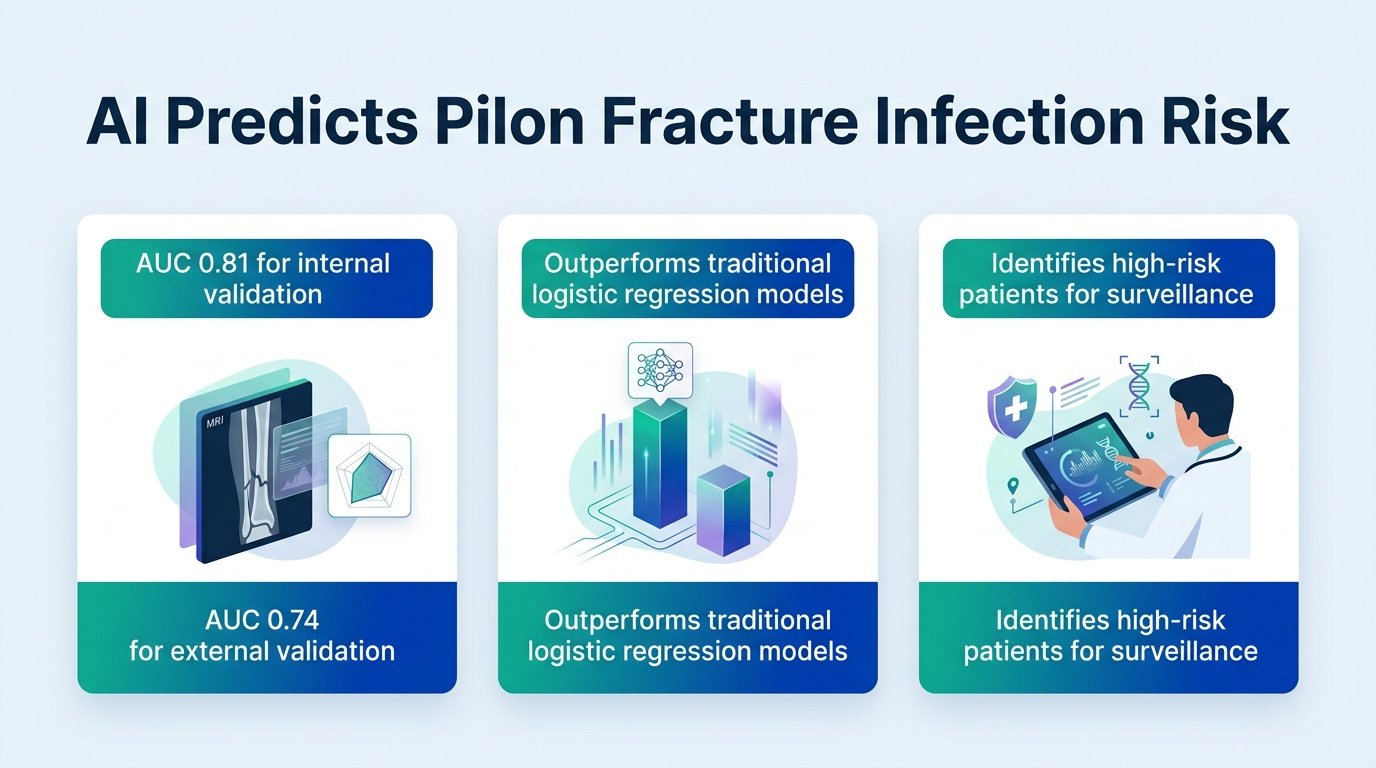
A new machine learning model can pinpoint which ankle fracture patients are highly likely to develop surgical infections, but its tendency to miss the majority of at-risk cases makes it a dangerous tool if used as a standalone safety net.
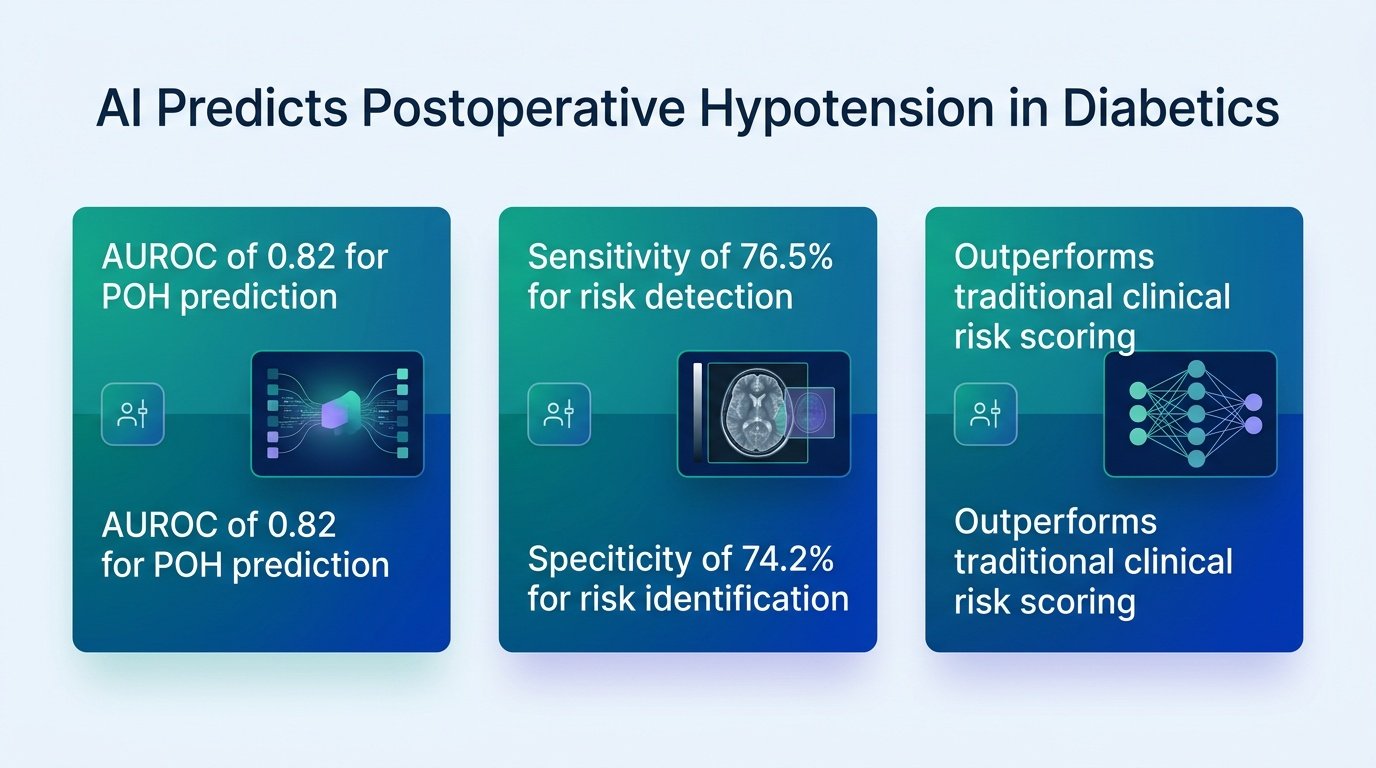
A new algorithm spots which diabetic patients will crash after surgery, shifting the focus from reactive emergency care to proactive recovery.

Surgeons spend hours documenting procedures, yet manual reports omit up to seventy percent of critical clinical information.
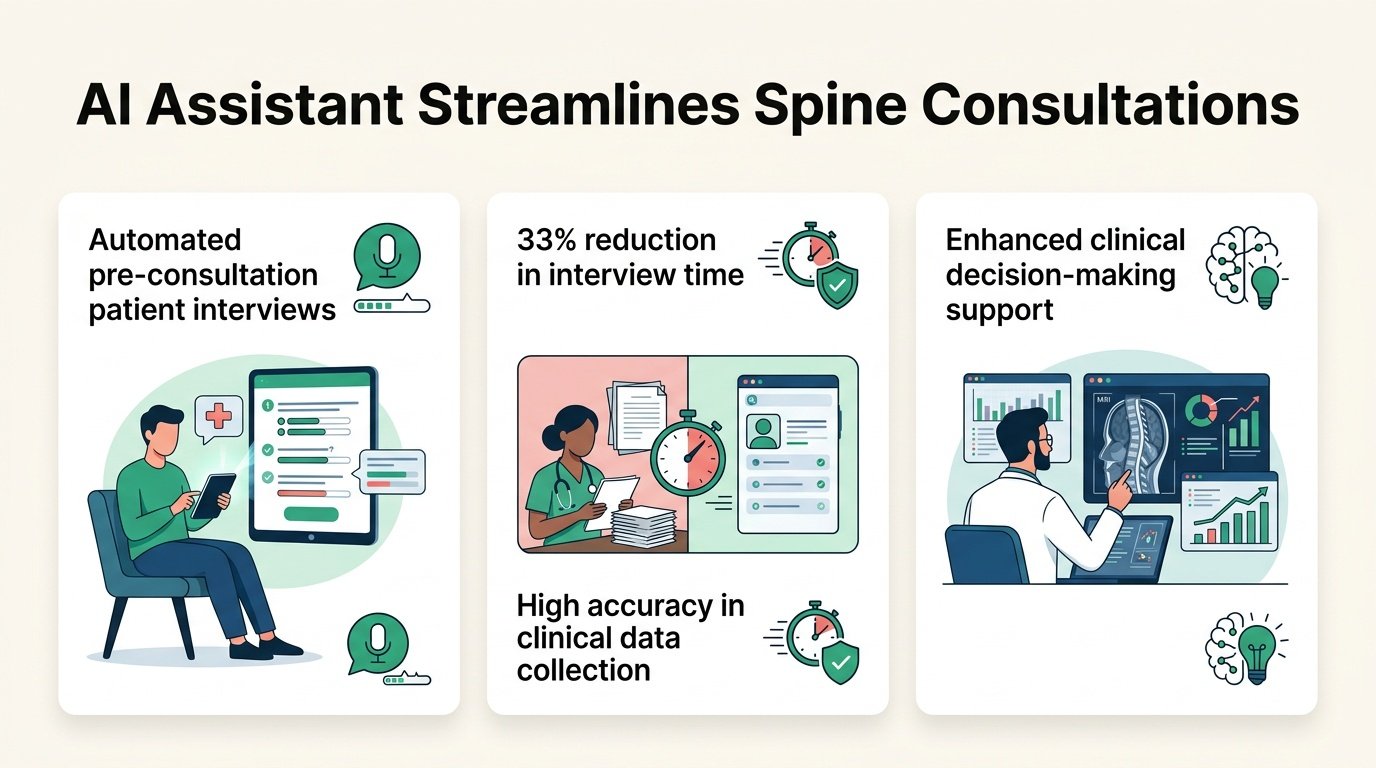
A new clinical pilot shows that letting an AI interview patients before they see a surgeon slashes consultation times while actually improving data quality.
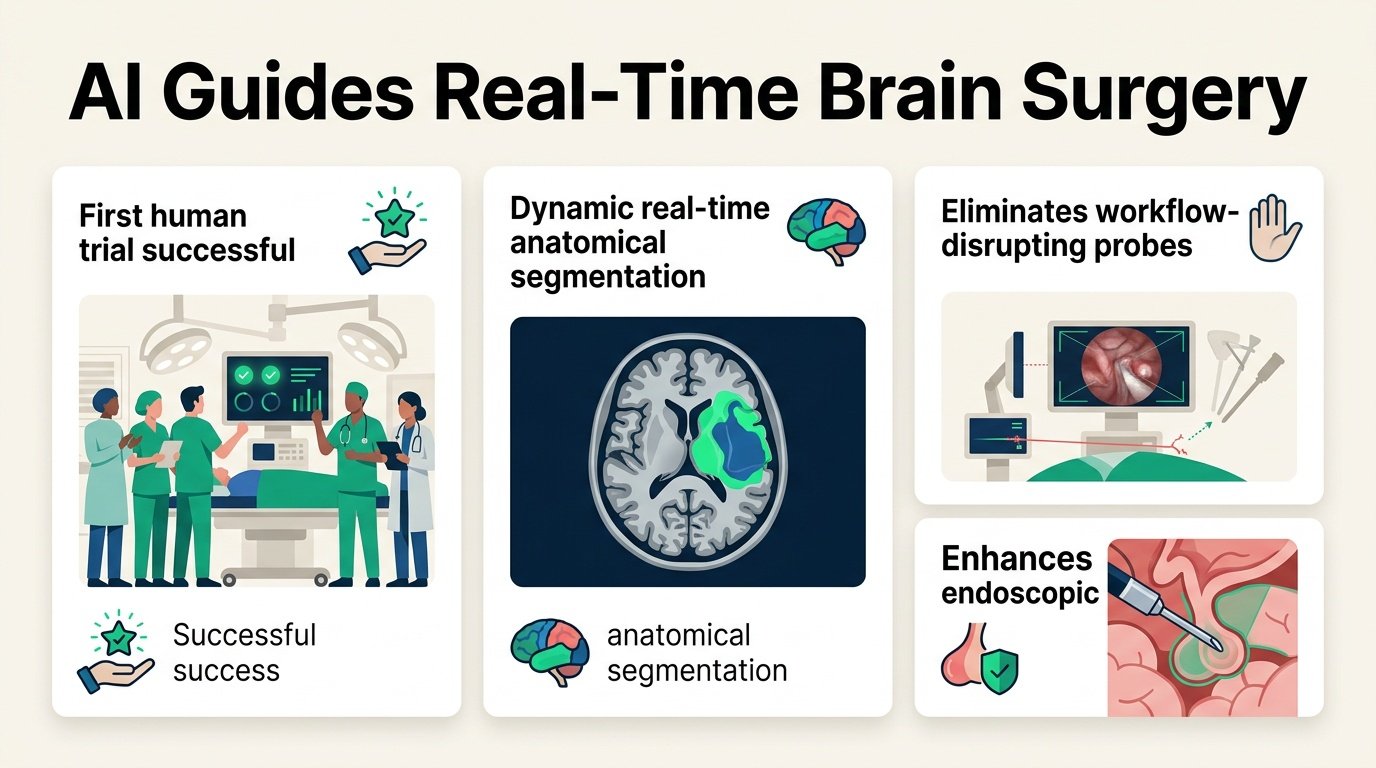
A new clinical trial shows that real-time computer vision can guide neurosurgeons through high-stakes brain procedures, but early software bugs prove the clinic is still a messy testing ground.
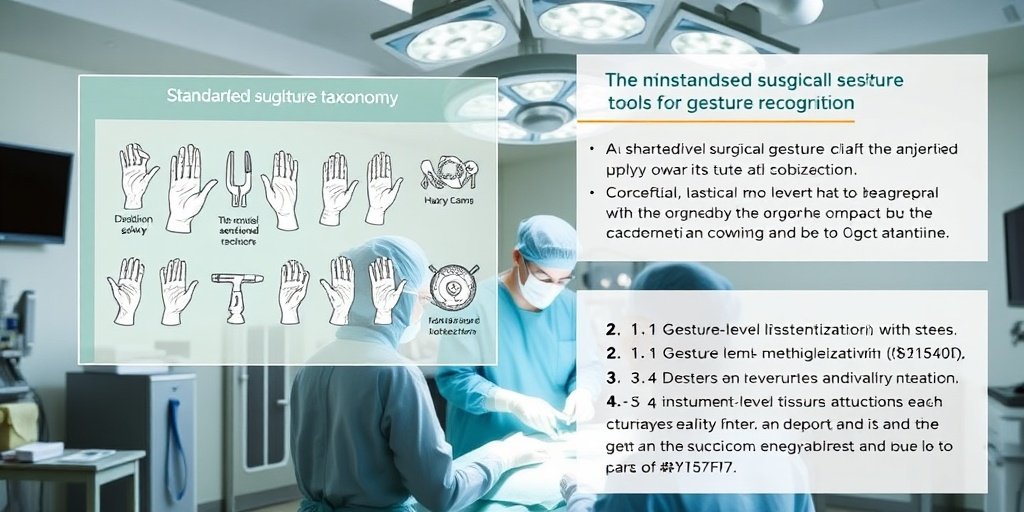
Standardized surgical gesture taxonomy enhances AI in surgery. 10 clusters, 24 gestures, 46 sub-gestures established. 🤖✂️
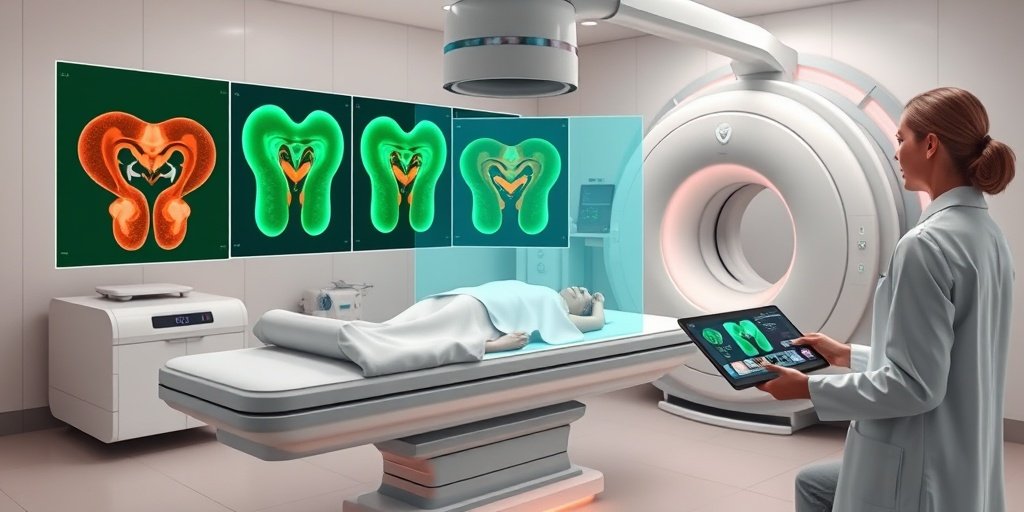
Deep learning in radiation oncology: promising AI for pelvic malignancies. 📊🤖 Systematic review protocol registered on PROSPERO. 📅