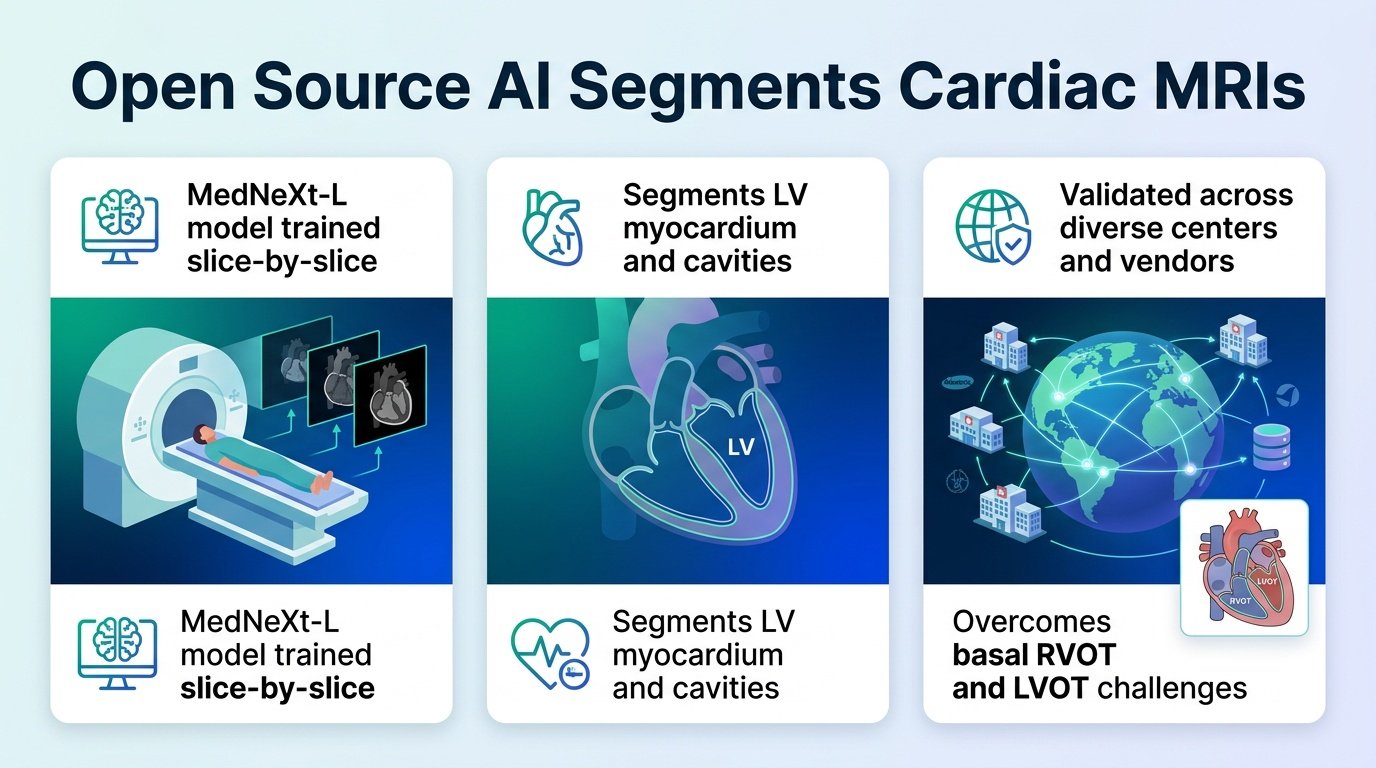
Open source AI segments complex cardiac MRIs
A new open-source AI matches human precision in tracing heart structures but falls short on the critical calculations doctors use to make treatment decisions.

A new open-source AI matches human precision in tracing heart structures but falls short on the critical calculations doctors use to make treatment decisions.
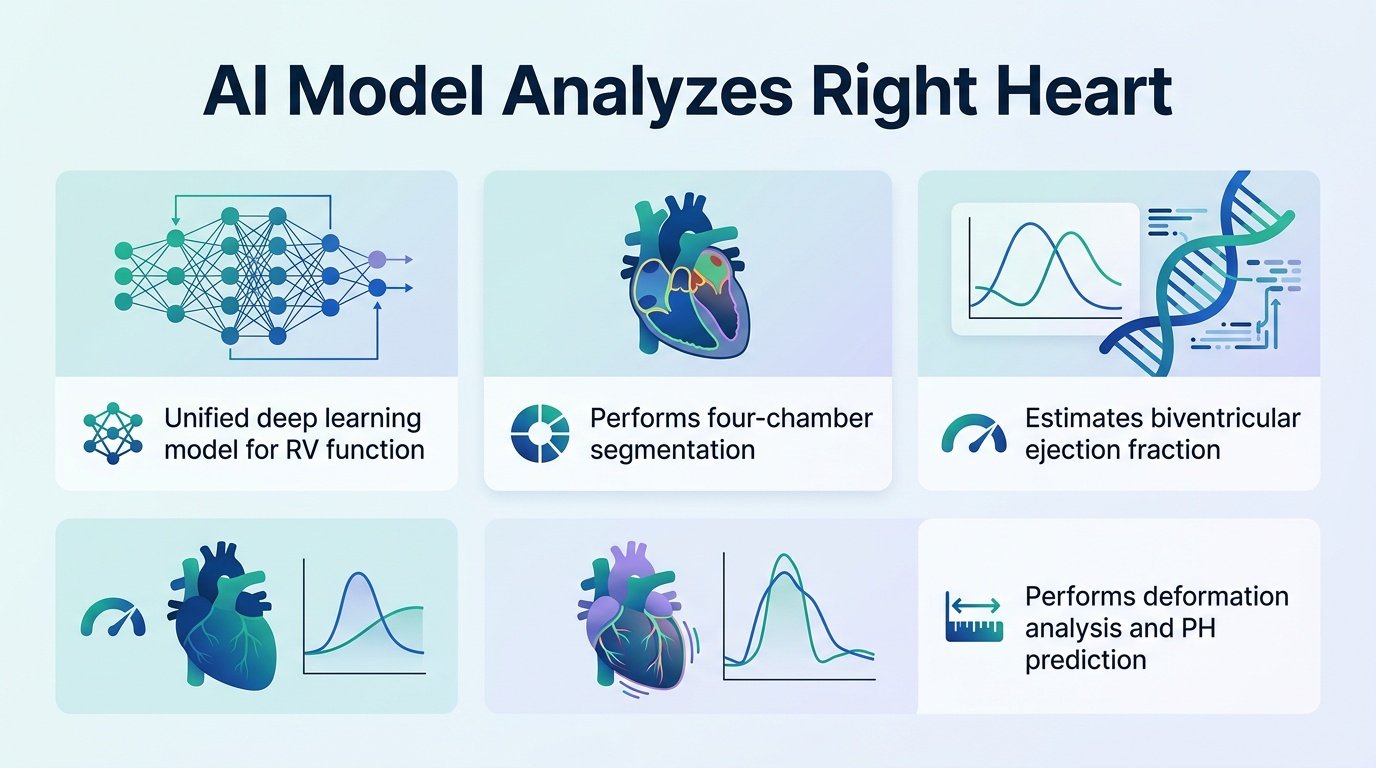
By consolidating complex cardiac measurements into a single view, a new deep-learning model challenges the clinical habit of ignoring the right side of the heart.
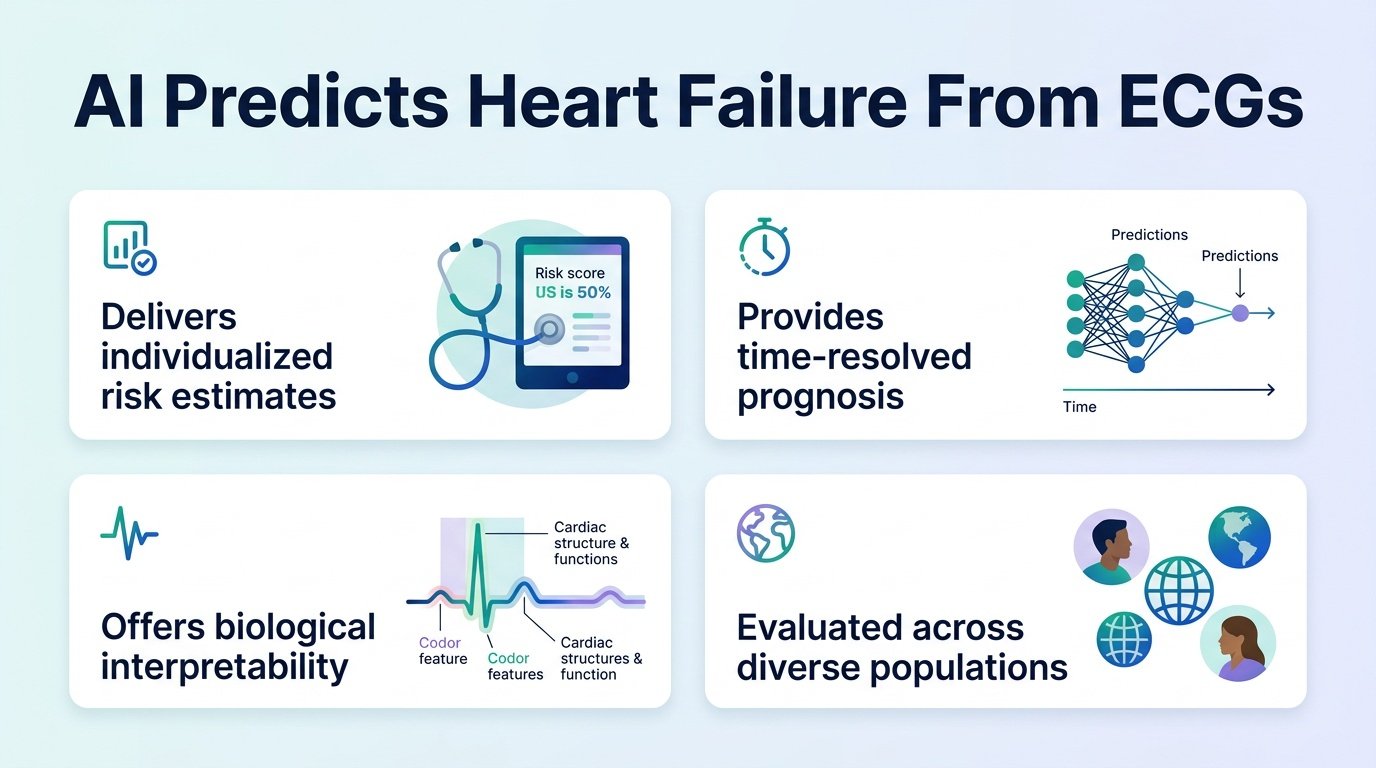
An AI model can spot heart failure risk day-by-day using standard electrocardiograms, but its performance drops when crossing oceans.
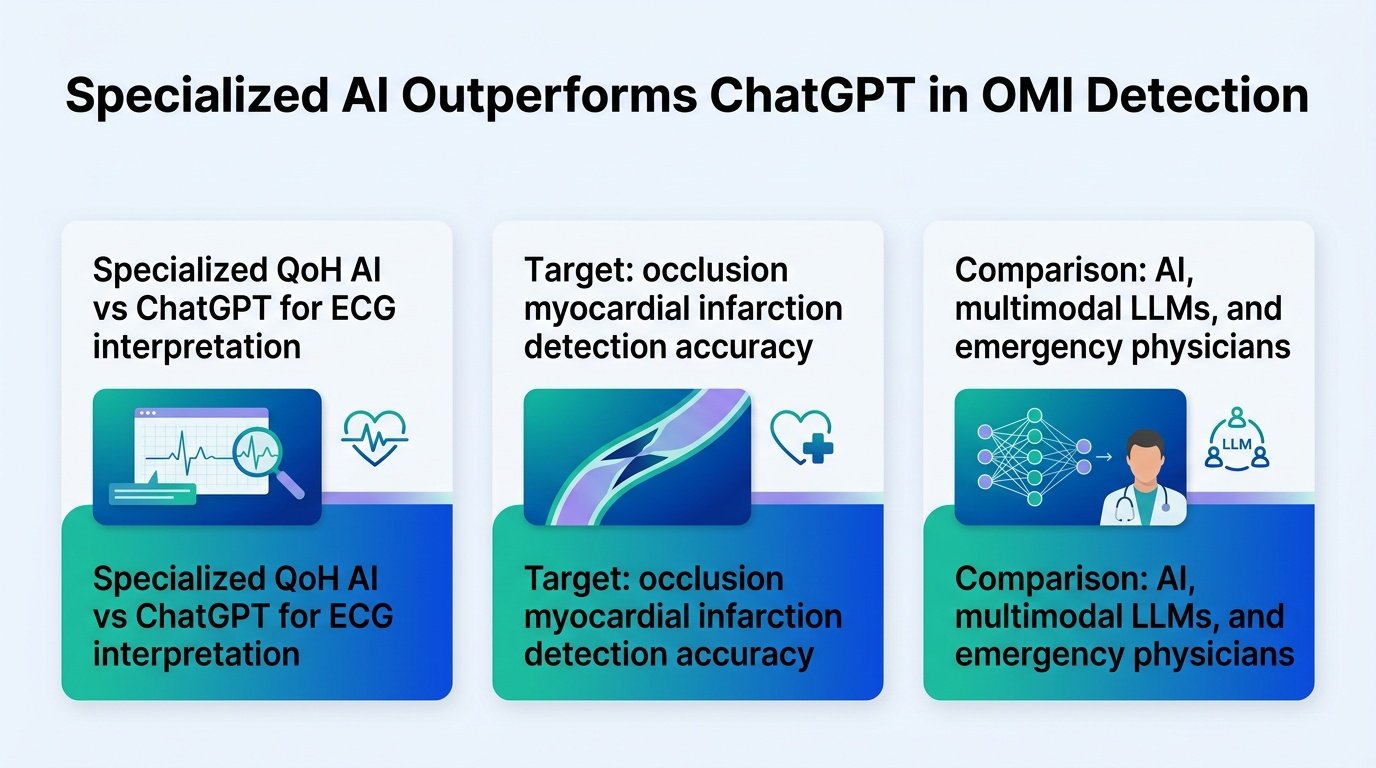
A specialized neural network outperformed both emergency physicians and general-purpose chatbots in detecting life-threatening heart blockages on electrocardiograms.
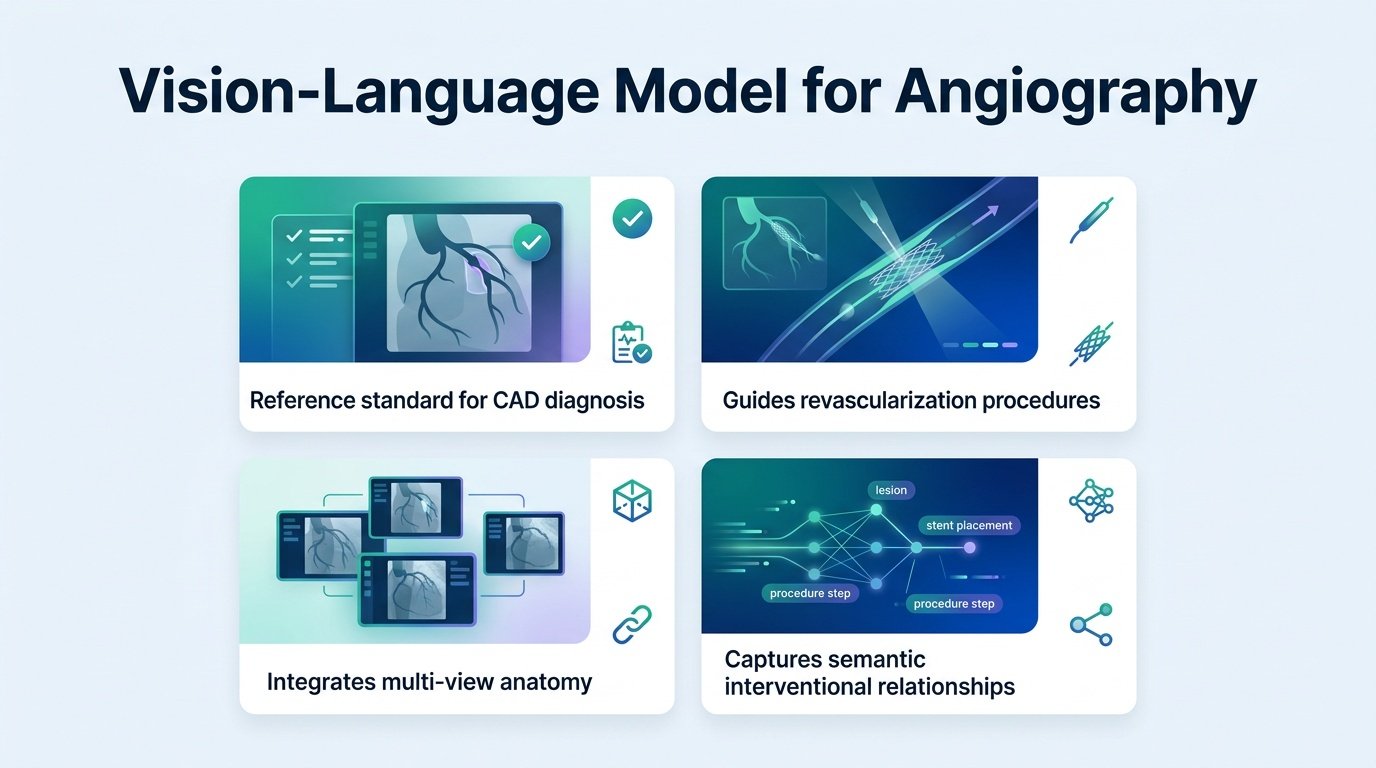
A new AI foundation model trained on over 800,000 heart videos can predict surgical needs directly from angiograms, challenging the traditional reliance on human-only visual interpretation in the cath lab.
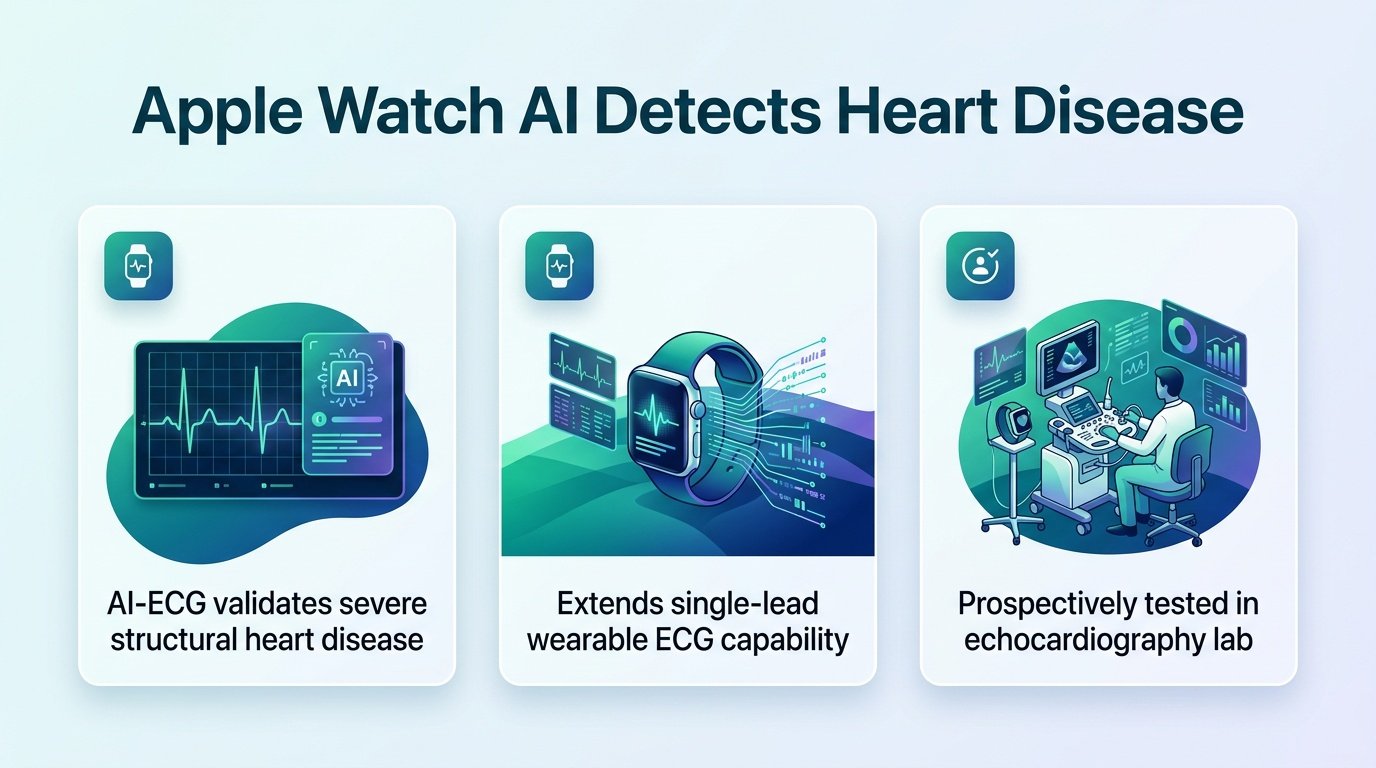
A new prospective trial shows consumer wearables can flag silent, life-threatening heart structural issues before symptoms even appear.
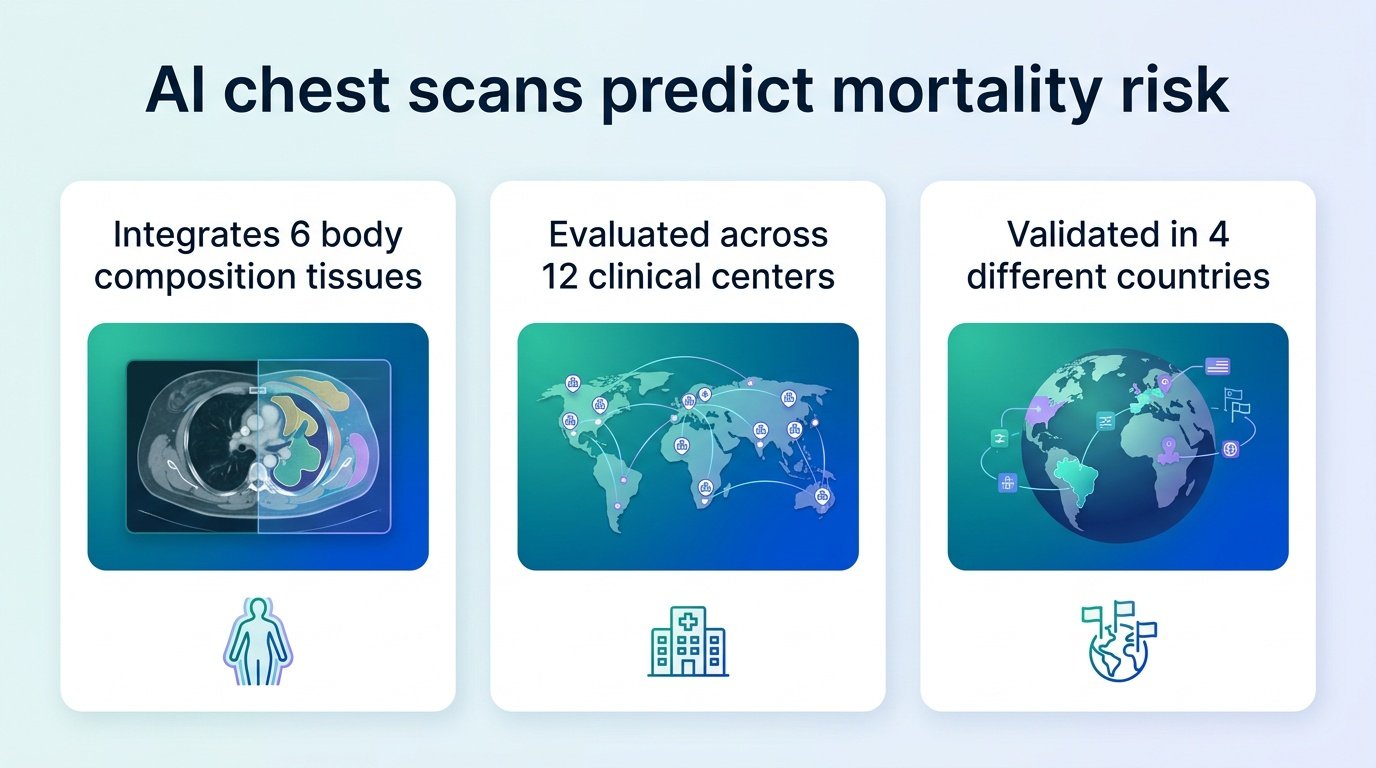
A new artificial intelligence index uses routine heart scans to calculate mortality risk, proving that how we store fat and muscle matters far more than simple body weight.
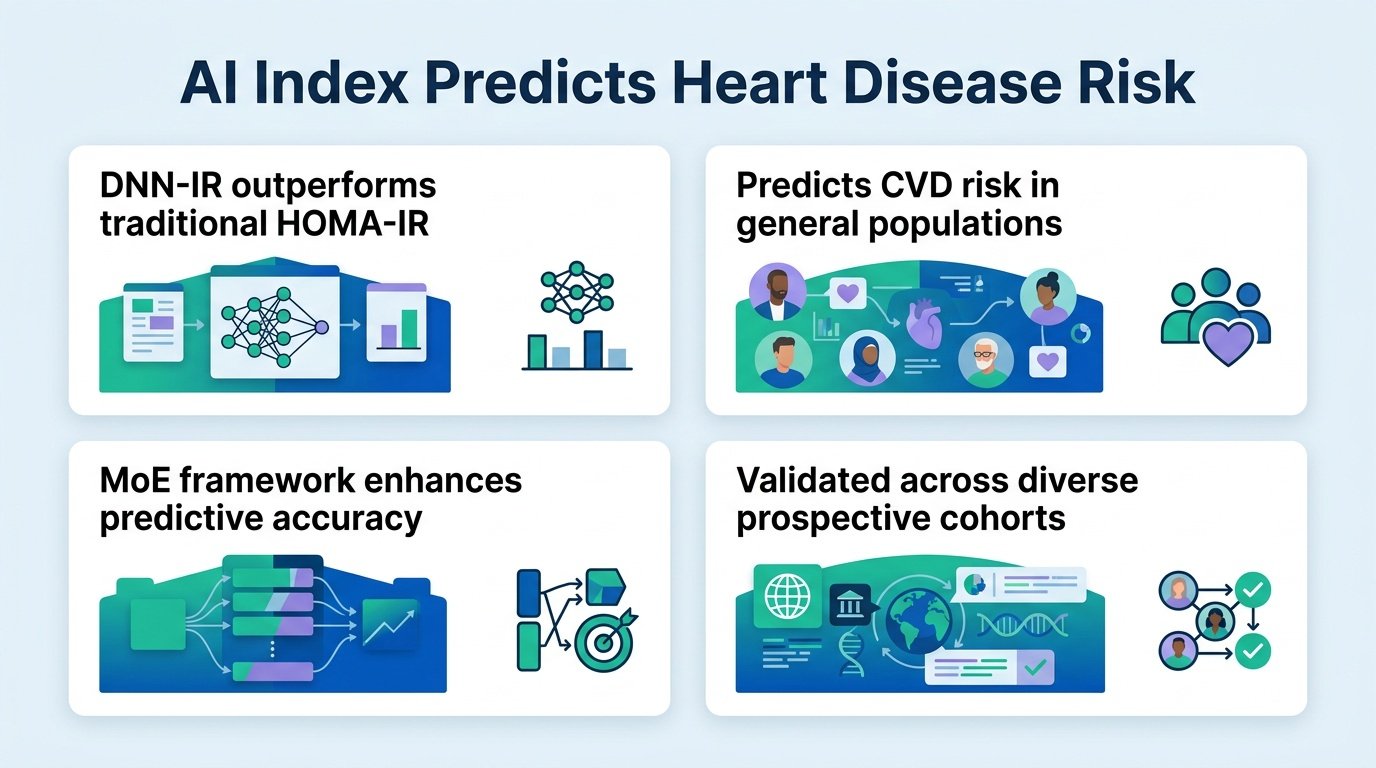
A new deep learning index predicts cardiovascular death by tracking insulin resistance in the general public, moving metabolic screening beyond diabetic patients.
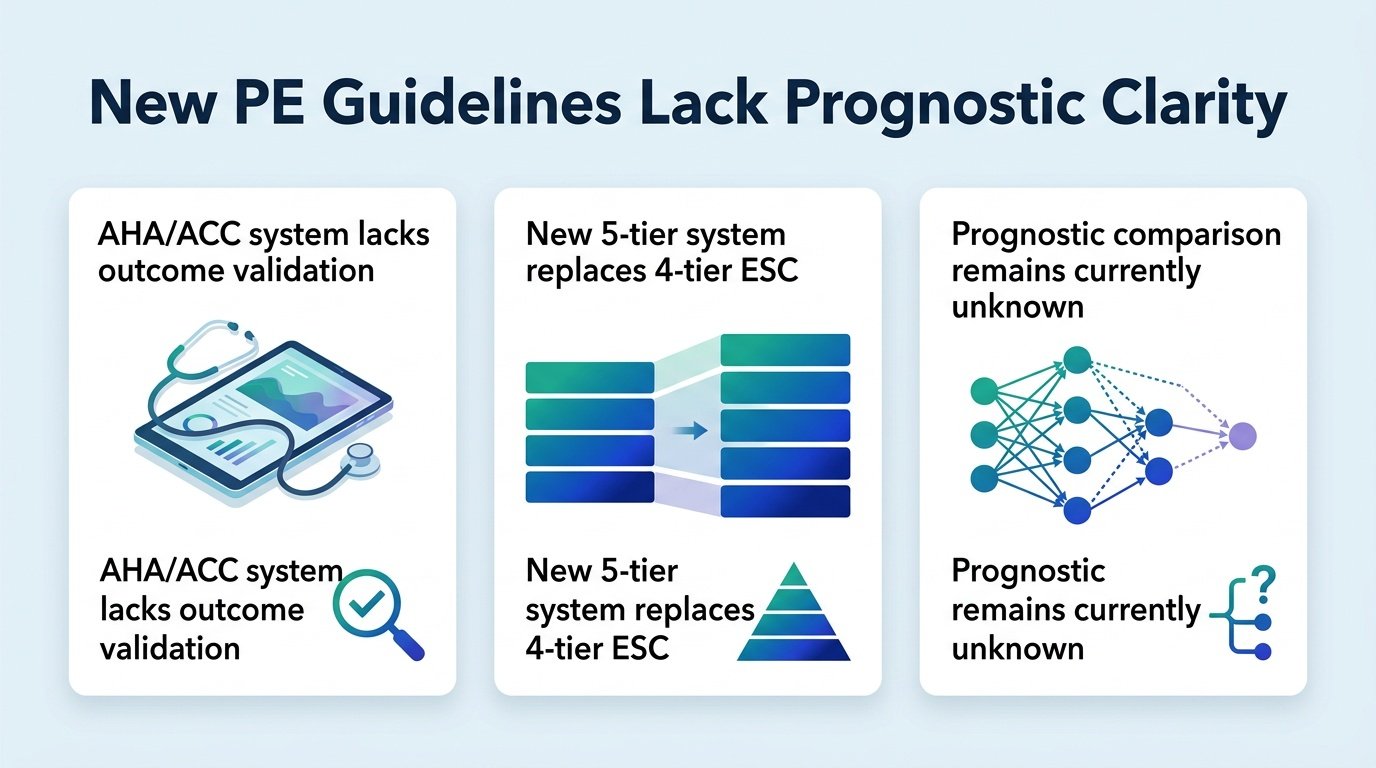
A massive multi-center study reveals that the new 2026 AHA/ACC pulmonary embolism framework adds clinical complexity without improving risk prediction for the vast majority of patients.
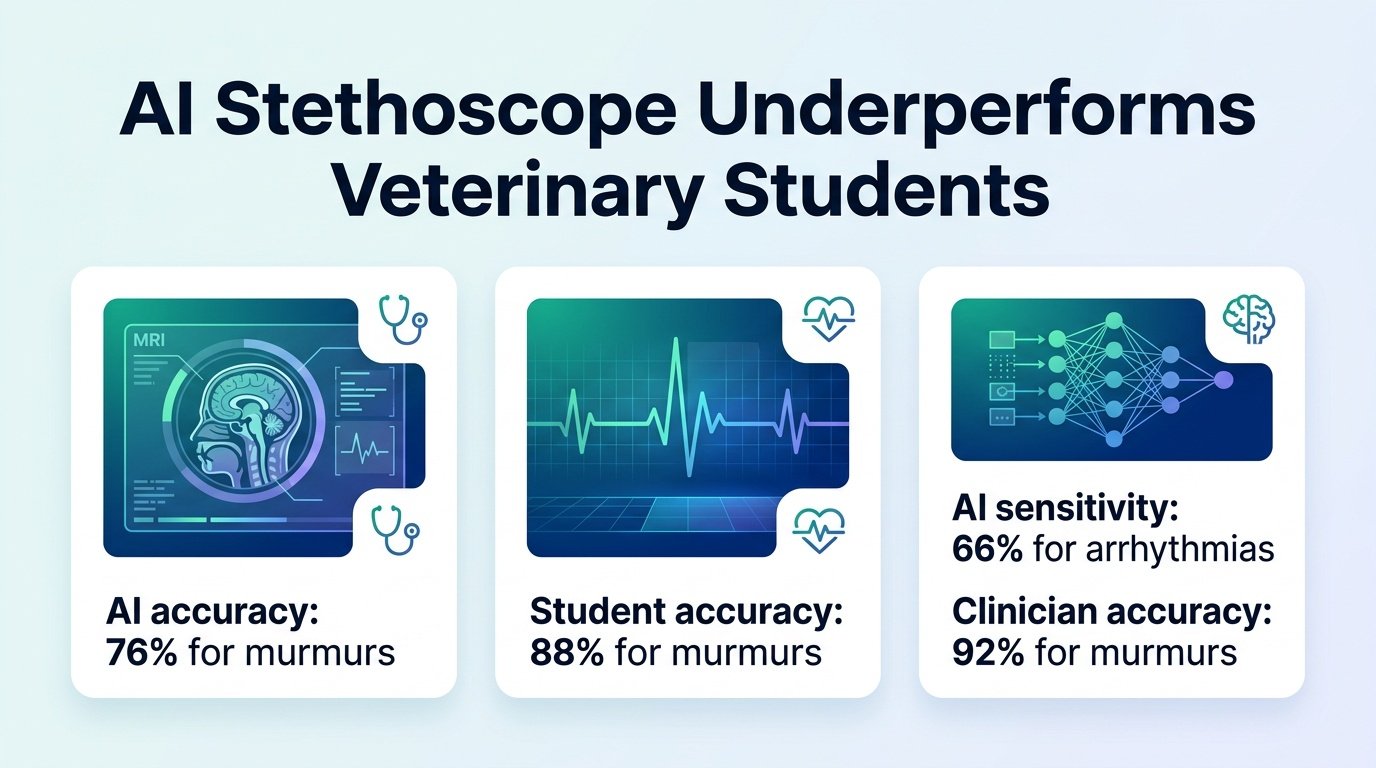
A new study reveals that consumer-grade AI stethoscopes cannot reliably replace human ears in veterinary clinics.