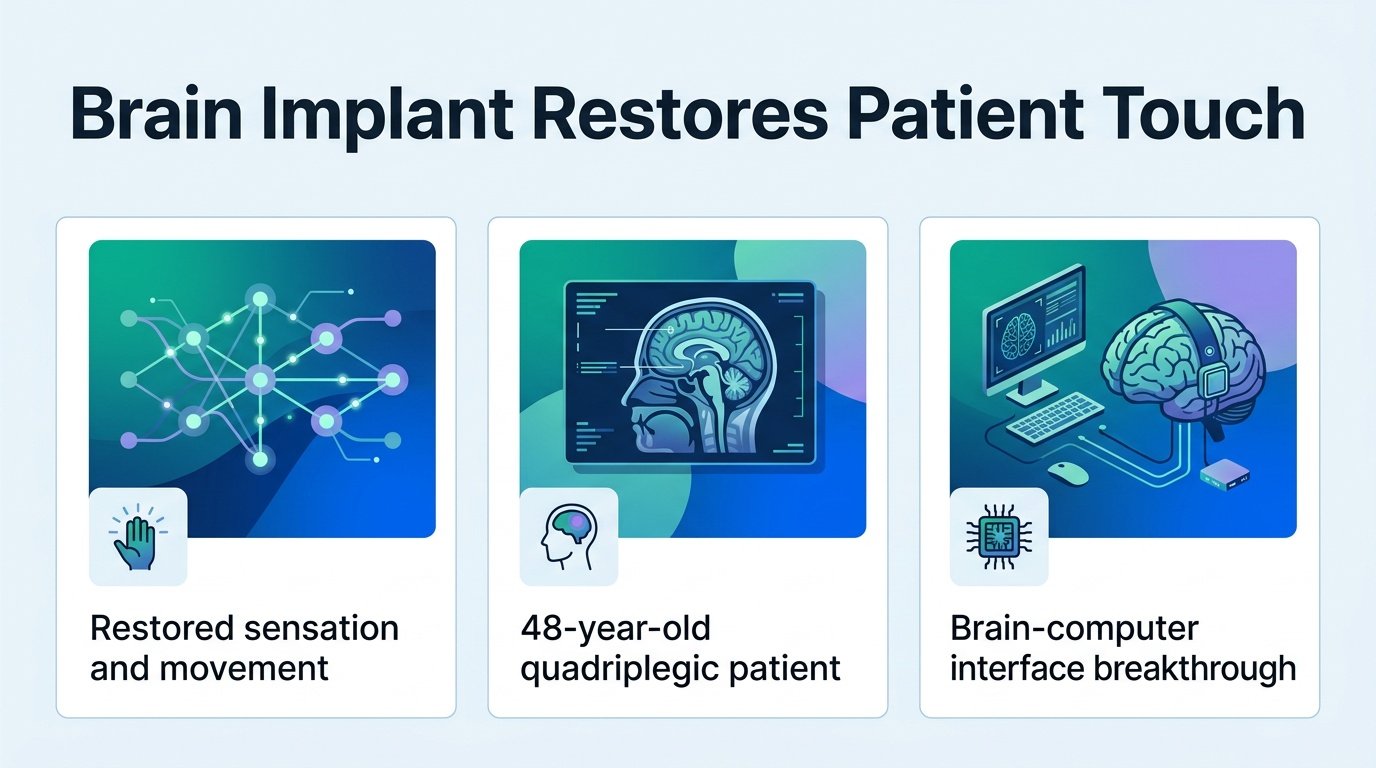
Brain Implants Are Physically Rewiring Damaged Spines
A new brain-computer interface does more than bypass spinal cord injuries; it might actually help heal them.

A new brain-computer interface does more than bypass spinal cord injuries; it might actually help heal them.
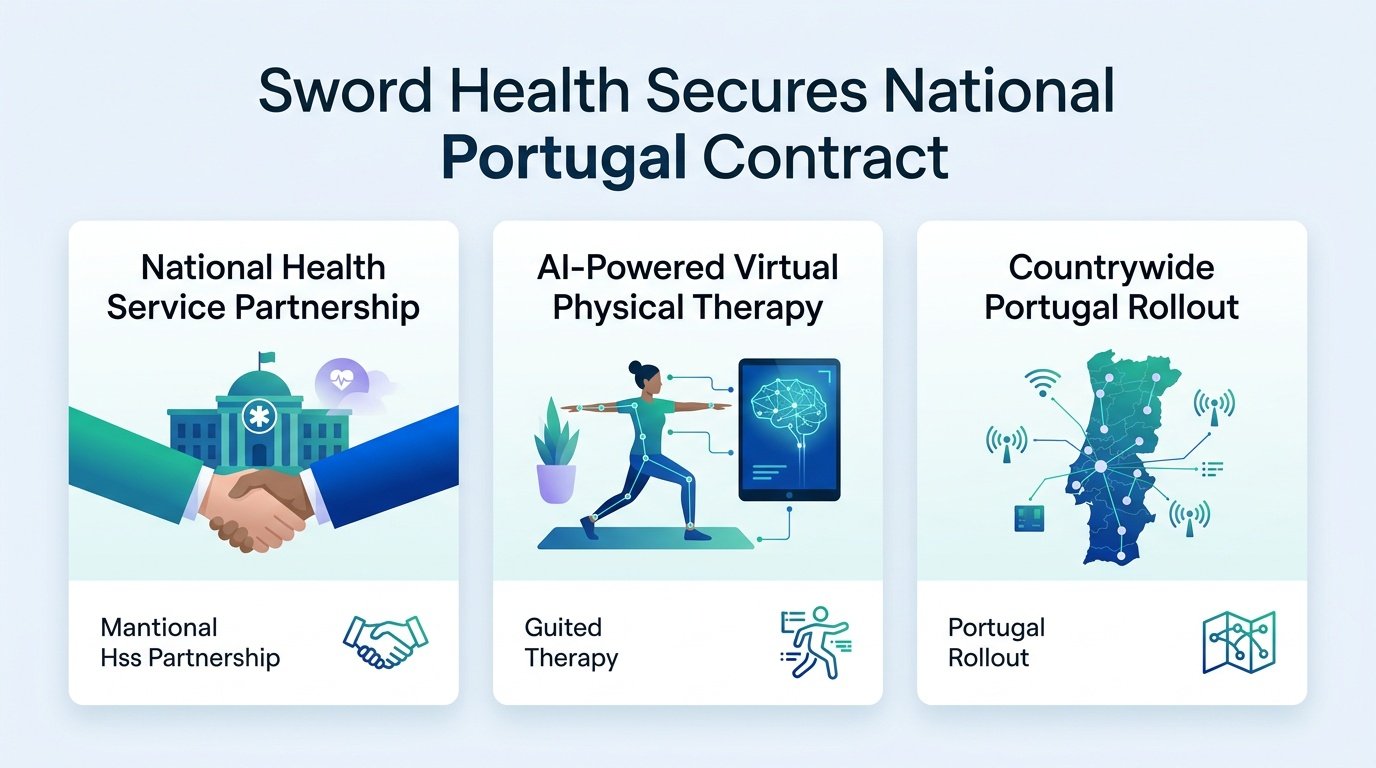
A national health system is handing its musculoskeletal care over to algorithms, setting up a massive test case for automated medicine.
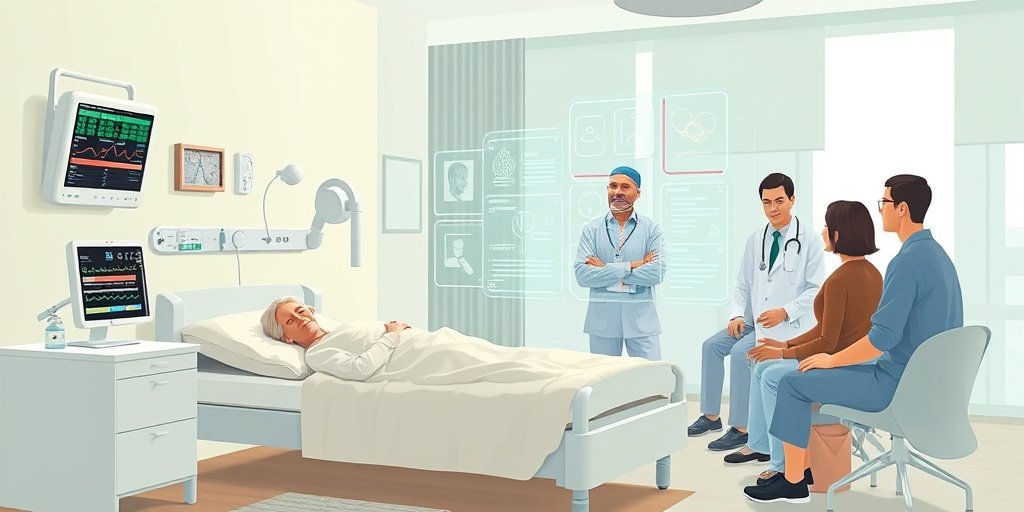
AI in Palliative Care: Ethical Guidelines for Responsible Implementation 🤖💡
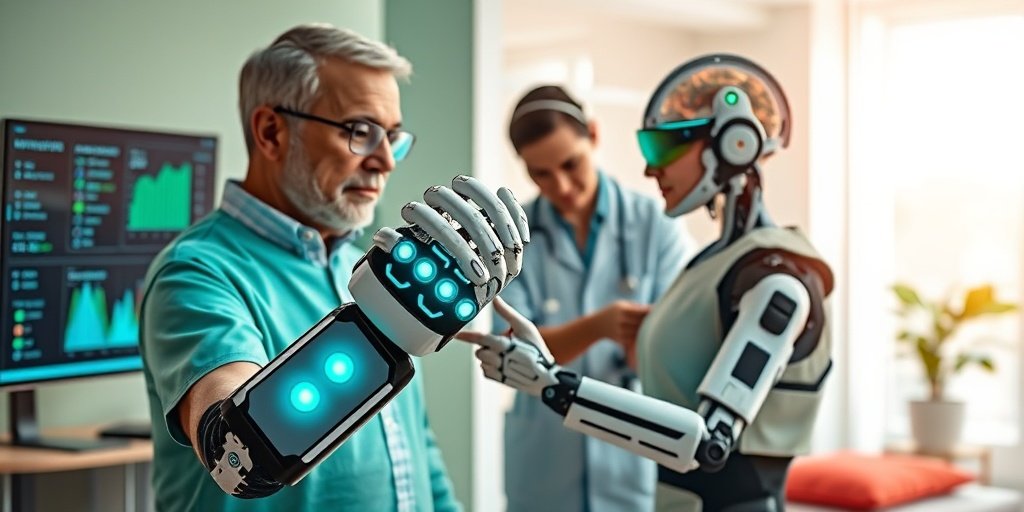
Robotic rehab boosts stroke recovery: improved hand strength, dexterity, and ROM. Key gaps remain in cost and accessibility. 🤖💪
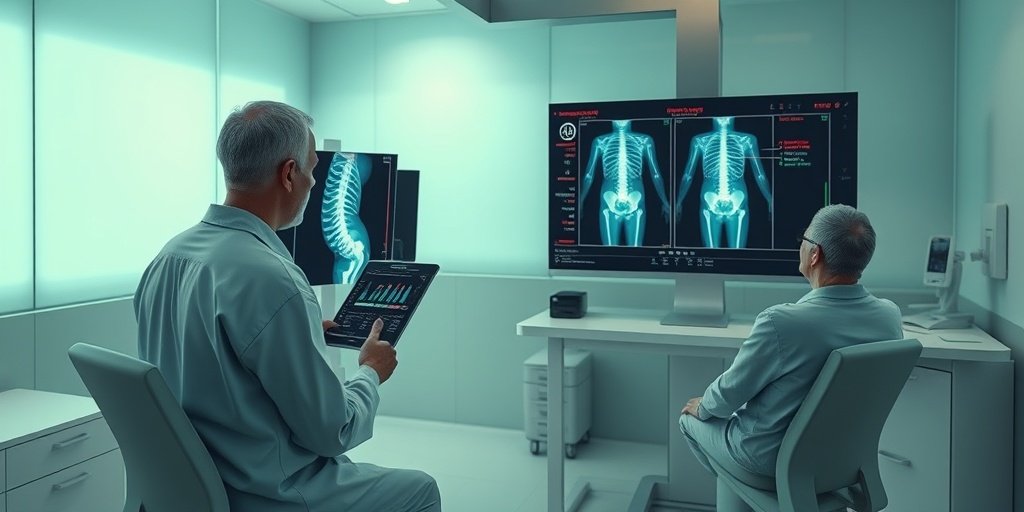
AI in Osteoporosis Detection: YOLOv4 achieves 78.1% accuracy for osteoporosis classification and 68.3% for fractures. 📊🦴
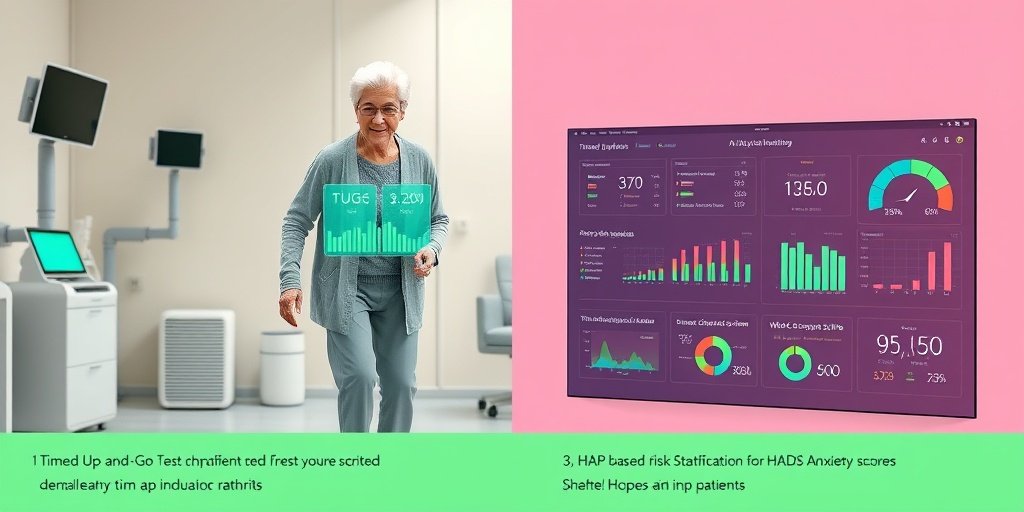
Personalized fall fear prediction in knee osteoarthritis: 541 patients, 0.8842 F1 score, 0.9451 AUC. Key risk factors identified! 📊👩⚕️
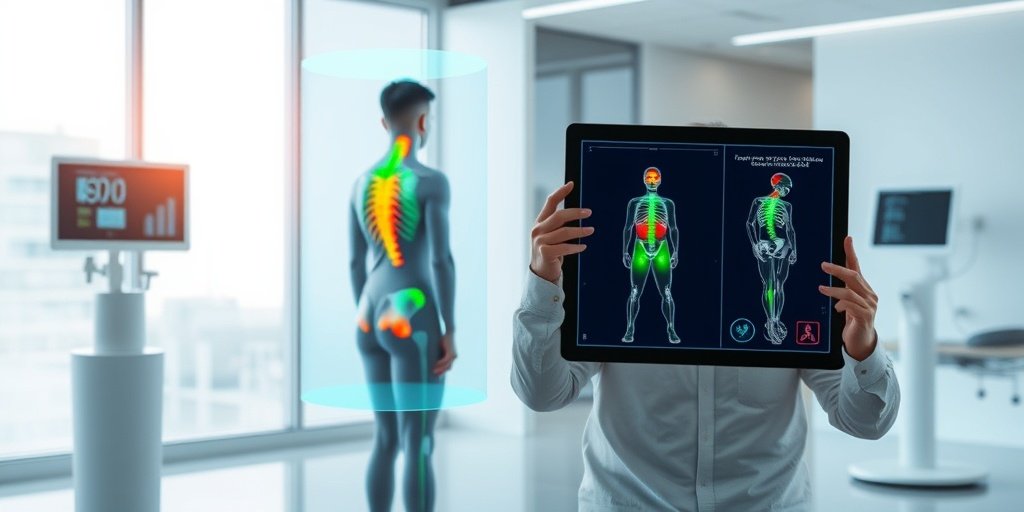
AI revolutionizes postural management: precise detection, real-time feedback, and personalized interventions. Challenges remain in clinical validation and usability. 🤖📏
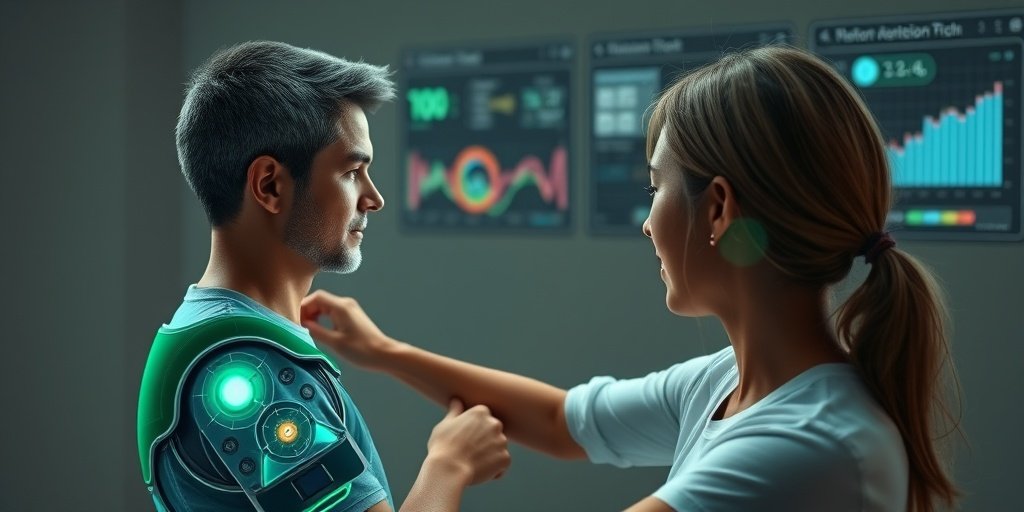
AI & Wearable Tech Transforming Upper Limb Neurorehabilitation: 51 Studies Reviewed 📊🤖

Health tech suppliers predict significant advancements in NHS technology by 2026, focusing on AI integration, patient-centered care, and improved data management. 🏥💻
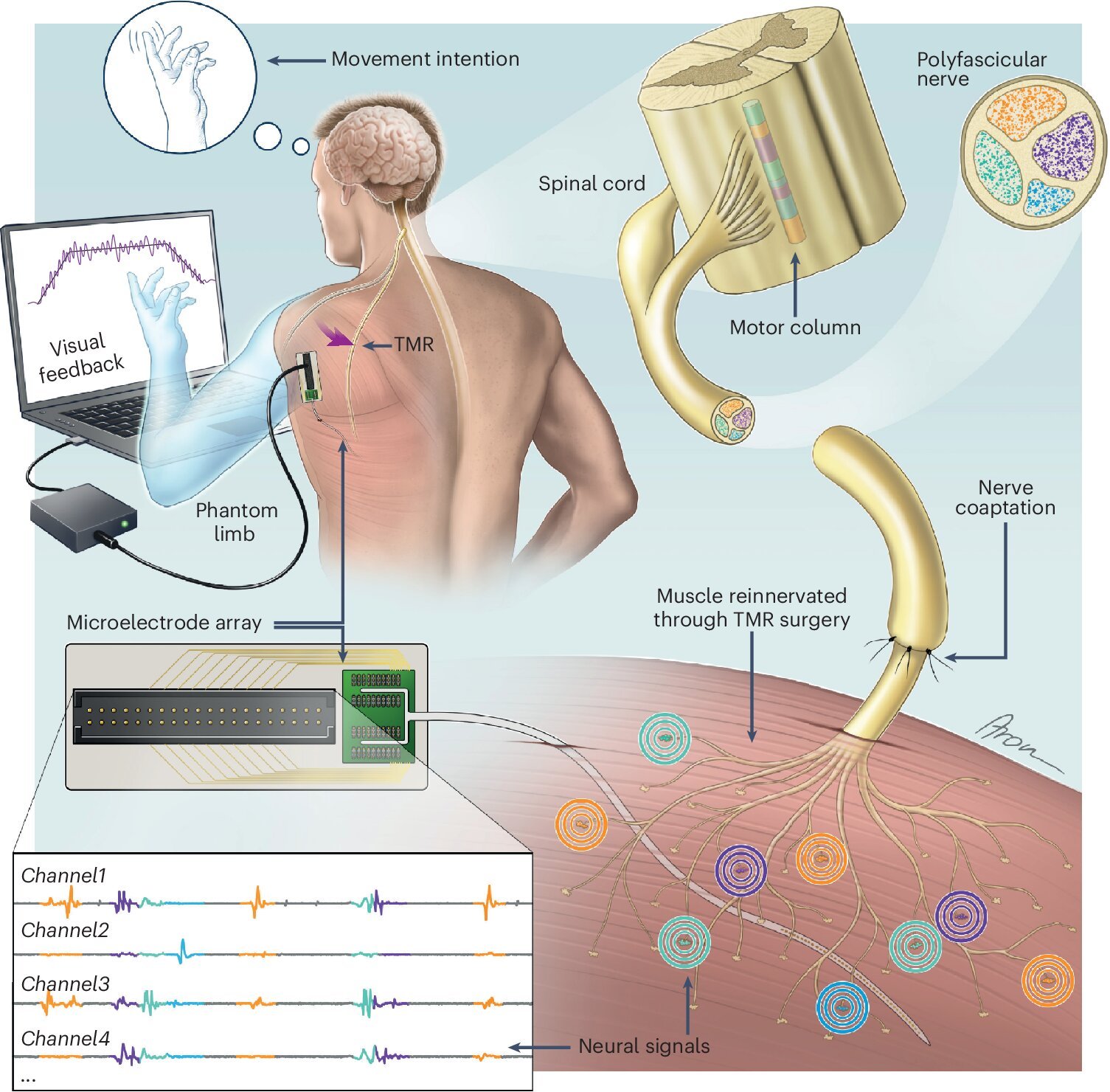
New method enables precise control of bionic prostheses using nerve signals. Promising advancements for amputees. 🤖🦾