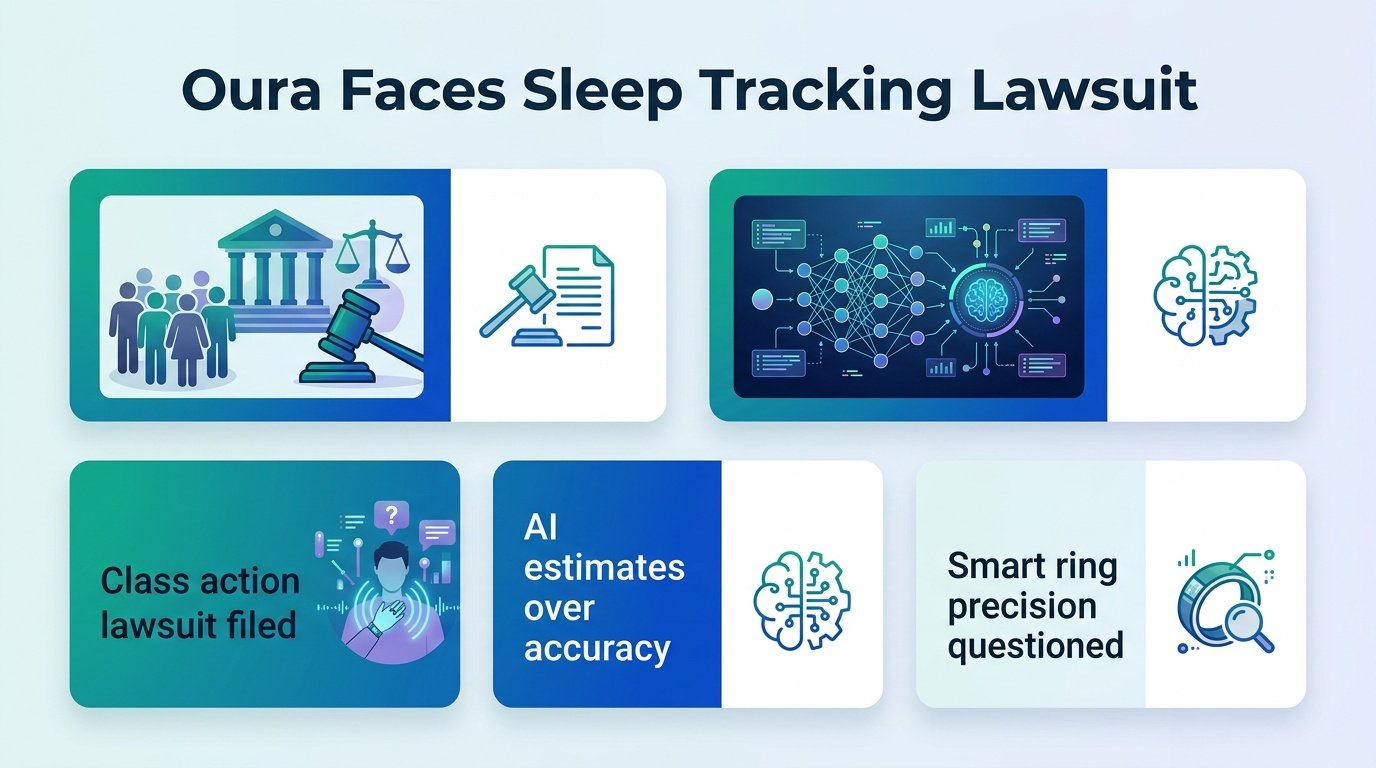
Oura Lawsuit Exposes Wearable Accuracy Gap
A class-action lawsuit challenging Oura’s sleep-tracking claims exposes the fragile boundary between consumer wellness gadgets and clinical medical devices.

A class-action lawsuit challenging Oura’s sleep-tracking claims exposes the fragile boundary between consumer wellness gadgets and clinical medical devices.
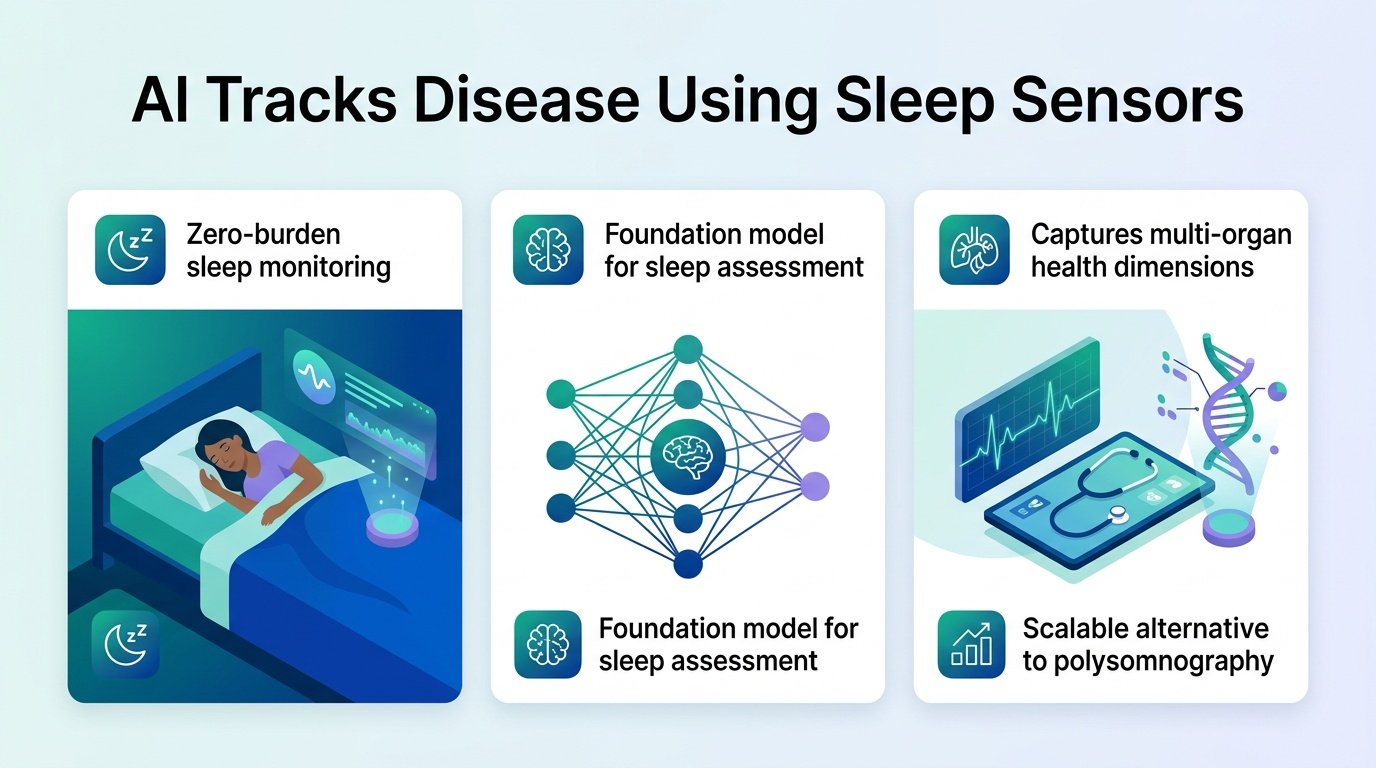
A new foundation model proves that simple heart and breathing signals recorded during sleep can predict complex brain and heart diseases.
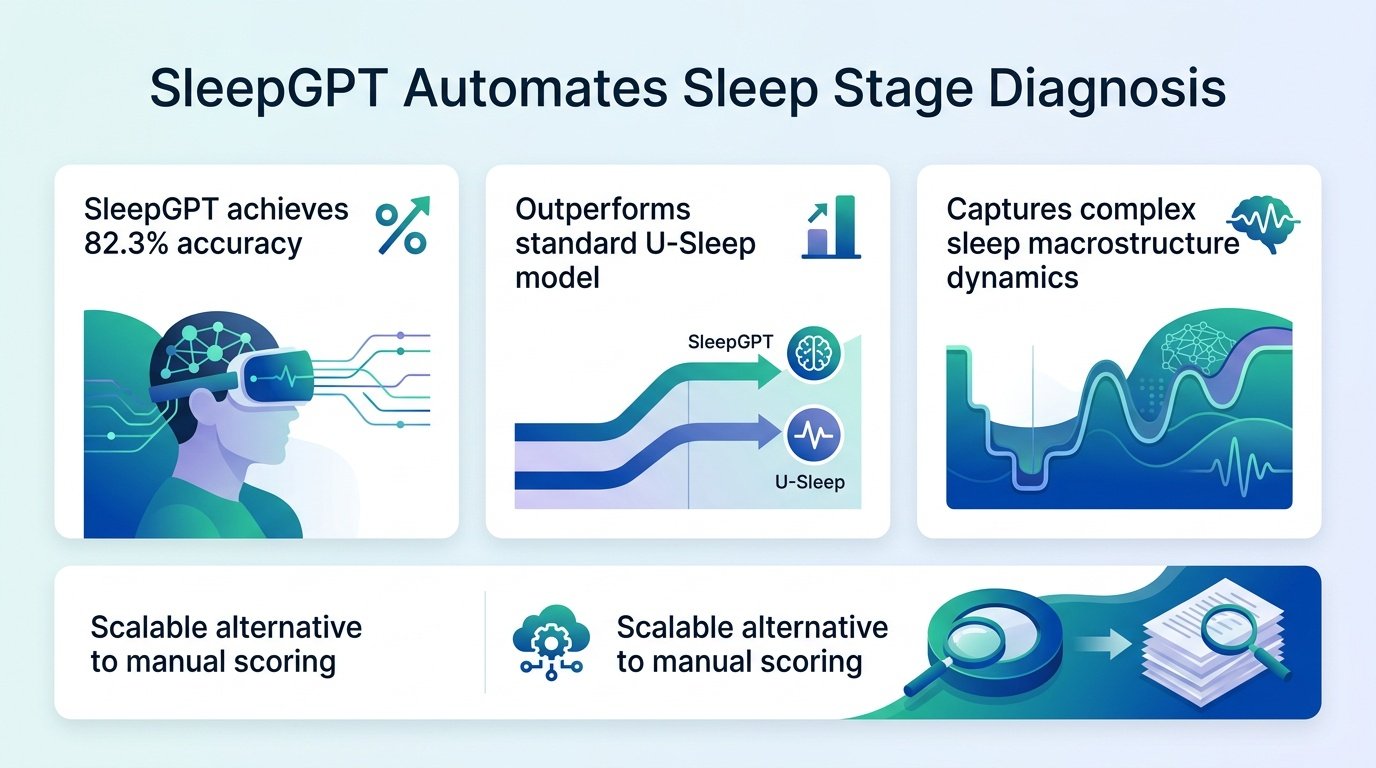
By analyzing the grammar of sleep stages rather than raw brainwaves, a new AI bypasses the need for expensive clinical hardware.
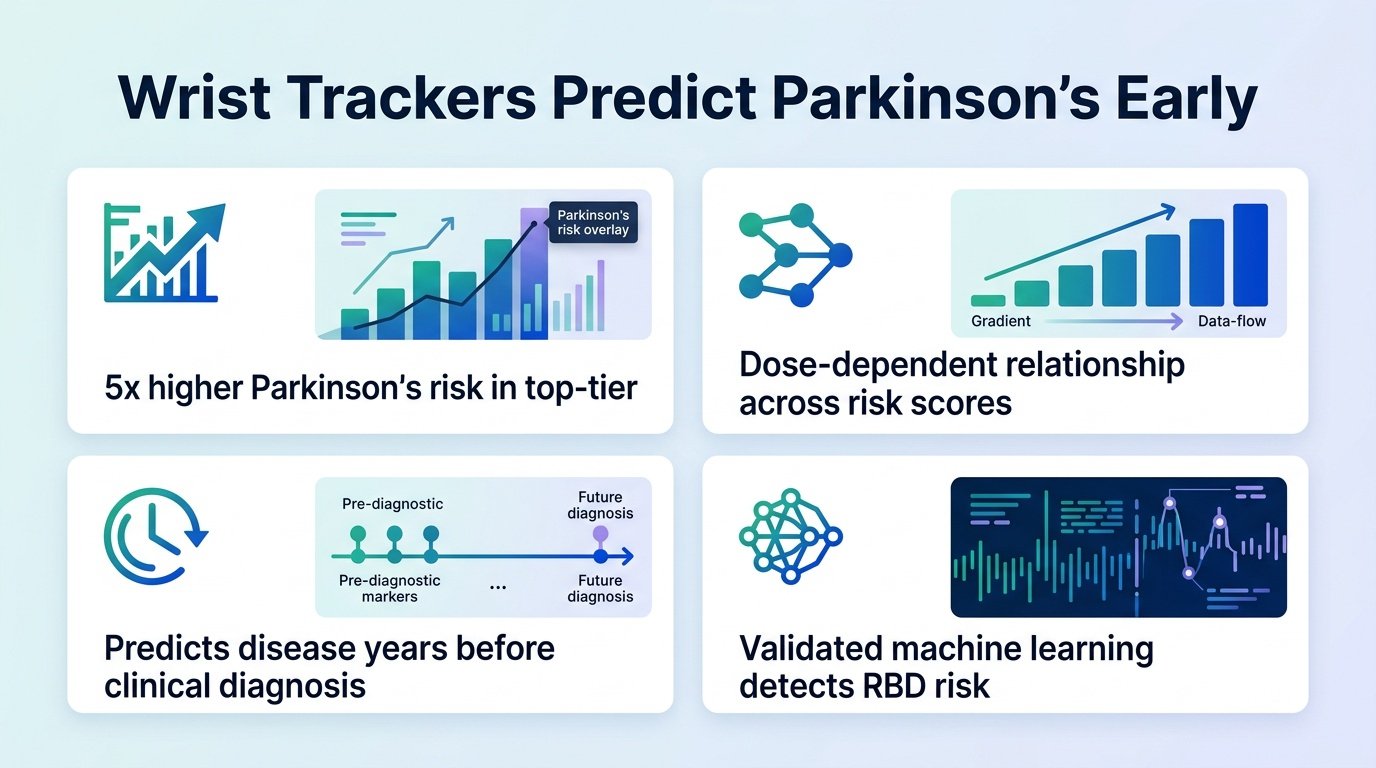
A new analysis of wearable data shows that tracking how we move during sleep can flag Parkinson’s risk a decade before clinical symptoms appear.
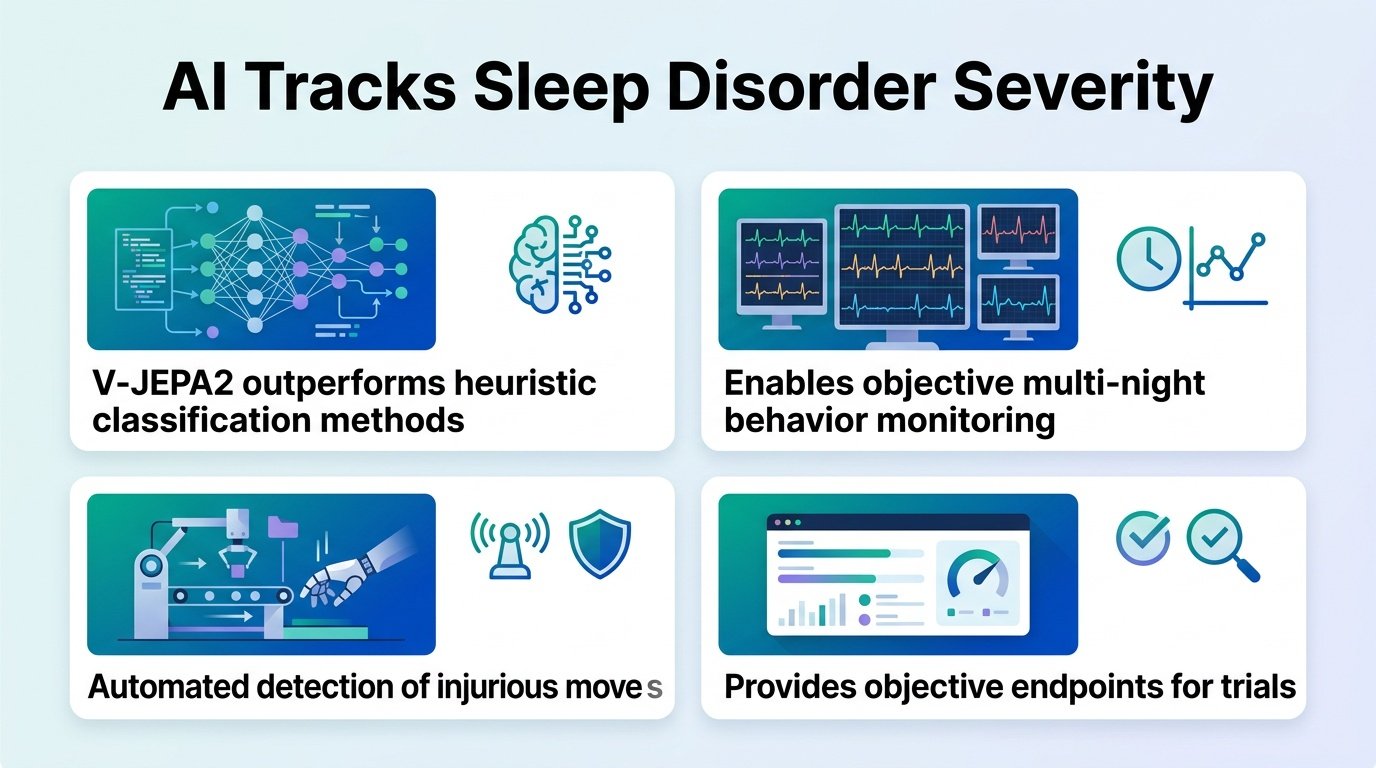
A new study shows video foundation models can grade violent sleep movements, but their tendency to overestimate severity reveals the limits of clinical AI.
Evaluating ChatGPT-5 & Grok-4 in sleep medicine: 92.4% diagnostic accuracy, but limited differential diagnosis performance. 💤📊
Logistic regression model predicts depressive symptoms in sarcopenic adults. AUC 0.794, Brier score 0.065. Key factors identified. 📊🧠
Machine learning refines sleep appraisal: PANSAM-14 shows R² scores up to 0.95 for predictive accuracy. 💤📊
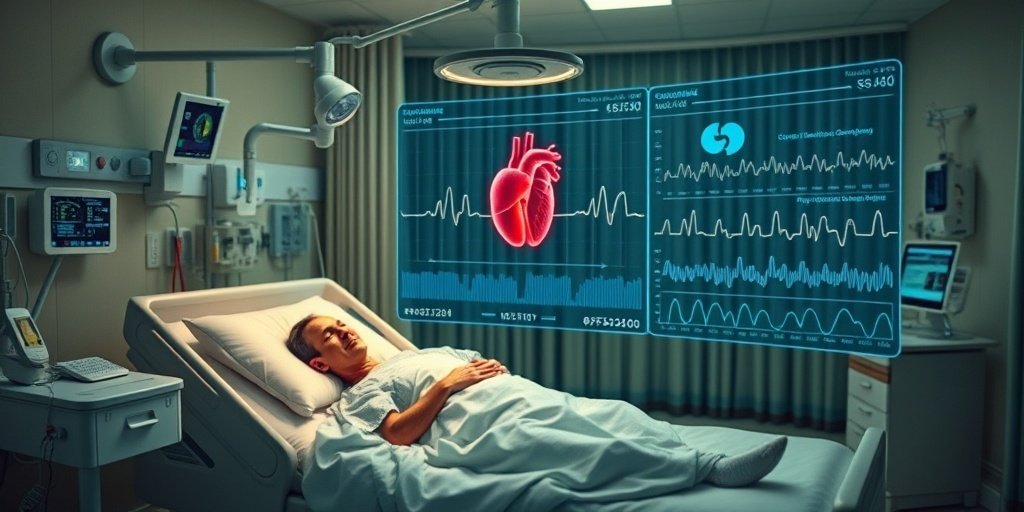
Non-contact video technology analyzes cardiopulmonary coupling, linking heartbeats and breathing for insights on health and sleep quality. 🫀💤
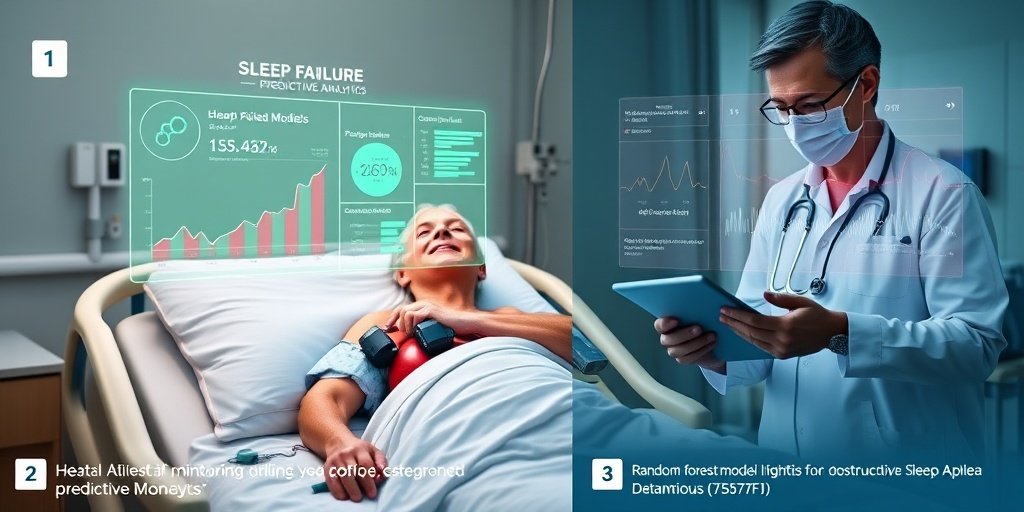
Predicting OSA in HFpEF patients: RF model shows 0.974 AUC accuracy! 🤖💤 Key insights from PubMed study.