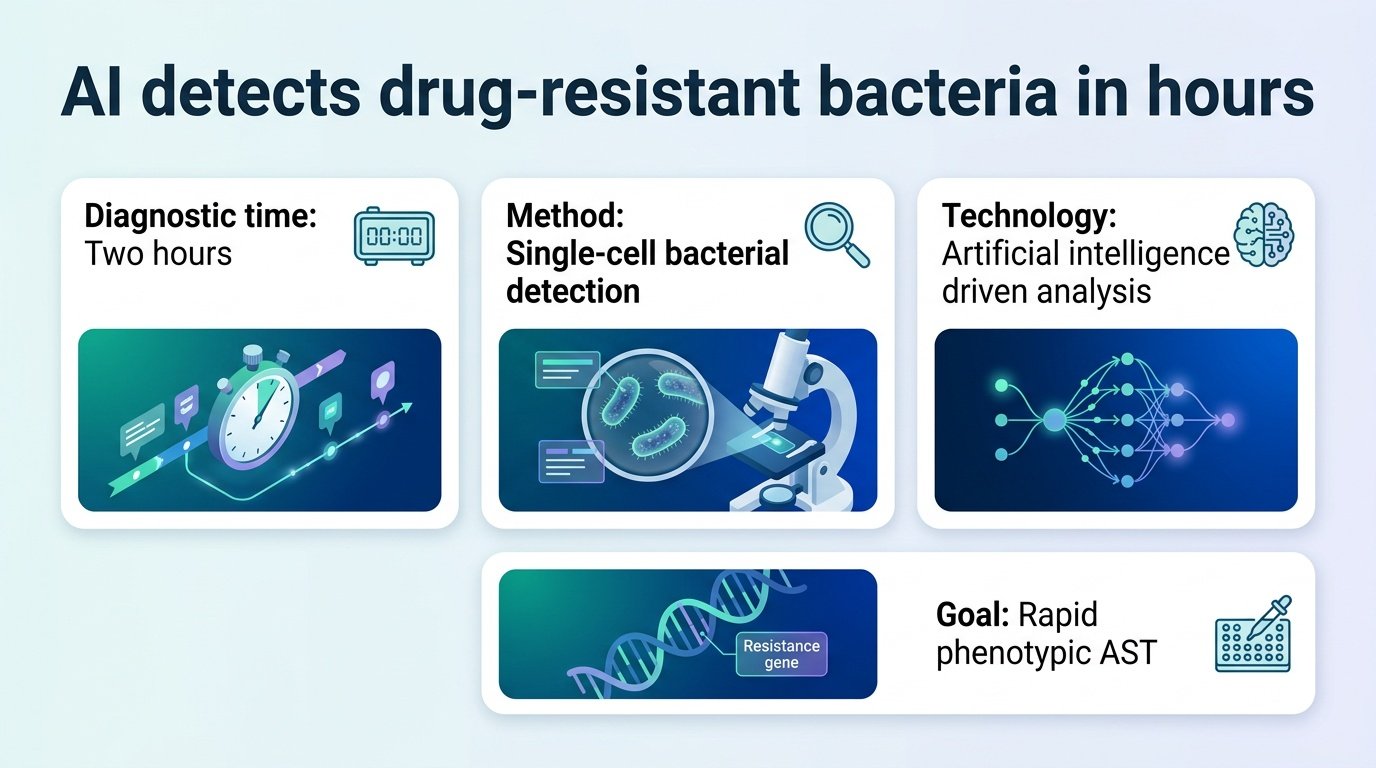
AI identifies drug-resistant bacteria in two hours
A new microfluidic AI platform cuts bacterial resistance testing down to two hours, challenging the slow timelines of traditional lab cultures.

A new microfluidic AI platform cuts bacterial resistance testing down to two hours, challenging the slow timelines of traditional lab cultures.
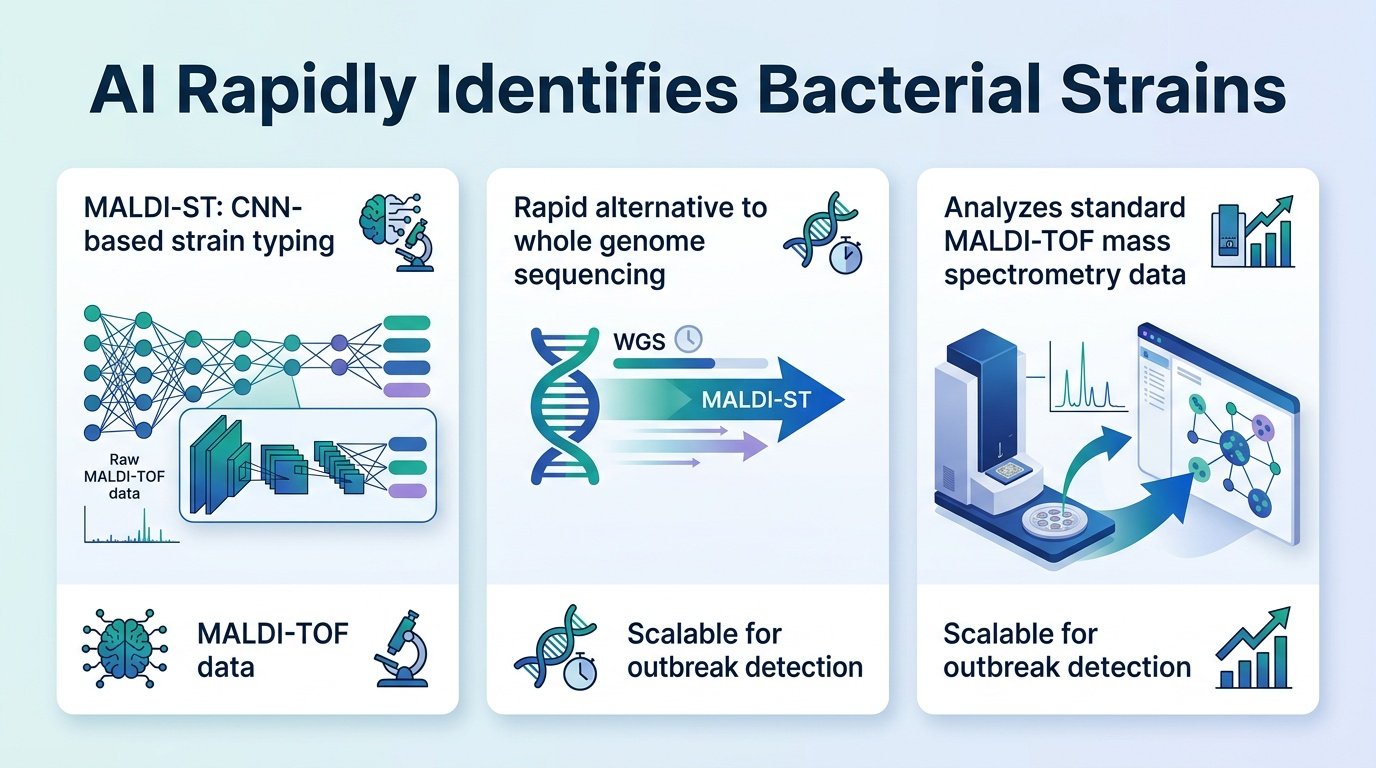
A new deep learning model bypasses slow genetic sequencing to identify dangerous bacterial strains in minutes, but instrument variation stands in the way of global deployment.
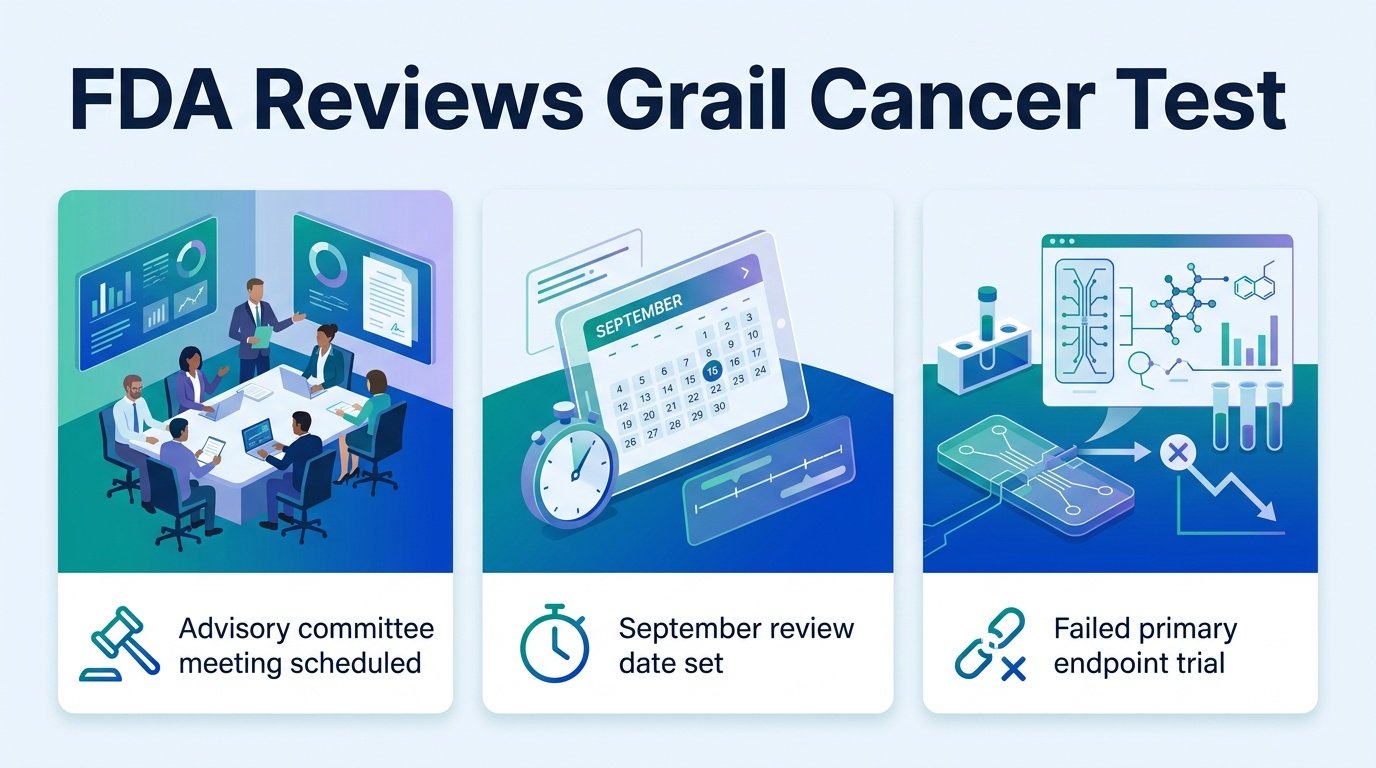
Regulators are forcing a public reckoning over whether marginal cancer screening benefits justify the risks of widespread adoption.
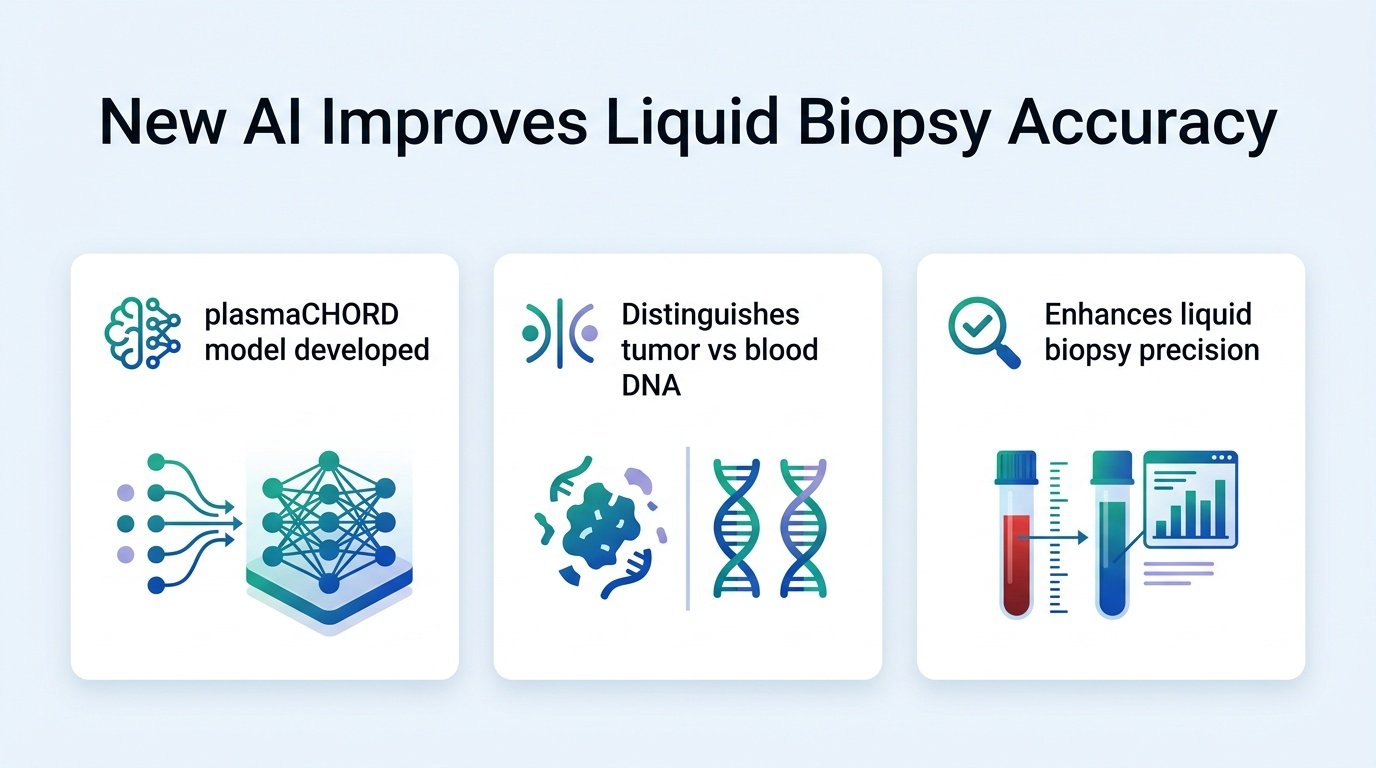
A new machine learning model tackles the biological noise threatening to derail non-invasive cancer testing.
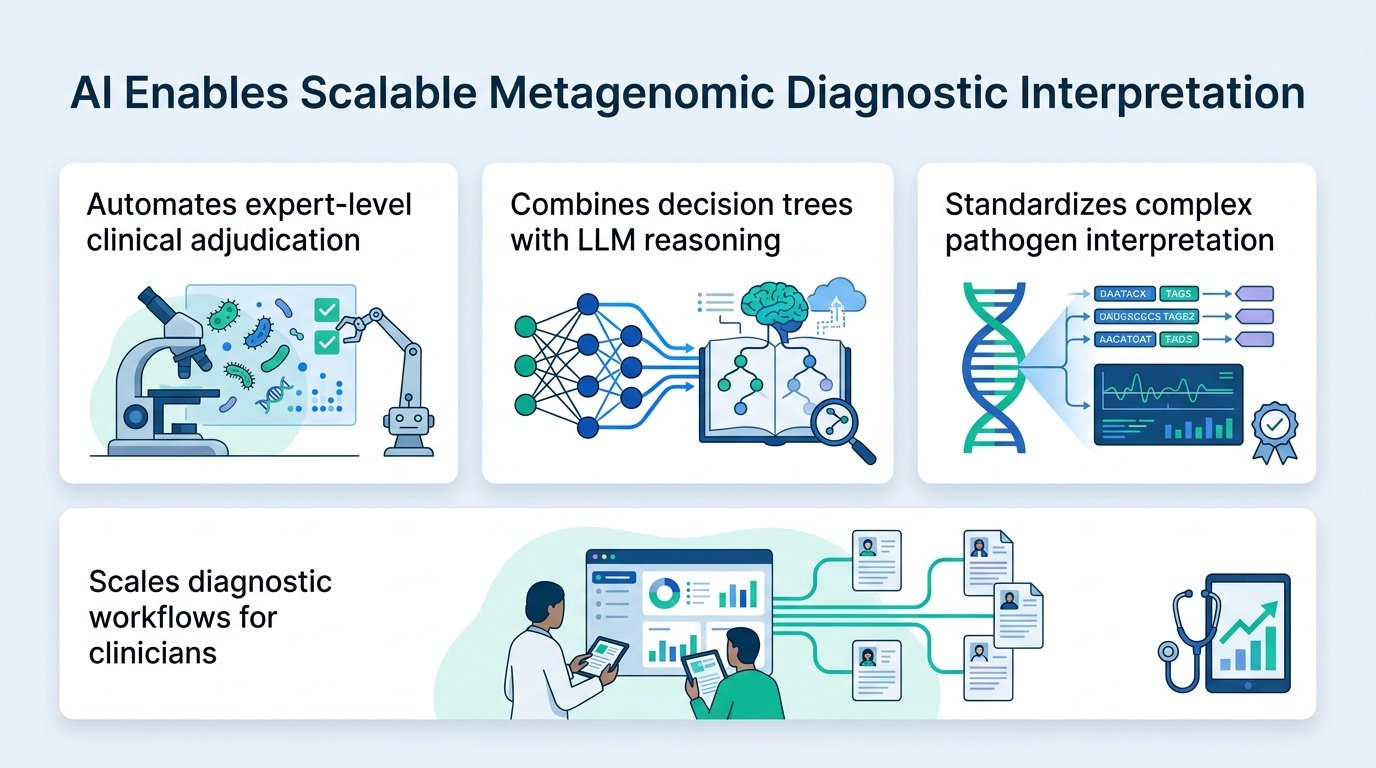
A new study shows that local language models can analyze complex genomic data just as accurately as panels of medical experts.
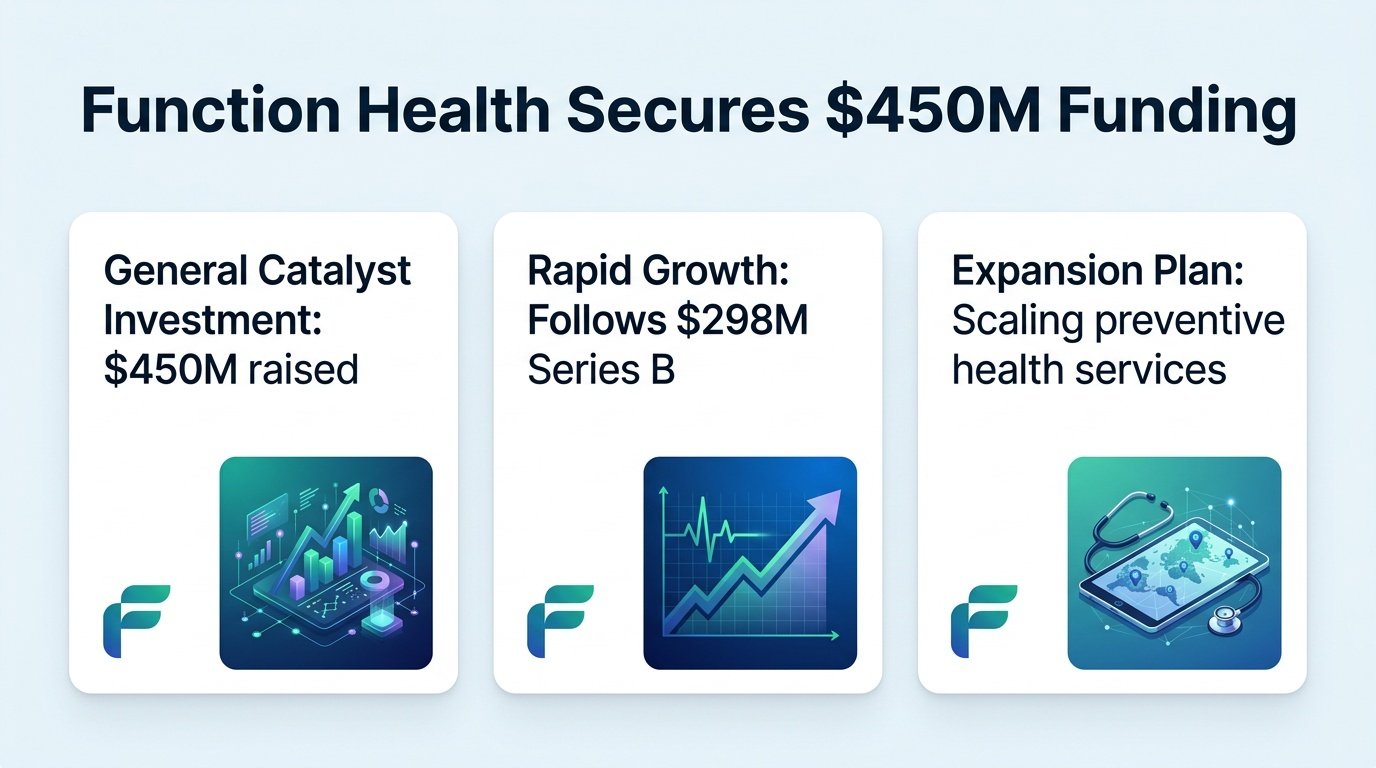
A massive new capital injection proves that venture capital is bypassing traditional doctors to sell health tracking directly to anxious consumers.
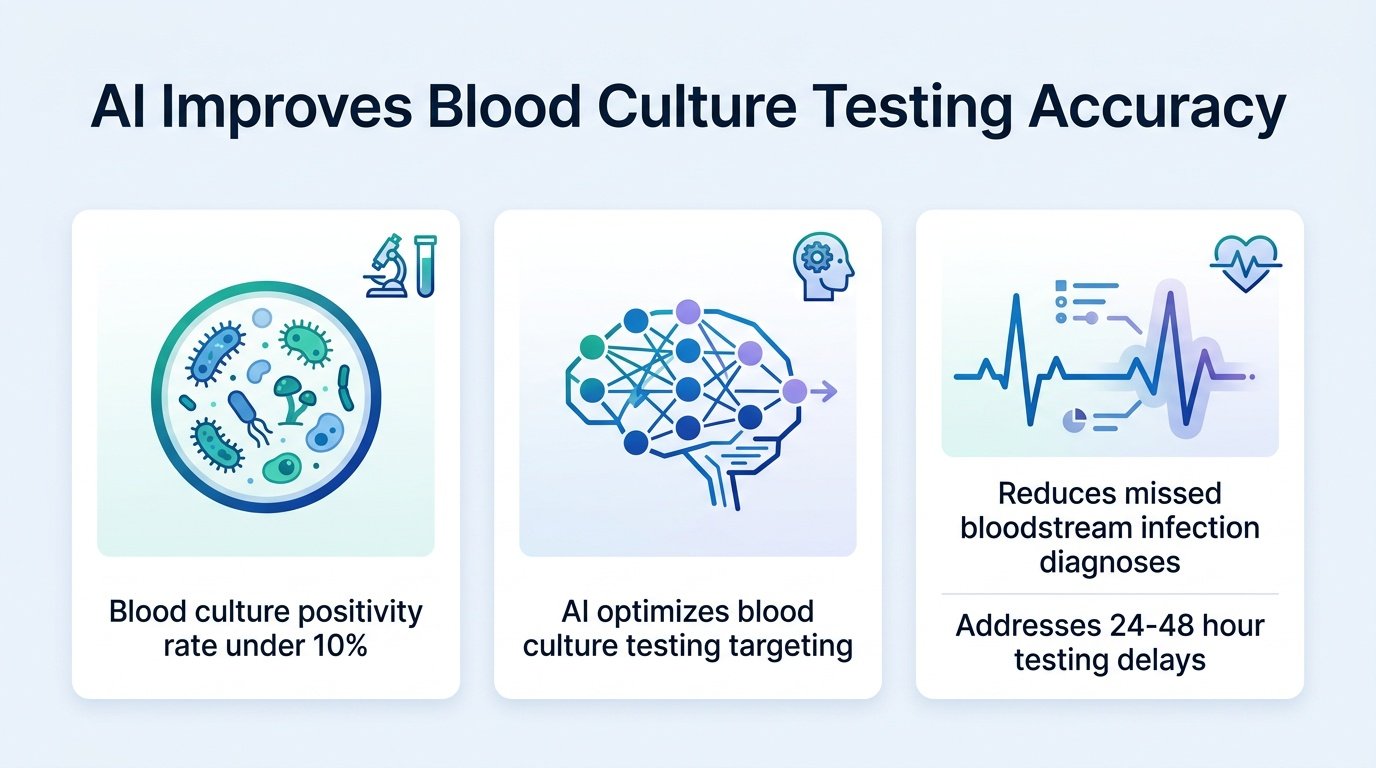
Hospitals waste millions of blood culture tests on low-risk patients while missing critical infections, but a new machine learning model shows we can find more cases without running a single extra test.
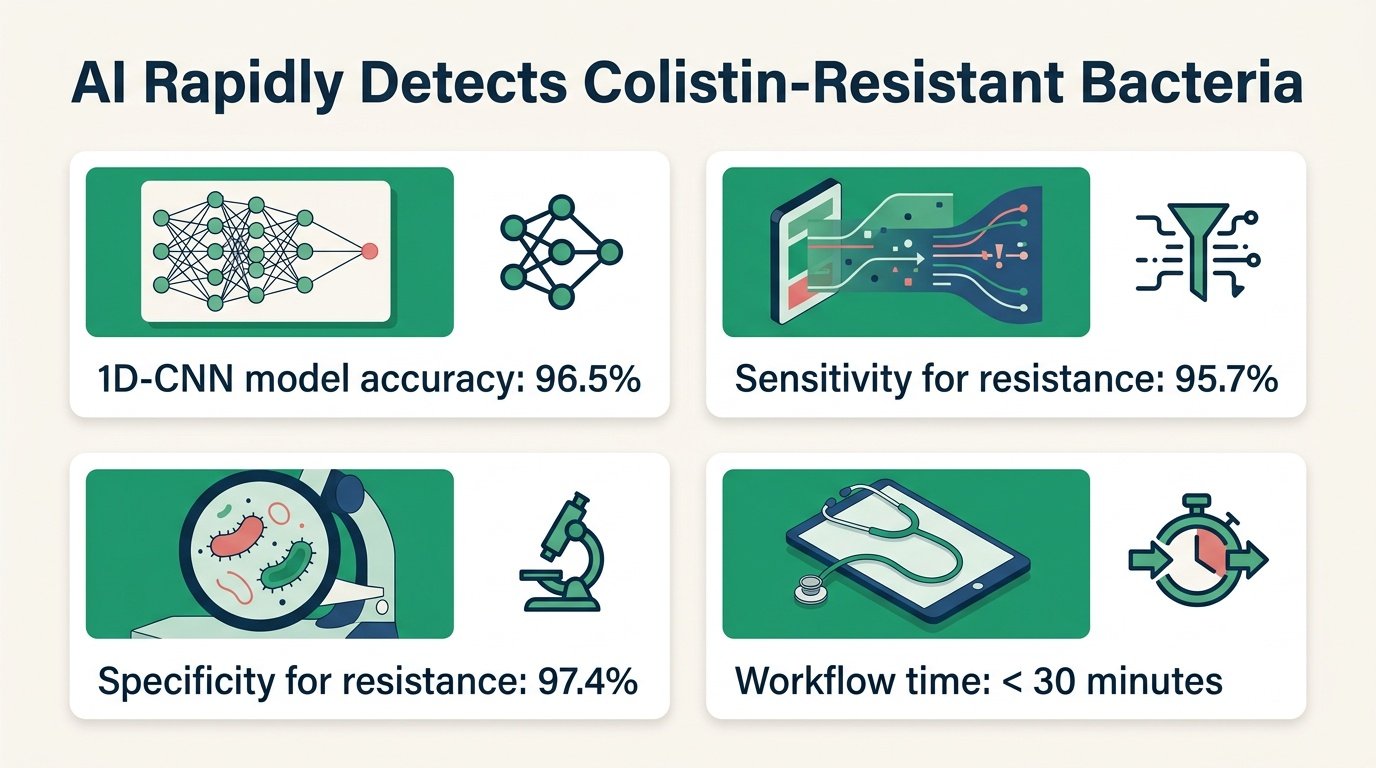
A new machine learning workflow cuts the detection time for superbugs from days to sixty minutes, shifting the battle against drug-resistant hospital infections.
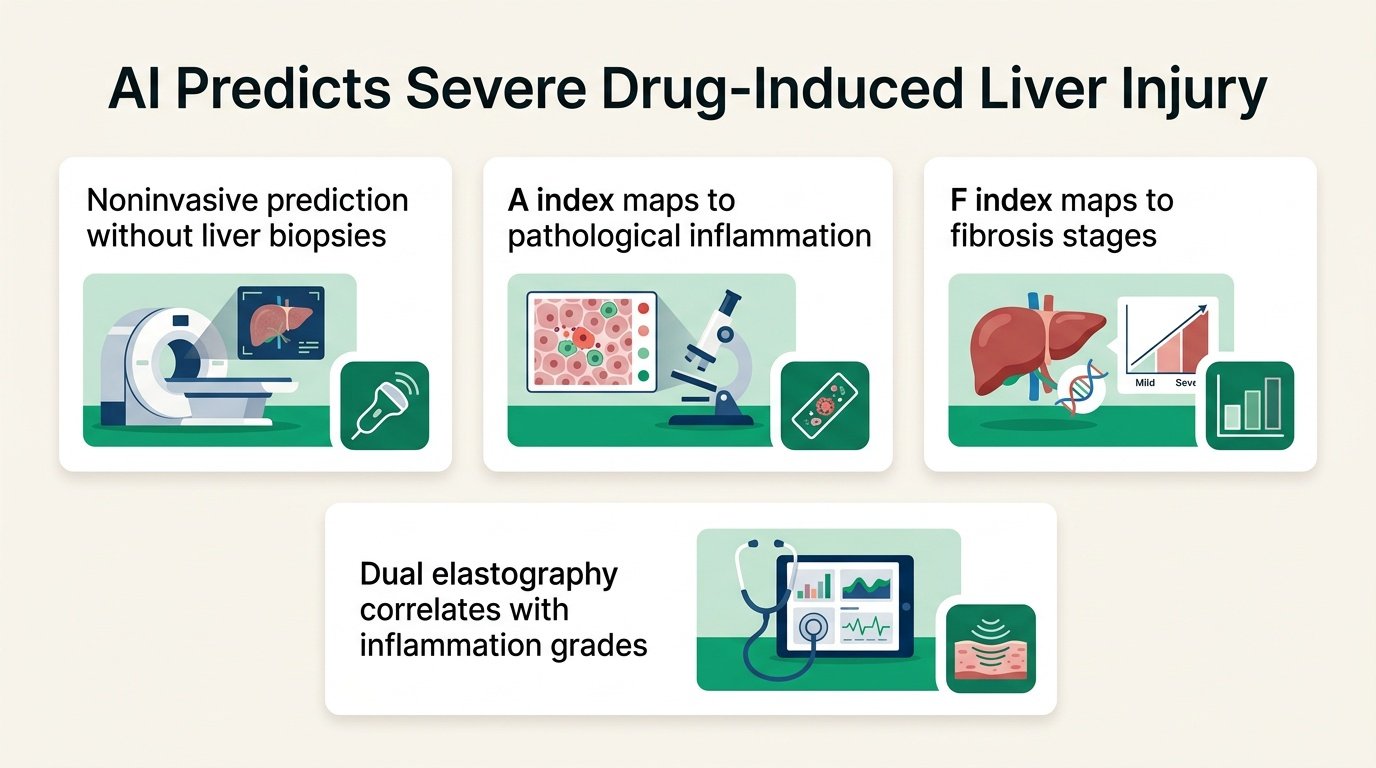
A new machine learning model uses dual ultrasound measurements to identify severe liver damage, offering a way to bypass painful and risky biopsies.
AI-Driven Coronary Plaque Analysis: 19.1% Risk Reduction in CAD with Targeted LDL-C Therapy 📉💔