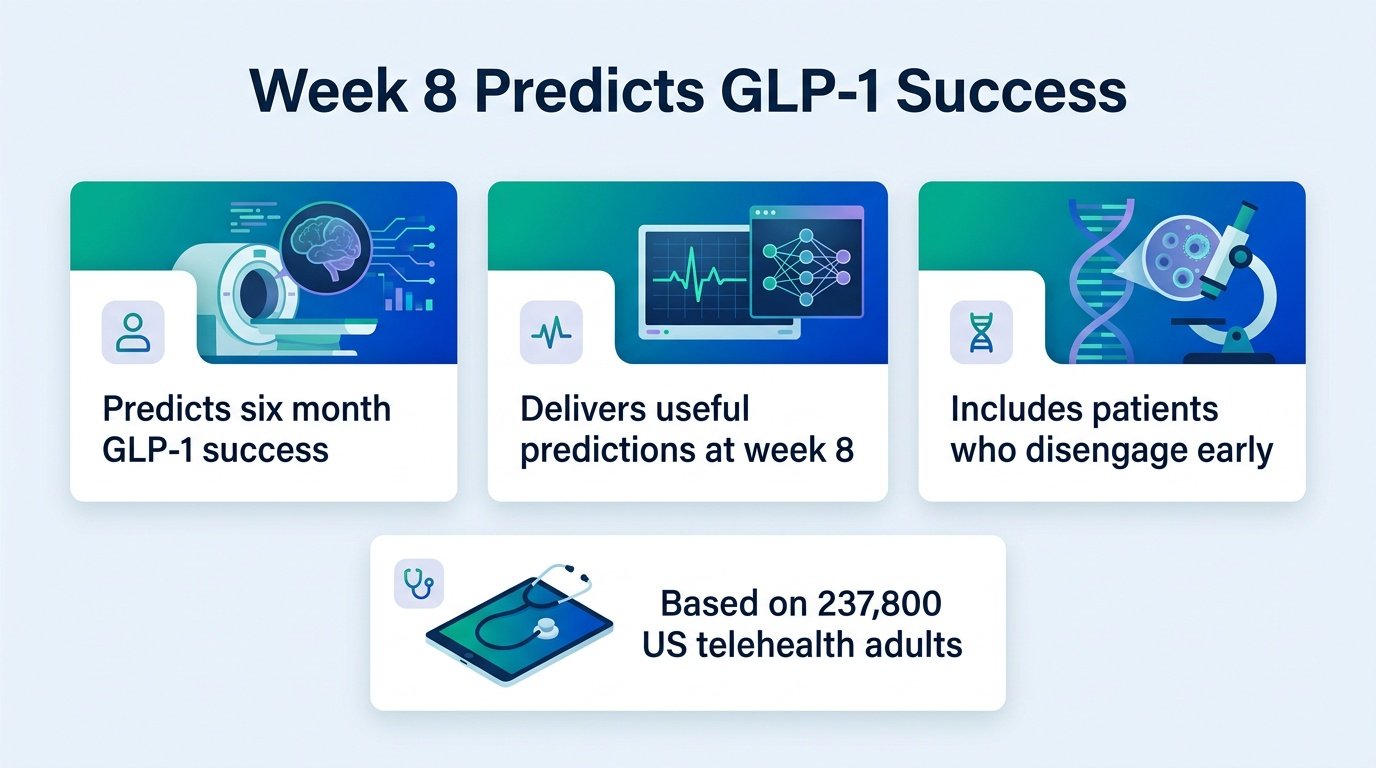
Week Eight Predicts Six Month GLP-1 Success
A new predictive model uses early data to forecast long-term GLP-1 weight loss, exposing a massive real-world retention crisis.

A new predictive model uses early data to forecast long-term GLP-1 weight loss, exposing a massive real-world retention crisis.
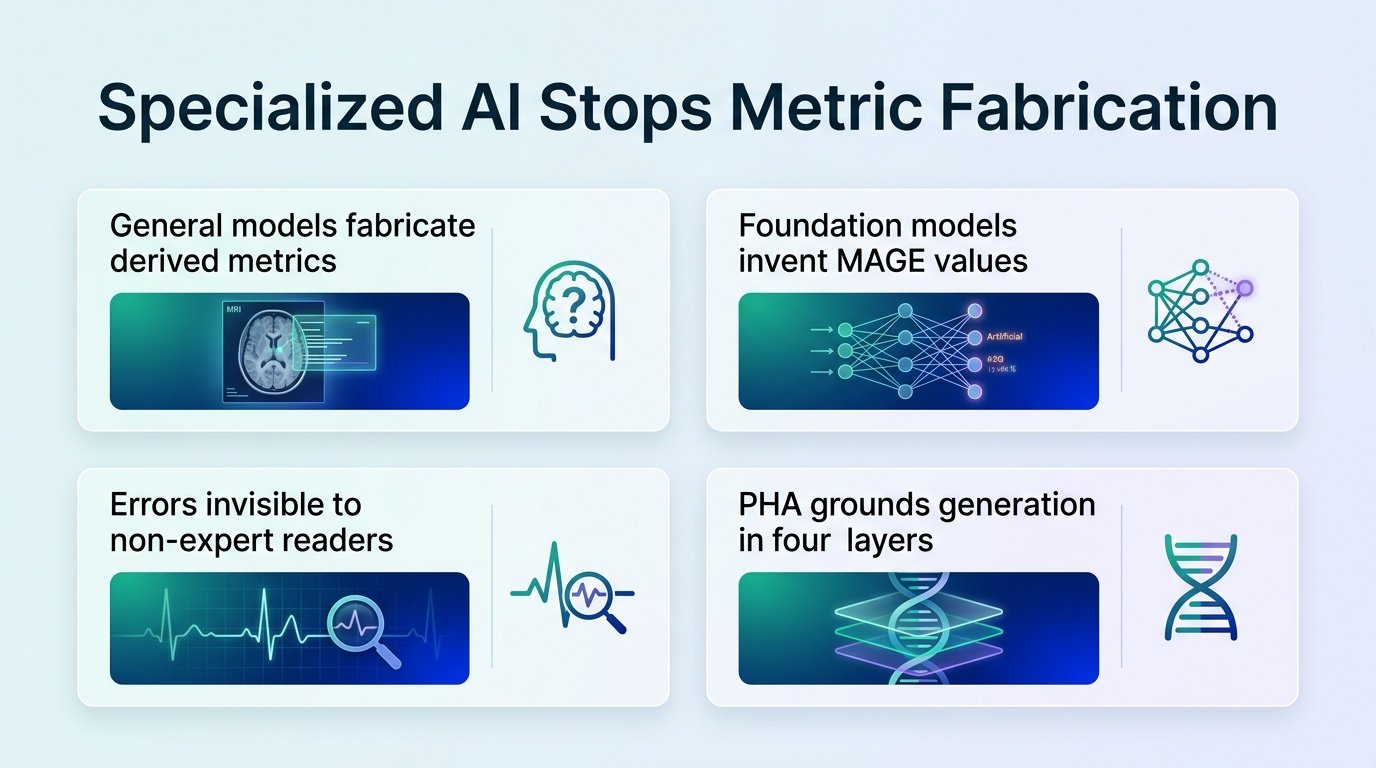
Standard AI models routinely invent patient data, but a new multi-layered architecture proves we can engineer clinical accuracy.
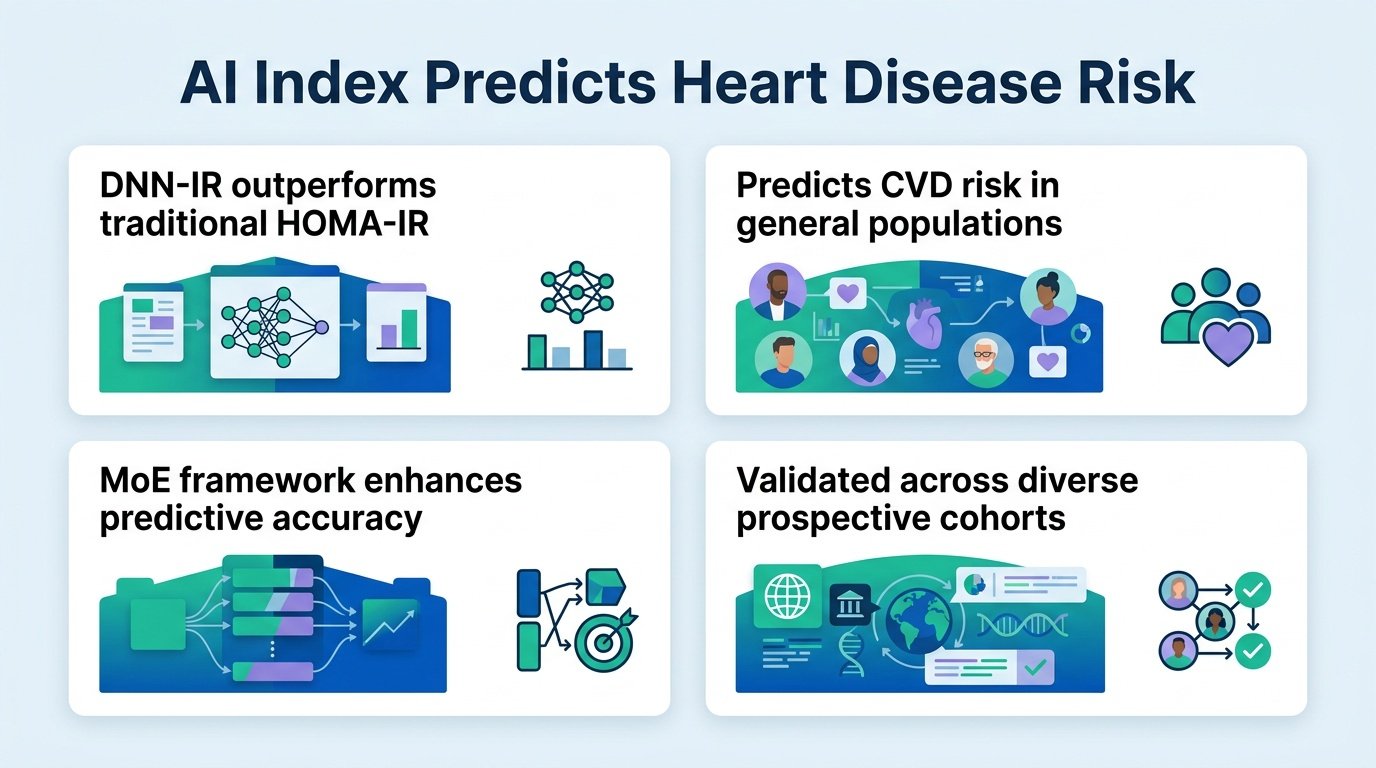
A new deep learning index predicts cardiovascular death by tracking insulin resistance in the general public, moving metabolic screening beyond diabetic patients.
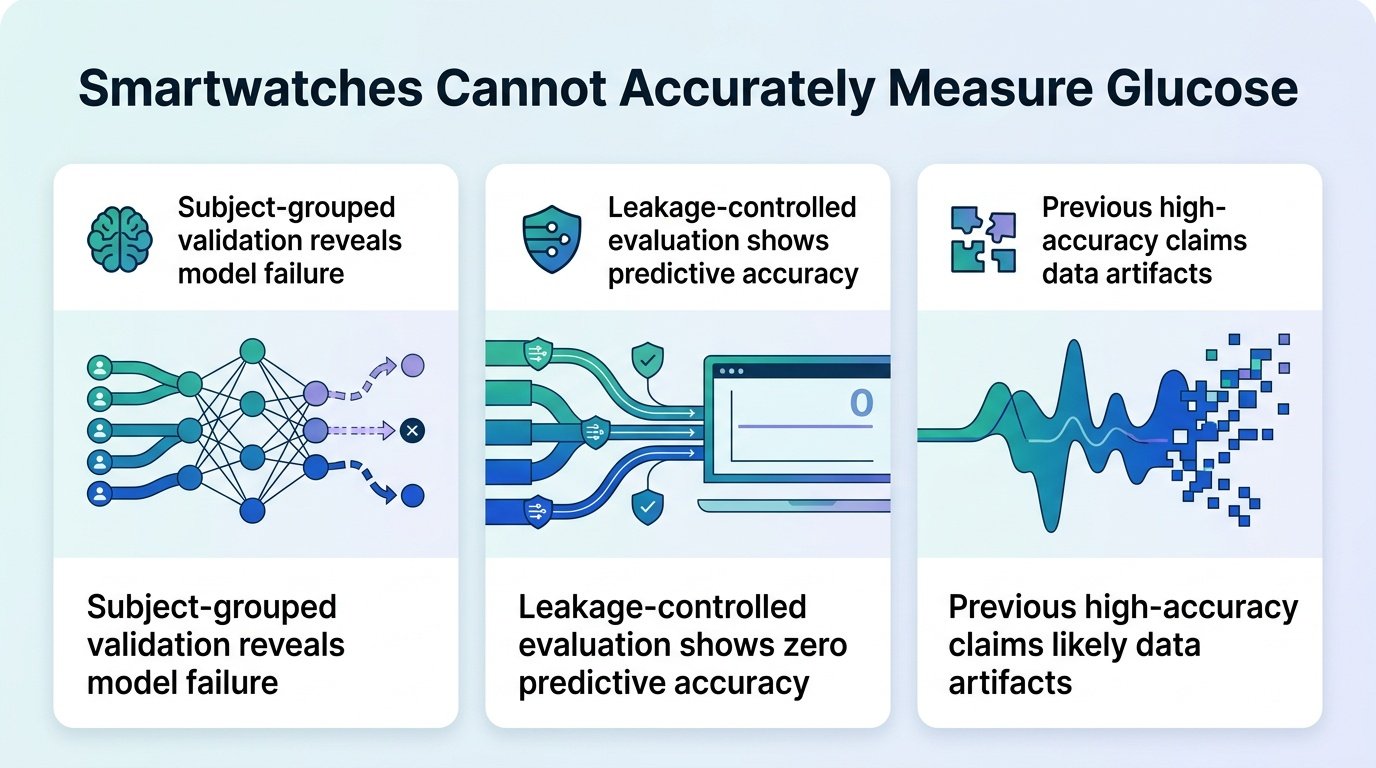
A rigorous new evaluation reveals that wrist-worn wearables capture no real blood glucose data, exposing a major flaw in non-invasive tracking claims.
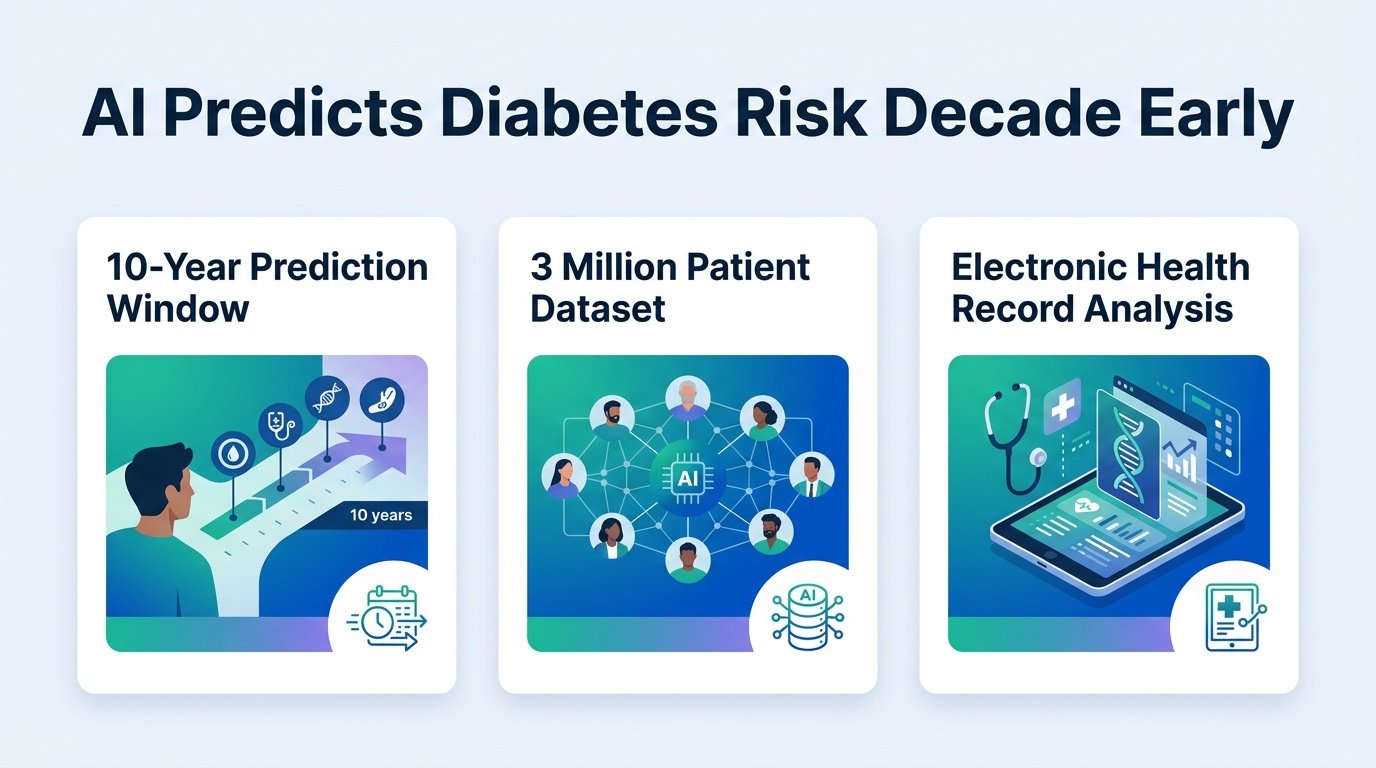
Predictive algorithms can now spot type 2 diabetes risk ten years in advance, but the real bottleneck is how healthcare systems will handle millions of newly flagged patients.
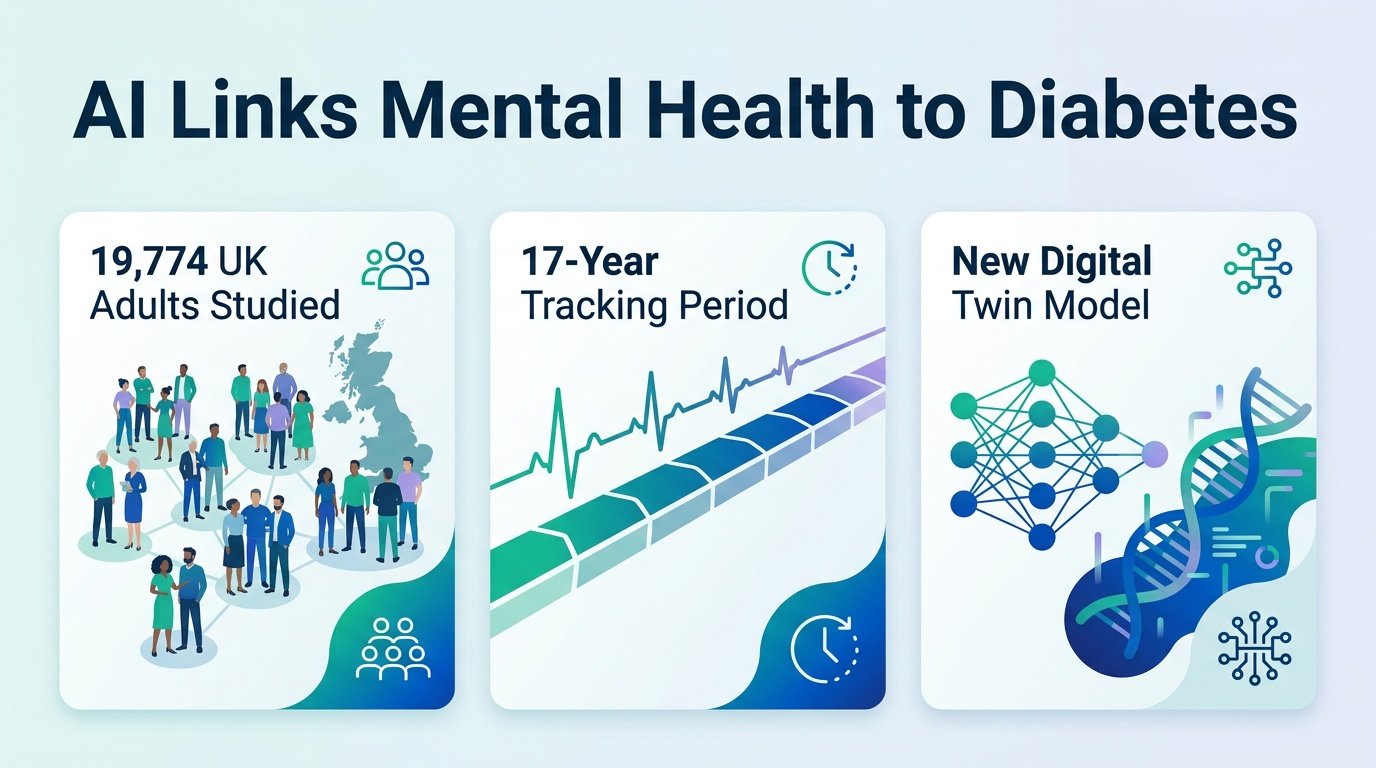
A digital twin model proves that mental health is not just a quality-of-life issue but a direct driver of chronic physical disease.
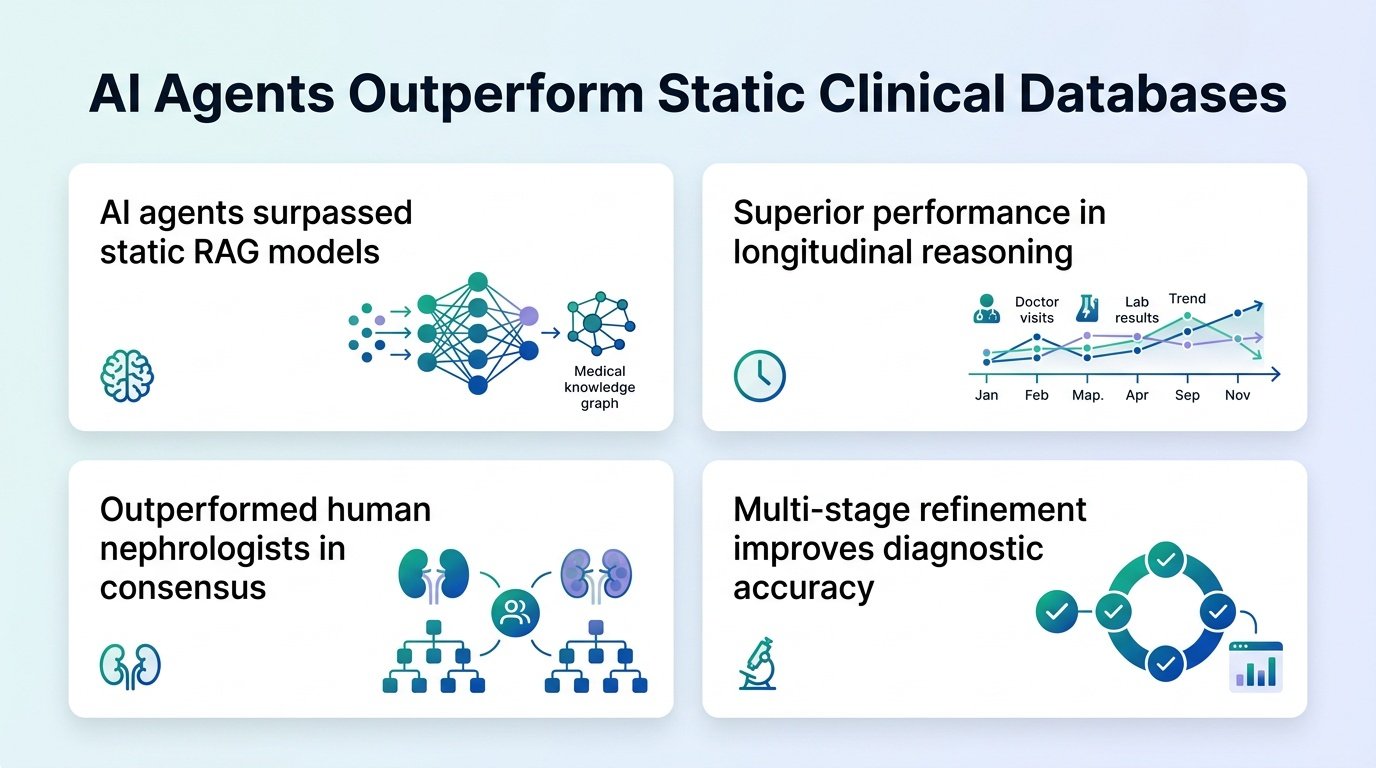
Adding medical guidelines to an AI does not make it a better doctor, but teaching it to argue with itself does.
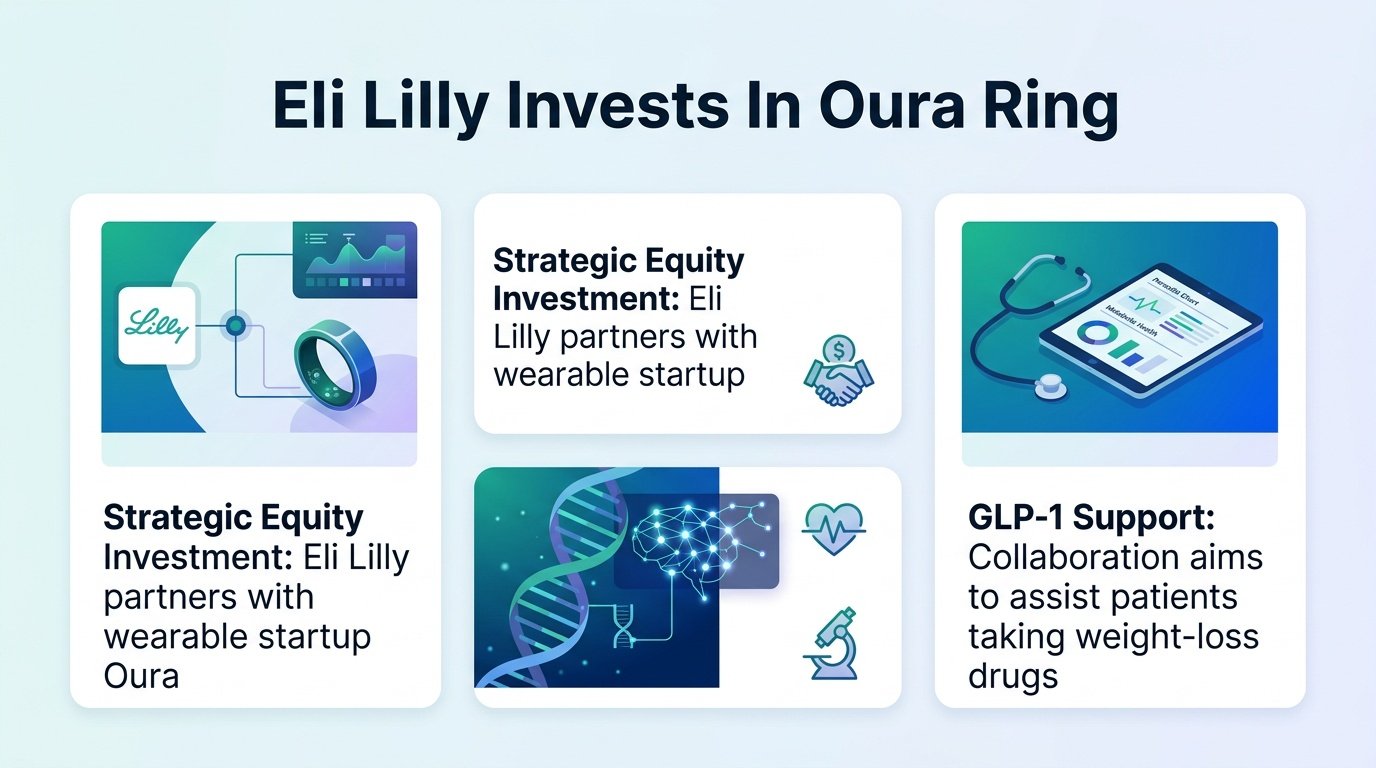
Pharmaceutical giants are realizing that selling a weight-loss drug is only half the battle.
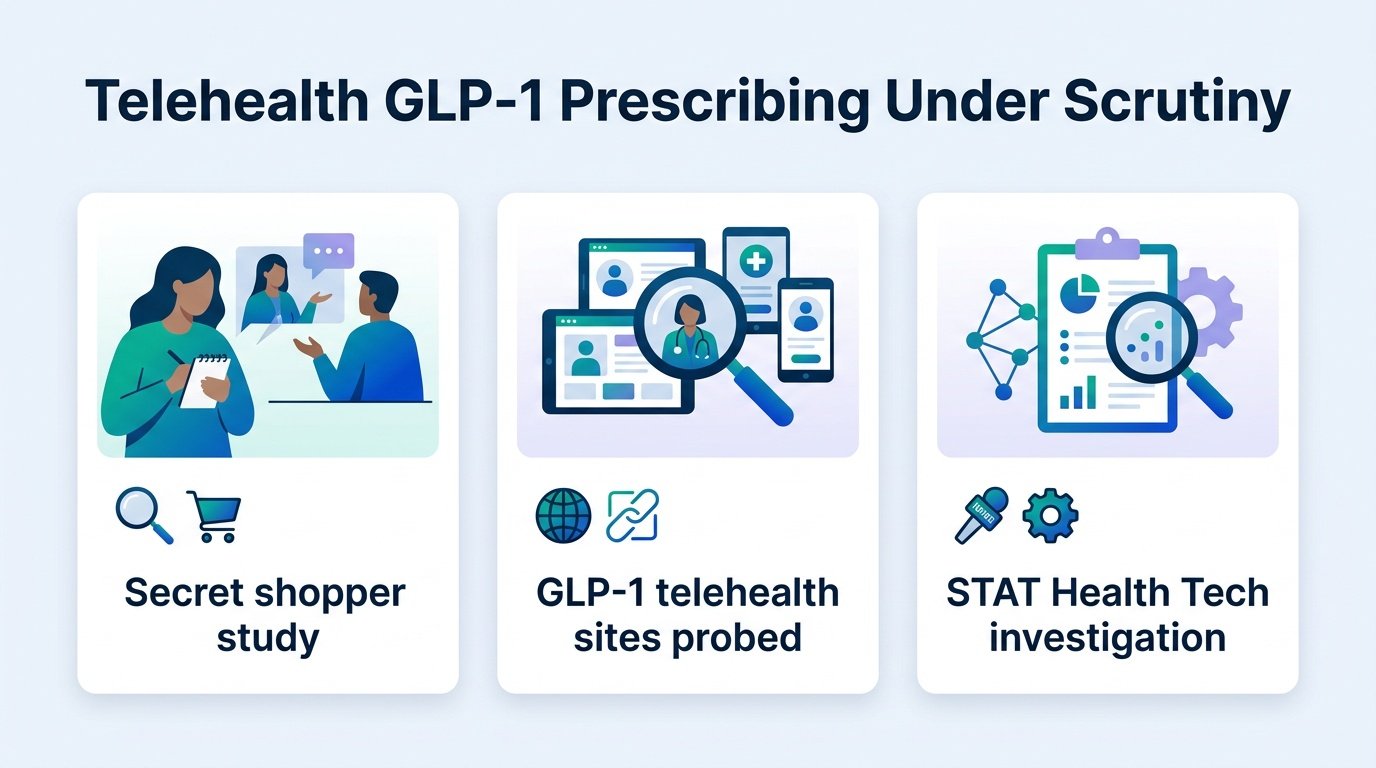
Getting a prescription for the world’s most sought-after weight-loss drugs has devolved into a frictionless, five-minute checkout process.
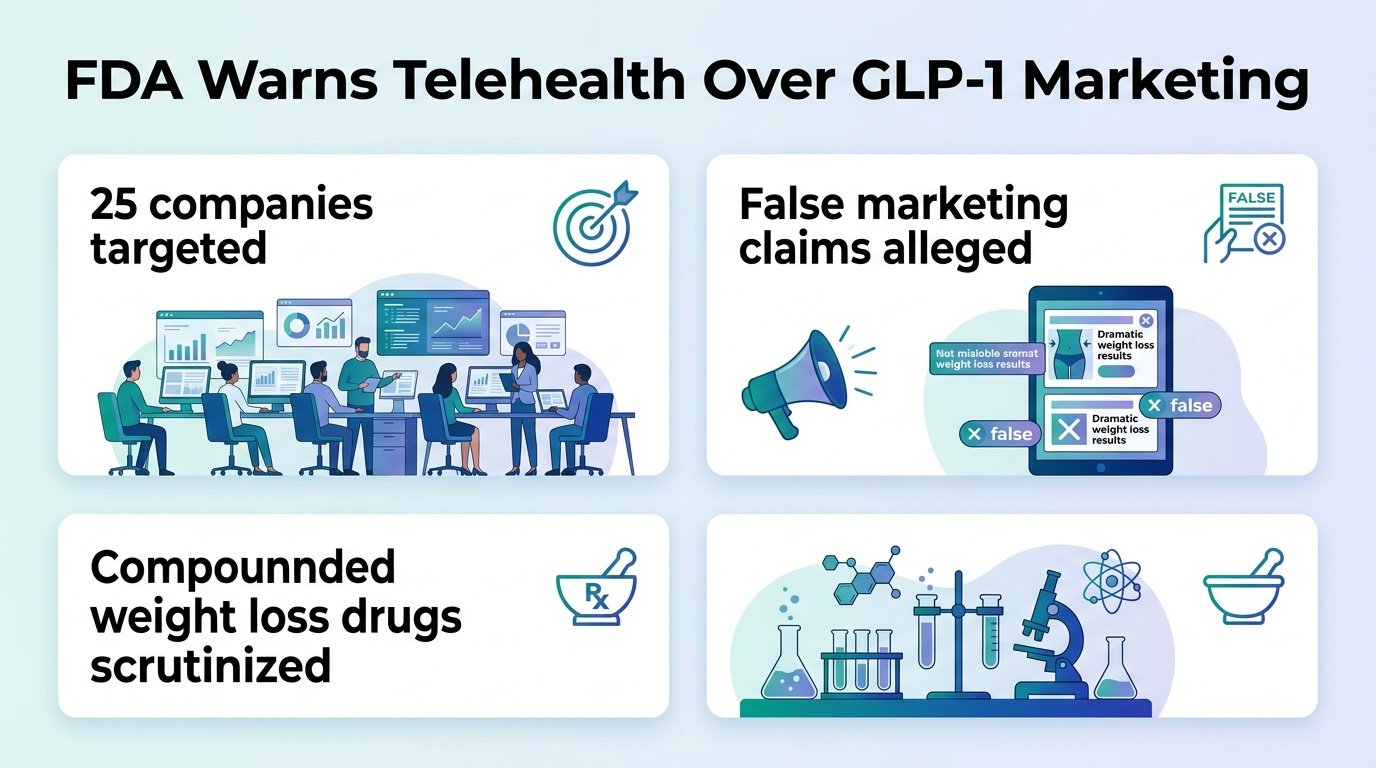
The wild west of online weight-loss drug marketing is officially coming to an end.