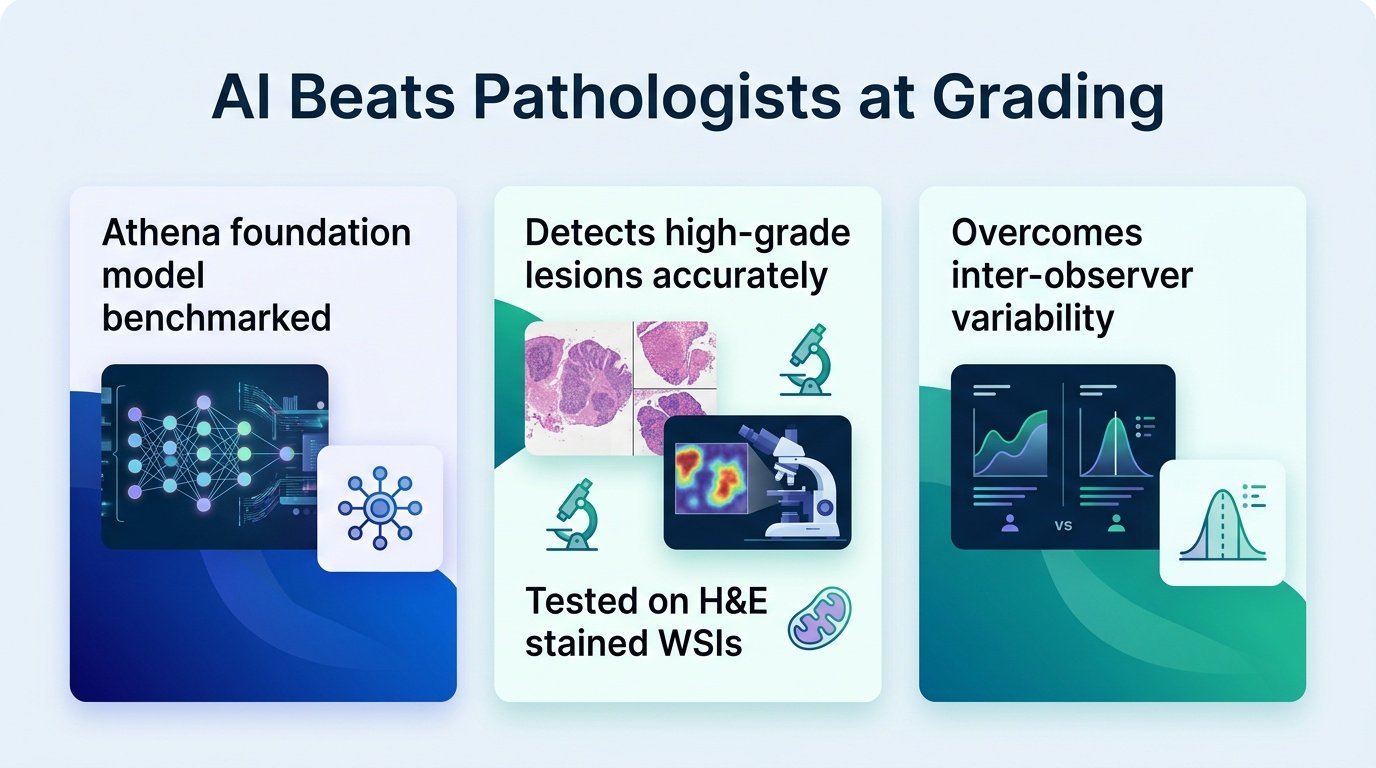
AI beats pathologists at grading cervical biopsies
A new study shows that AI foundation models can standardize cervical cancer screening across different countries, outperforming human pathologists where they struggle most.

A new study shows that AI foundation models can standardize cervical cancer screening across different countries, outperforming human pathologists where they struggle most.
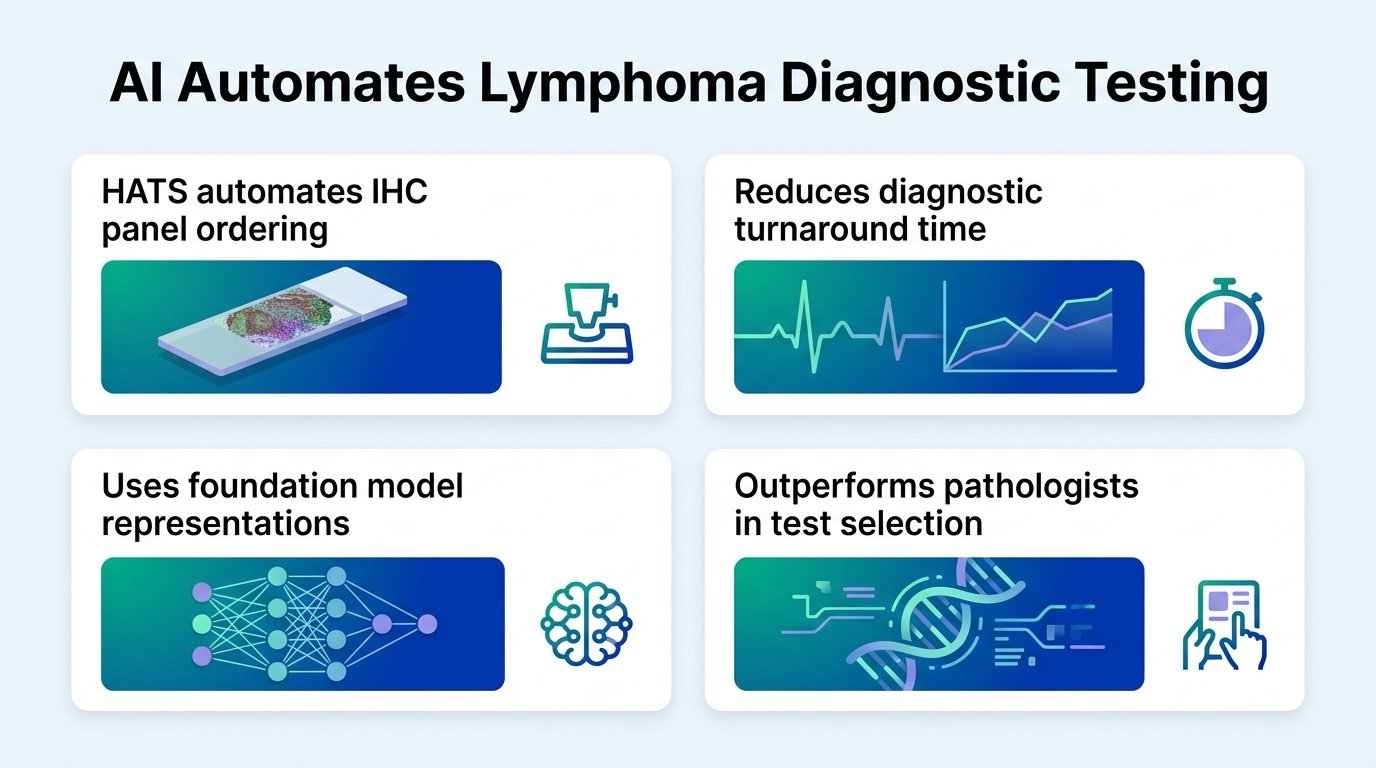
A new AI system can predict lymphoma subtypes and order diagnostic tests directly from initial biopsy scans, cutting down the days patients spend waiting for a diagnosis.
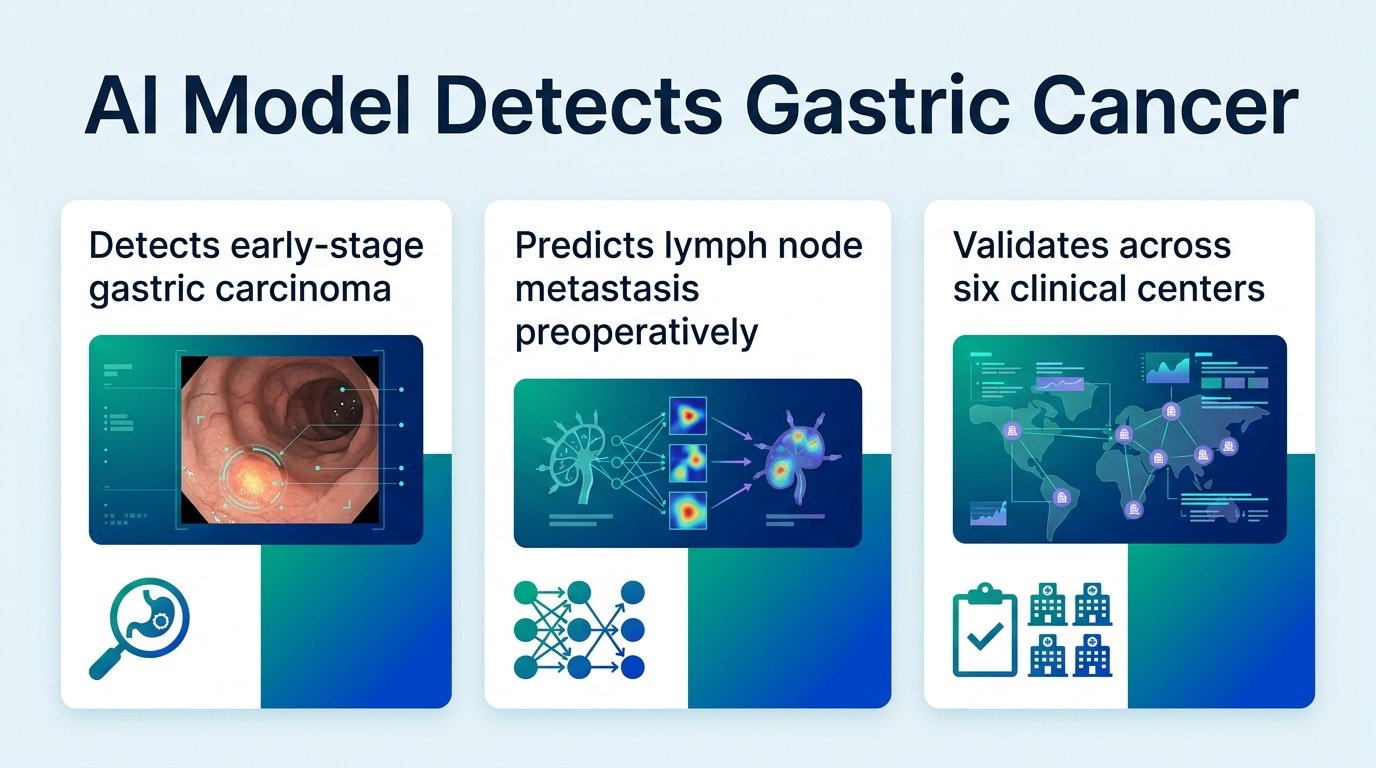
A new artificial intelligence model can classify gastric biopsies and predict lymph node spread, significantly cutting pathologist workloads without sacrificing accuracy.
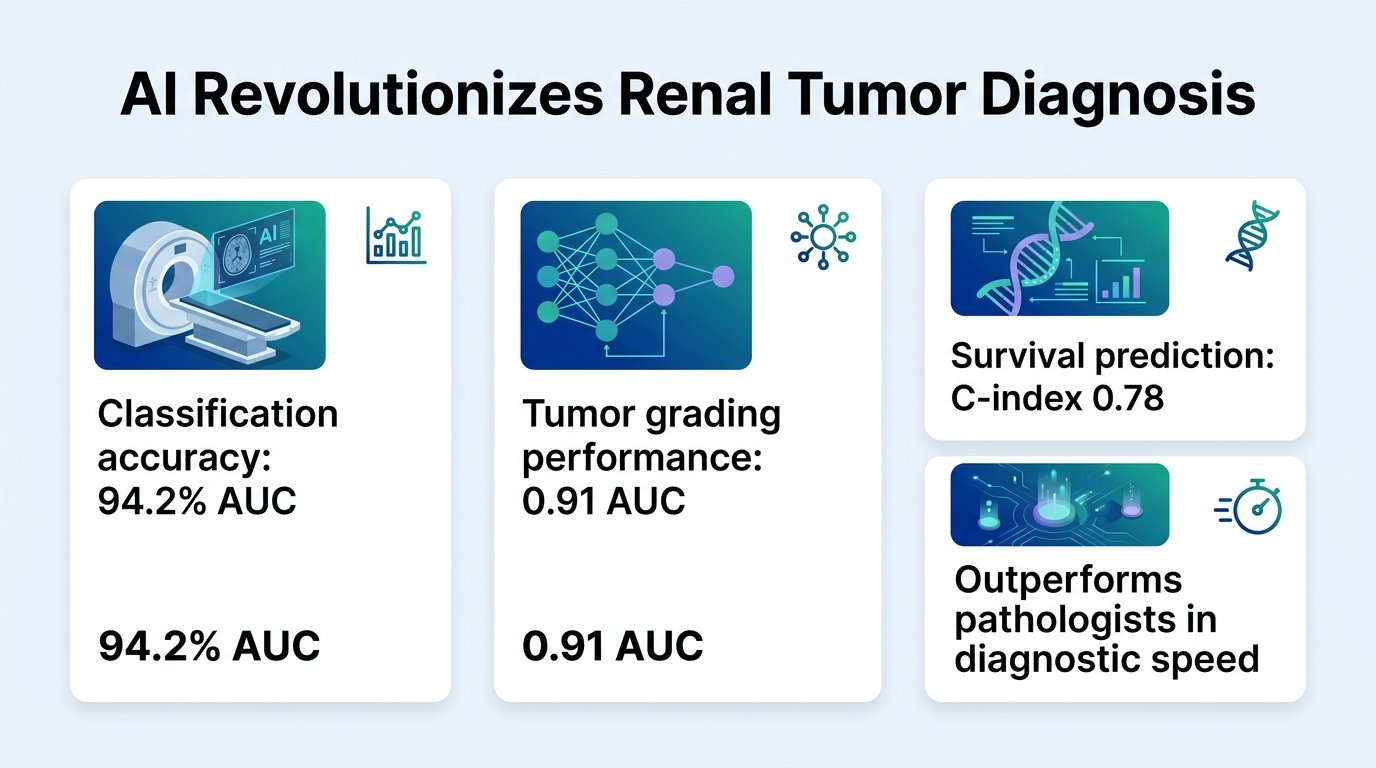
A new AI model predicts kidney cancer survival better than the gold-standard human grading system.
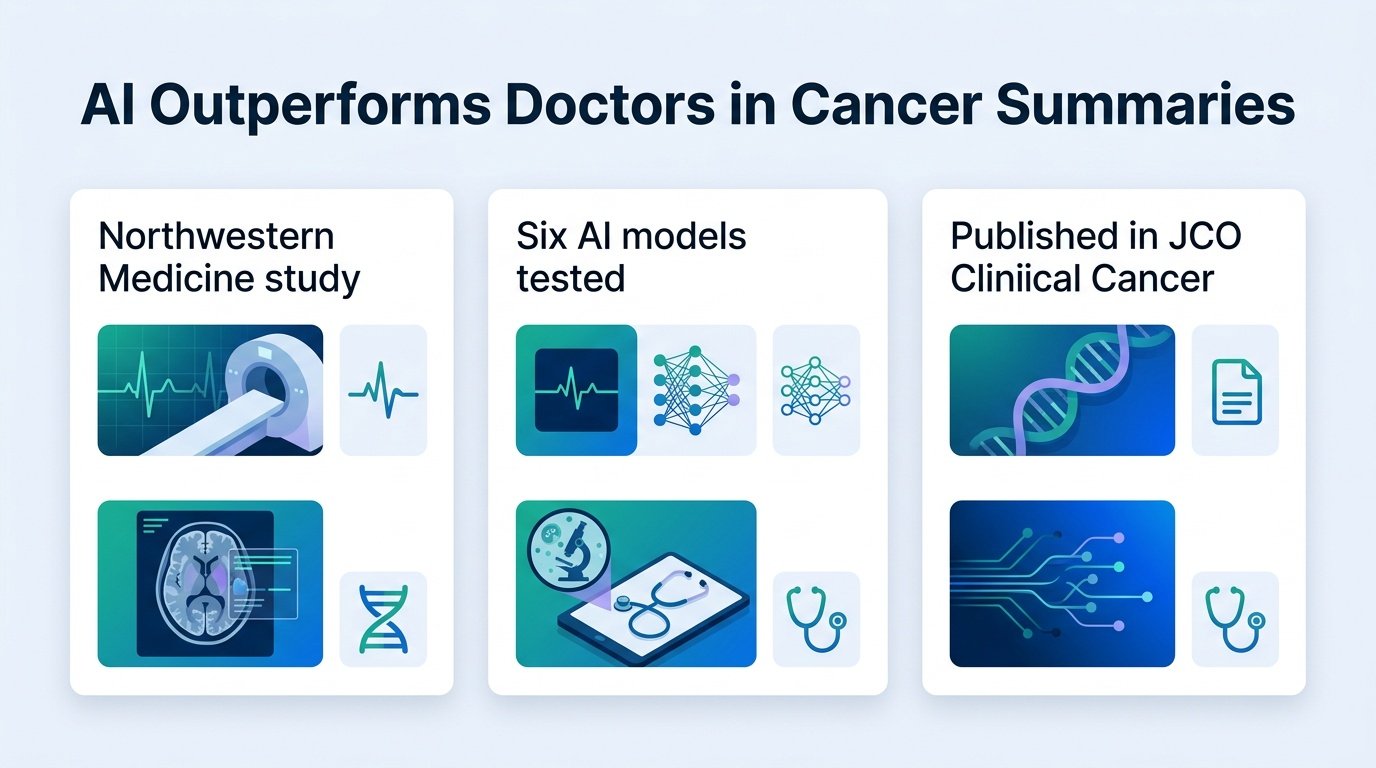
When algorithms read pathology reports better than the oncologists who ordered them, the bottleneck in cancer care shifts from diagnostic accuracy to human administrative capacity.
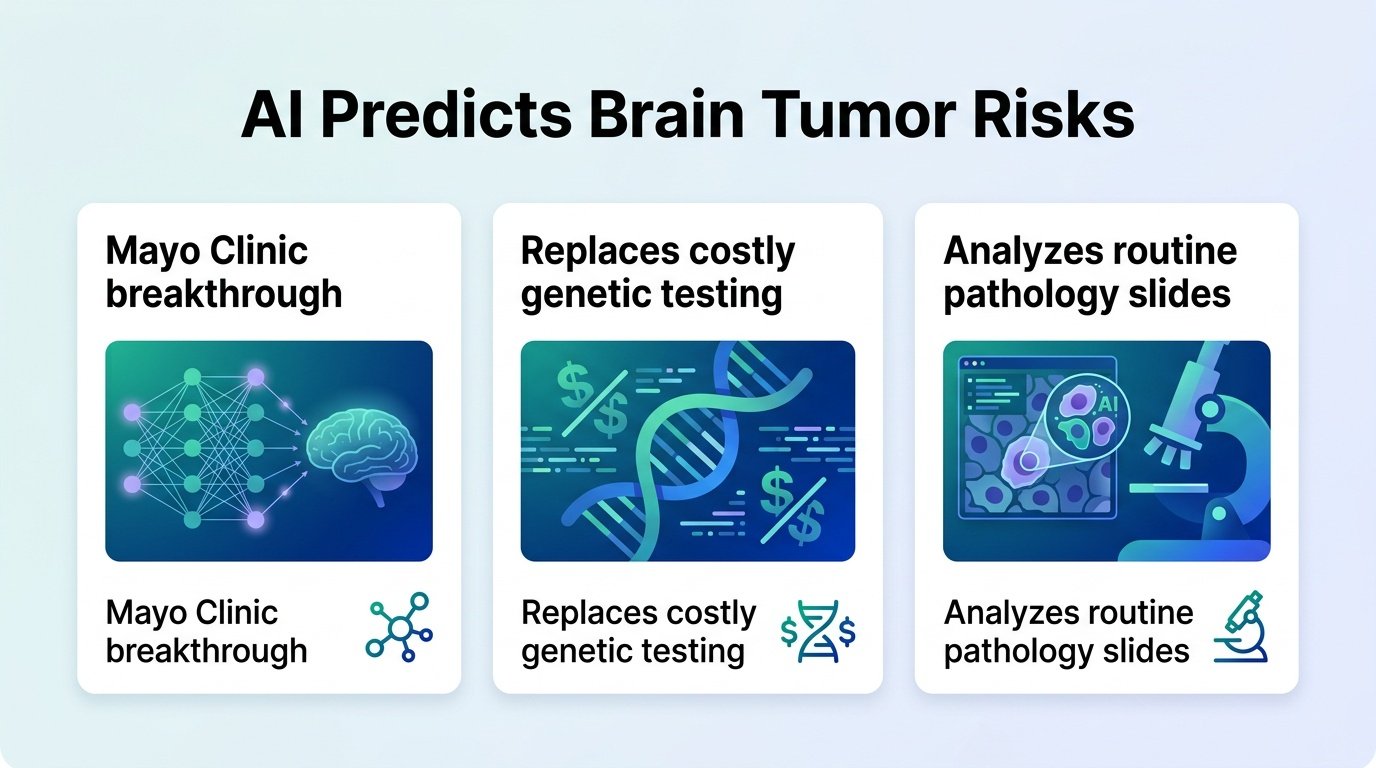
High-tech cancer diagnostics are currently a luxury of the wealthiest health systems, but a shift in how we analyze basic tissue slides could soon level the playing field.
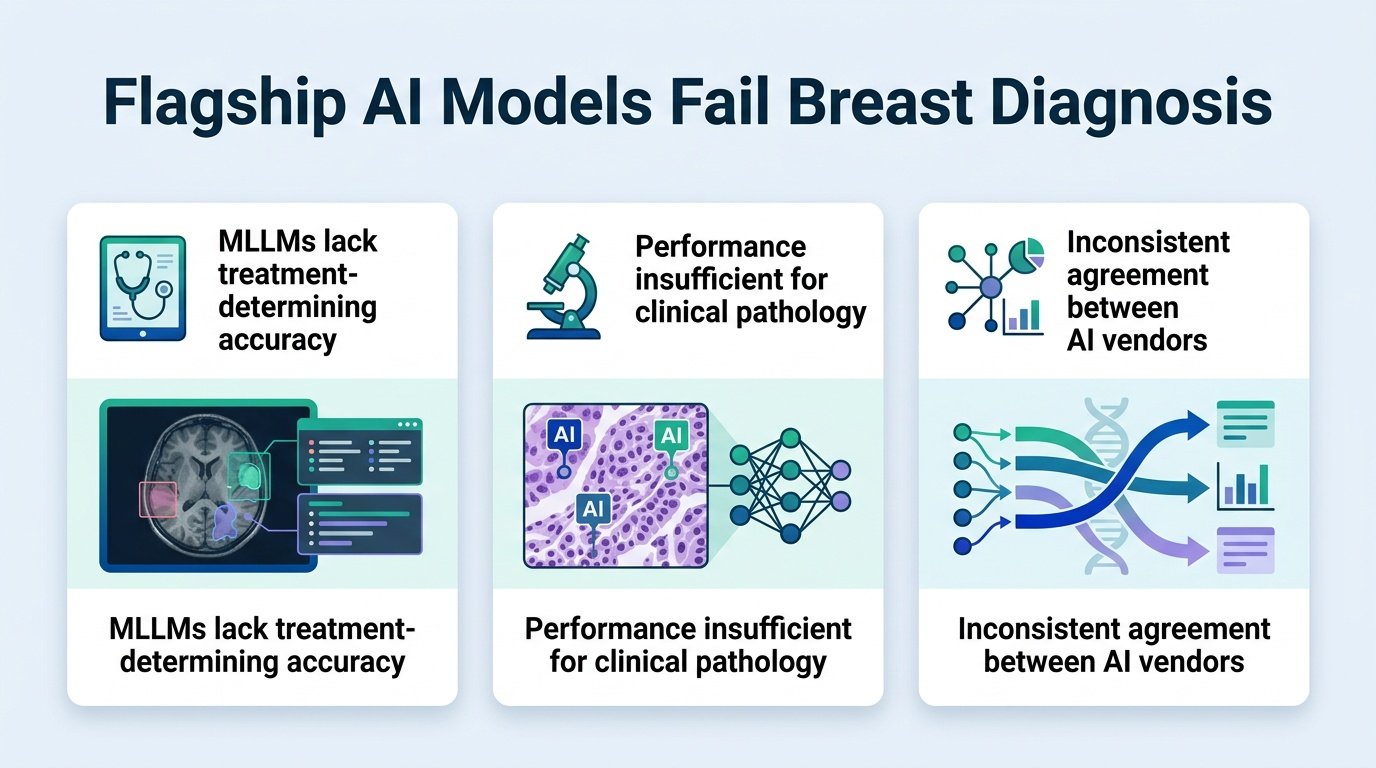
Hiring a commercial AI to read breast cancer biopsies does not just introduce errors; it forces clinicians to choose which specific flavor of diagnostic failure they can tolerate.
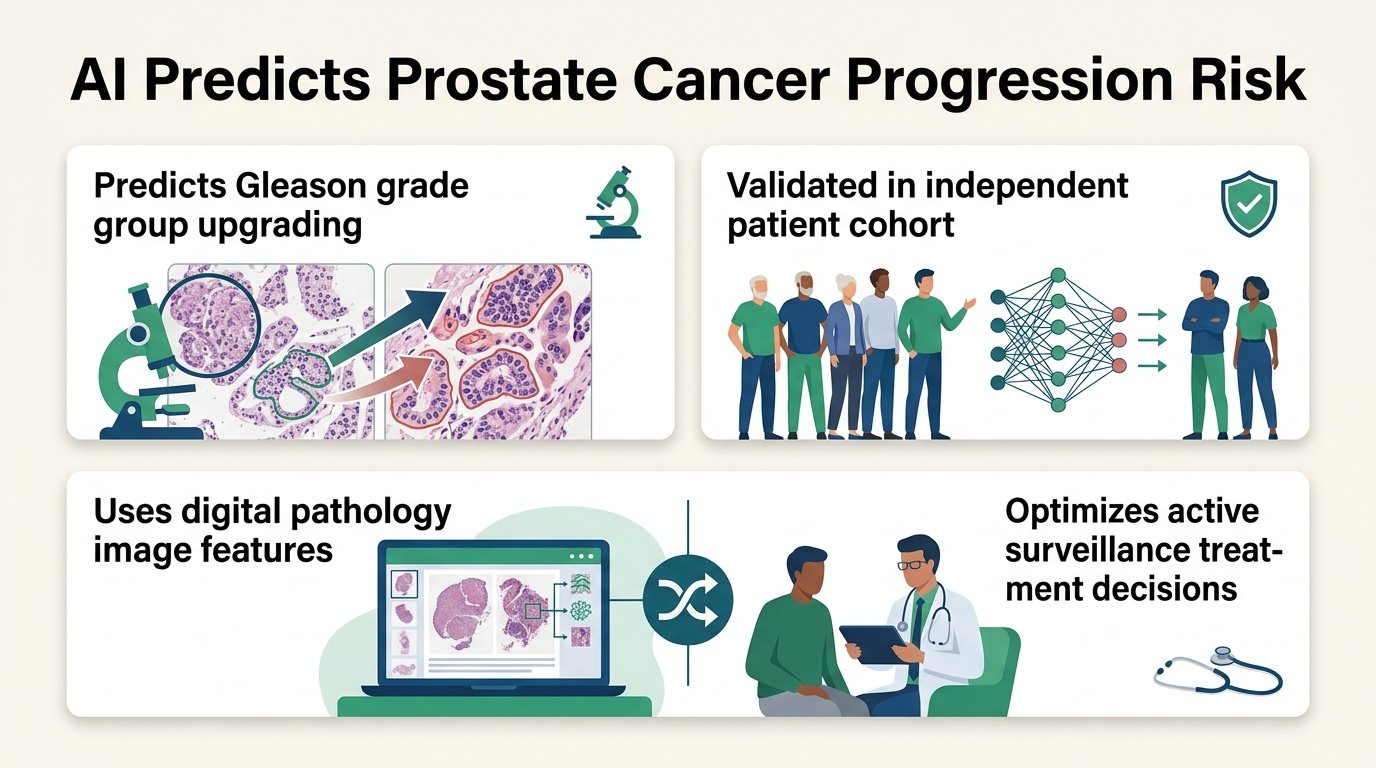
A new AI tool reveals that many prostate cancers upgraded during active surveillance were actually mischaracterized from the very start.
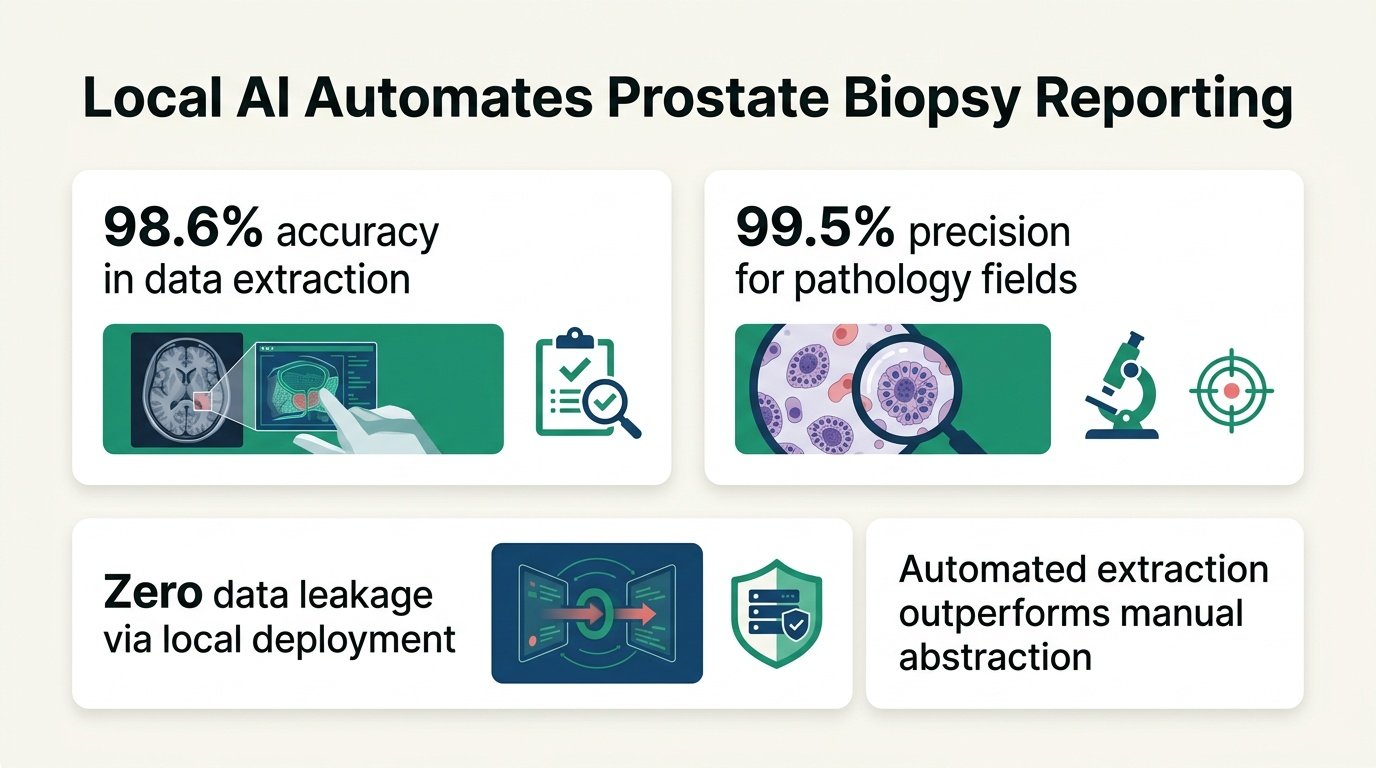
A new study shows that small, locally hosted AI models can clean up messy clinical text better than expected, without risking patient privacy.
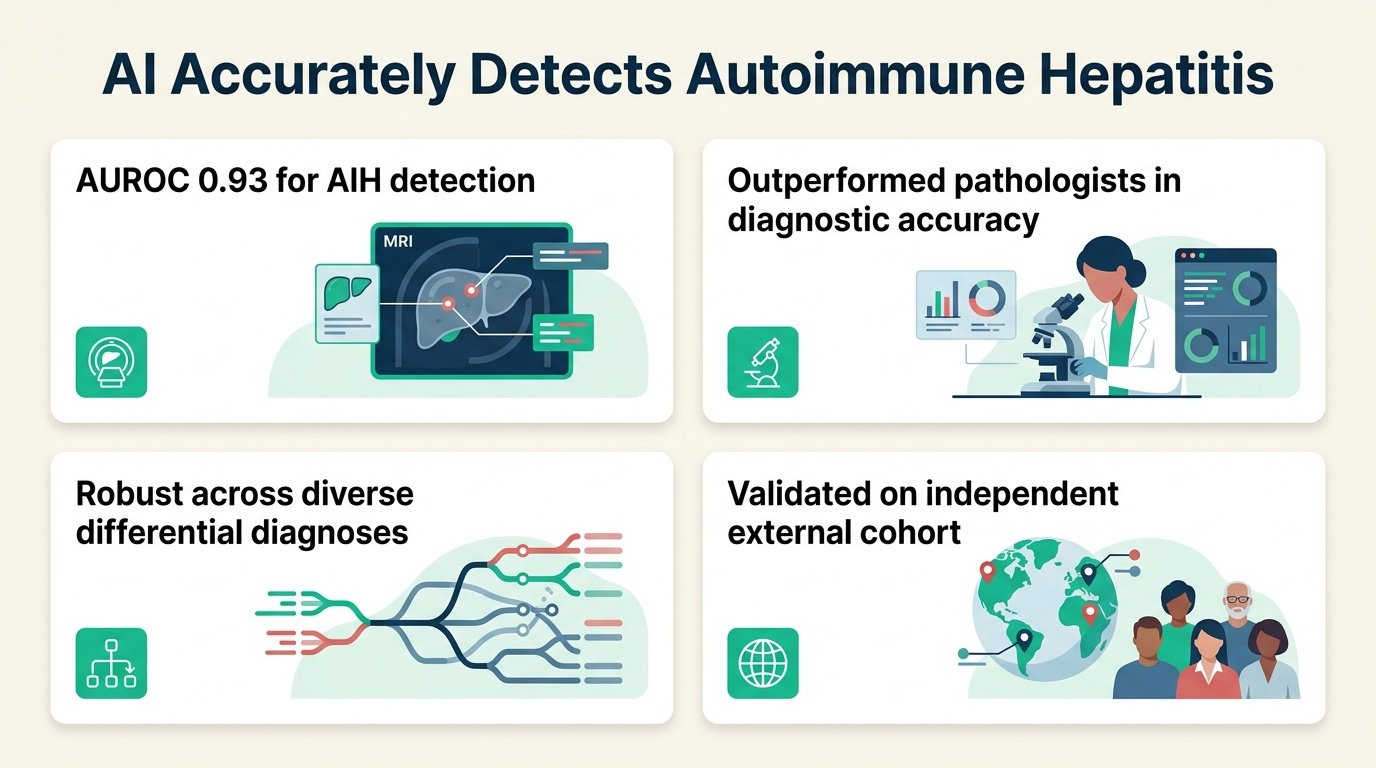
A new deep-learning model diagnoses autoimmune hepatitis with expert-level accuracy in some scenarios, but its failure against hepatitis B reveals a critical diagnostic blind spot.