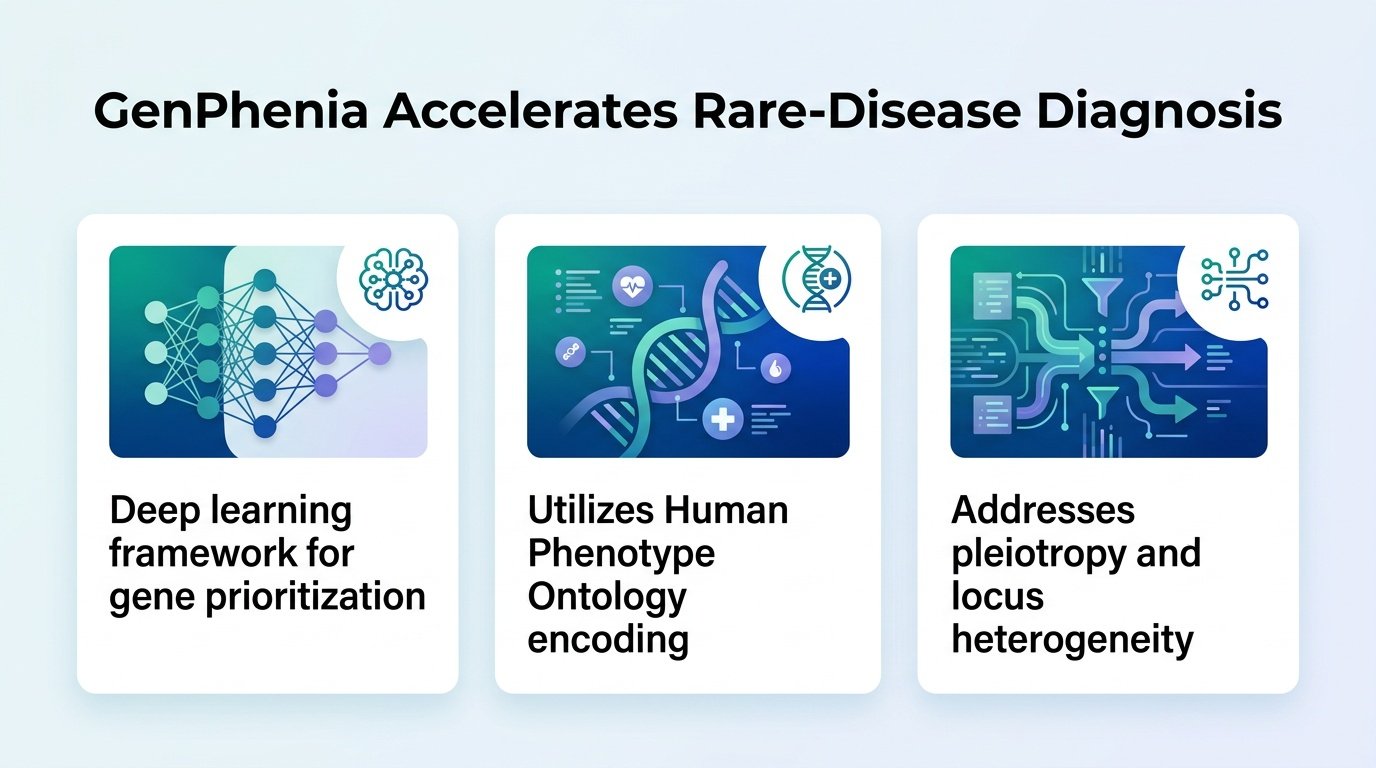
GenPhenia: using deep neural networks to accelerate rare-disease diagnosis
By combining graph neural networks with language models, researchers have closed the gap between messy clinical symptoms and hard genetic data.

By combining graph neural networks with language models, researchers have closed the gap between messy clinical symptoms and hard genetic data.
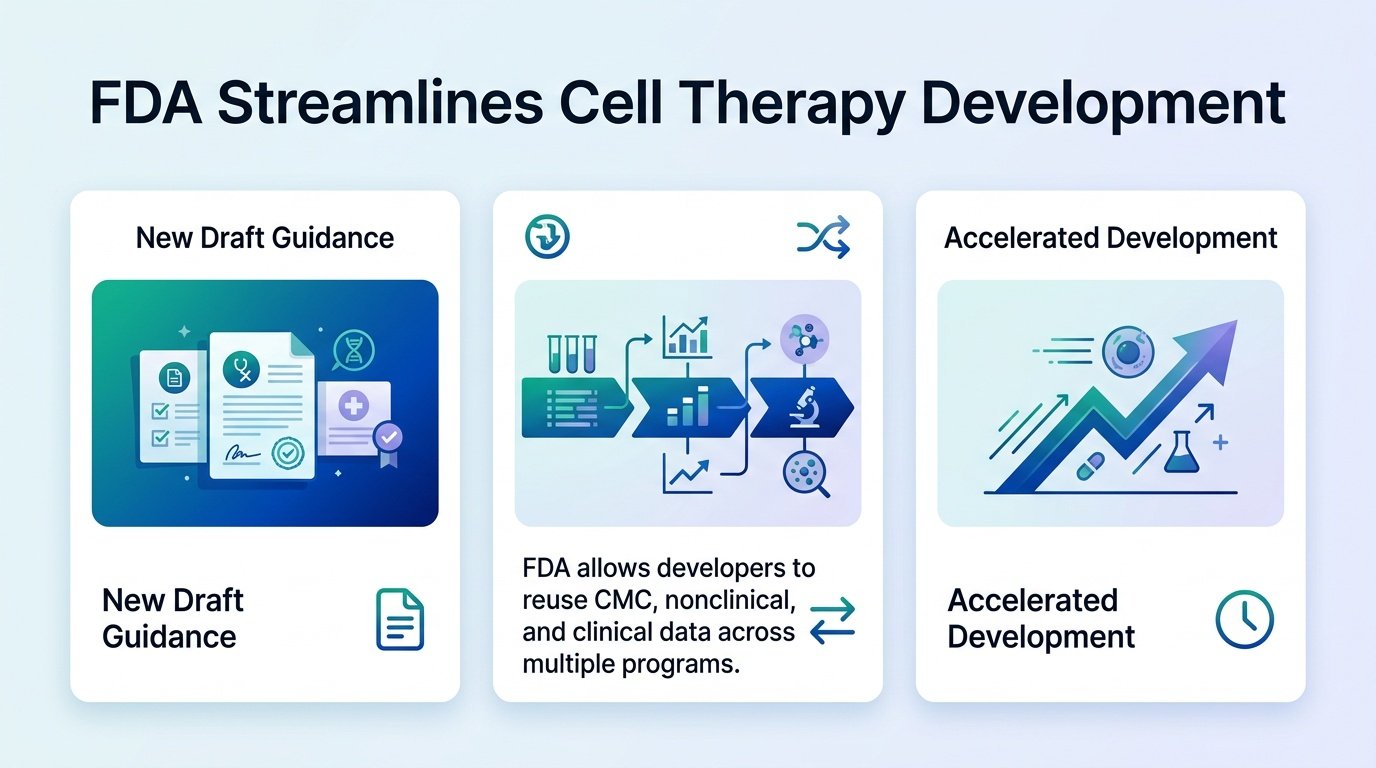
The FDA is letting drugmakers recycle data from past trials to speed up gene therapies, but this regulatory shortcut places a massive burden of proof on developers.
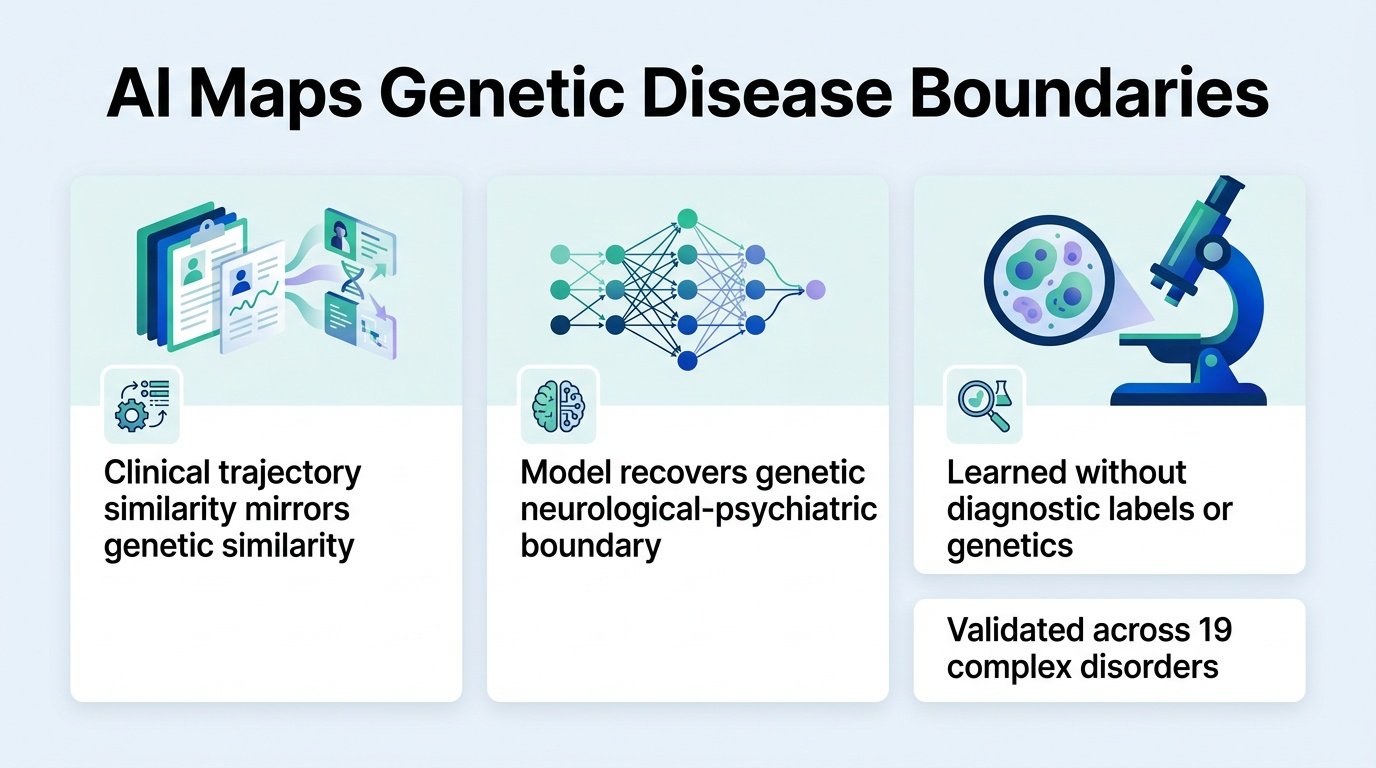
An attention-based AI model has mapped the genetic boundaries between neurological and psychiatric diseases using nothing but raw electronic health records.
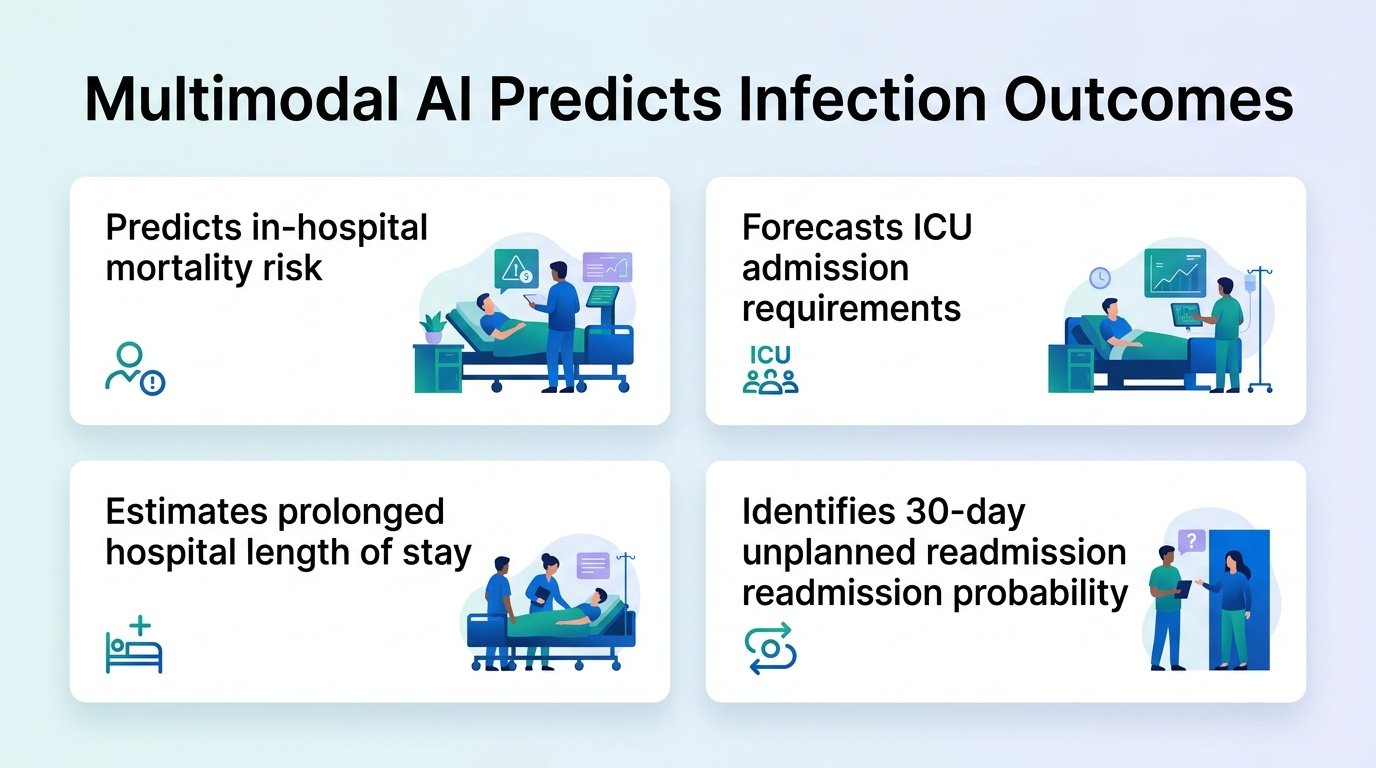
By combining complete electronic health records with bacterial genomes, a new AI platform predicts sepsis outcomes far better than traditional clinical scores.
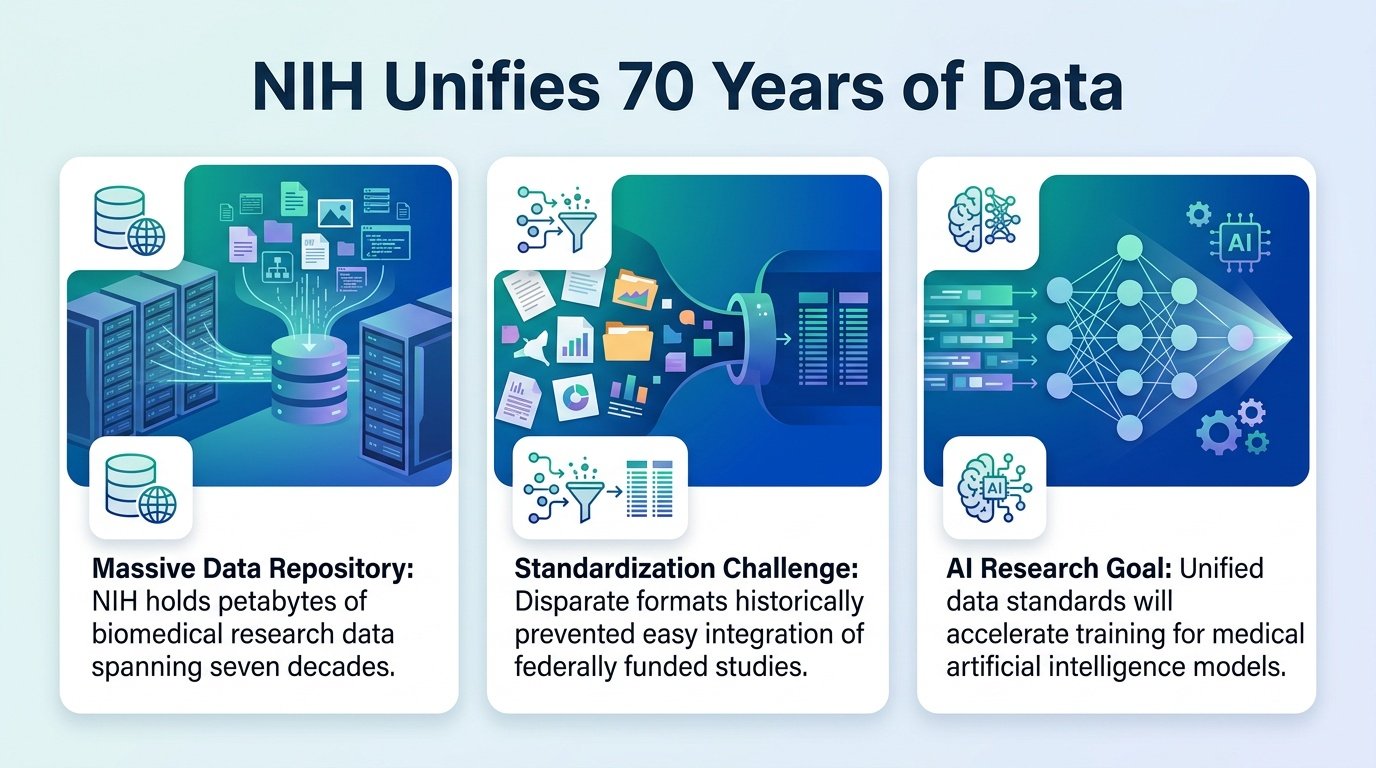
The federal government is trying to force seven decades of incompatible medical research into a single format that artificial intelligence can actually understand.
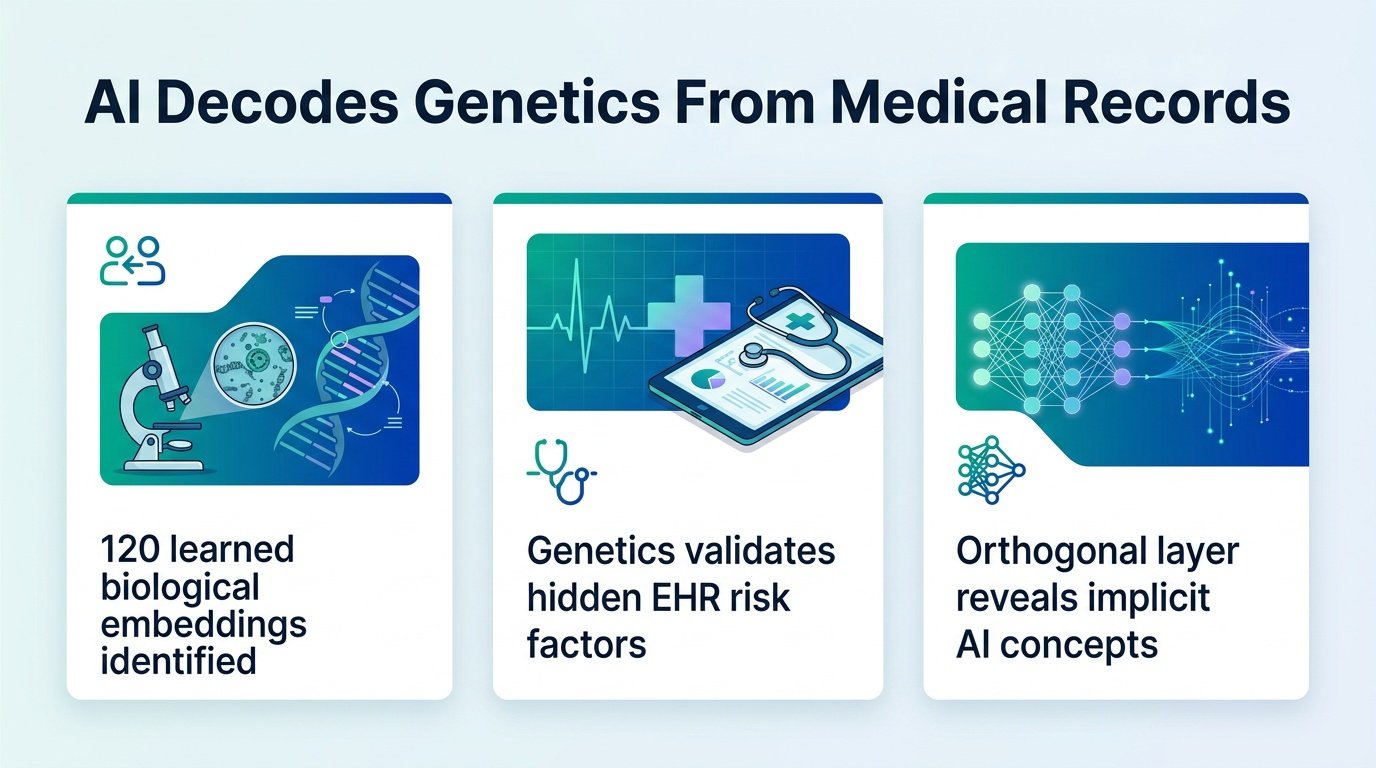
An AI trained only on medical records managed to map the genetic drivers of human disease.
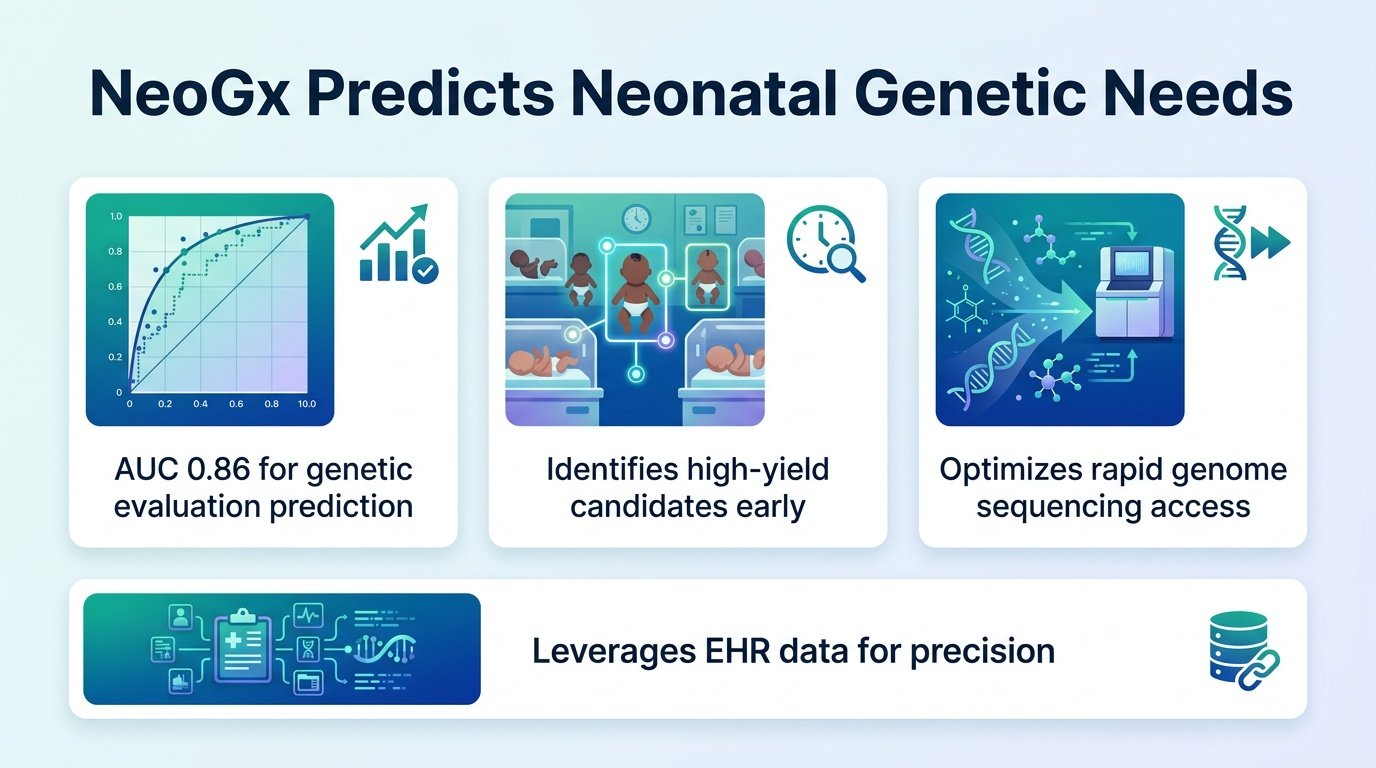
An algorithm trained on electronic health records can flag critically ill newborns who need rapid gene sequencing weeks faster than human doctors alone.
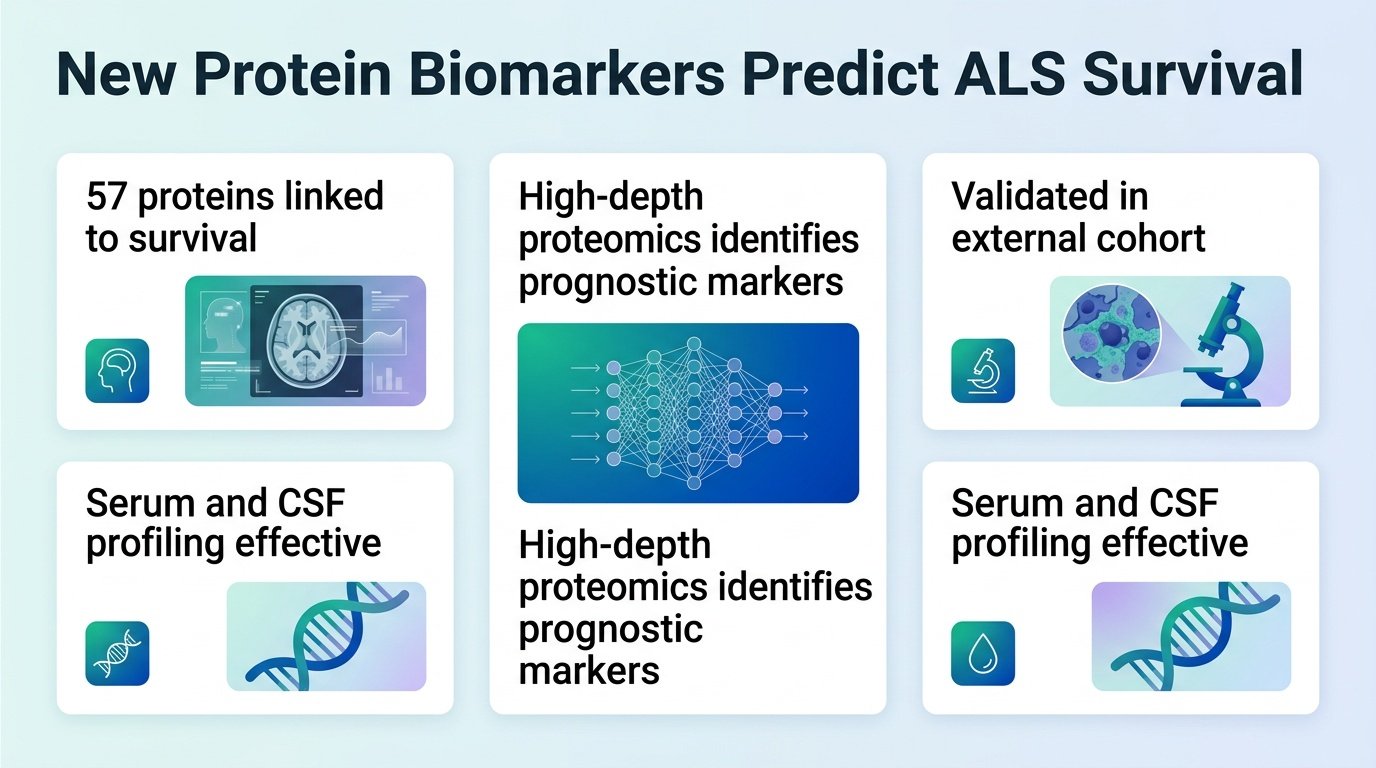
Measuring a single protein has been the gold standard for tracking ALS, but a new multi-protein signature suggests we have been missing the bigger biological picture.
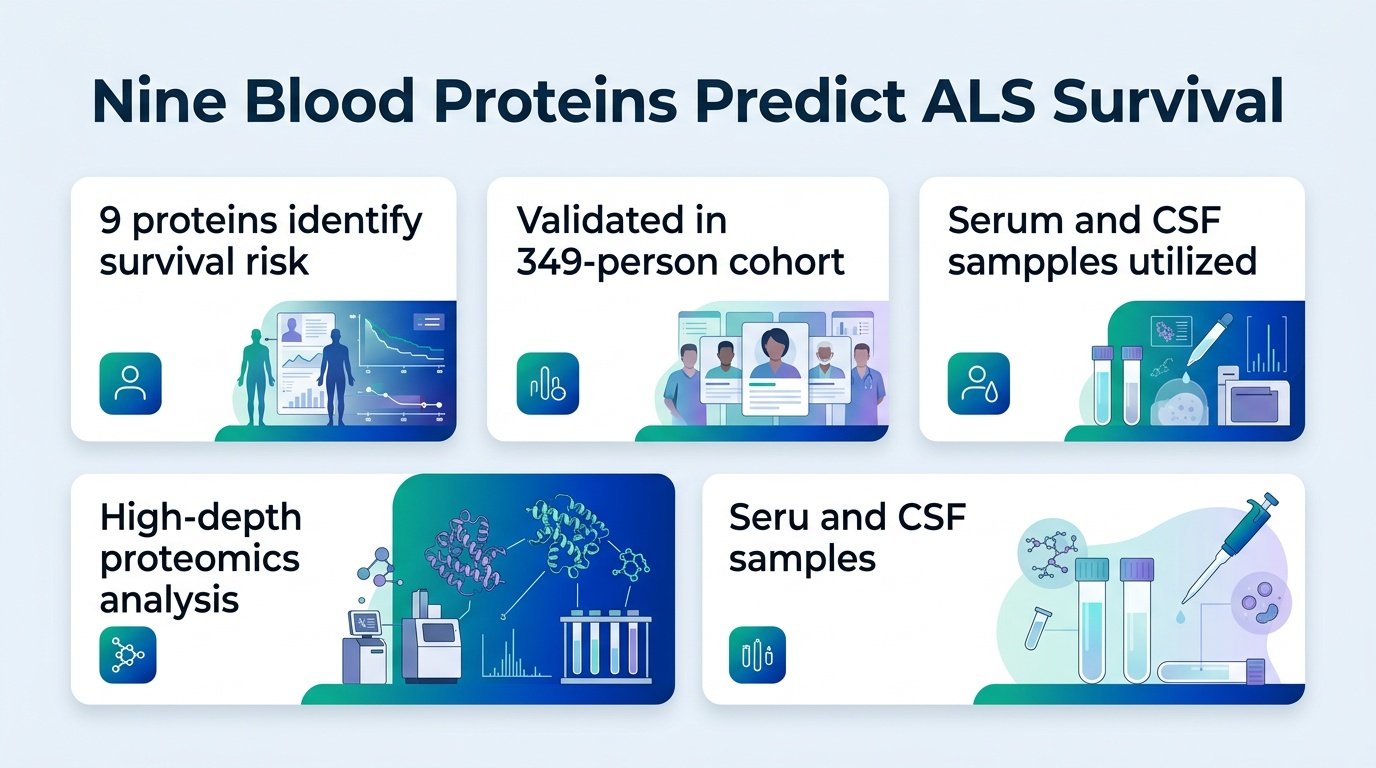
A new nine-protein blood signature outperforms traditional clinical models and single-marker tests in predicting how fast ALS progresses.
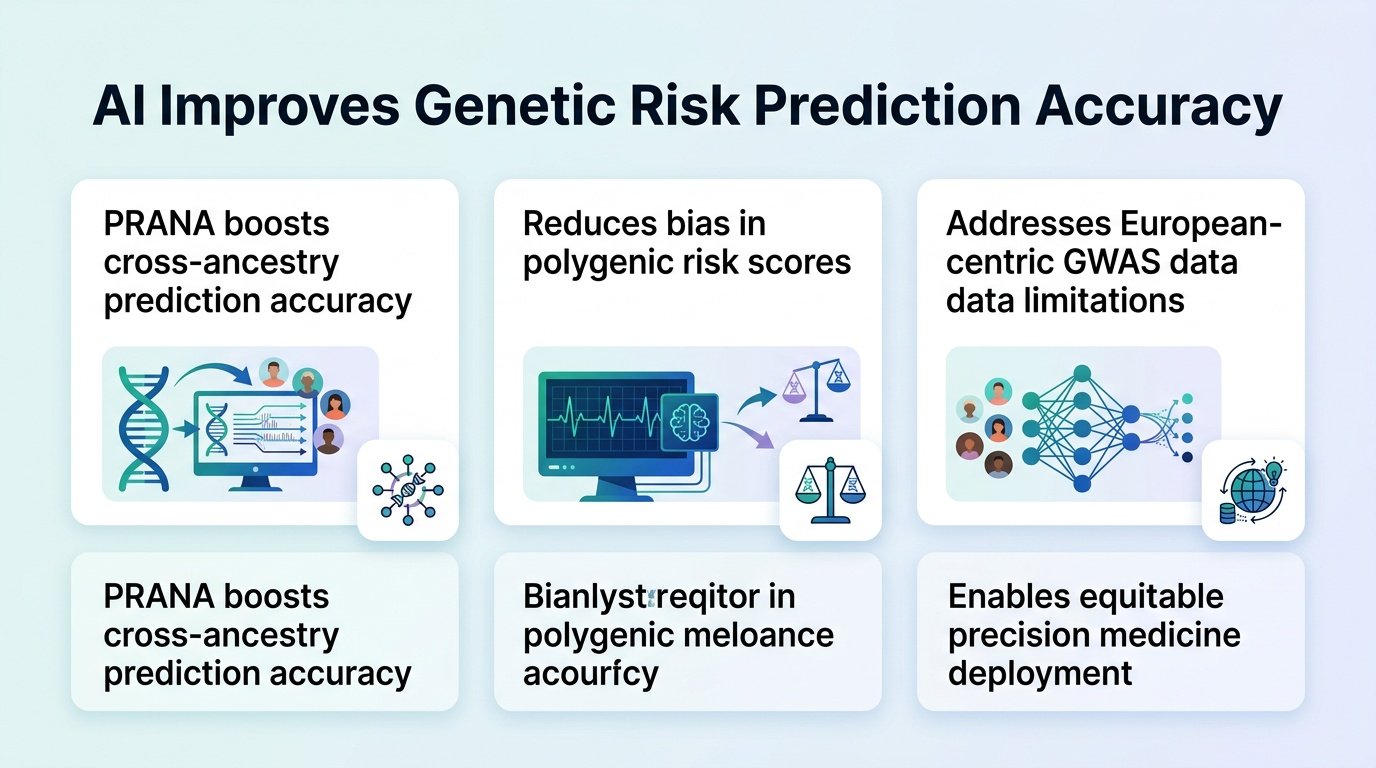
A new deep learning tool bypasses the need for massive non-European genetic trials by adapting existing risk models to diverse populations.