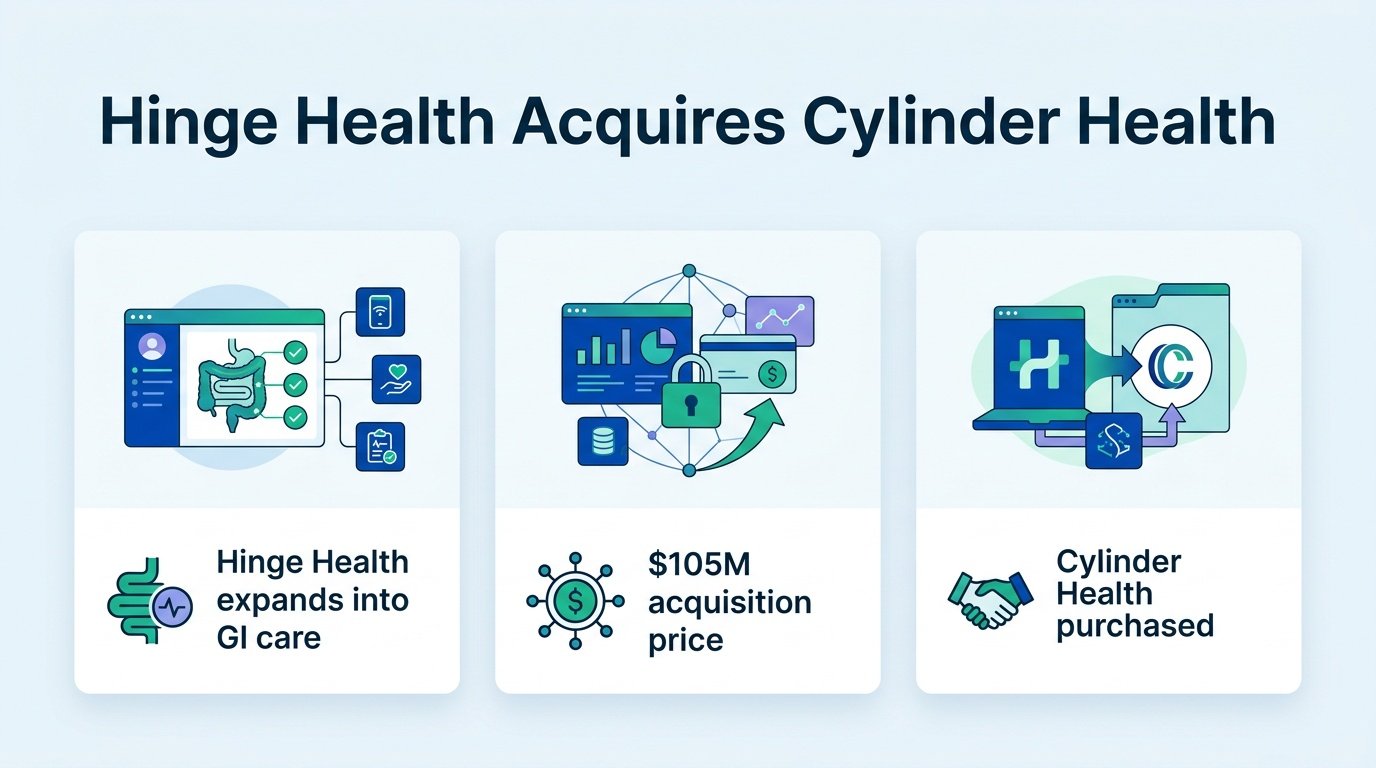
Hinge Health buys Cylinder for $105 million
Digital health platforms can no longer survive by treating only one pain point.

Digital health platforms can no longer survive by treating only one pain point.
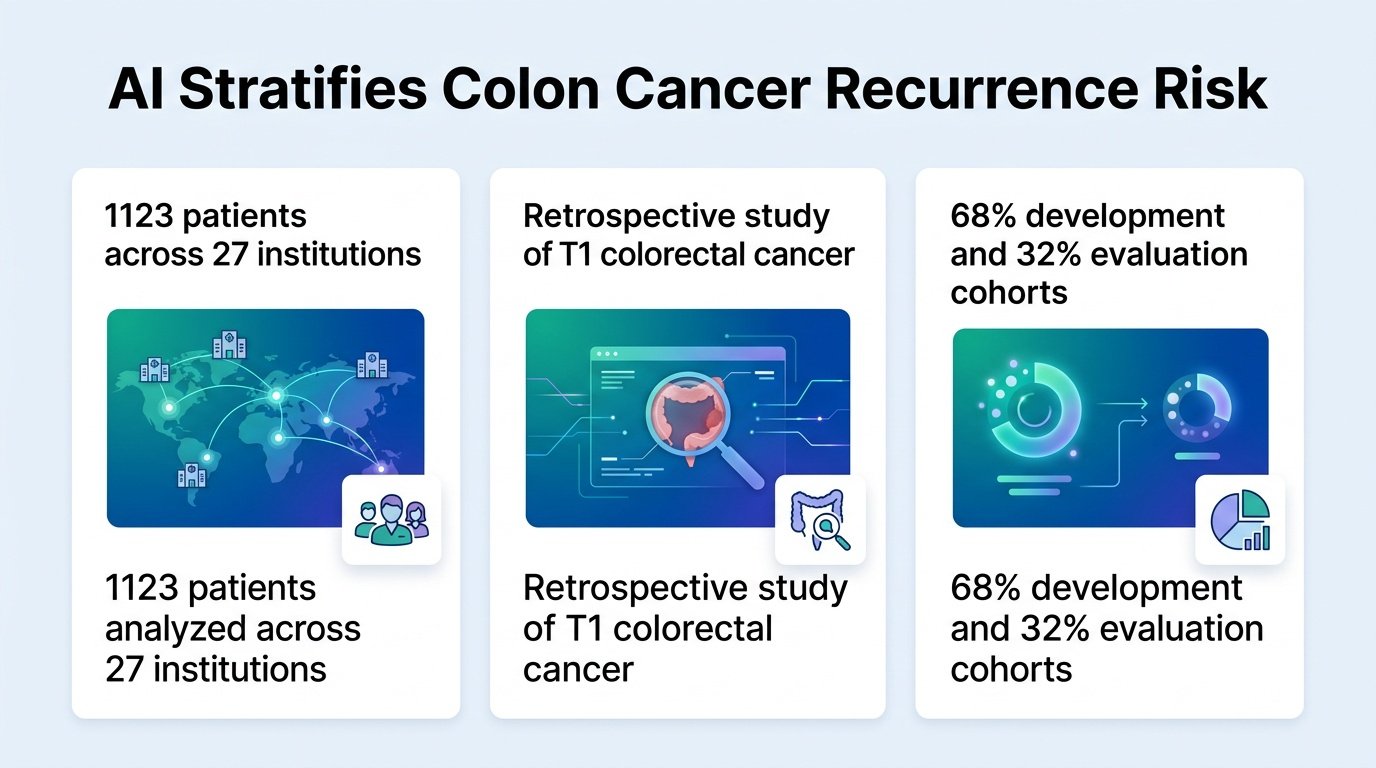
Unsupervised machine learning reveals that tumor shape, not just invasion depth, dictates whether early colorectal cancer will return after endoscopic removal.
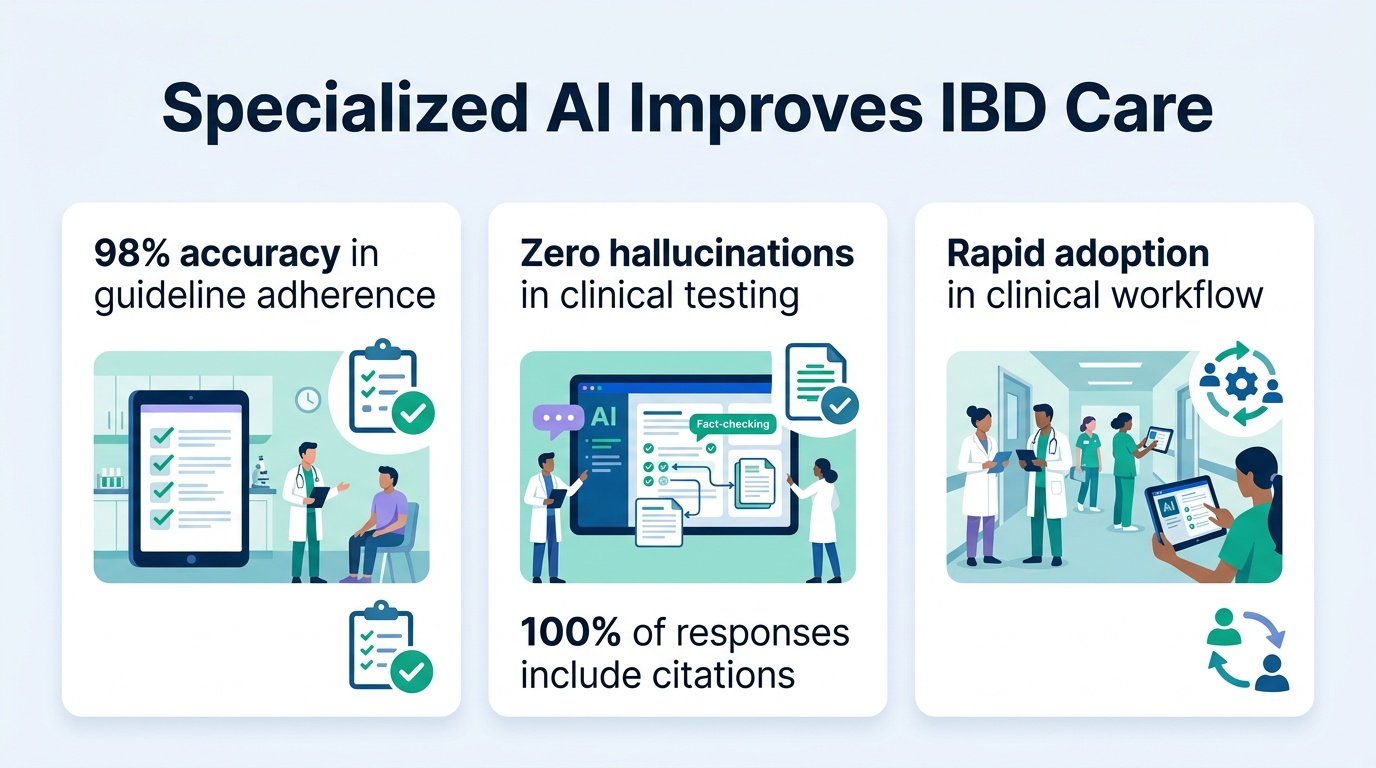
A new clinical trial shows that doctors will actually use generative AI in daily practice, provided it is chained to strict medical guidelines rather than the open web.
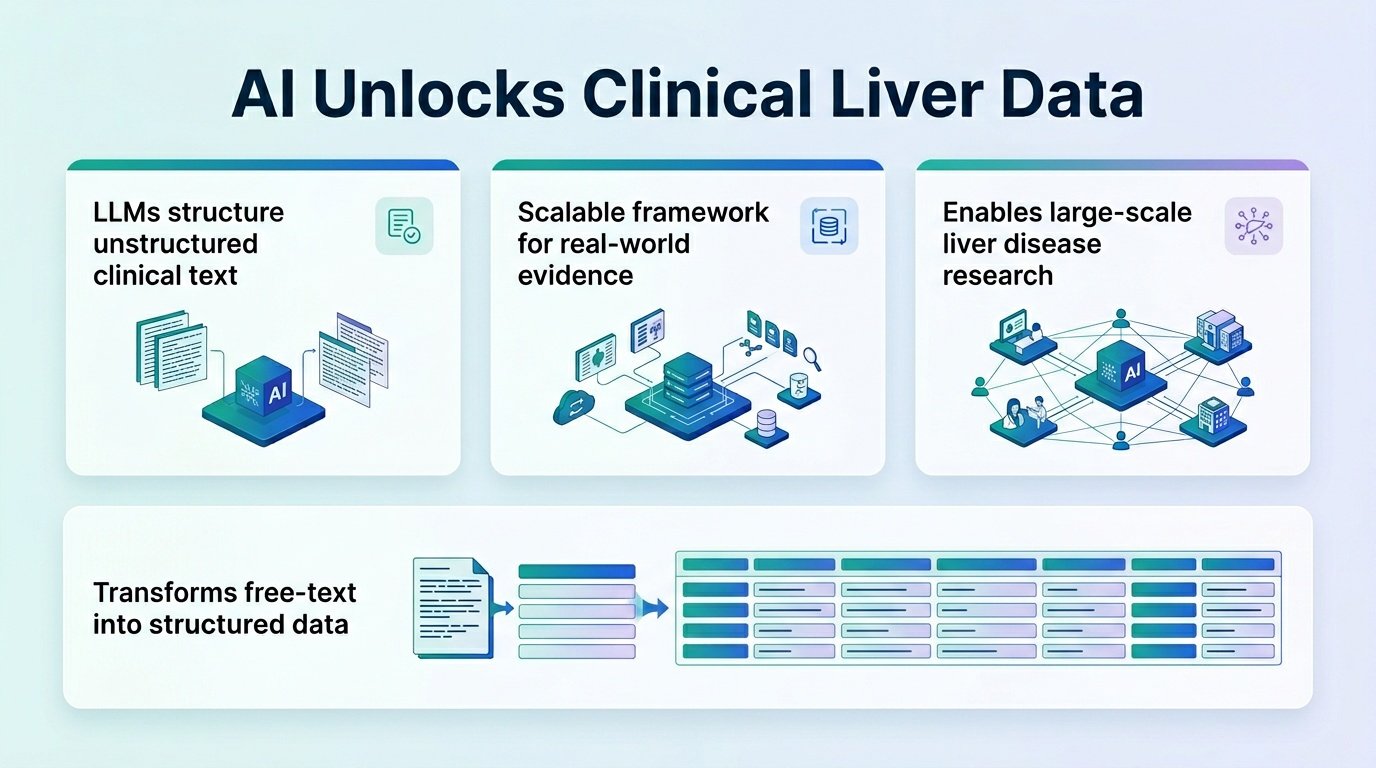
A new study shows that off-the-shelf language models can reconstruct complex patient histories from messy clinical notes without manual human labeling.
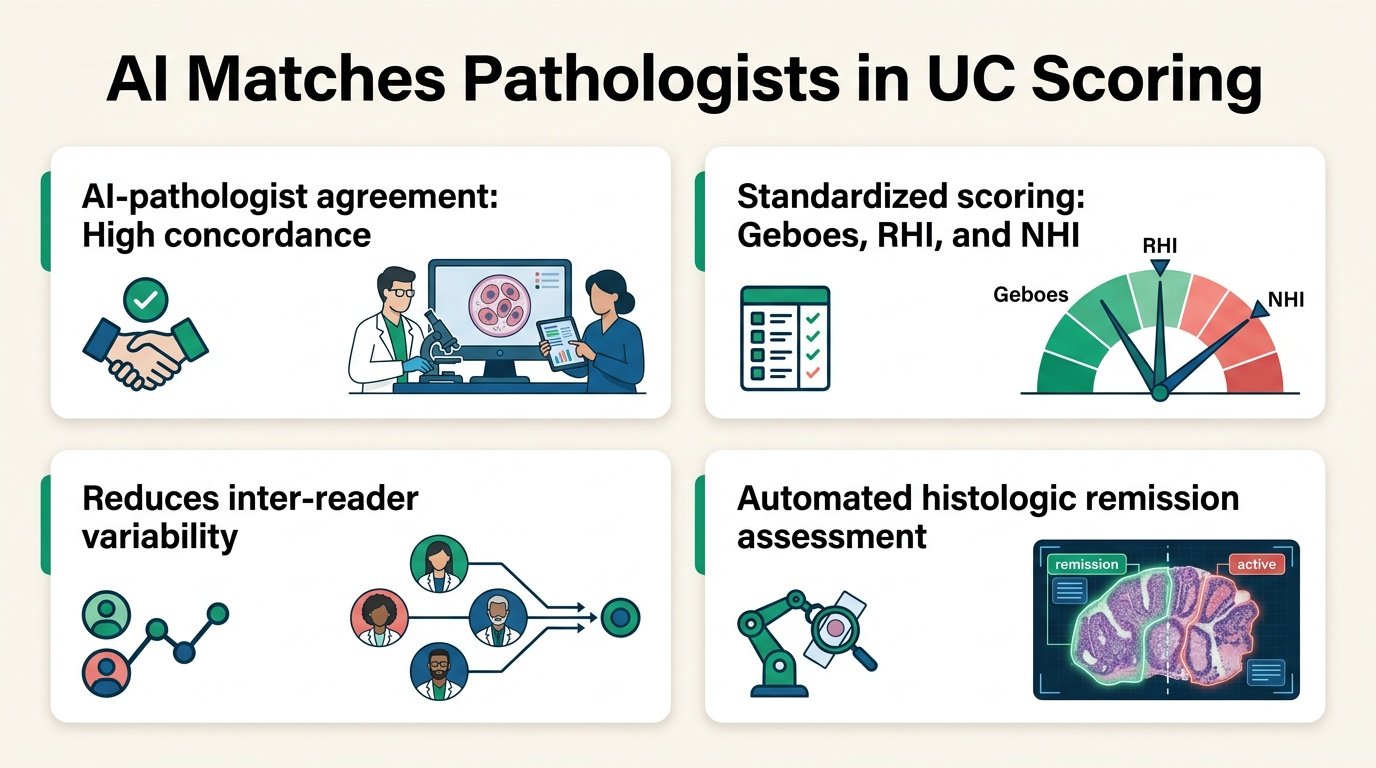
A new foundation model matches or beats human pathologists at grading ulcerative colitis biopsies, potentially solving the clinical trial replication crisis.
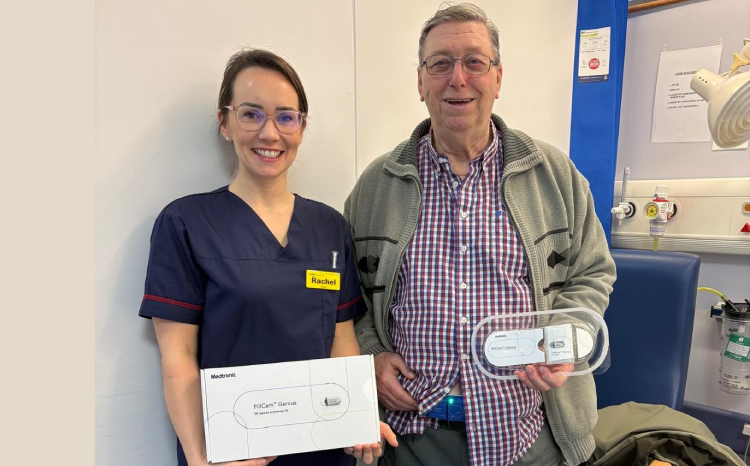
Good Hope Hospital adopts capsule endoscopy technology for small bowel exams. This innovation enhances patient comfort and diagnostic accuracy. 📸💊
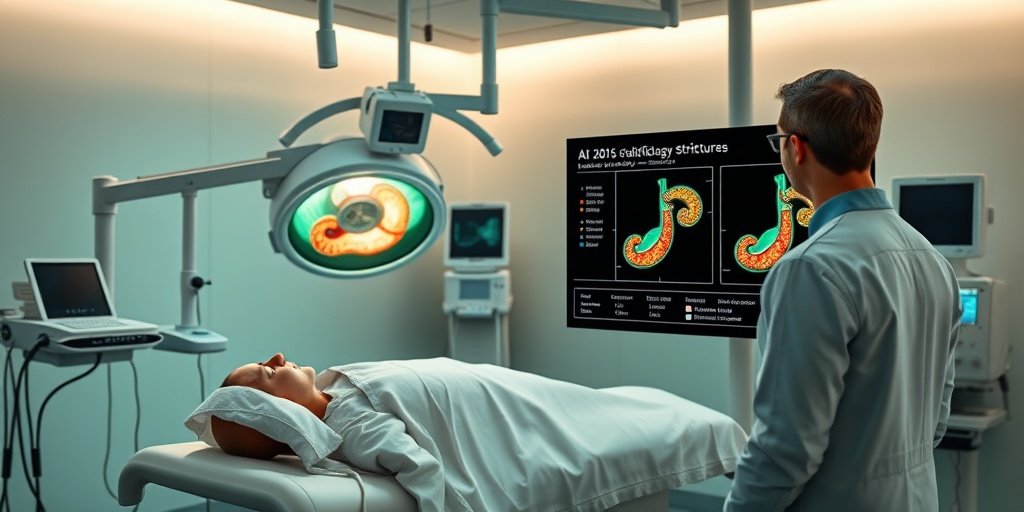
AI surpasses traditional methods in classifying biliary strictures: 87.8% accuracy vs. 67.4%. Significant implications for patient care! 🤖📊
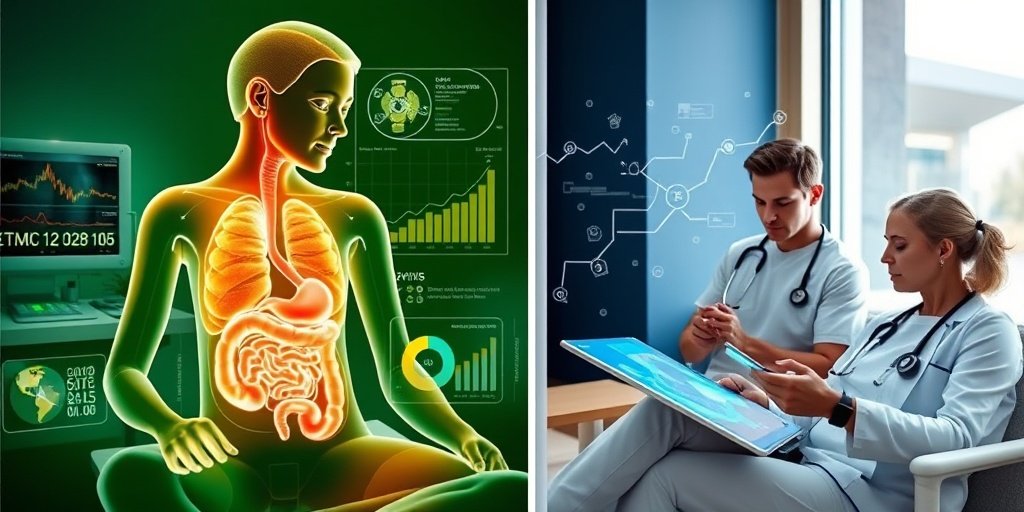
AI transforms GI health: multimodal imaging, digital biomarkers, and real-time monitoring enhance assessment and management. 📊🤖
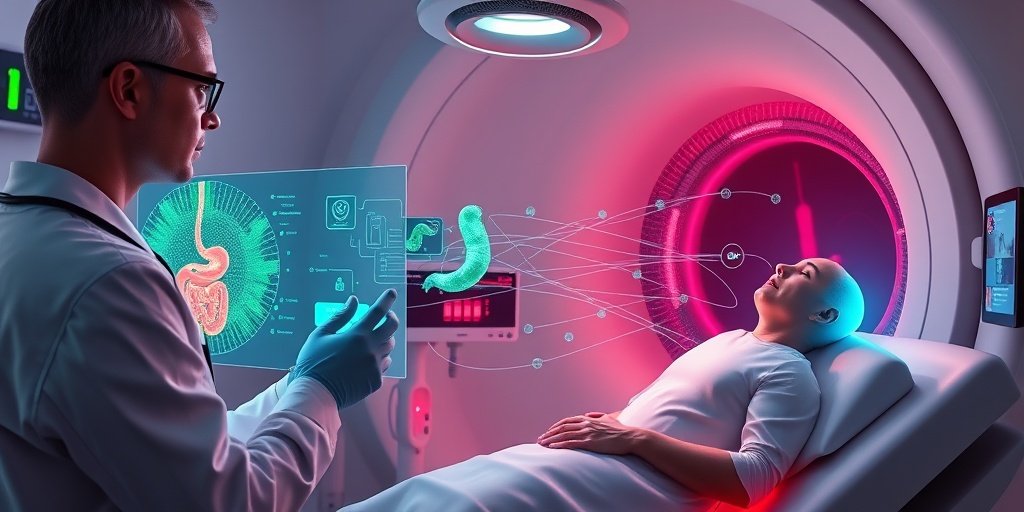
Radiomics & AI enhance tumor response prediction in GI neoplasms. Key findings: ORs range from 8.12 to 11.62. 📊🔍
Nearly 1,000 participants joined the LiveWell Liver Study in under a year, utilizing NHS data for research. 📊🩺