Sepsis AI cuts hospital costs and ICU stays
A new study proves that predictive AI for sepsis actually saves hospitals millions, challenging the skepticism surrounding digital health investments.

A new study proves that predictive AI for sepsis actually saves hospitals millions, challenging the skepticism surrounding digital health investments.
A new machine learning model helps ICU nurses predict dangerous blood pressure drops before starting renal replacement therapy.
A new dual-model AI system catches sepsis and infection hours before they turn fatal, shifting the ICU from reactive treatment to proactive defense.
Standard hospital triage routinely misjudges how fast sick children need a doctor, but a new neural network proves we can catch them at the front door.
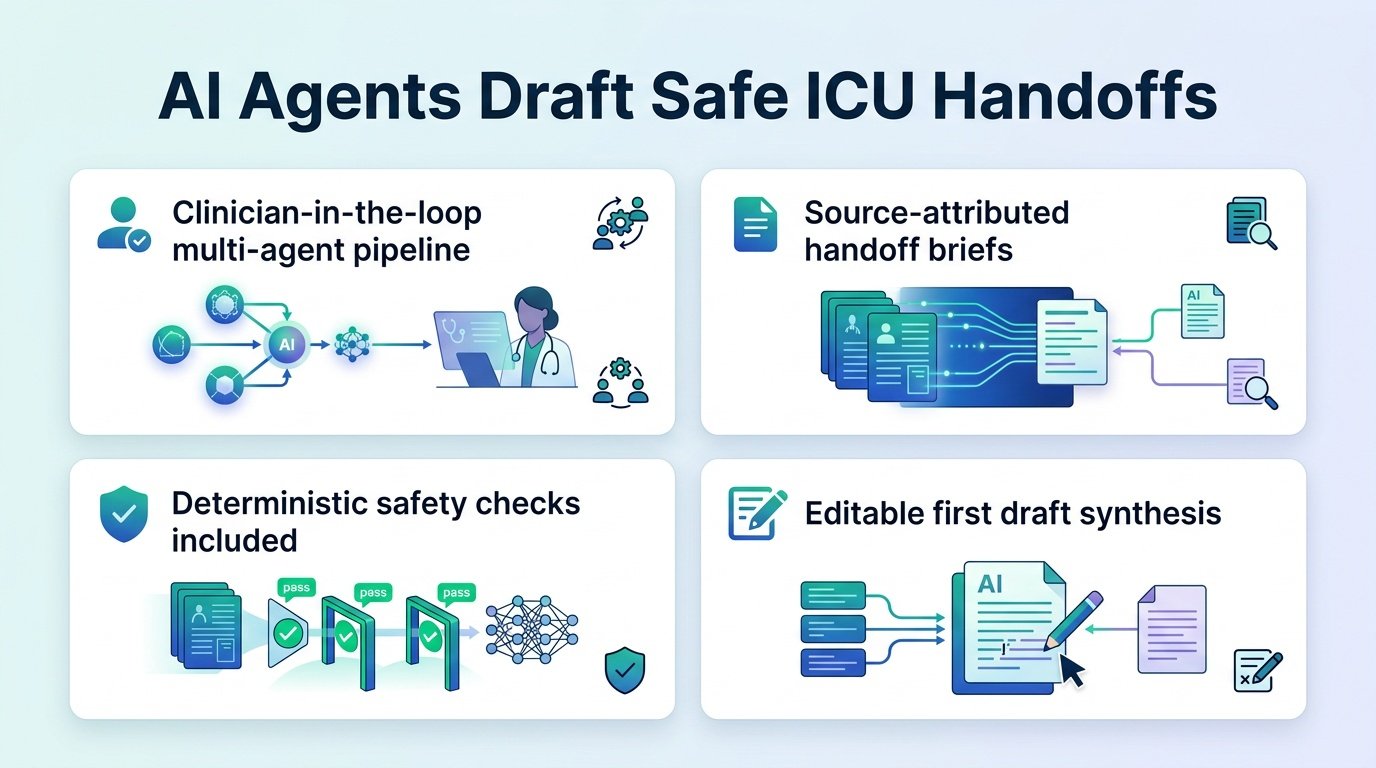
A new multi-agent AI pipeline proves that the safest way to use language models in hospitals is to stop treating them as autonomous writers and start using them as structured conflict detectors.

A new machine learning model predicts 30-day mortality for brain bleed patients using routine clinical data instead of expensive brain scans, challenging the assumption that advanced imaging is required for accurate prognosis.
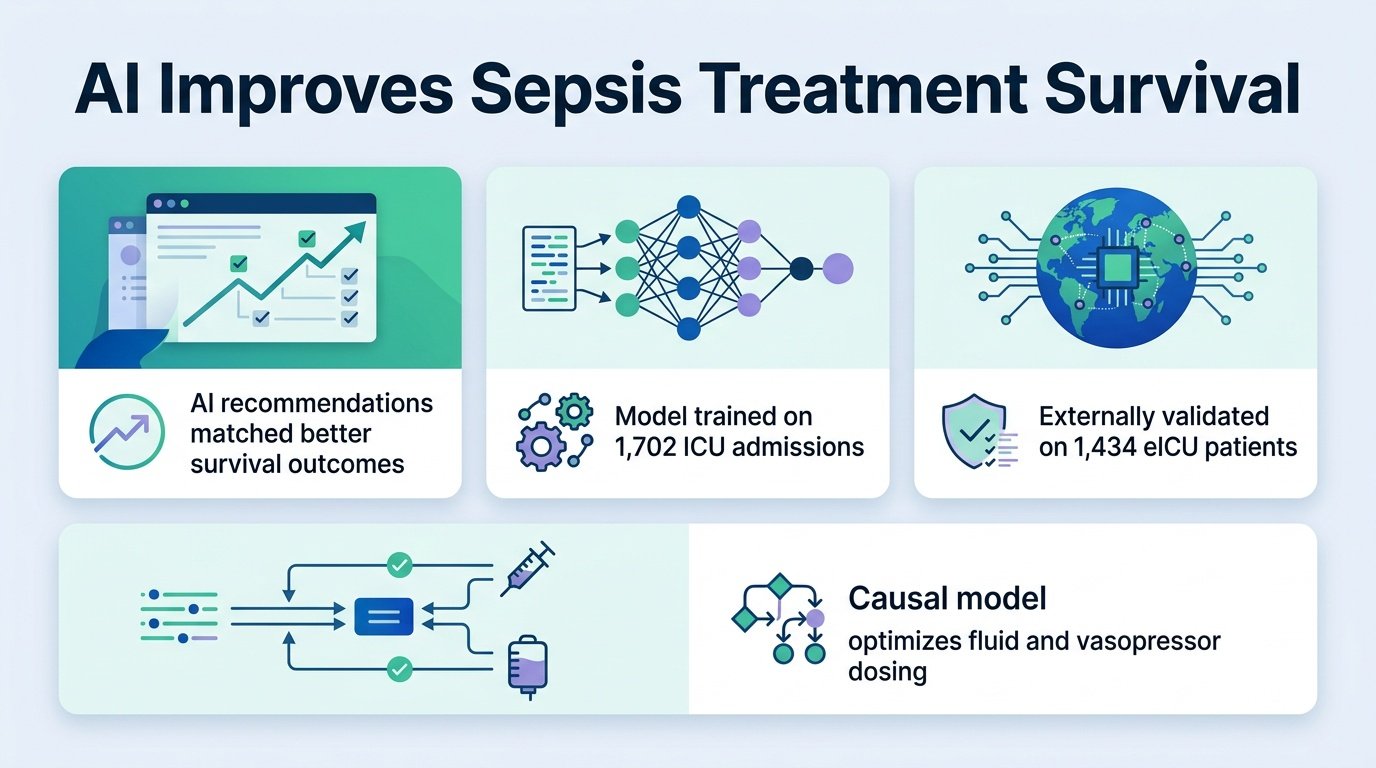
A new causal AI model shows that straying from its vasopressor dosing recommendations is tied to a fivefold increase in hospital mortality for septic shock patients.
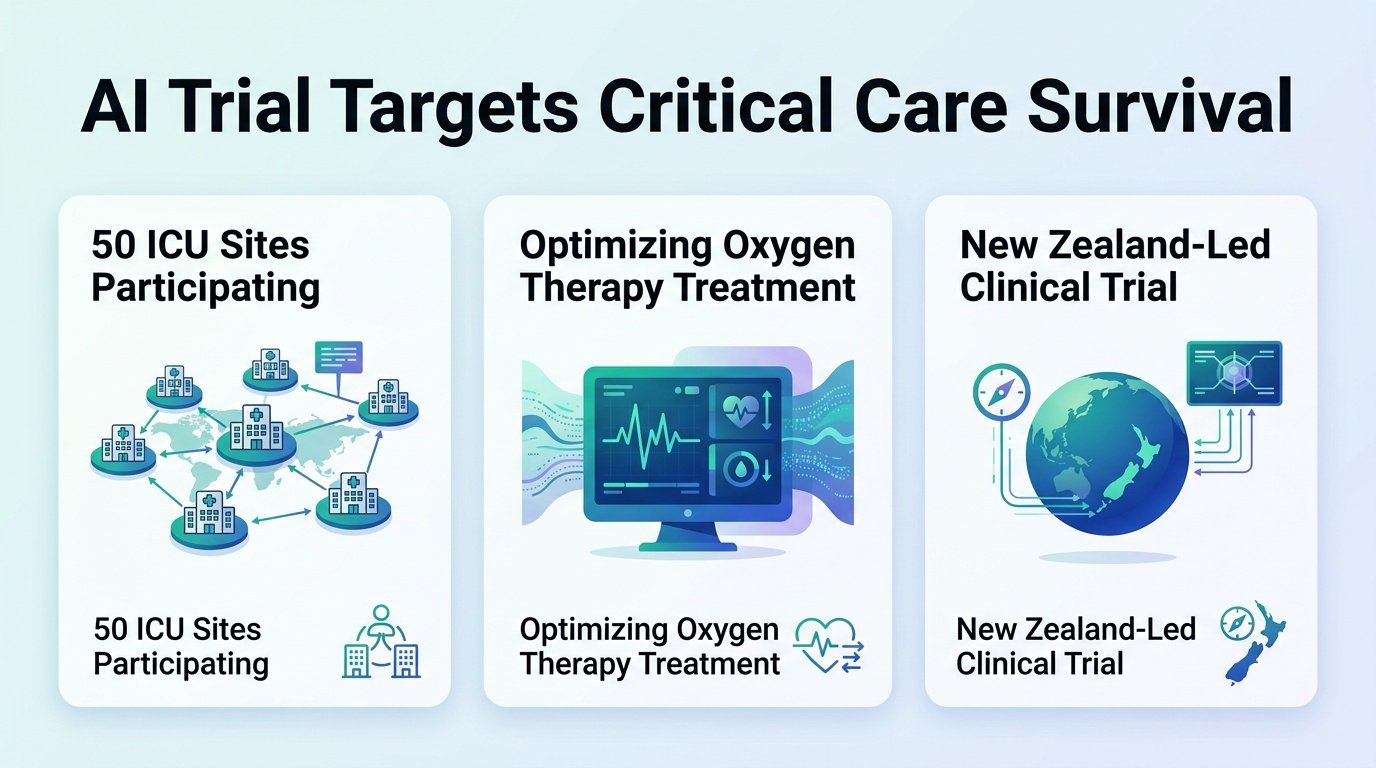
An ambitious clinical trial across Australasia is about to test whether machine learning can make split-second decisions to save critically ill patients.
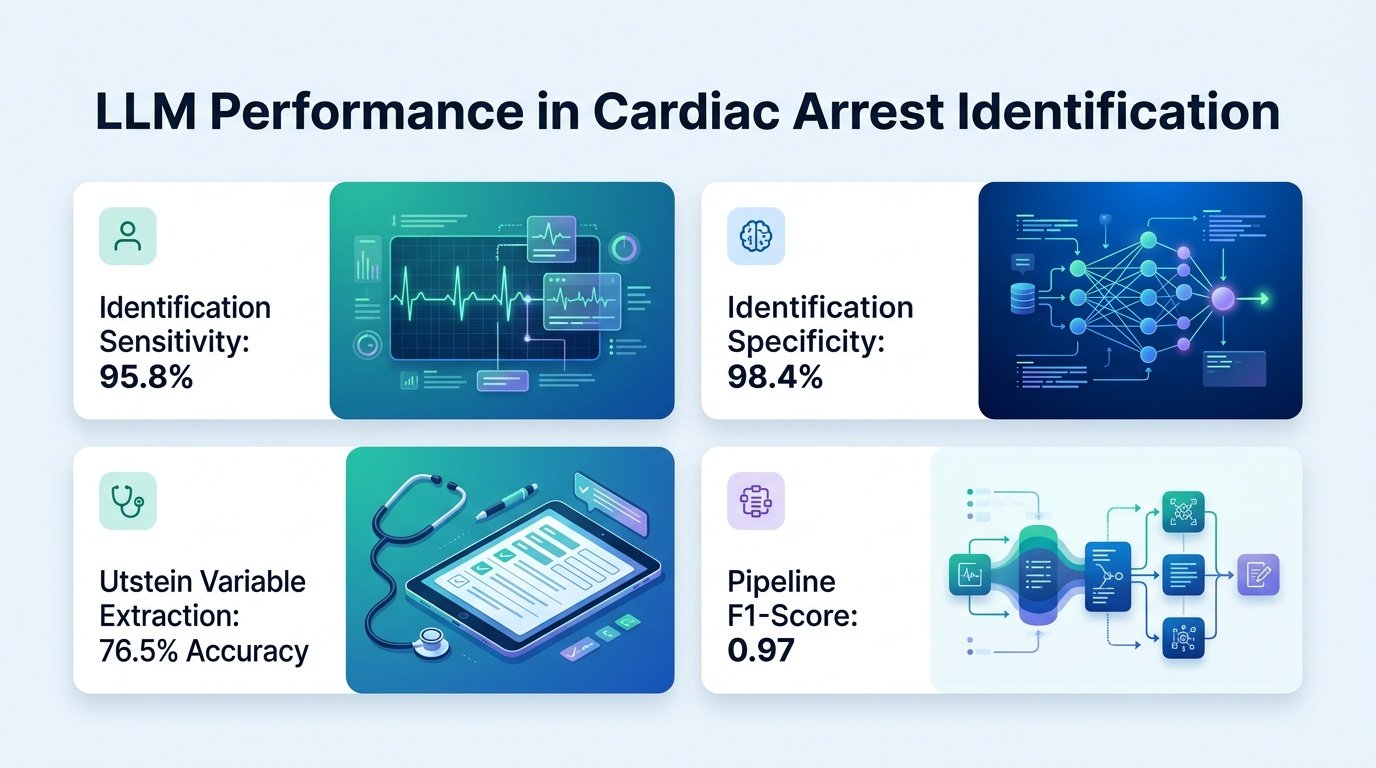
Automated medical registries promise to slash administrative burdens, but a new trial reveals that large language models are not yet reliable enough to replace human chart reviewers.
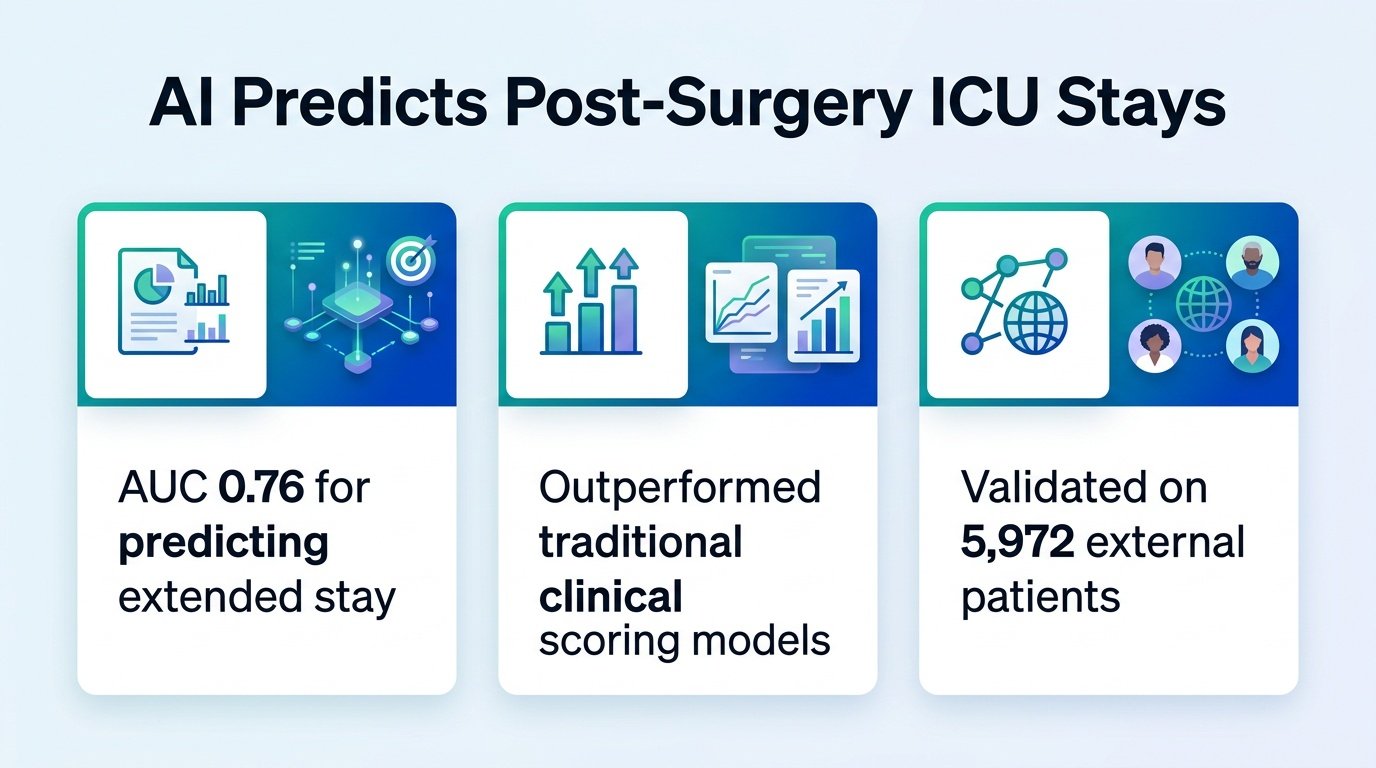
A new machine learning model can help hospitals predict which heart surgery patients will get stuck in the ICU, but its performance drop in external testing highlights a persistent hurdle for clinical AI.