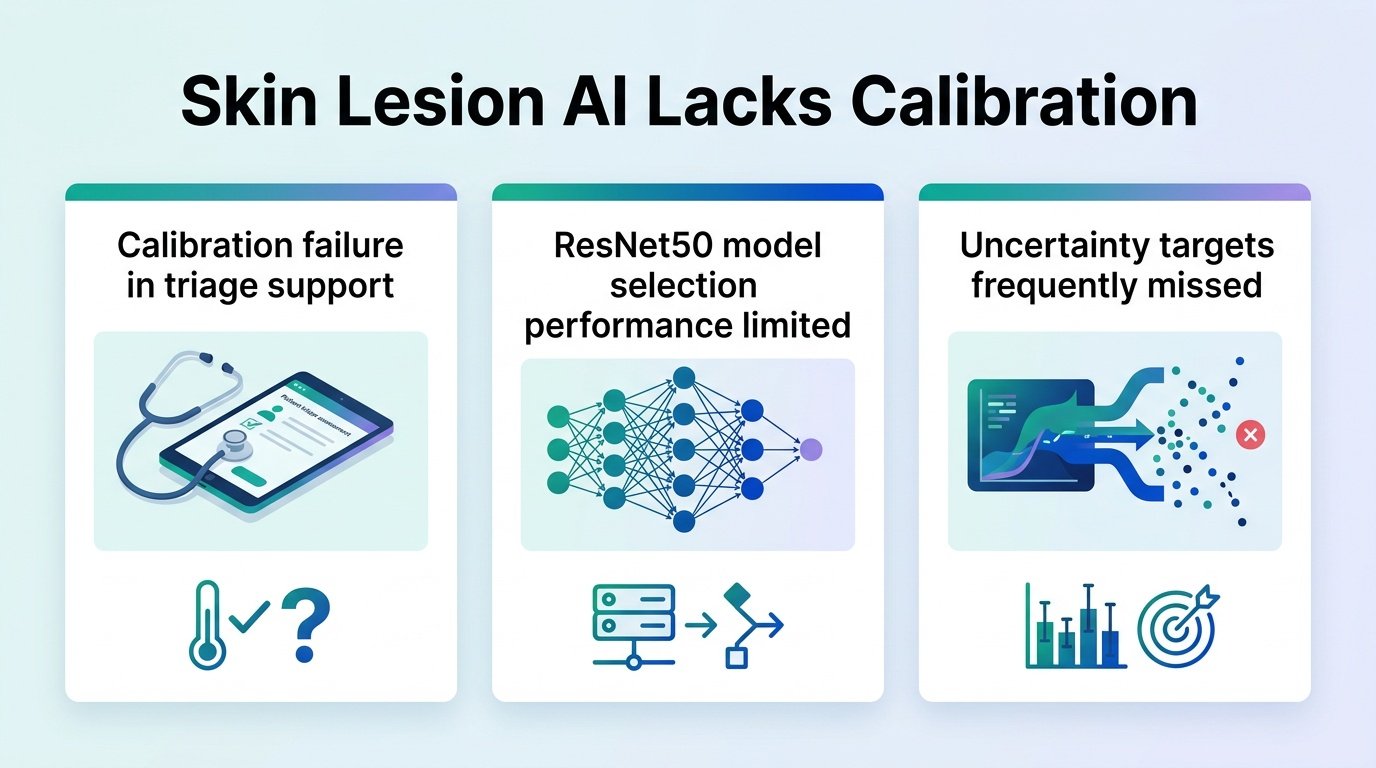
Skin lesion AI misses its uncertainty targets
A new benchmark reveals that even calibrated image-recognition models struggle to safely hand off difficult skin cancer cases to human specialists.

A new benchmark reveals that even calibrated image-recognition models struggle to safely hand off difficult skin cancer cases to human specialists.
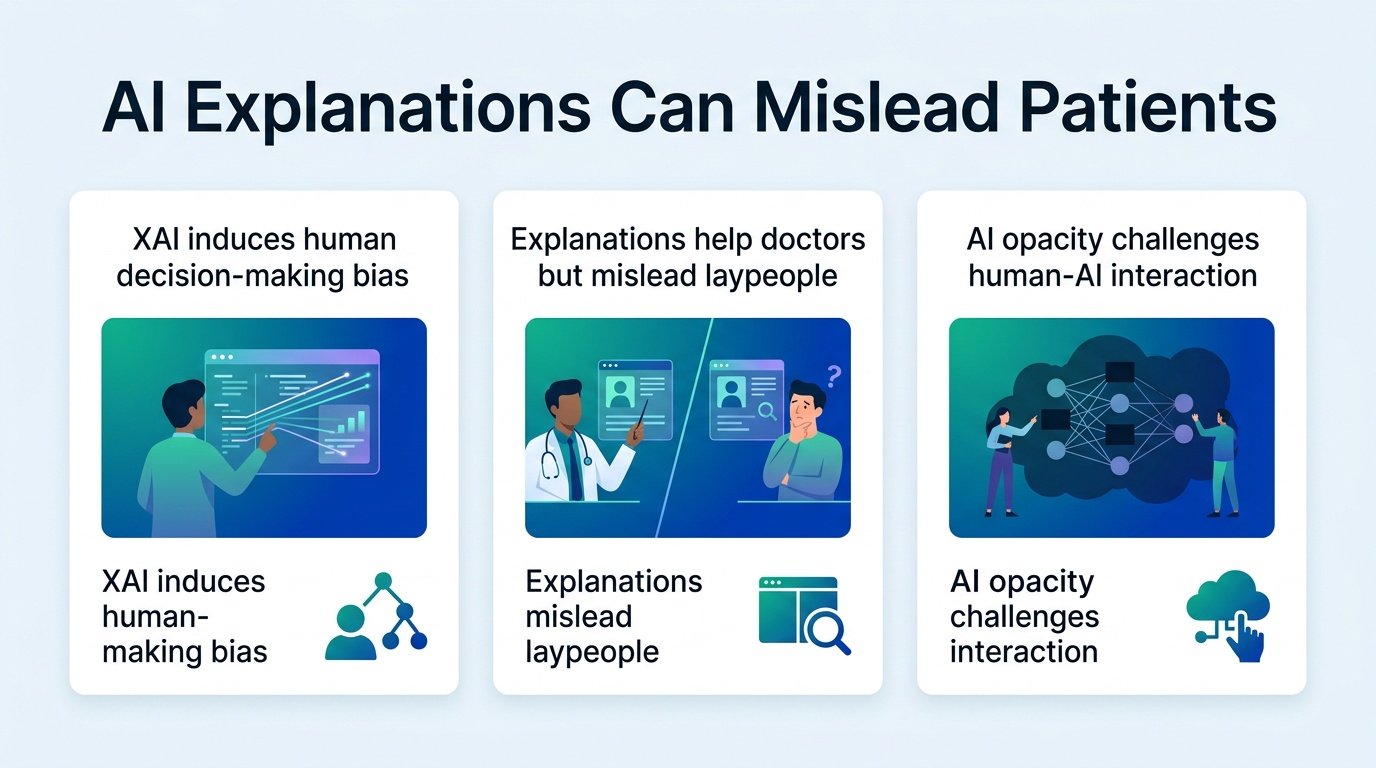
New research shows that explaining how medical AI works makes untrained users trust wrong answers, while doctors remain unaffected.
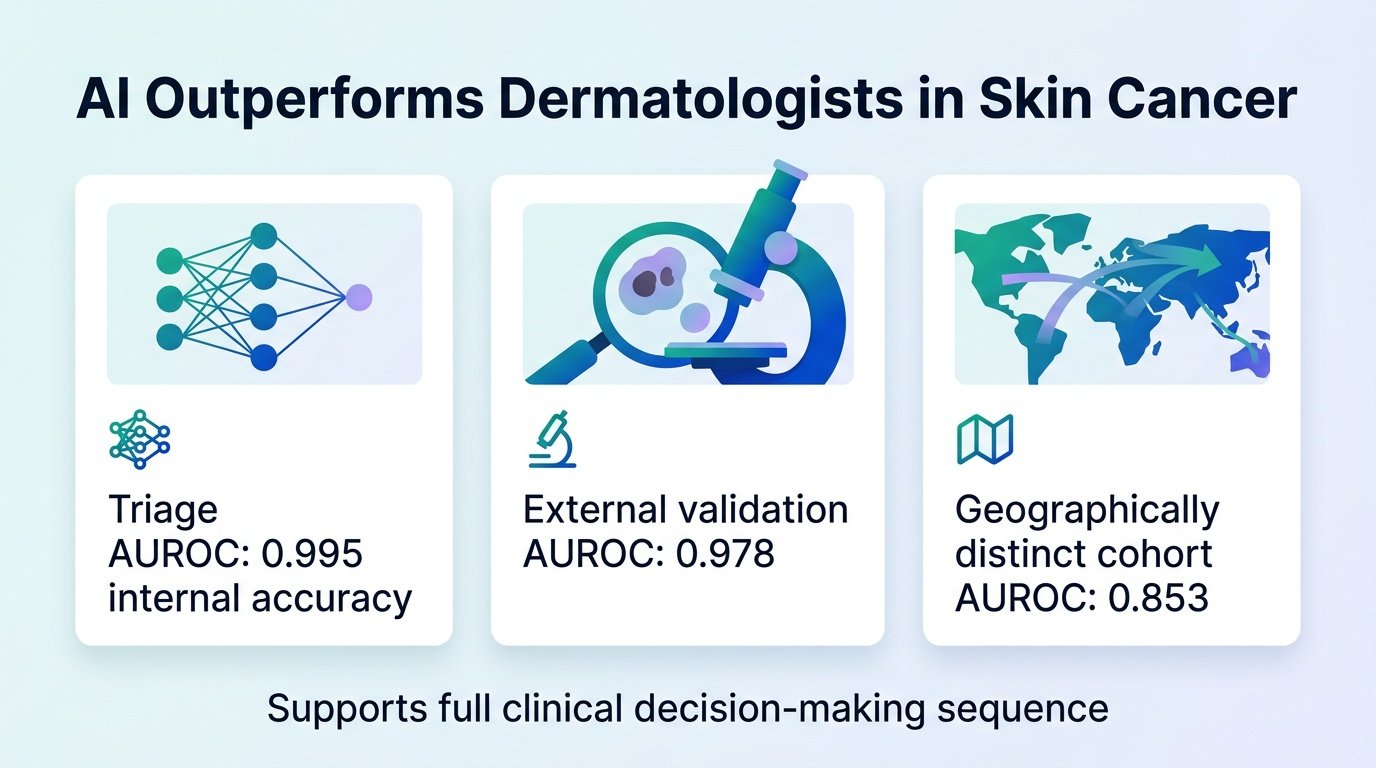
A new clinical model outperforms specialists in diagnosing skin cancer, but its hidden failure modes reveal why deploying diagnostic AI remains a high-stakes gamble.
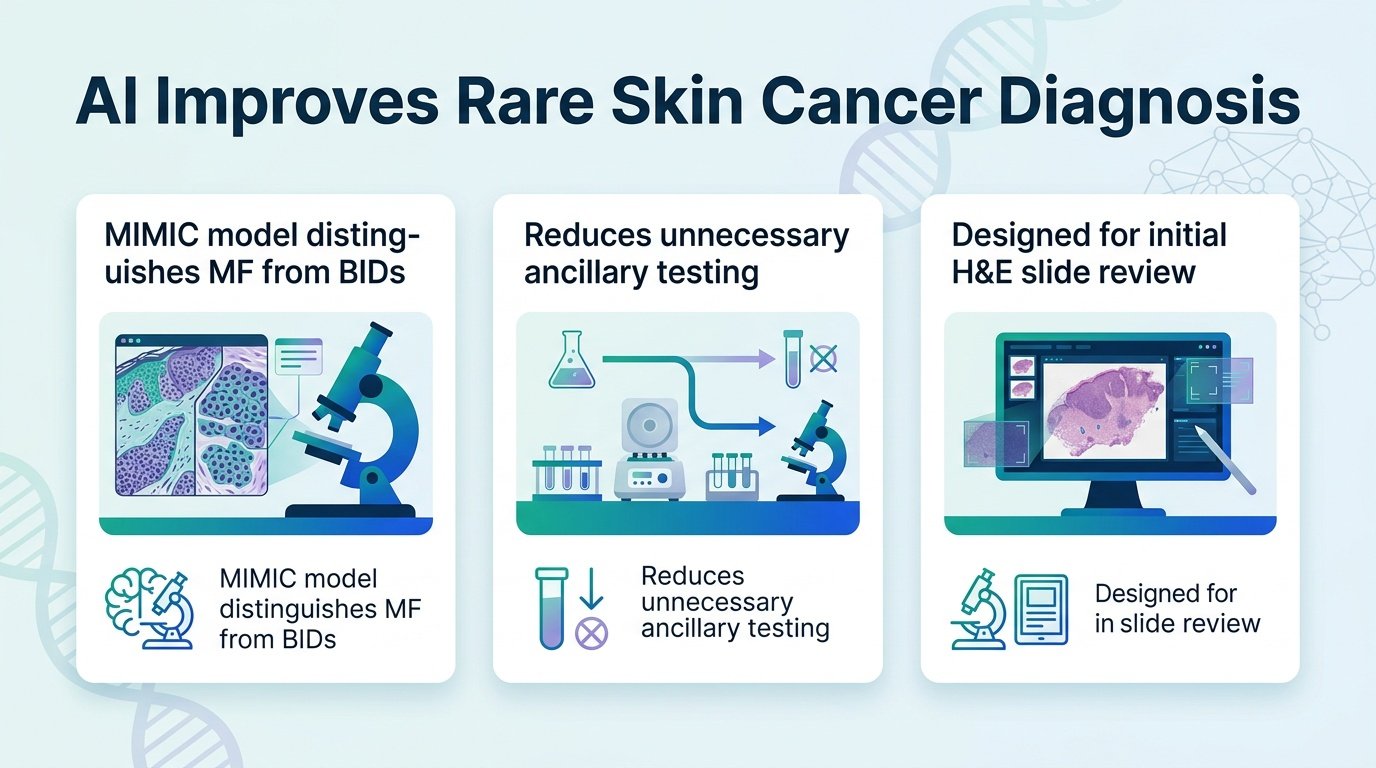
A new deep learning tool could stop pathologists from ordering endless, defensive tests to rule out a mimic of common skin rashes.
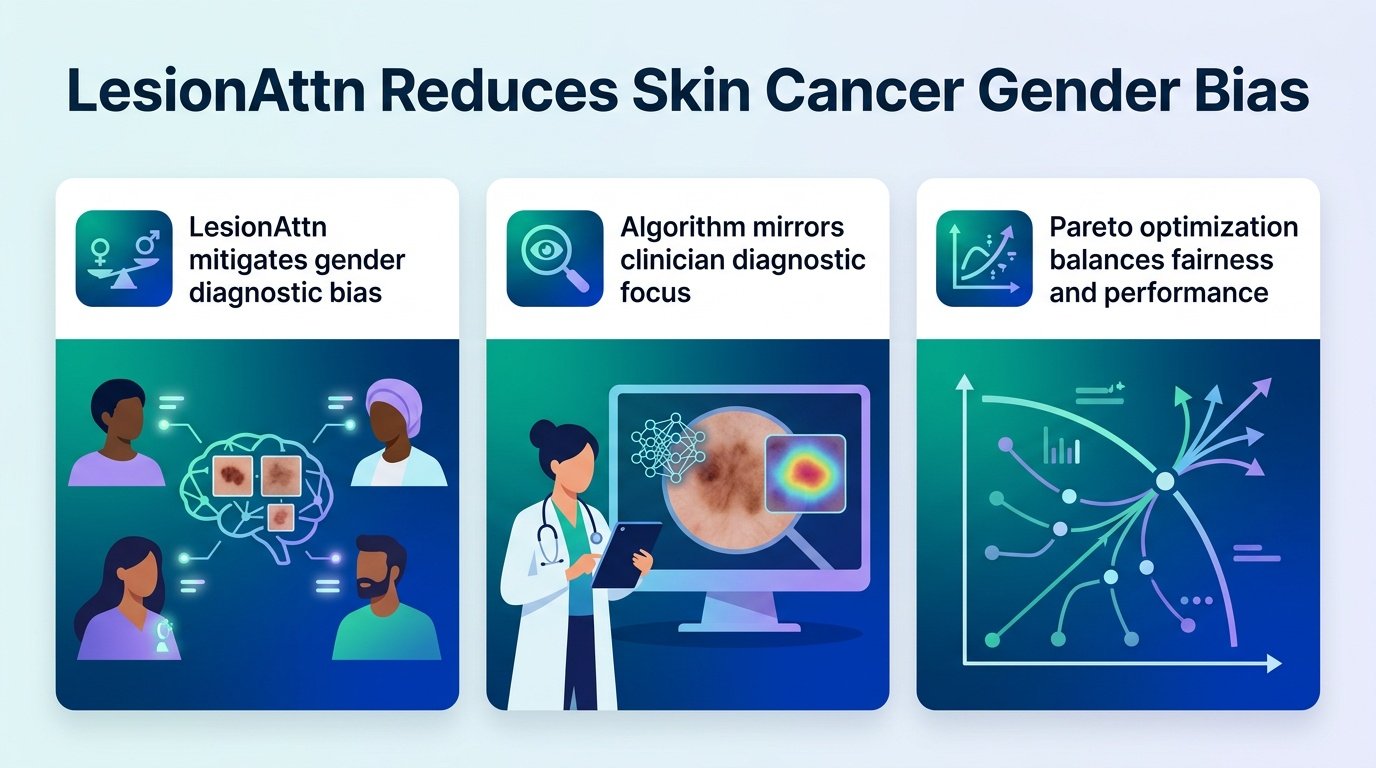
Dermatology algorithms are quietly biased against gender, but forcing them to look at actual skin lesions instead of demographic noise might finally fix the problem.
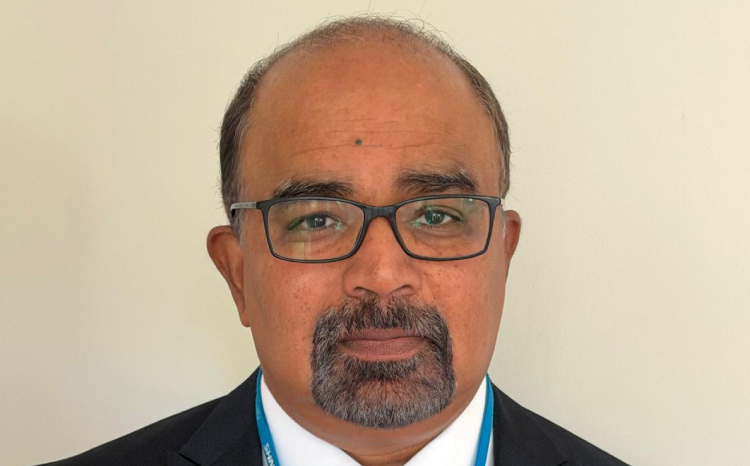
Bradford Teaching Hospitals uses AI for early skin cancer detection, improving diagnosis speed and reducing patient wait times. 🏥💻
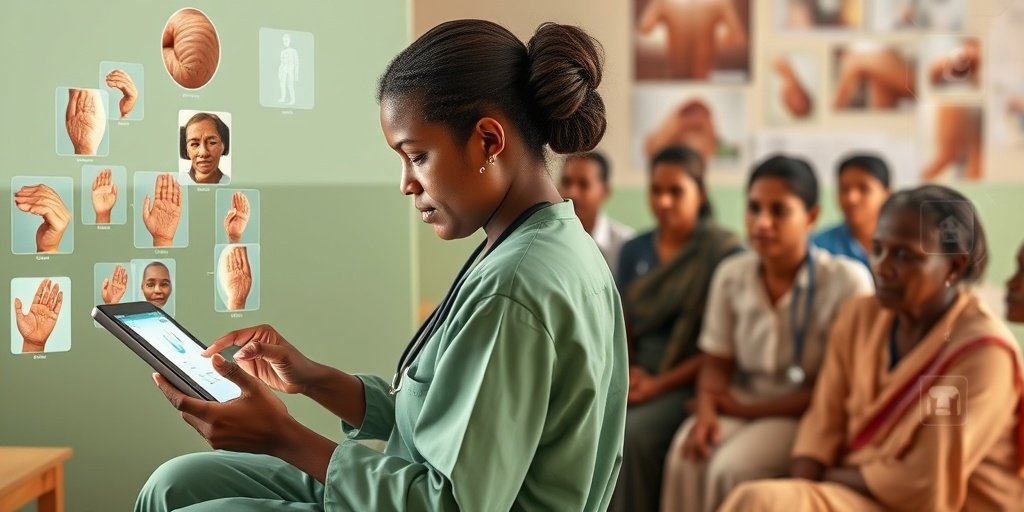
WHO’s AI-Powered Skin NTDs App: 99.8% Sensitivity in Disease Detection! 📱🌍
AI aids in assessing skin lesions in mastocytosis, offering new insights into treatment effectiveness. 🩺✨
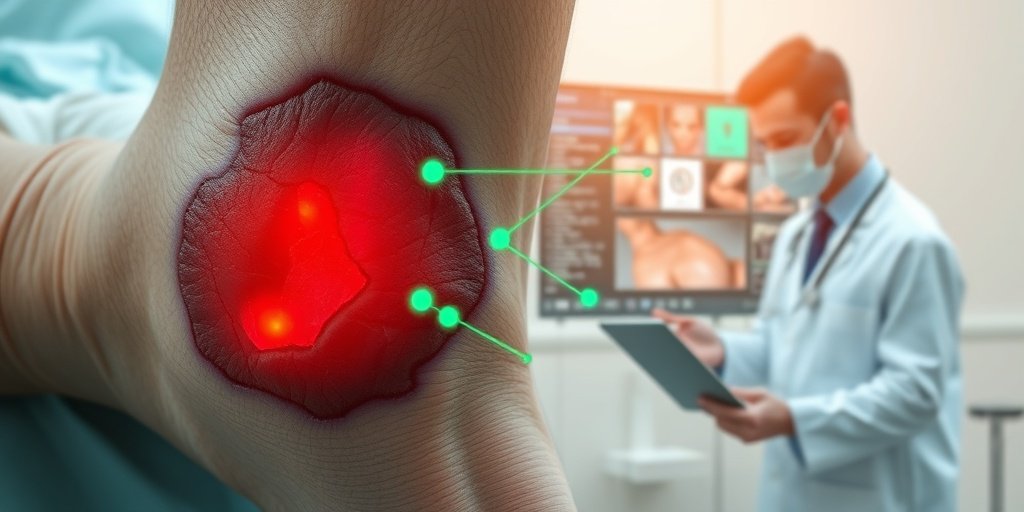
AI in Chronic Wound Care: CNNs Achieve DSC of 0.927 📊, IoU of 0.868 for Segmentation! 🩹
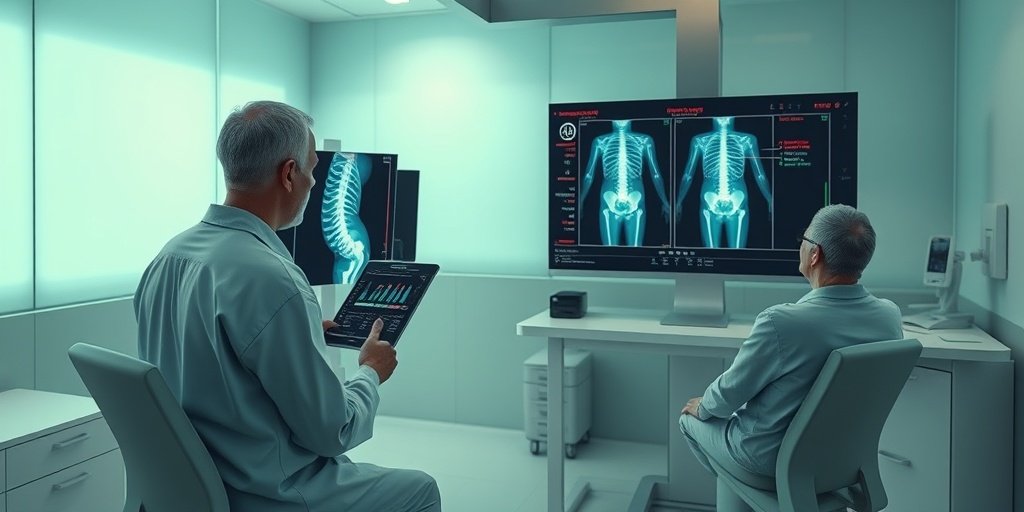
AI in Osteoporosis Detection: YOLOv4 achieves 78.1% accuracy for osteoporosis classification and 68.3% for fractures. 📊🦴