A fresh $26 million injection into medical data infrastructure proves that the biggest bottleneck in digital health is no longer collecting patient data, but making sense of its chaos.
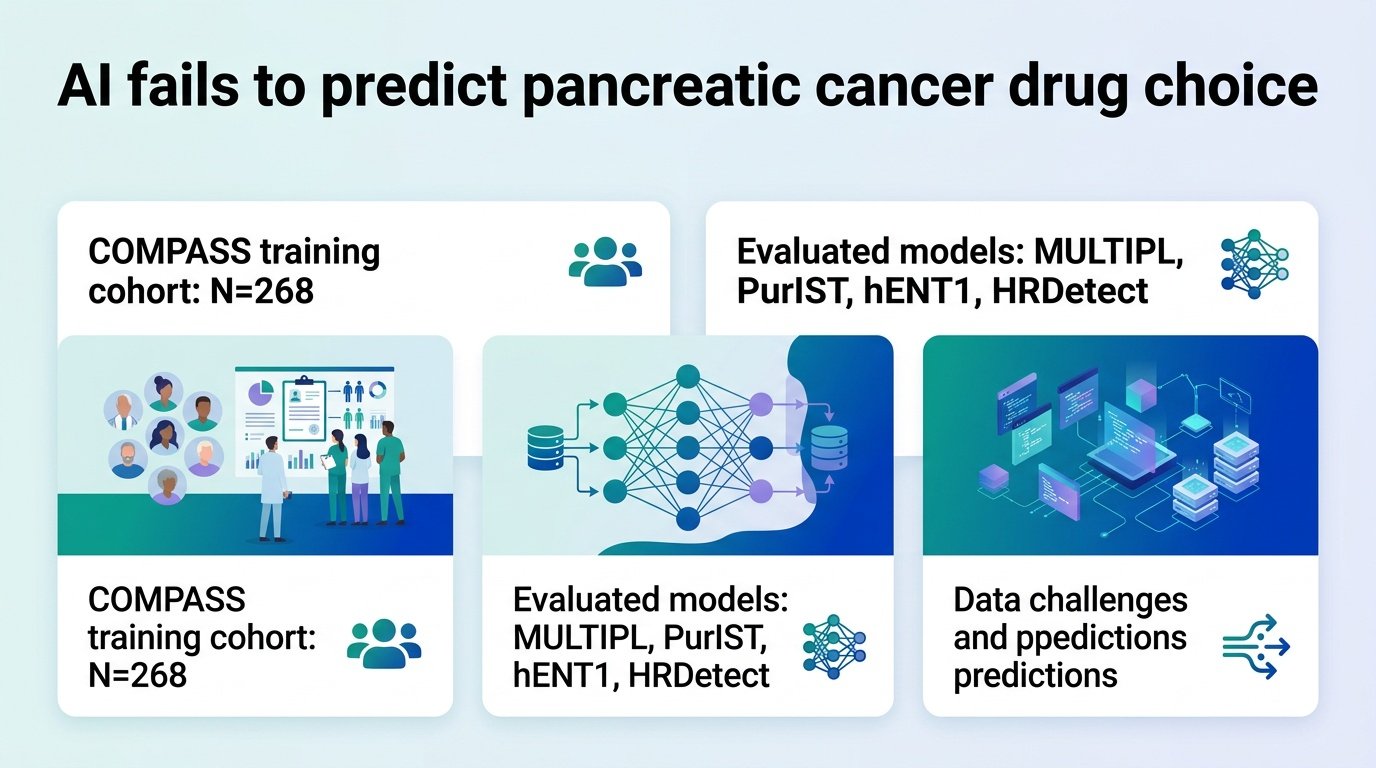
A highly anticipated multimodal AI outperformed other biomarkers at staging pancreatic cancer risk, yet it failed its primary test of matching the right drug to the right patient.
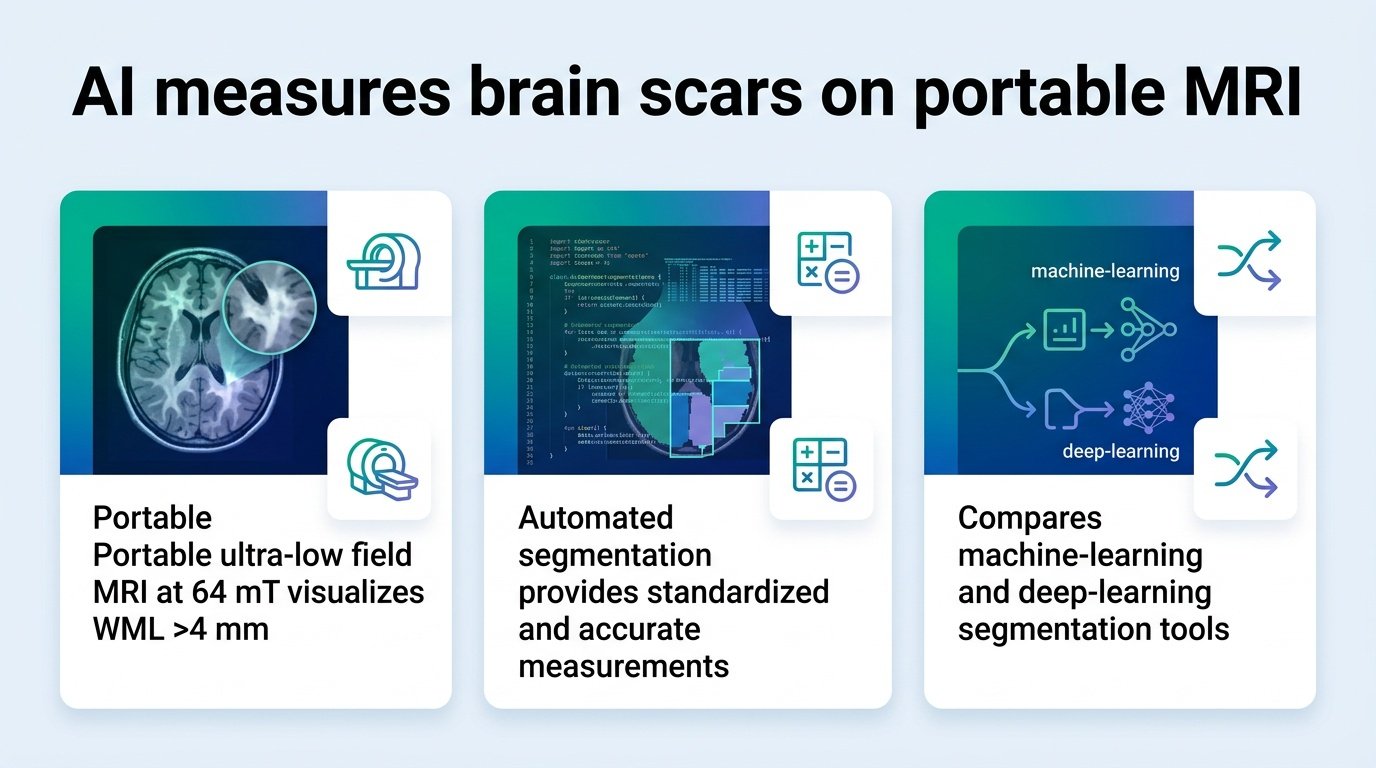
Low-cost portable MRI scanners can track multiple sclerosis progression, but only if we stop relying on algorithms built for high-end hospital machines.
A class-action lawsuit challenging Oura’s sleep-tracking claims exposes the fragile boundary between consumer wellness gadgets and clinical medical devices.