
Healthcare’s persistent reliance on the fax machine is finally facing a coordinated digital assault, but the real battle is about network scale rather than technology.
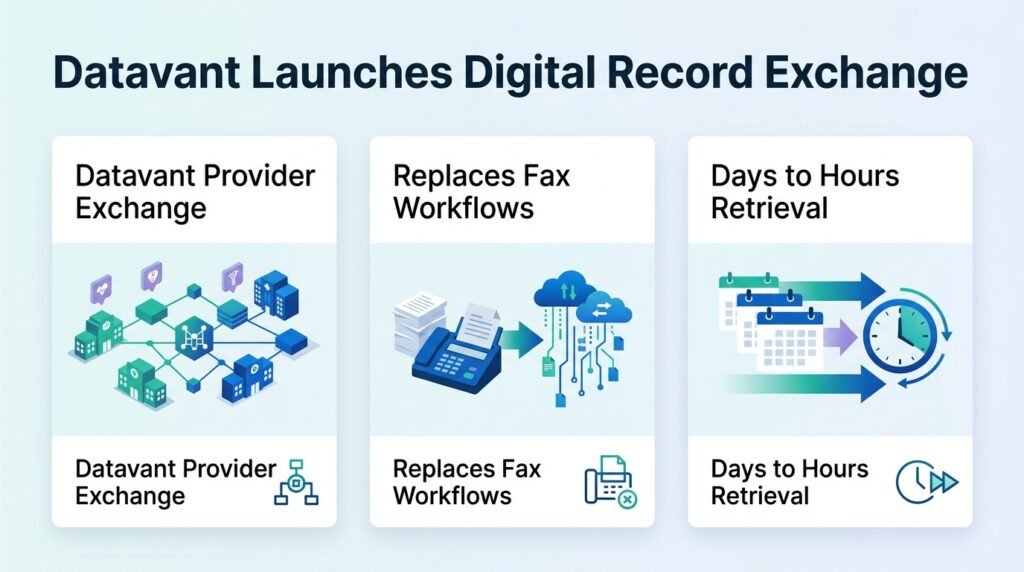
Datavant’s new Provider Exchange platform claims it can shrink medical record retrieval times from days to mere hours. By replacing manual, paper-heavy workflows with digital requests, the system targets one of medicine’s most stubborn operational bottlenecks.
For decades, getting a patient’s history from another facility meant sending a fax and waiting. In critical fields like organ donation, these delays are not just annoying. They are dangerous. Clinicians face tight windows to review donor histories, where a delayed page can mean a lost organ.
The scale advantage
Building a portal is easy. Getting hospitals to use it is the real challenge. Datavant’s strategy relies on its existing footprint of 85,000 hospitals and clinics.
By utilizing its 2025 acquisition of Ontellus, the company has consolidated its grip on the data pipeline. Instead of forcing providers to adopt entirely new software, the platform plugs into existing systems. This massive pre-existing network gives the platform immediate utility that smaller startups cannot match.
The integration bottleneck
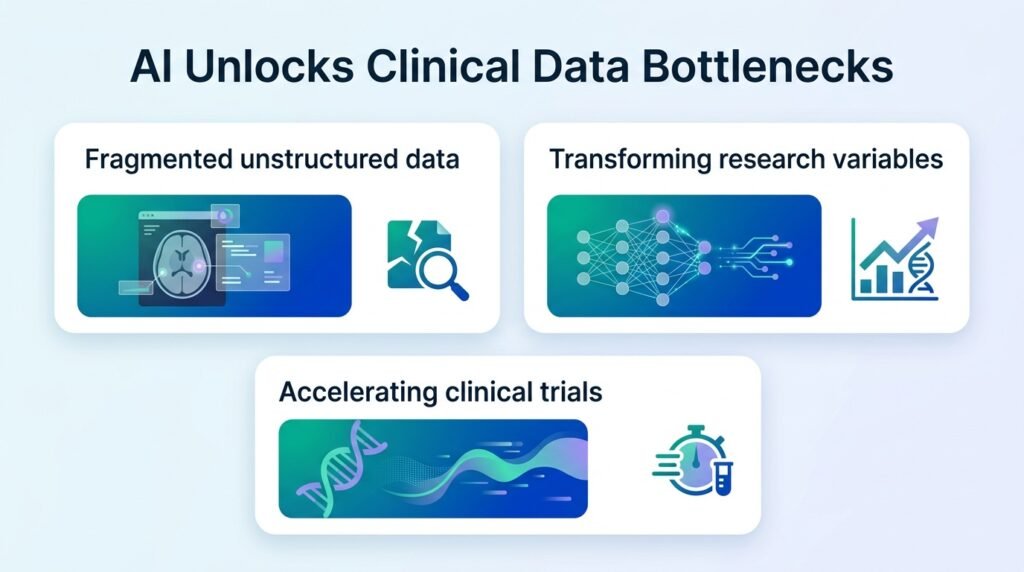
But digitizing the request is only half the battle. The true test of this platform will be how it handles unstructured data.
Much of healthcare’s legacy data remains trapped in scanned PDFs and handwritten notes. If digital retrieval simply delivers unsearchable image files faster, clinicians will still waste hours sorting through the noise.
True efficiency requires more than speed. It demands data that is immediately usable at the point of care. Until systems can automatically parse these retrieved records, the administrative burden is merely shifted, not solved.