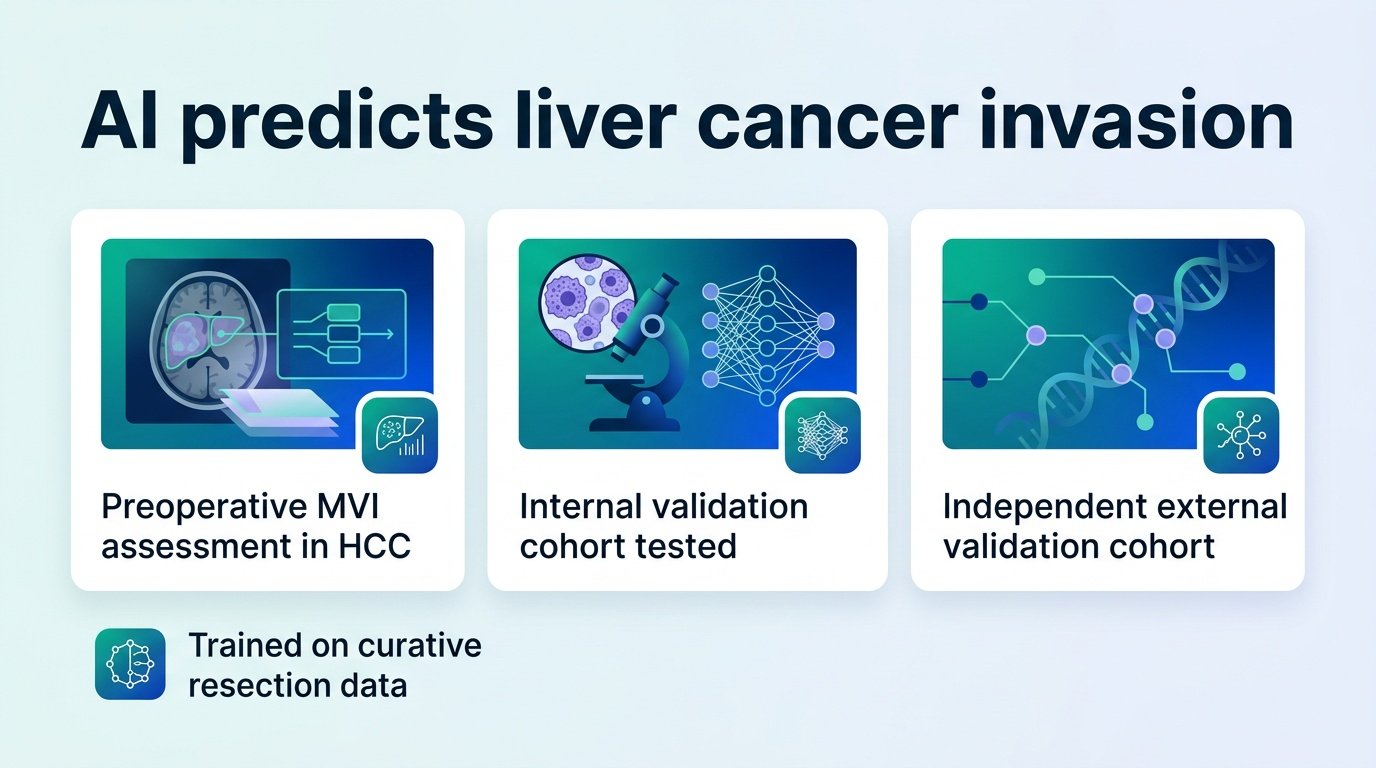
A new machine learning model predicts microvascular invasion in liver cancer patients before surgery, but its dropping accuracy in external hospitals reveals the persistent challenge of clinical AI translation.
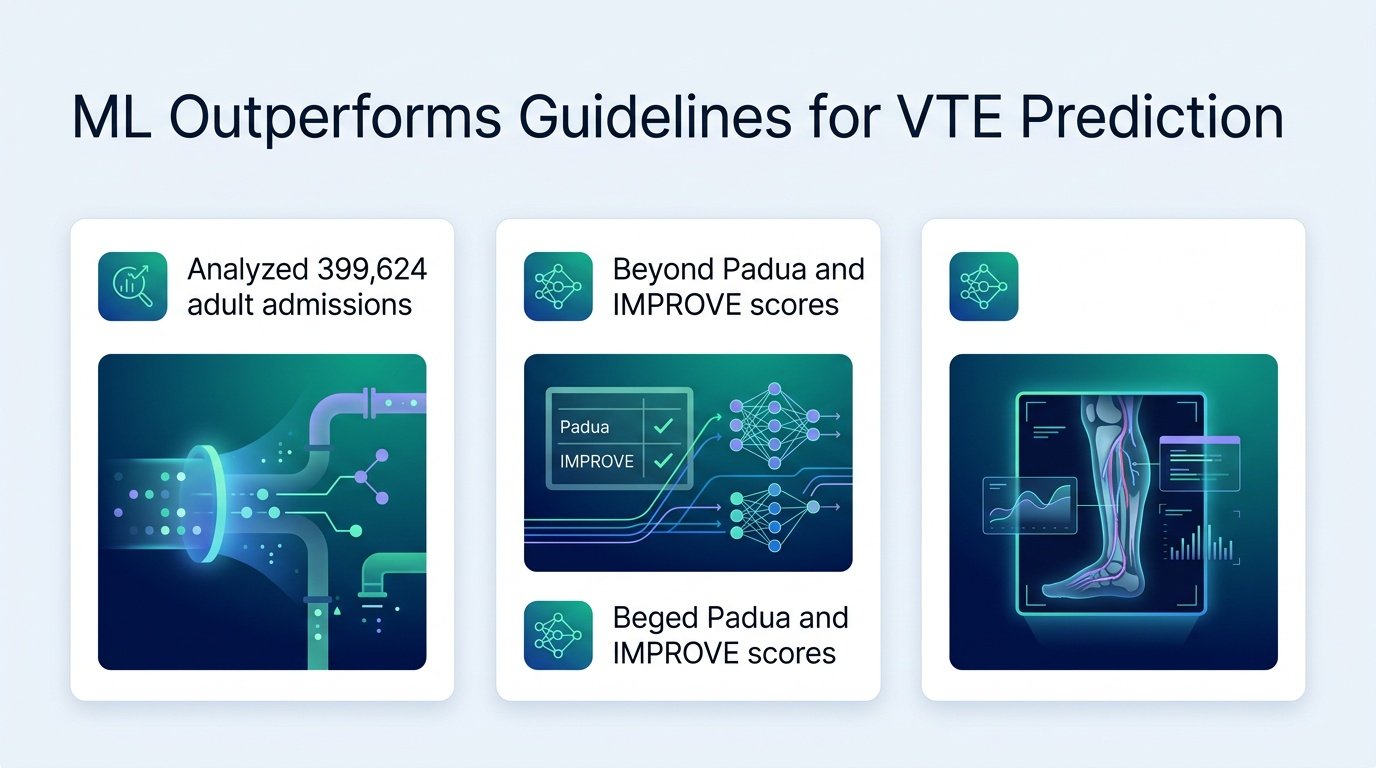
New data shows machine learning crushes traditional clinical guidelines for predicting hospital-acquired blood clots, questioning our reliance on manual checklists.
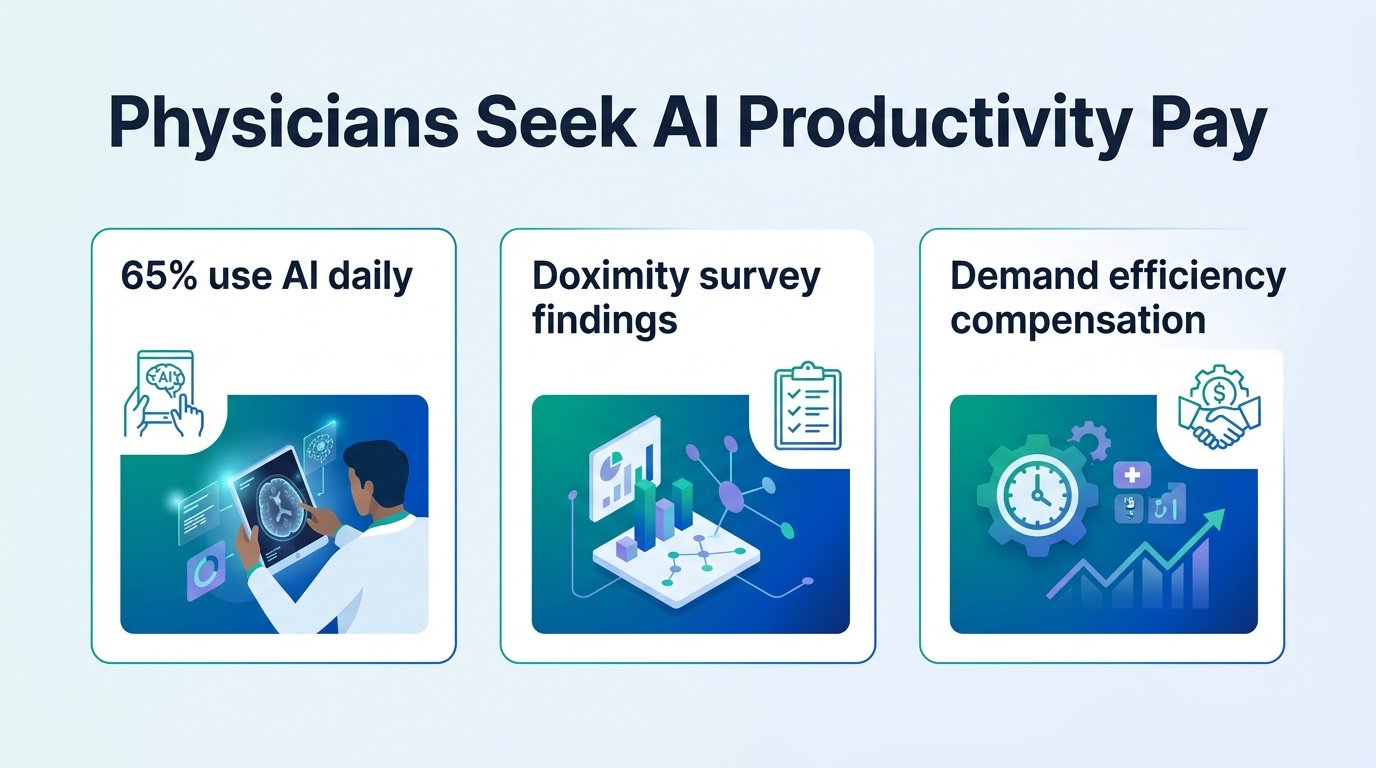
As artificial intelligence slashes administrative burdens for doctors, a quiet battle is brewing over who actually owns the financial upside of this new efficiency.
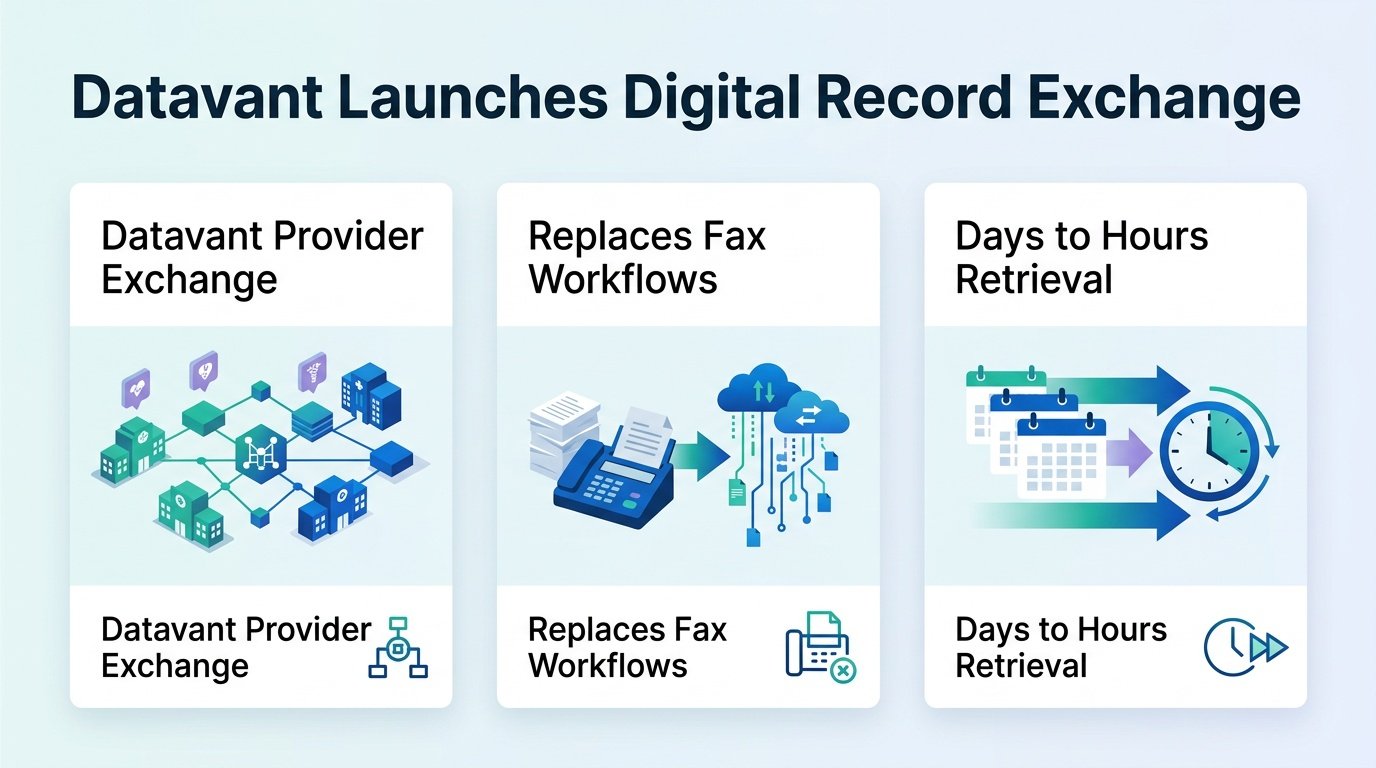
Healthcare's persistent reliance on the fax machine is finally facing a coordinated digital assault, but the real battle is about network scale rather than technology.
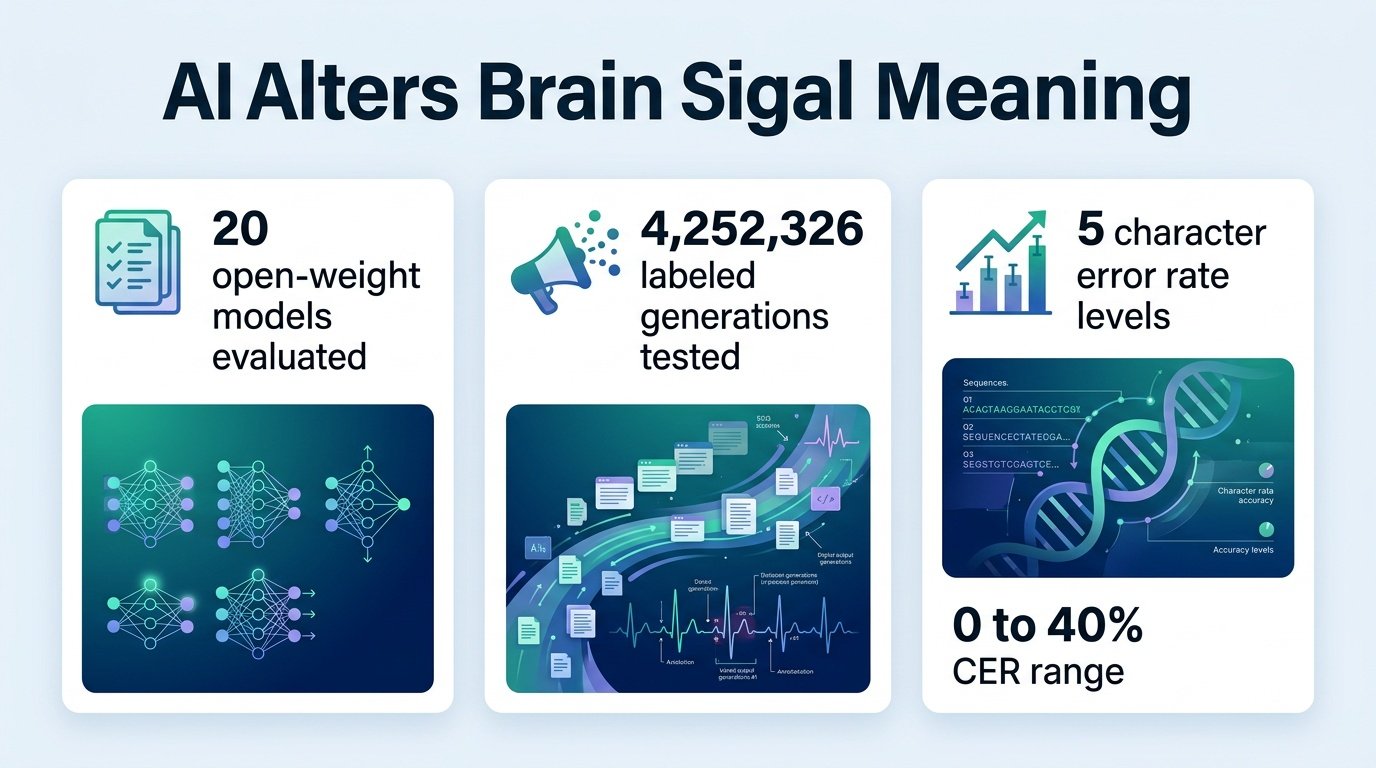
Using large language models to clean up brain-computer interface outputs introduces a dangerous new failure mode: fluent, highly confident lies that alter what paralyzed patients are actually trying to say.