A massive chunk of mental health data is currently invisible to the insurers who pay for care.
How do you measure the quality of therapy? Unlike physical medicine, where blood pressure and lab results offer clear metrics, behavioral health relies on narrative. Up to 70% of behavioral health quality signals remain trapped in unstructured clinical notes. Legacy payer systems simply cannot read them.
This data blind spot makes it nearly impossible for insurers to verify if patients are getting better. It also makes auditing care a manual, agonizing chore.
The Payer Push
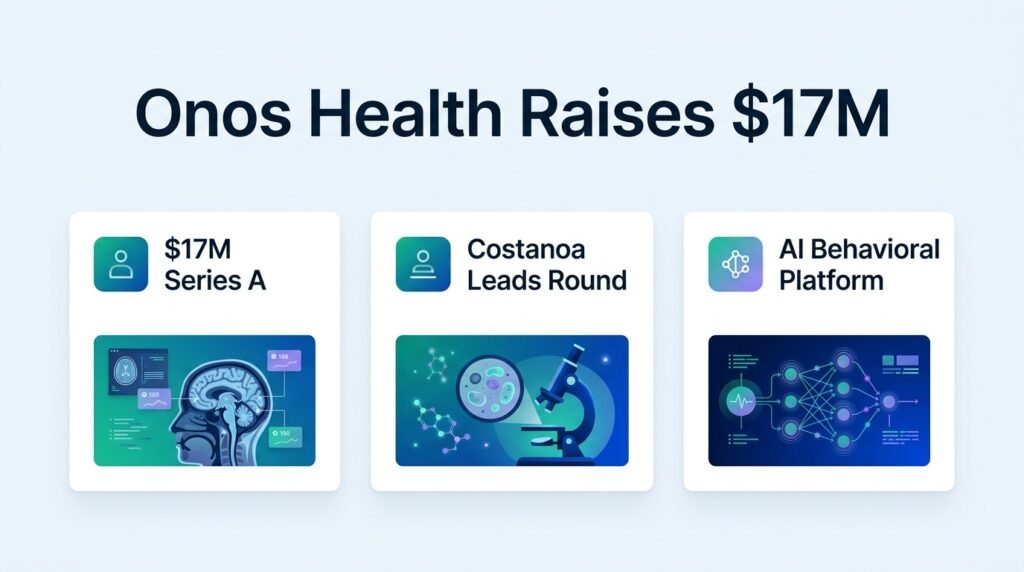
Onos Health just secured $17 million in Series A funding to bridge this gap. The round, which brings their total capital to $23.5 million, features backing from major venture arms including CVS Health Ventures. The platform translates messy clinical text into structured, actionable data.
The rapid fundraising cycle—with plans to chase a $40 million Series B within 18 months—signals how desperate payers are to get a grip on ballooning mental health costs. This is about proving clinical value to the entities holding the checkbook.
The Early Proof
Early deployments with Aetna suggest the math works. The platform drove a 35% improvement in clinical standard adherence and boosted clinical review efficiency by 75%. Most importantly for payers, it yielded a 6% reduction in behavioral program costs.
But scaling this technology comes with friction. Behavioral health clinicians are historically protective of narrative notes. They fear that algorithmic parsing might oversimplify complex patient experiences. If Onos wants to hit its next growth milestones, it must prove that its AI respects the nuance of therapy, rather than just optimizing for insurance approvals.