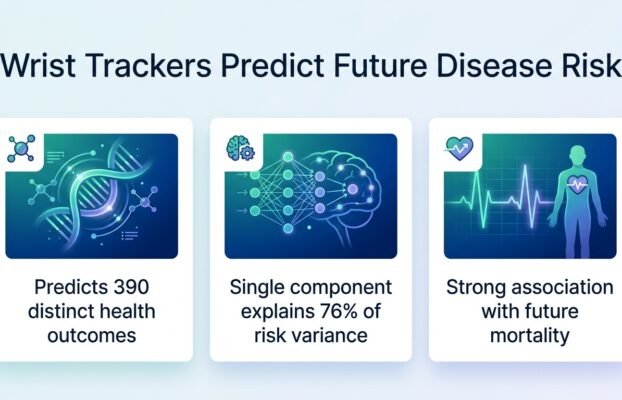
Wrist trackers predict future disease and mortality
July 28, 2026A single week of wrist-worn movement data can forecast hundreds of future health conditions years before they are diagnosed.

AI turns simple ECGs into mortality predictors
July 28, 2026A standard ten-second heart trace holds hidden data that could predict when a patient will die, but clinics are not equipped to read it.
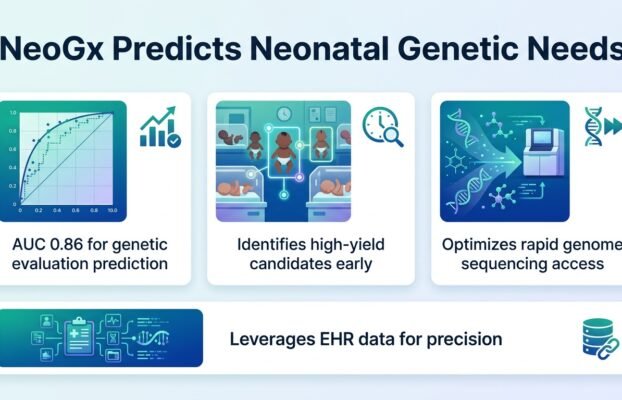
NeoGx: Machine-Recommended Rapid Genome Sequencing for Neonates
July 28, 2026An algorithm trained on electronic health records can flag critically ill newborns who need rapid gene sequencing weeks faster than human doctors alone.
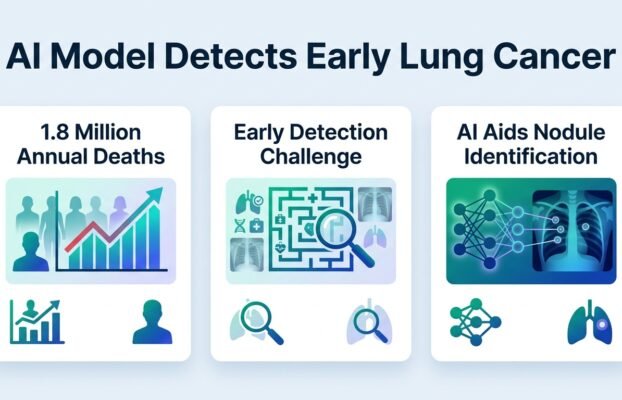
AI spots microscopic lung cancer before radiologists can
July 27, 2026Algorithms can now flag the earliest signs of lung cancer, but technology alone cannot fix a broken healthcare pipeline.
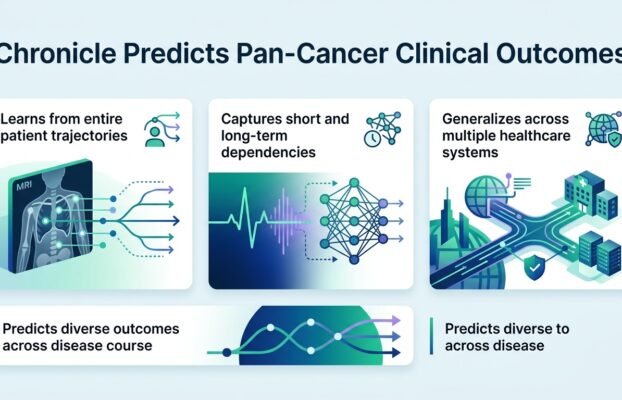
An explainable transformer model learning from entire treatment timelines for pan-cancer risk profiling across healthcare systems
July 27, 2026By tracking entire patient histories instead of clinical snapshots, a new AI model outperforms traditional cancer staging systems across three countries.
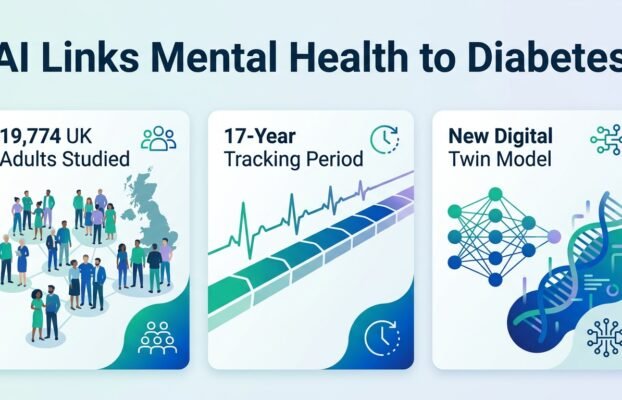
AI Links Loneliness to Type Two Diabetes
July 27, 2026A digital twin model proves that mental health is not just a quality-of-life issue but a direct driver of chronic physical disease.
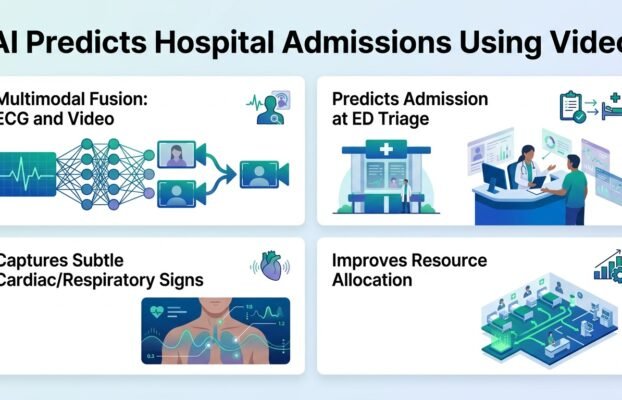
AI uses video and ECG to predict admissions
July 27, 2026A new deep learning model proves that combining visual breathing patterns with heart scans can predict which emergency patients will need a hospital bed.
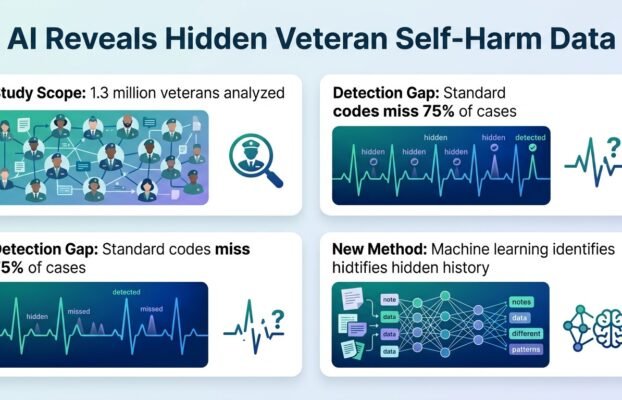
AI Exposes Hidden Self-Harm in Medical Records
July 27, 2026Standard medical billing codes are failing to track patient crises, leaving healthcare systems blind to critical mental health risks.
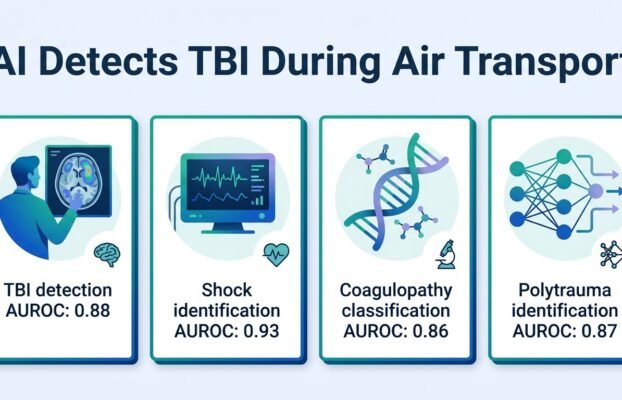
Enhancing the golden hour: classification of traumatic brain injury, severity, and concomitant clinical phenotypes using prehospital continuous physiological data during air transport
July 27, 2026By analyzing continuous vital signs in the air, machine learning can identify traumatic brain injuries before the helicopter even lands.