The federal government is finally moving to regulate generative AI in clinical settings, but the transition from static algorithms to unpredictable models will test the limits of traditional oversight.
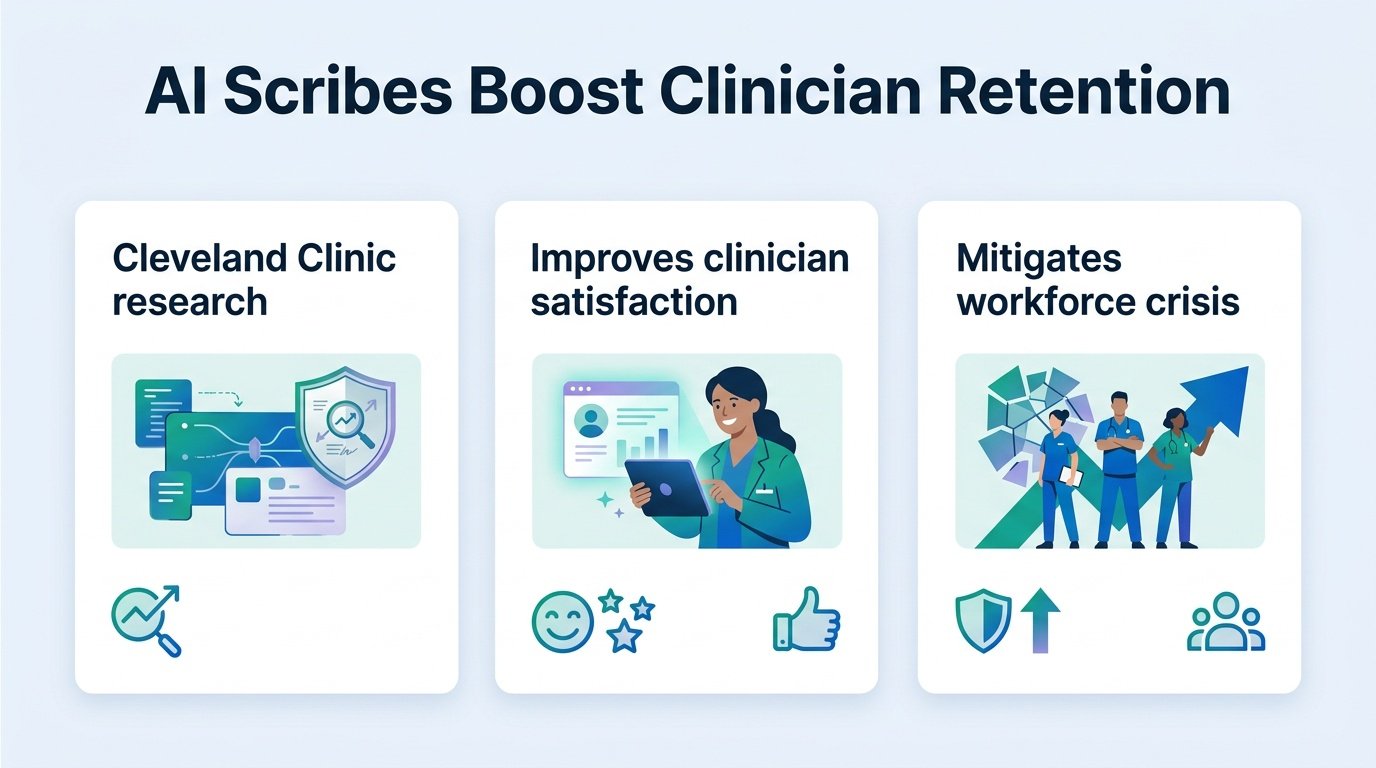
Hospitals are spending millions to keep exhausted clinicians from walking out the door, but the best retention tool might just be an algorithm that listens.
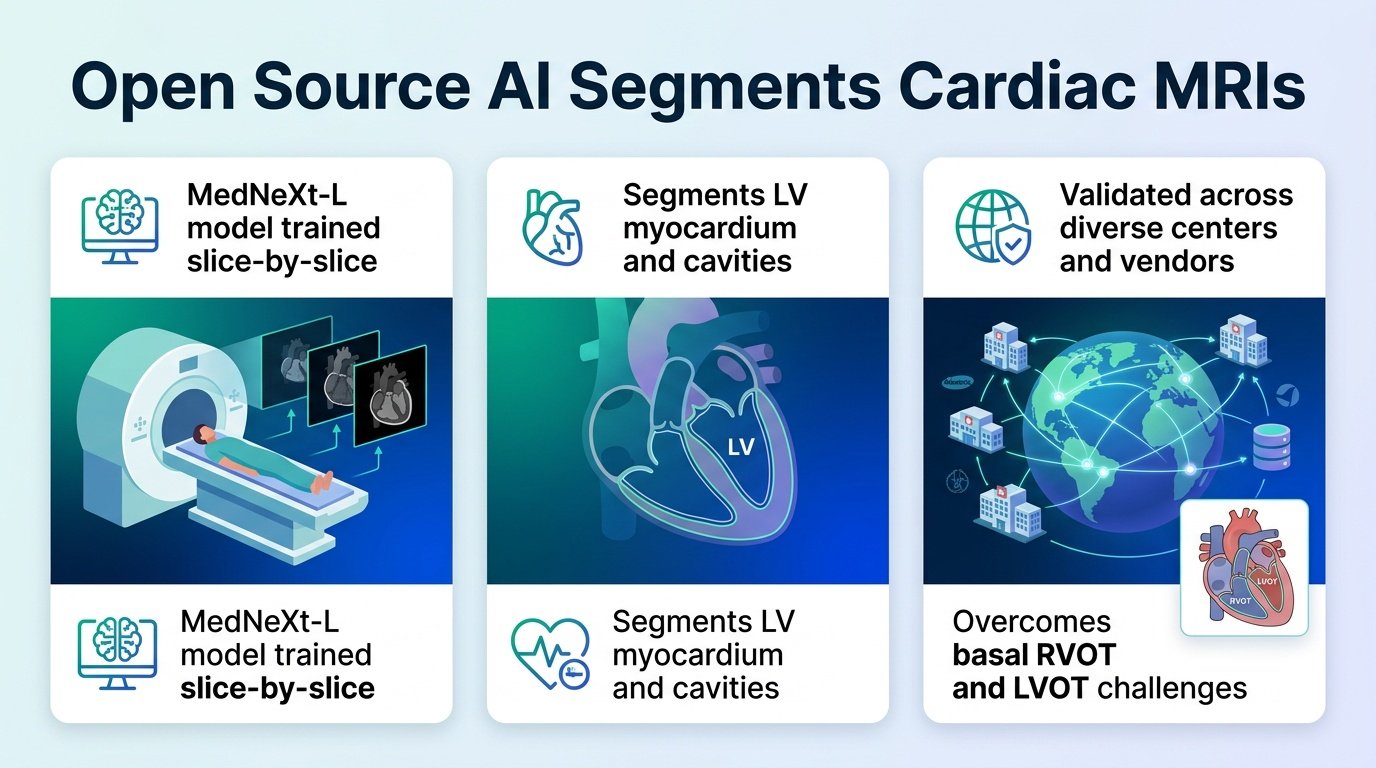
A new open-source AI matches human precision in tracing heart structures but falls short on the critical calculations doctors use to make treatment decisions.
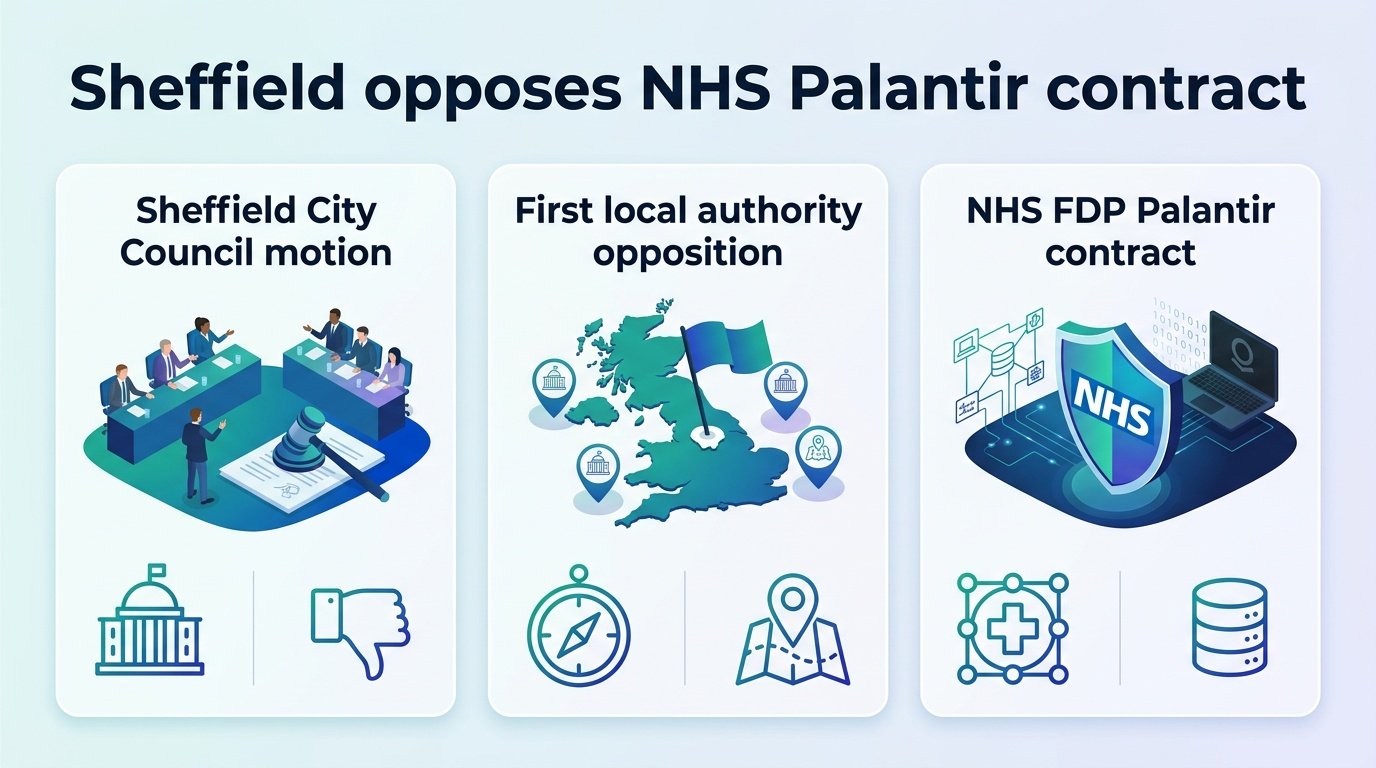
A major northern city council has formally opposed the NHS Federated Data Platform, signaling a deepening local mutiny against central healthcare technology decisions.