
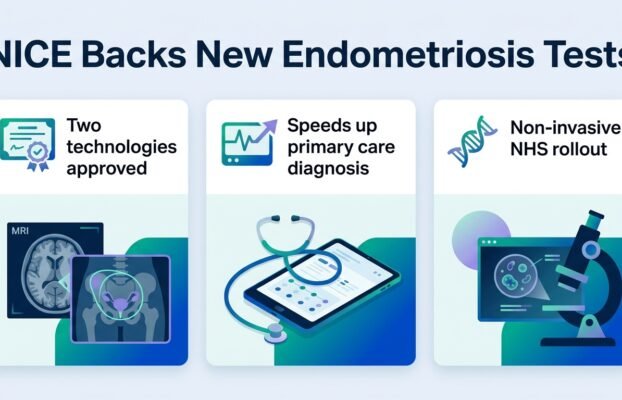
Non-invasive tests target endometriosis delay
July 7, 2026A decade of silent suffering for endometriosis patients might finally be cut short by a shift toward non-invasive diagnostics.

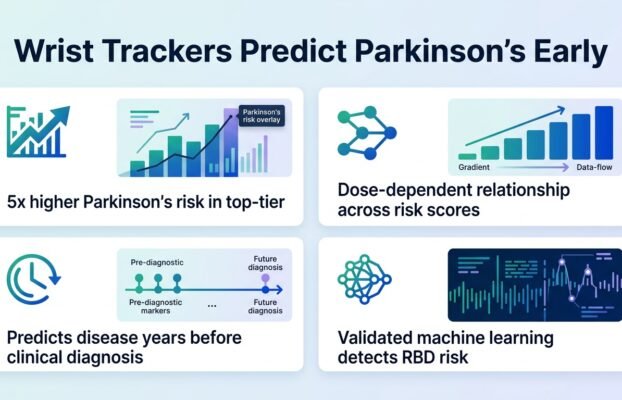
Wrist trackers predict Parkinson’s disease years early
July 7, 2026A new analysis of wearable data shows that tracking how we move during sleep can flag Parkinson's risk a decade before clinical symptoms appear.
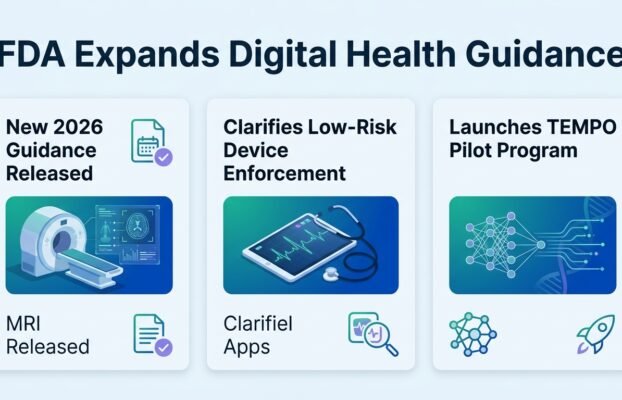
FDA Cuts Red Tape for Health Wearables
July 7, 2026The federal government is loosening its grip on low-risk digital health tools, but developers who mismanage their marketing claims will still face regulatory crackdowns.
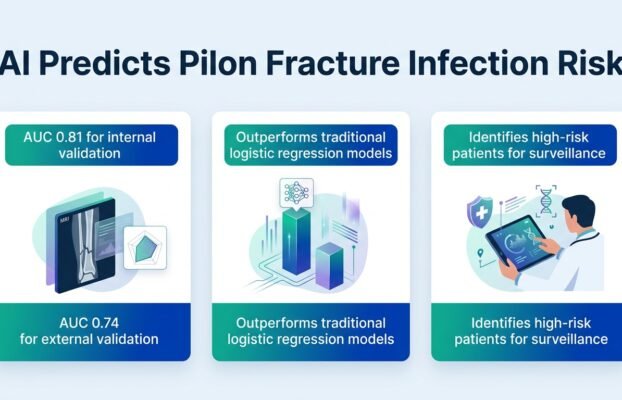
AI Predicts Bone Surgery Infection Risk Unevenly
July 7, 2026A new machine learning model can pinpoint which ankle fracture patients are highly likely to develop surgical infections, but its tendency to miss the majority of at-risk cases makes it a dangerous tool if used as a standalone safety net.

FDA clears self-updating radiation planning software
July 6, 2026A new regulatory shortcut could quietly solve the worst bottleneck in cancer treatment.
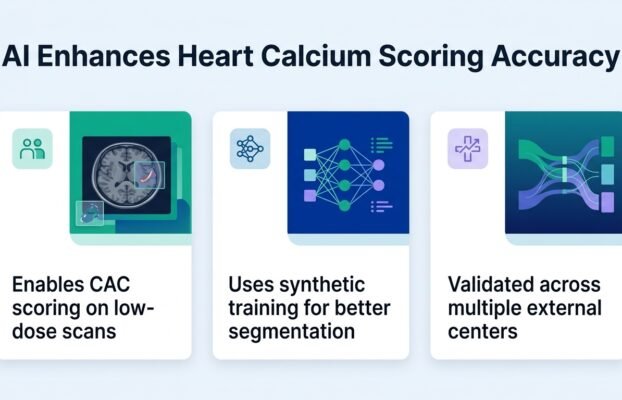
AI improves heart calcium scoring on basic scans
July 6, 2026A new machine learning method extracts high-quality heart disease risk data from low-dose scans that doctors usually ignore for calcium scoring.
AI Outperforms Doctors on Cancer Reports
July 6, 2026When algorithms read pathology reports better than the oncologists who ordered them, the bottleneck in cancer care shifts from diagnostic accuracy to human administrative capacity.
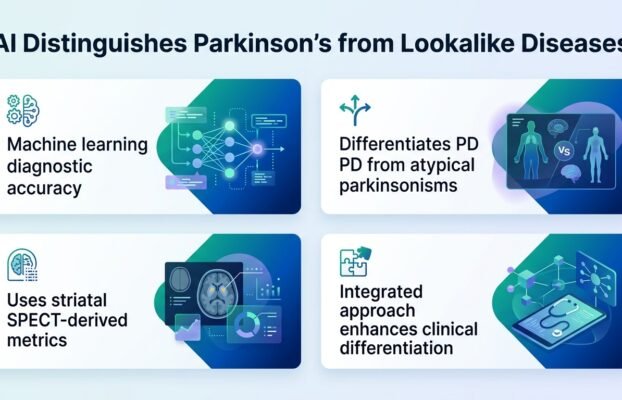
Algorithms sort Parkinson’s from lookalike brain diseases
July 6, 2026A new machine learning approach shows that while AI can easily spot the difference between Parkinson's and its deadlier lookalikes, pinpointing the exact disease remains incredibly difficult.
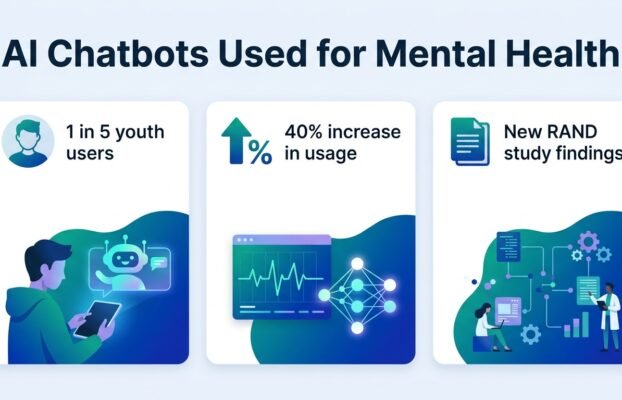
Young people are outsourcing therapy to algorithms
July 6, 2026When vulnerable teenagers turn to artificial intelligence for mental health advice, they are not finding a cure—they are finding a mirror that tells them what they want to hear.