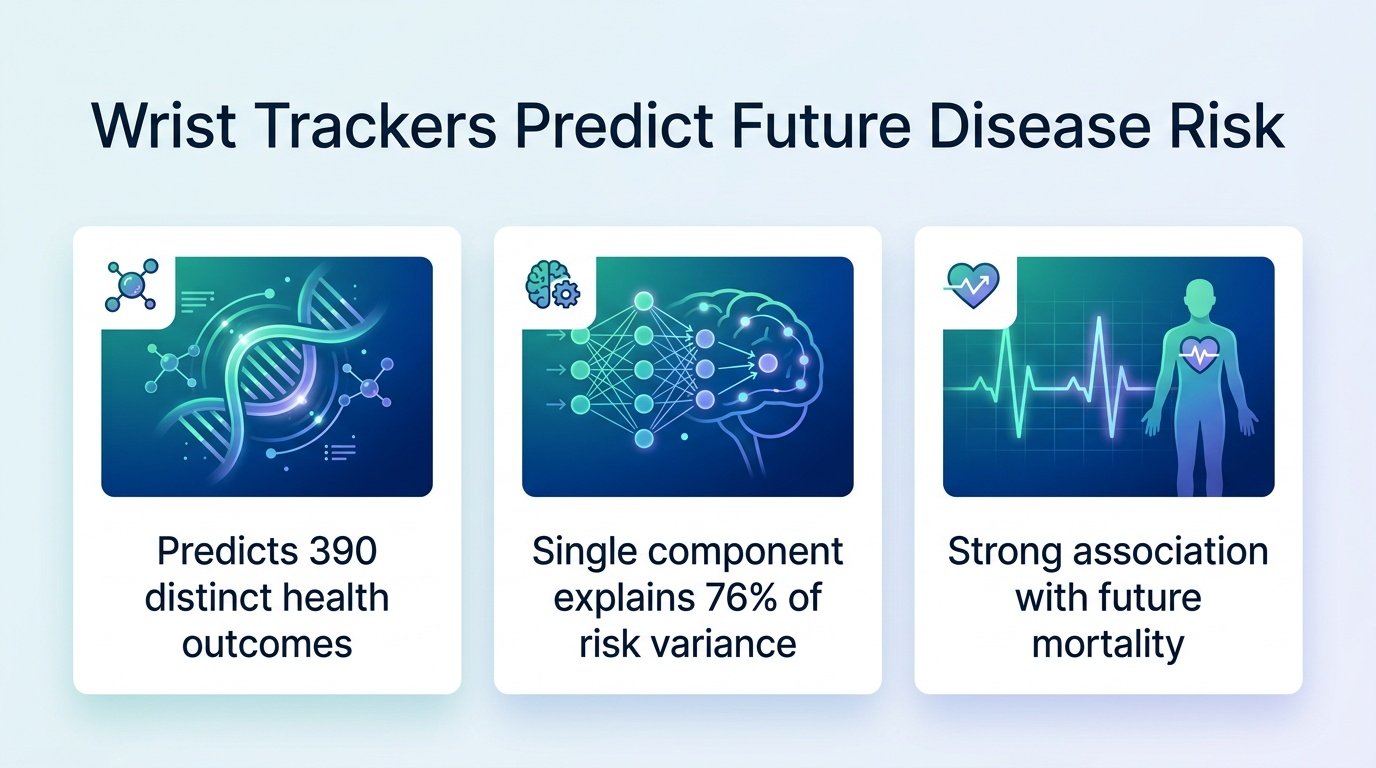
Wrist trackers predict future disease and mortality
A single week of wrist-worn movement data can forecast hundreds of future health conditions years before they are diagnosed.

A single week of wrist-worn movement data can forecast hundreds of future health conditions years before they are diagnosed.
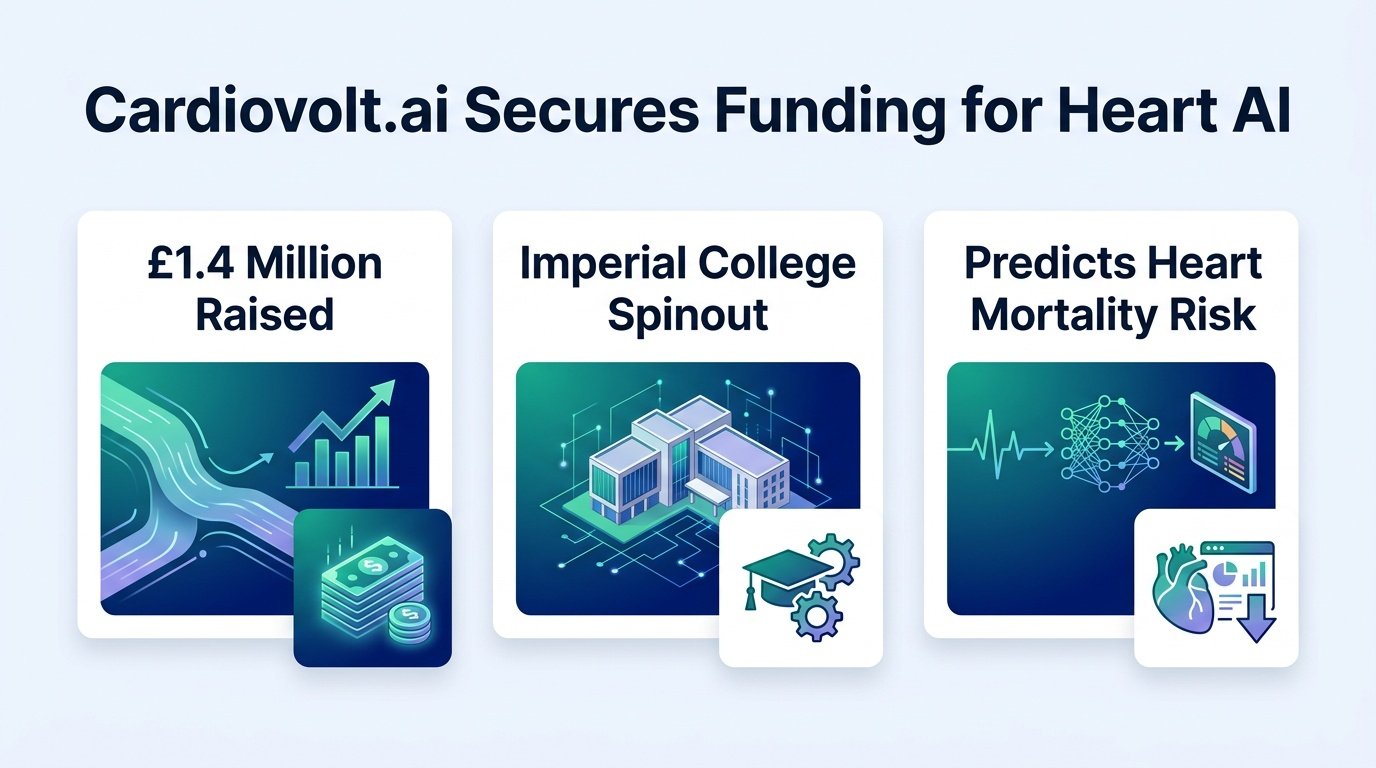
A standard ten-second heart trace holds hidden data that could predict when a patient will die, but clinics are not equipped to read it.
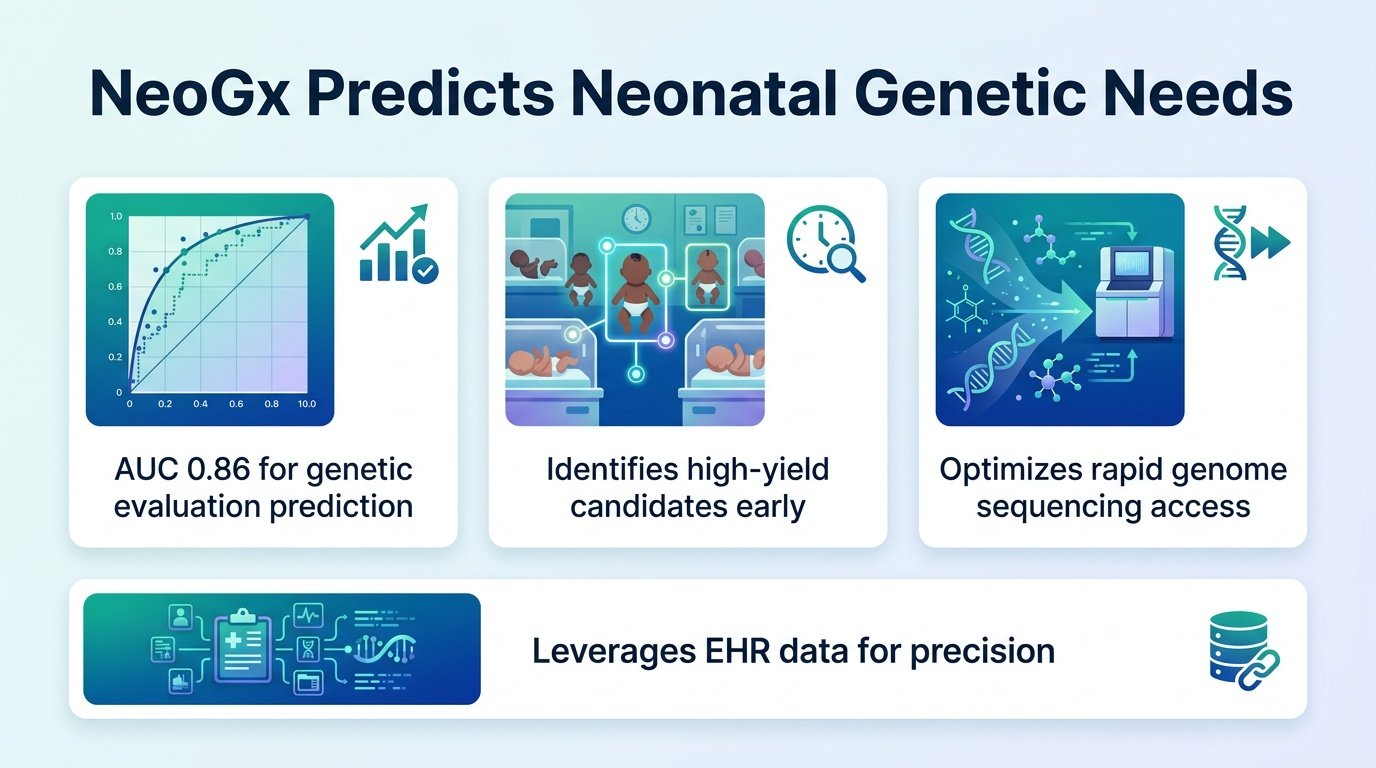
An algorithm trained on electronic health records can flag critically ill newborns who need rapid gene sequencing weeks faster than human doctors alone.
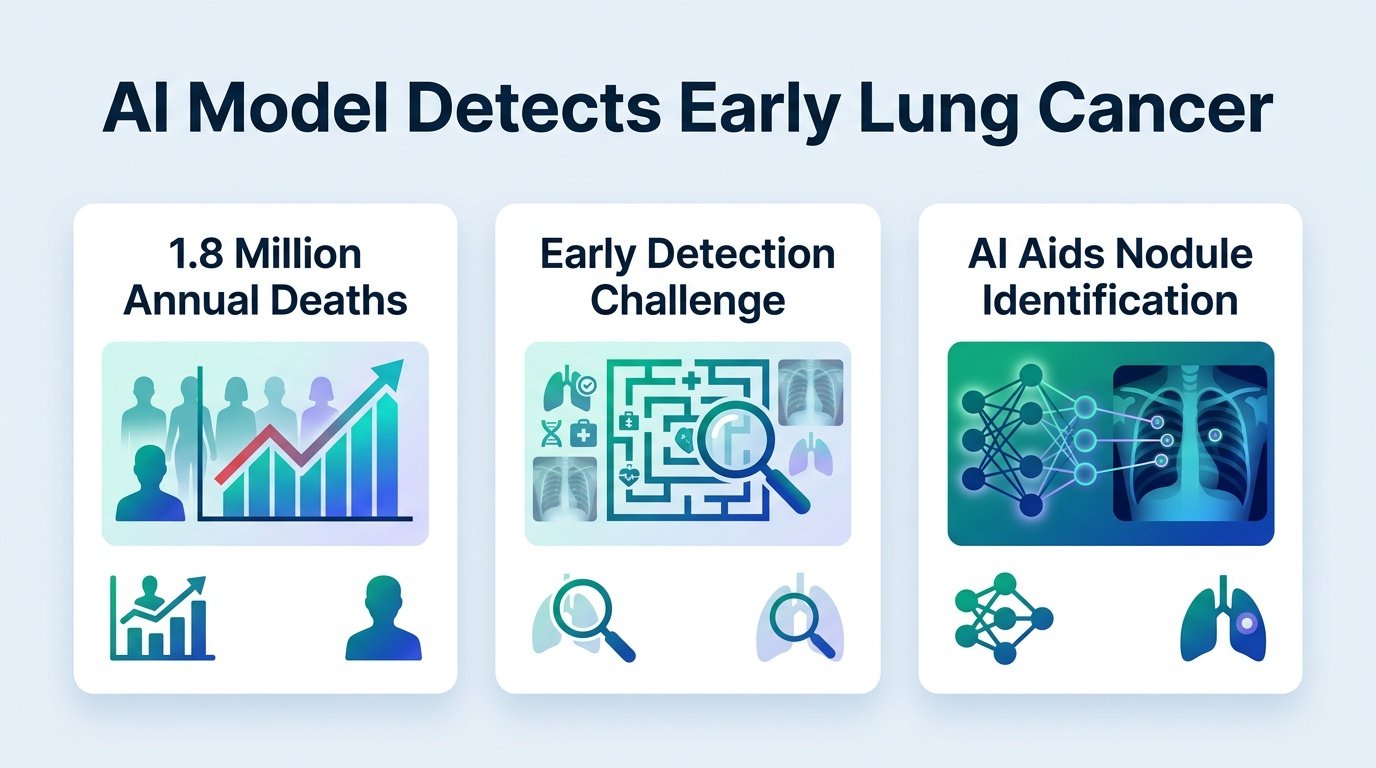
Algorithms can now flag the earliest signs of lung cancer, but technology alone cannot fix a broken healthcare pipeline.
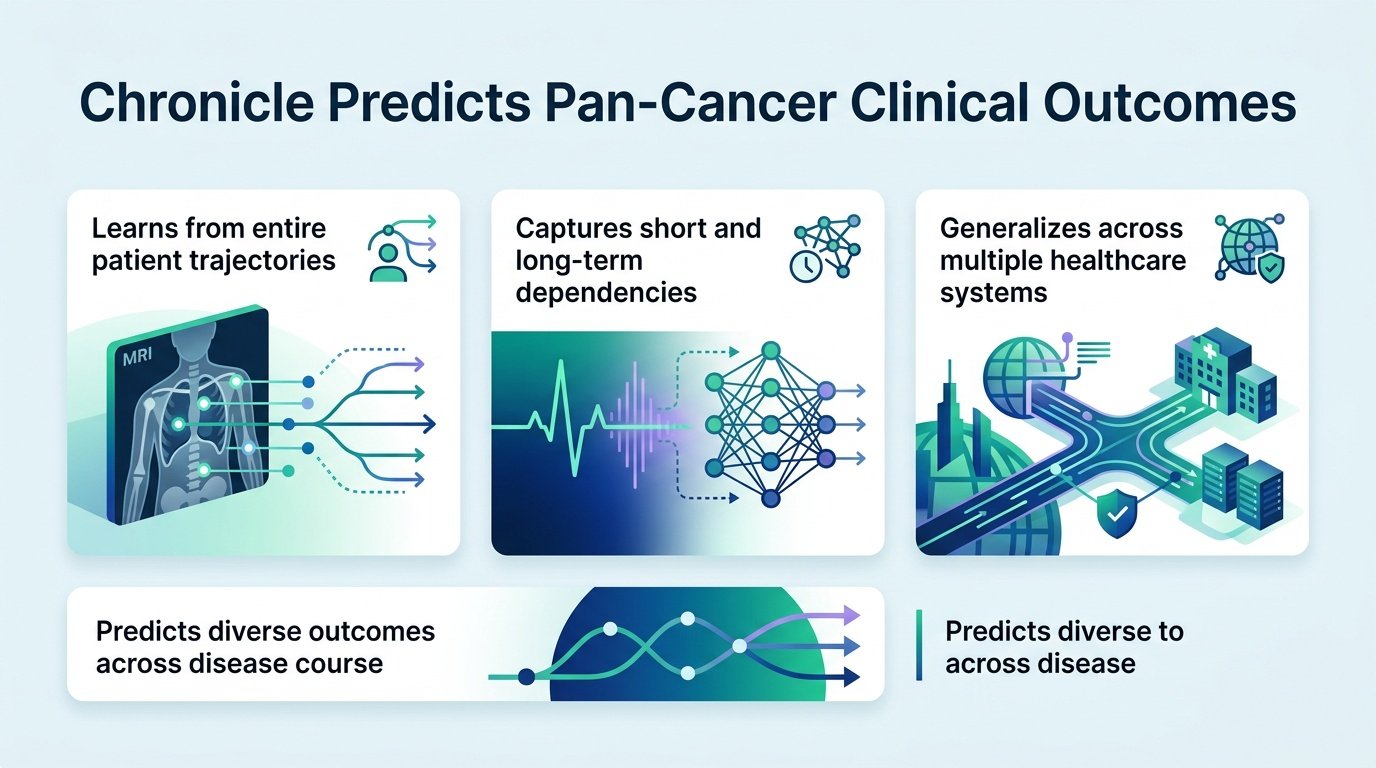
By tracking entire patient histories instead of clinical snapshots, a new AI model outperforms traditional cancer staging systems across three countries.
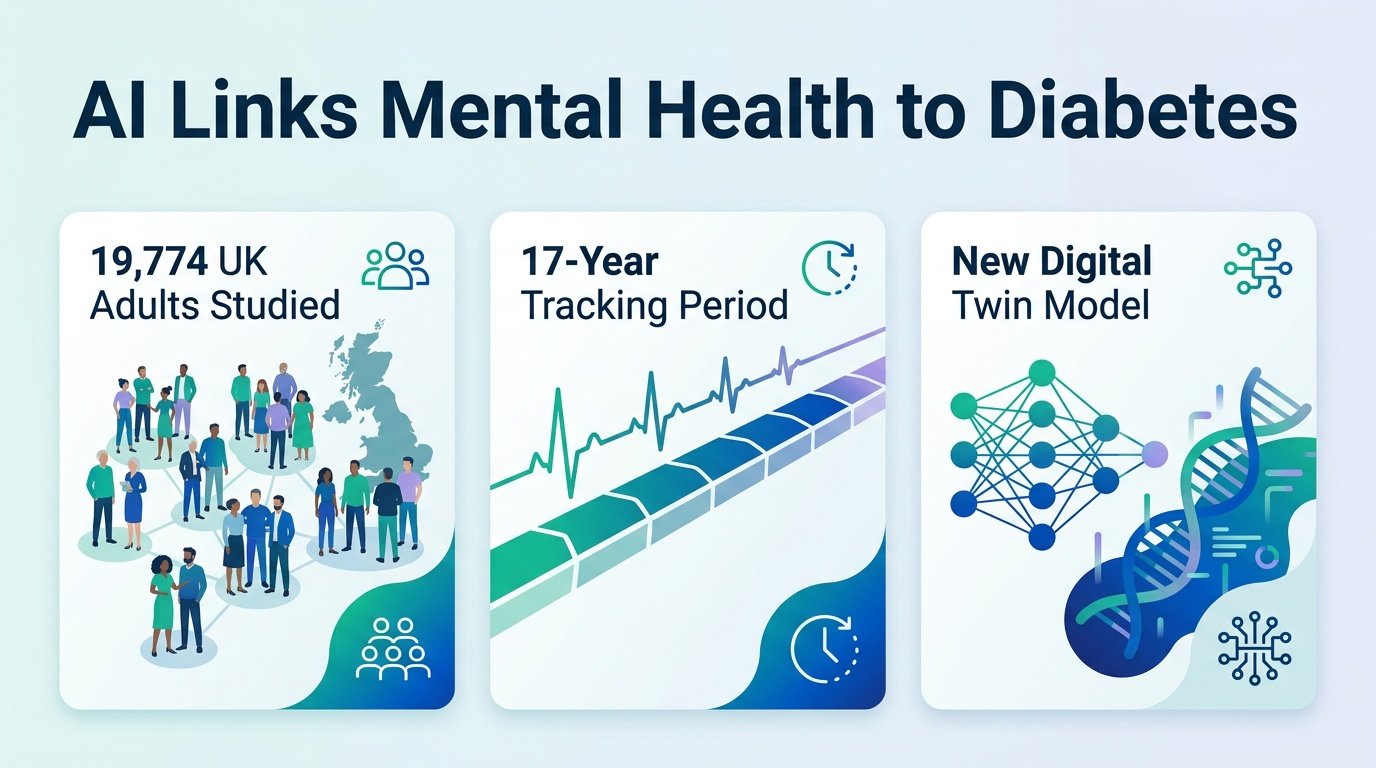
A digital twin model proves that mental health is not just a quality-of-life issue but a direct driver of chronic physical disease.
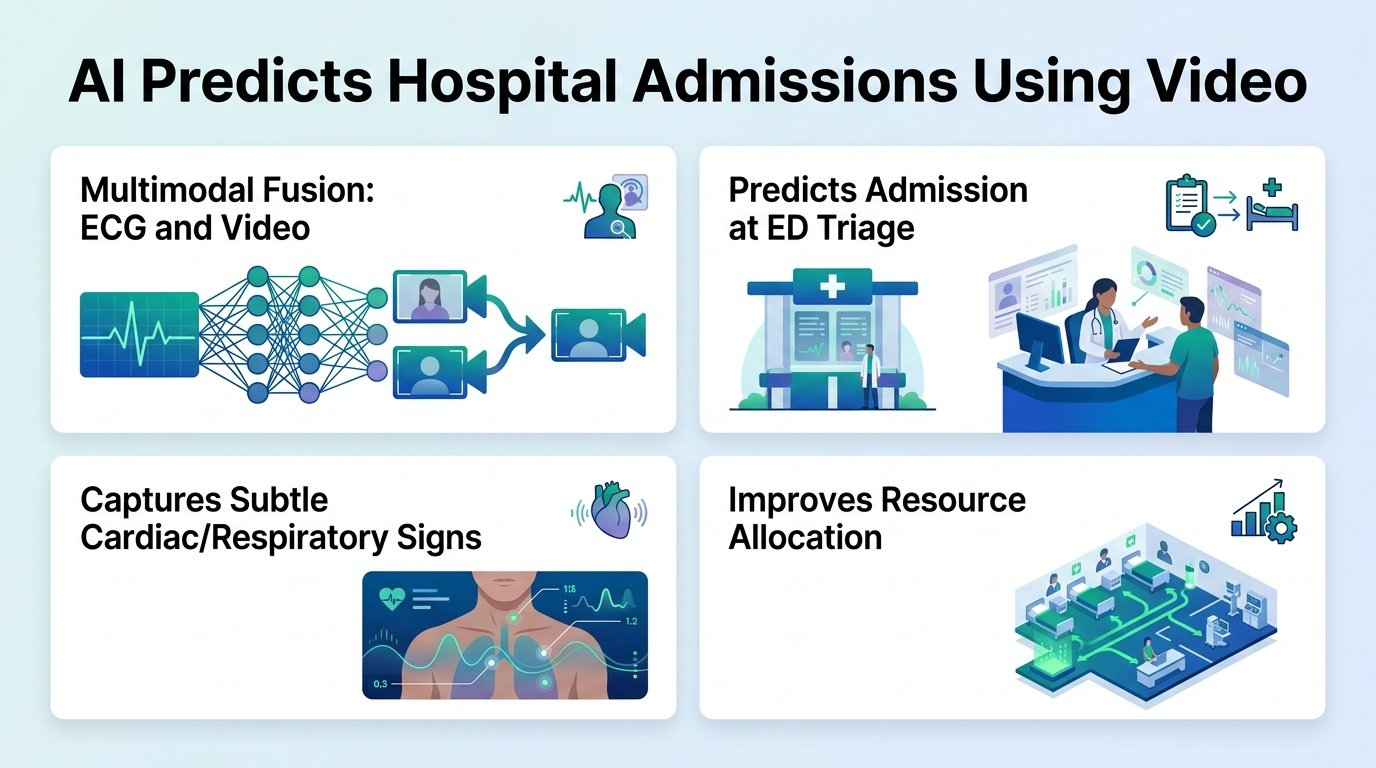
A new deep learning model proves that combining visual breathing patterns with heart scans can predict which emergency patients will need a hospital bed.
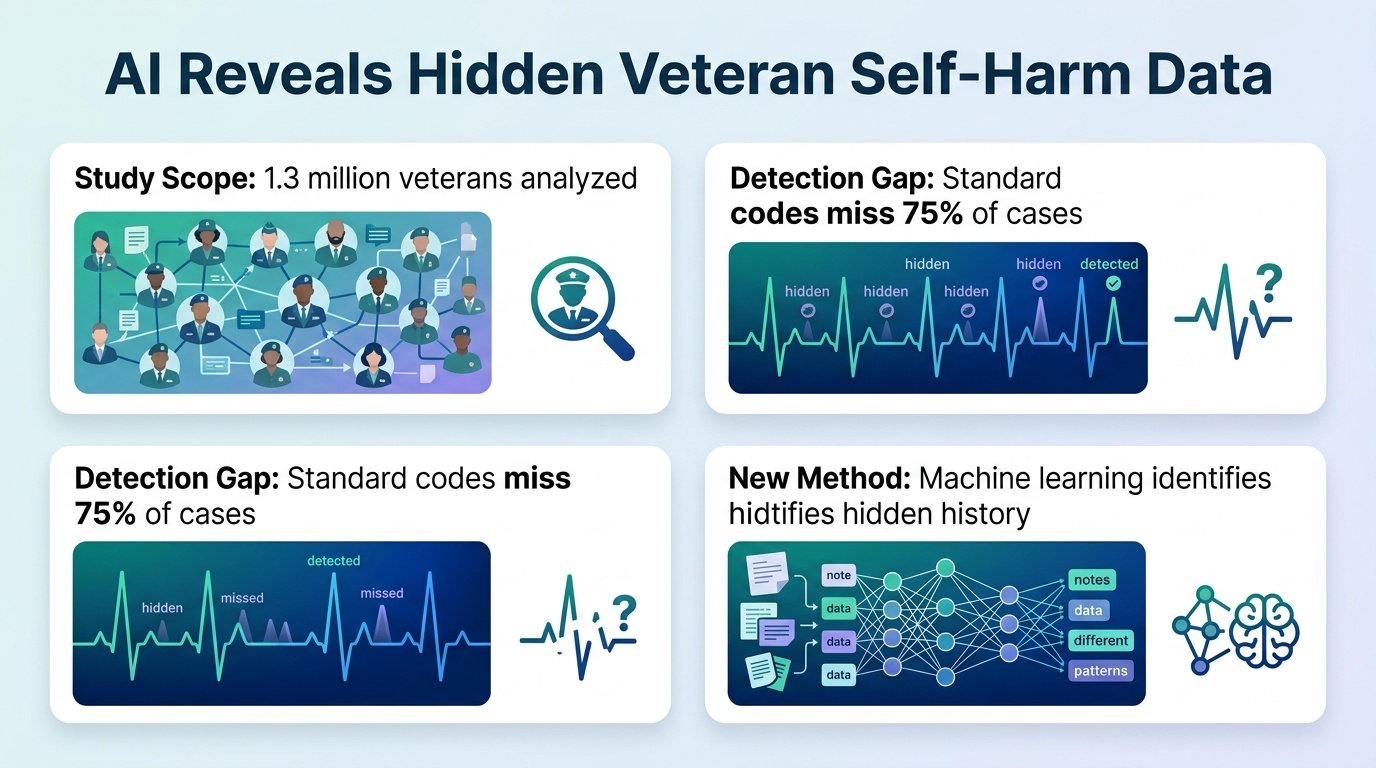
Standard medical billing codes are failing to track patient crises, leaving healthcare systems blind to critical mental health risks.
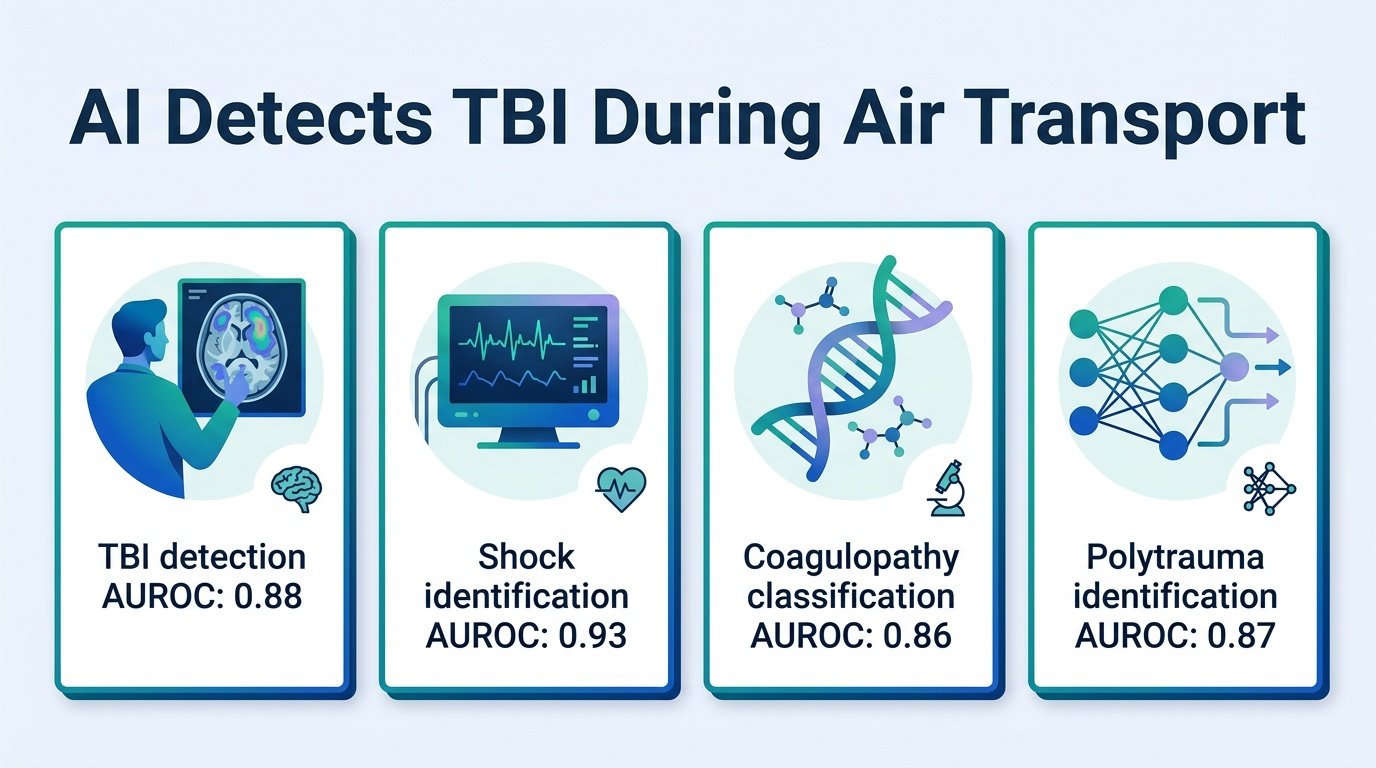
By analyzing continuous vital signs in the air, machine learning can identify traumatic brain injuries before the helicopter even lands.
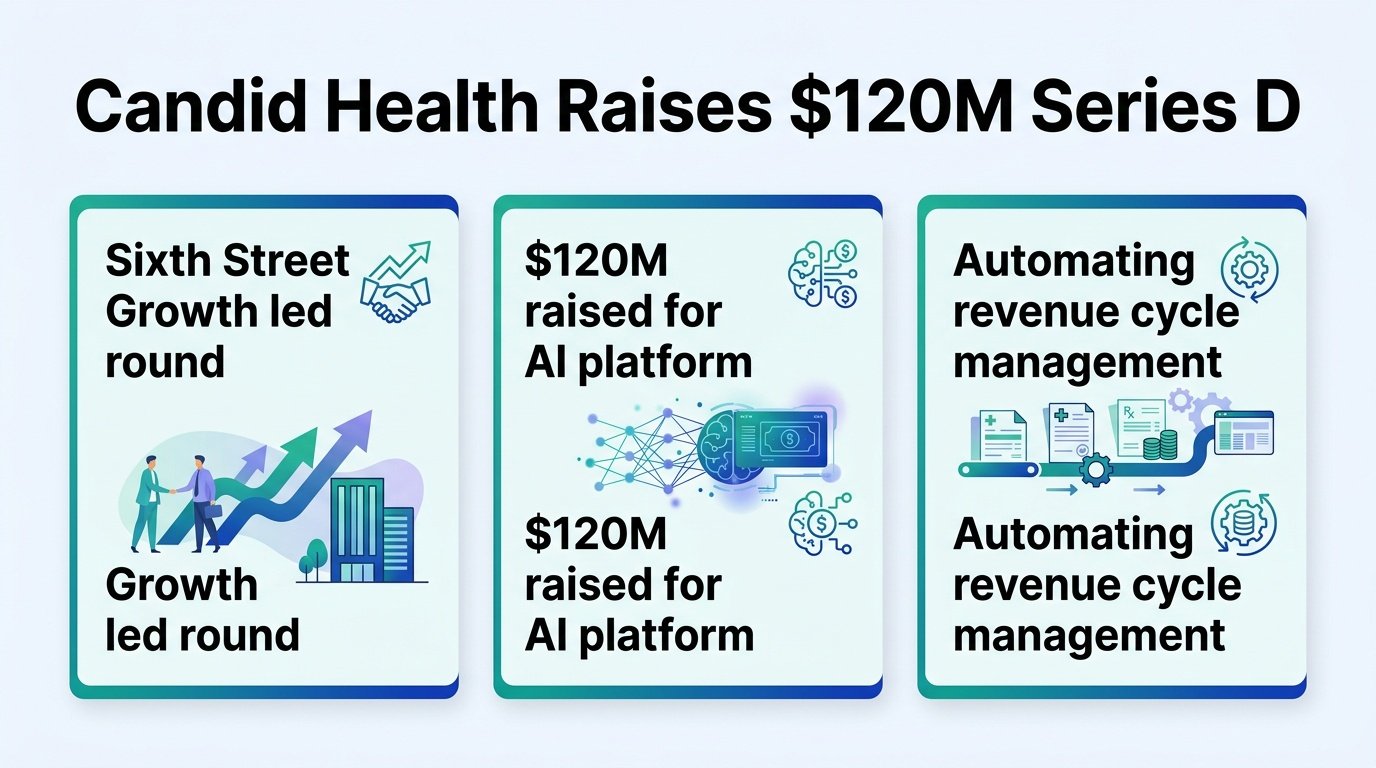
A massive funding round in healthcare administration reveals that investors are betting on automated billing engines to solve the industry’s most expensive back-office headache.