
Ideas for building
better health AI.
Research summaries, product thinking and developments at the intersection of health and artificial intelligence.
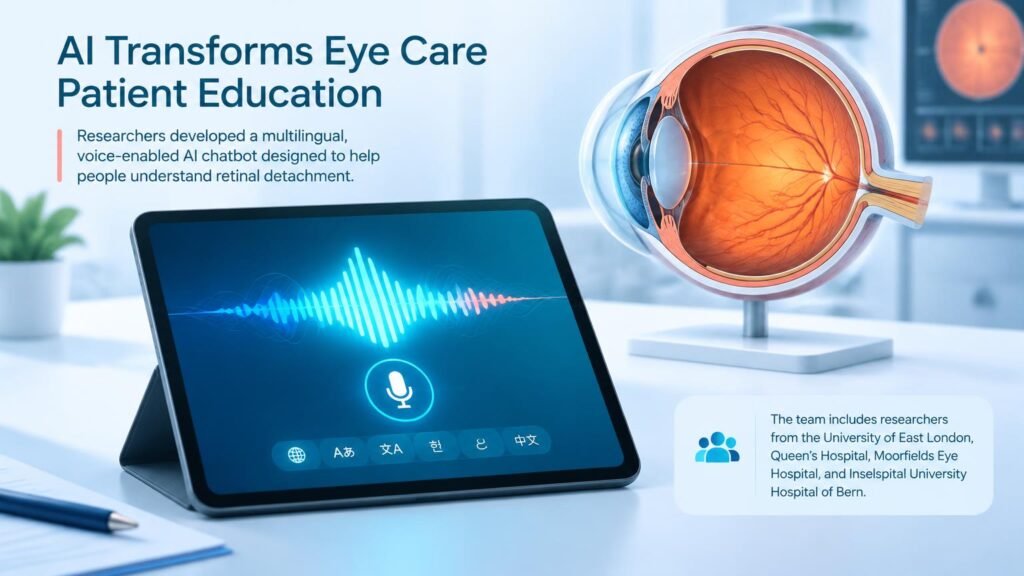
Voice AI replaces static leaflets in retinal care
Interactive voice assistants built with clinical guardrails are targeting the communication gap in post-surgical...
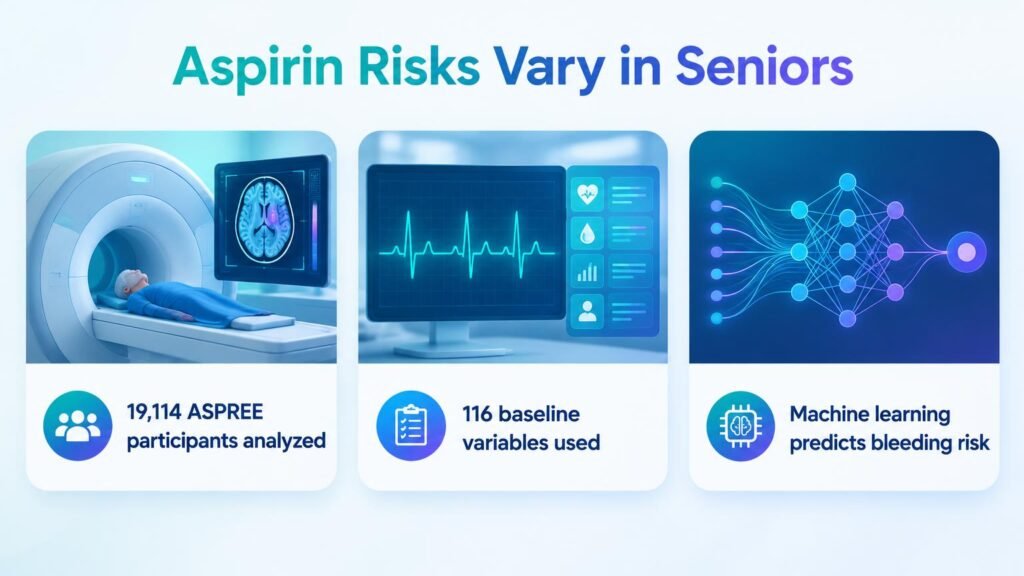
Aspirin Increases Bleeding Risk Most in Low-Risk Seniors
Machine learning models show that older adults with the lowest baseline risk of bleeding...
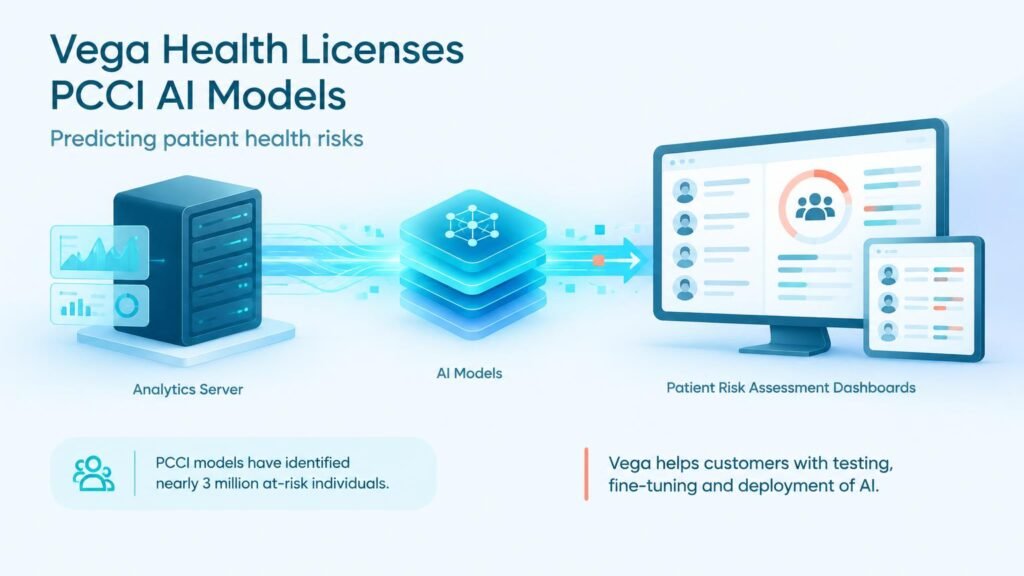
Scaling Safety-Net AI Beyond Single Hospitals
Trapping effective clinical AI inside single health systems starves vulnerable patients of proven risk...
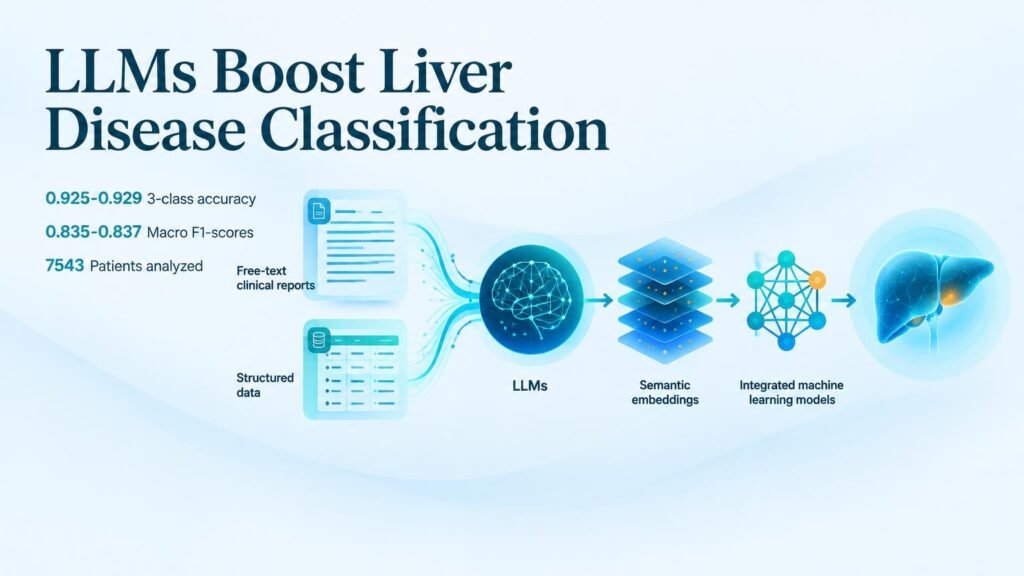
LLMs Boost Liver Disease Classification in Health Records
Adding text embeddings from clinical notes to standard lab data helps algorithms separate tricky...
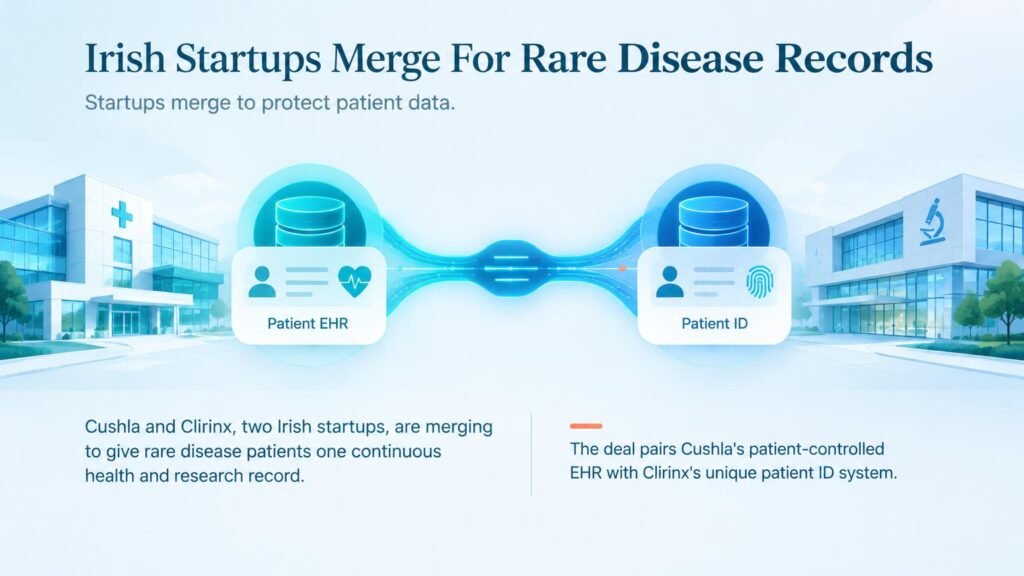
Merging Rare Disease Records To Stop Data Loss
Rare disease patients regularly lose critical health records as they move between clinical trials...
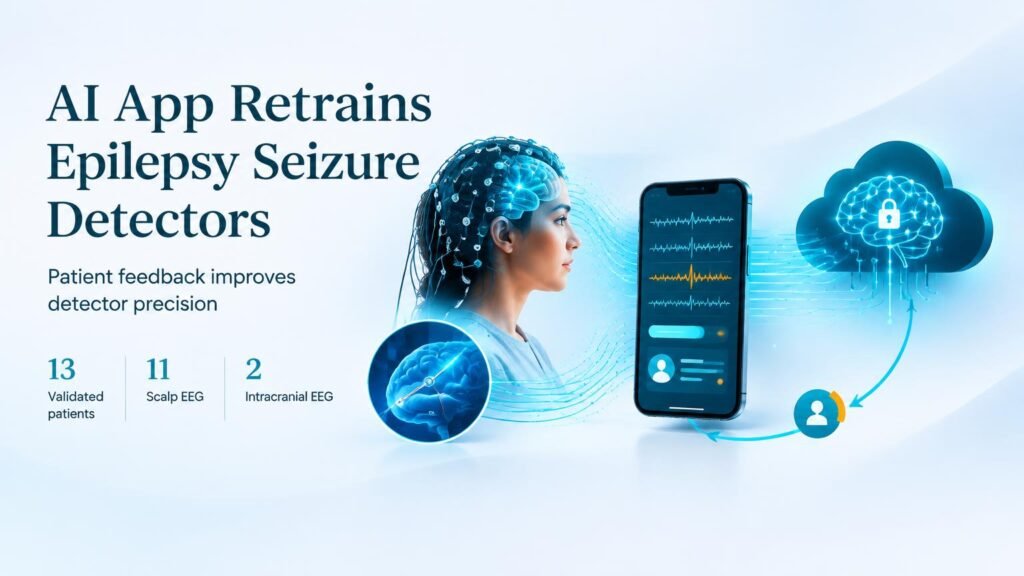
AI App Helps Patients Retrain Epilepsy Seizure Detectors
A new conversational platform uses real-time patient feedback to improve seizure detection without requiring...
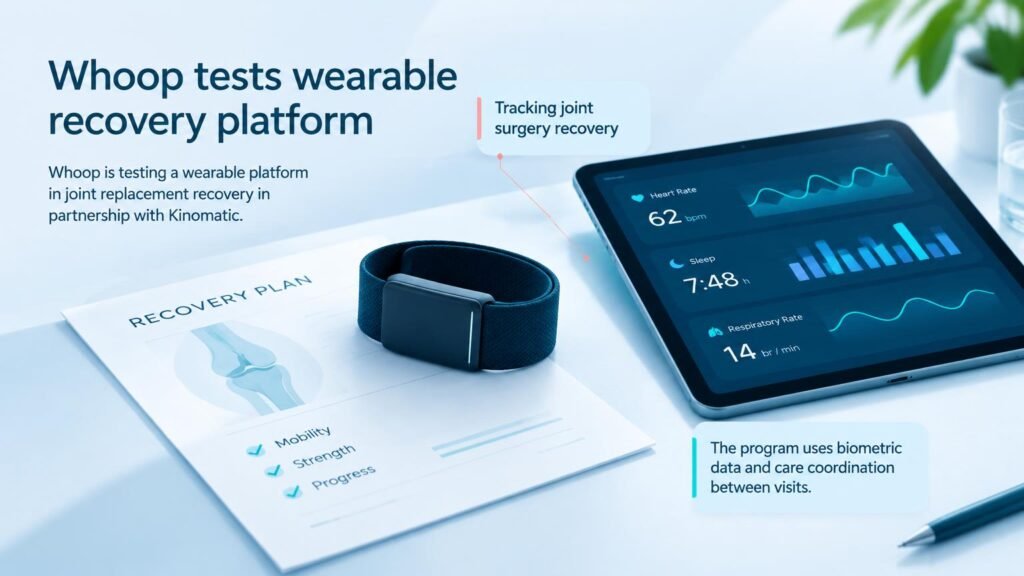
Fitness Wearables Enter Joint Replacement Recovery
Continuous biometric tracking is attempting to replace rigid post-surgical rehab protocols with personalized home...
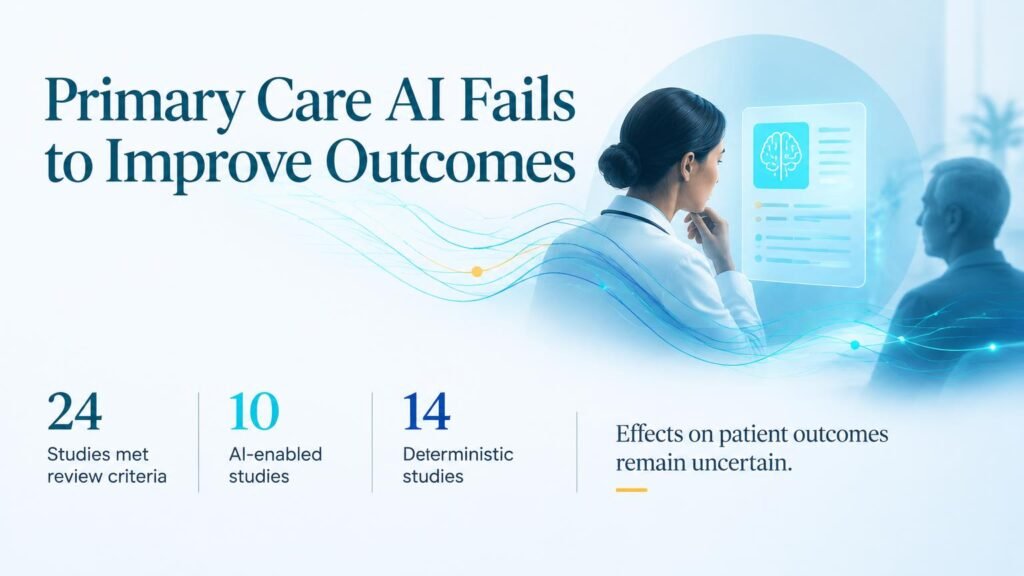
Primary Care AI Fails to Improve Patient Outcomes
Algorithms are spotting conditions faster in primary care, but they are not making patients...
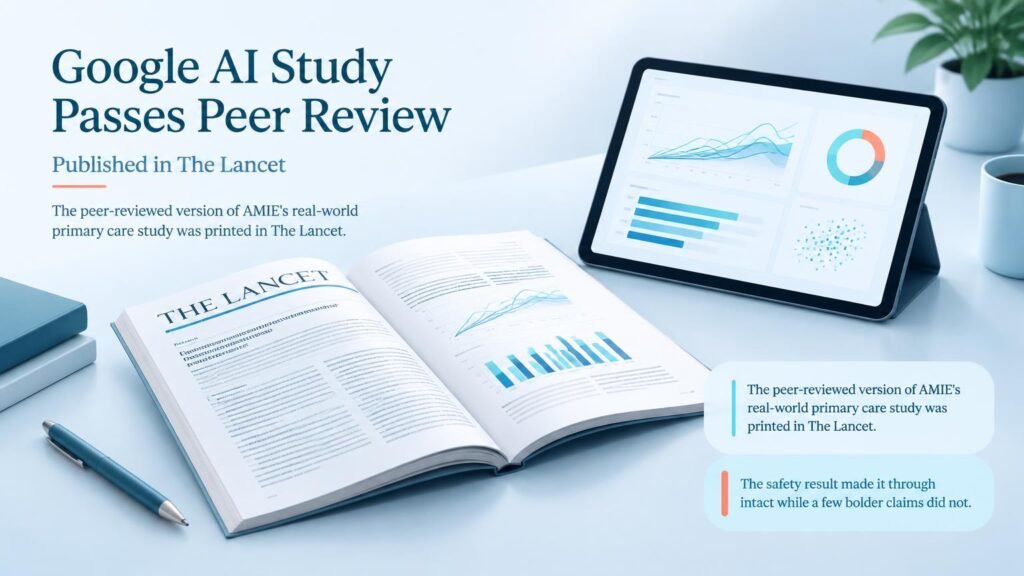
Google AMIE Passes Peer Review With Limits
Real-world testing proves conversational AI can safely gather patient histories under supervision, but human...
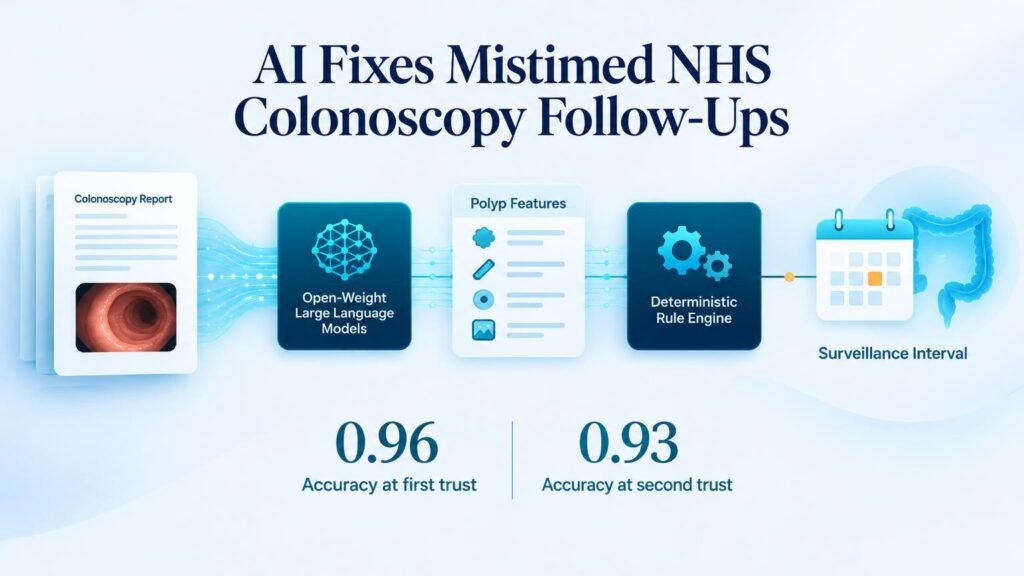
AI Fixes Mistimed NHS Colonoscopy Follow-Ups
A hybrid AI system reduces missed cancer risks by correcting flawed colonoscopy follow-up schedules.
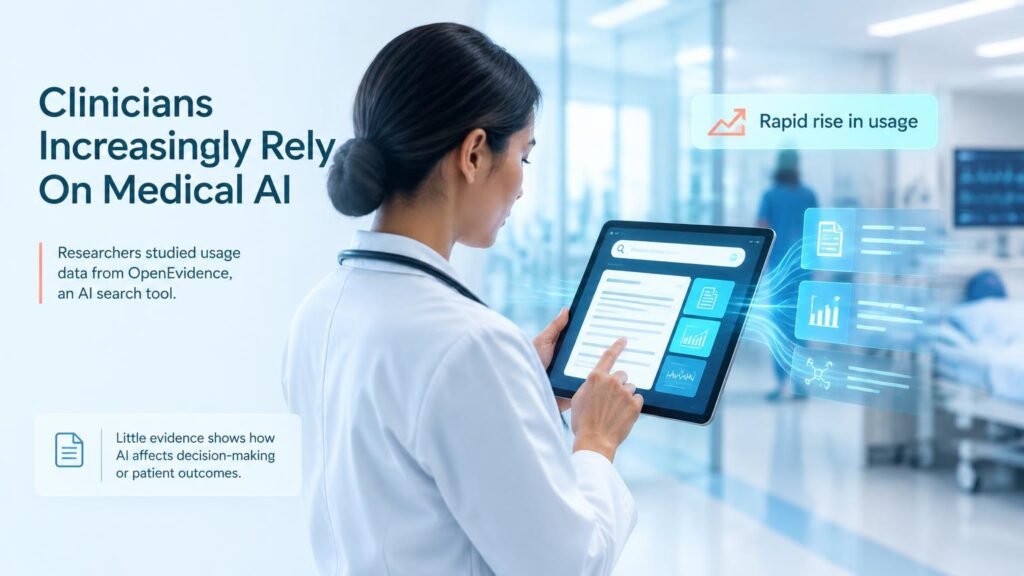
Nearly One Million Clinicians Rely on Querying AI
Over 700,000 clinicians actively query medical AI engines for treatment decisions each month, rapidly...
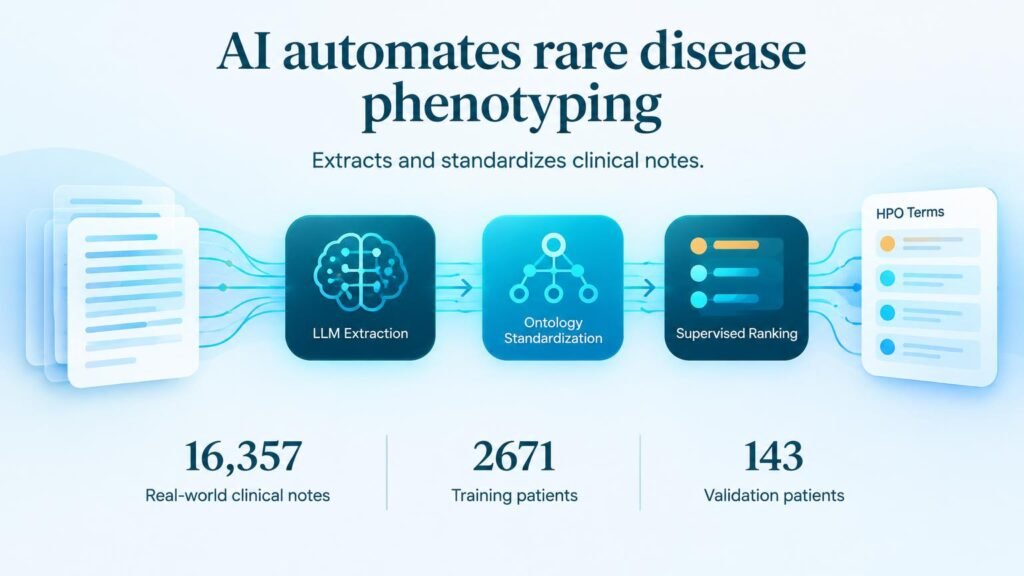
AI tool automates rare disease phenotyping from text
A new end-to-end framework extracts and ranks rare disease terms directly from clinical text...