Continuous biometric tracking is attempting to replace rigid post-surgical rehab protocols with personalized home recovery.
Orthopedic surgeons traditionally rely on brief, infrequent clinic visits to monitor recovery after major joint replacement surgery. That intermittent care model leaves surgical teams blind to early complications like infection or poor mobility between appointments.
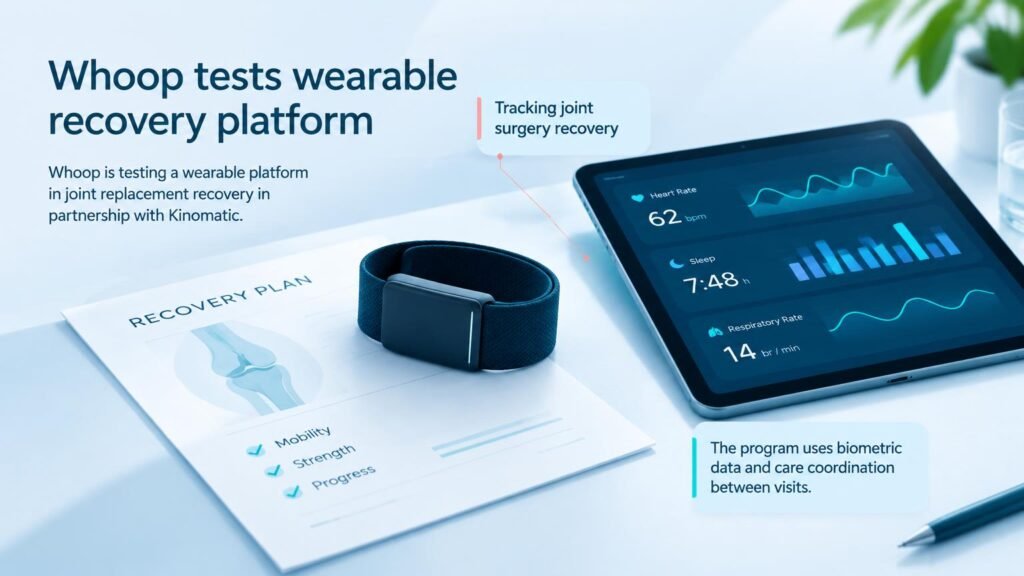
A new pilot program across select California clinics pairs continuous consumer biometric trackers with AI care coordination tools for post-operative joint replacement patients. The system feeds heart rate variability, sleep metrics, and physiological recovery scores directly to surgical teams through a centralized clinical platform.
Closing the Follow-Up Gap
Continuous biometric monitoring aims to shift post-surgical rehab away from rigid, aggressive physical therapy toward personalized, self-paced home recovery. By tracking real-time stress metrics, care teams attempt to spot delayed healing early, refine pain management protocols, and support opioid-sparing recovery strategies.
Yet continuous data collection is not a direct proxy for clinical improvement. While tracking biometrics in a localized pilot proves technical feasibility, small-scale deployments do not prove reduced hospital readmission rates or superior long-term joint mobility compared to standard physical therapy.
The Operational Bottleneck
The primary hurdle shifts from patient compliance to clinician bandwidth. Care teams must filter continuous streams of consumer wearable data to spot genuine clinical decline without creating severe alarm fatigue or administrative overhead.
Until multi-site trials demonstrate reduced emergency room visits and lower complication rates, continuous remote tracking remains a care coordination experiment rather than a proven clinical replacement.