Trapping effective clinical AI inside single health systems starves vulnerable patients of proven risk predictions.
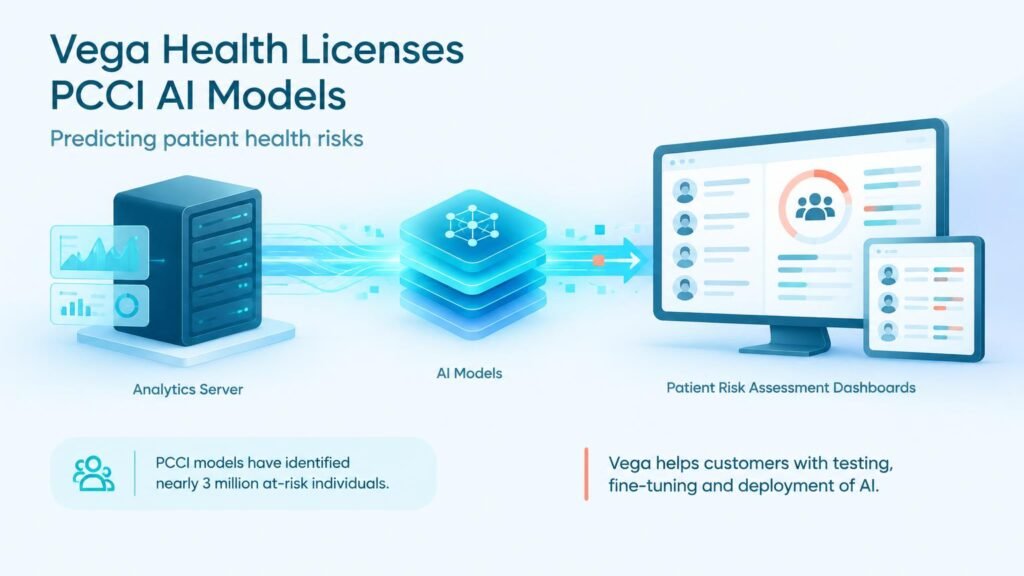
High-performing algorithms frequently fail to cross institutional borders. A new licensing deal aims to break this pattern by exporting five predictive tools—originally developed for Dallas County’s safety-net population—to health systems nationwide.
Proven Risk Models
These algorithms address critical clinical events: inpatient sepsis deterioration, pediatric asthma readmissions, and hospital violence. Tested in high-volume public care settings, they have already flagged nearly 3 million at-risk individuals since 2019.
Integration Over Innovation
Algorithms built on localized demographic data often degrade when exported without local tuning. The primary bottleneck in clinical AI deployment is rarely the algorithm itself. It is the complex infrastructure required for local workflow integration, real-time data ingestion, and continuous performance monitoring.
The Practical Takeaway
Transporting a model to a new site requires strict re-validation against local patient demographics. Care teams should treat imported risk tools as baseline frameworks that demand ongoing local calibration, rather than turnkey diagnostic replacements.