
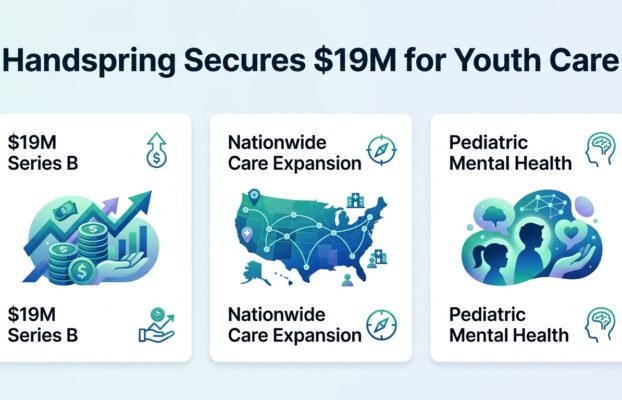
Fixing the Broken Escalator of Youth Mental Health
August 21, 2026When a child faces a mental health crisis, the current system offers only two real options: months on a waiting list for basic therapy, or a chaotic, expensive trip to the emergency room.

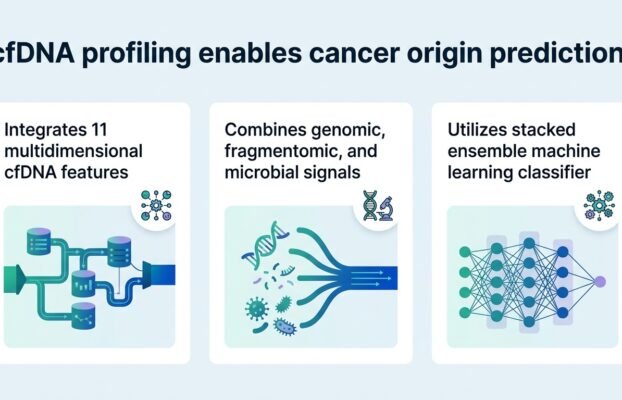
Integrative cfDNA profiling from low-pass whole-genome sequencing enables tissue-of-origin prediction in cancer
August 21, 2026A new machine learning model can pinpoint the origin of mysterious cancers from simple blood fragments, shifting the focus of liquid biopsies from detection to direction.
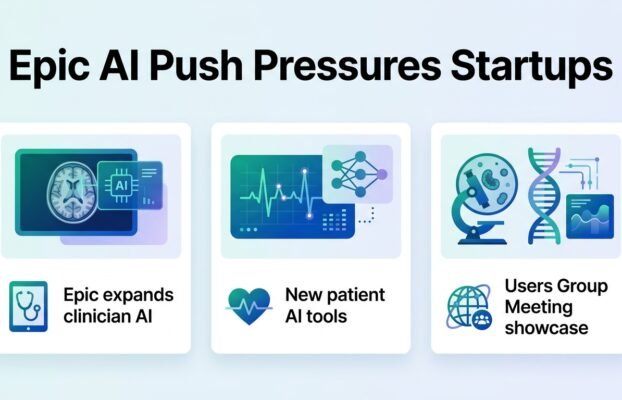
Epic Crowds Out Health Tech Startups
August 21, 2026When the dominant electronic health record vendor decides to build its own clinical AI, the entire digital health startup ecosystem faces an existential threat.
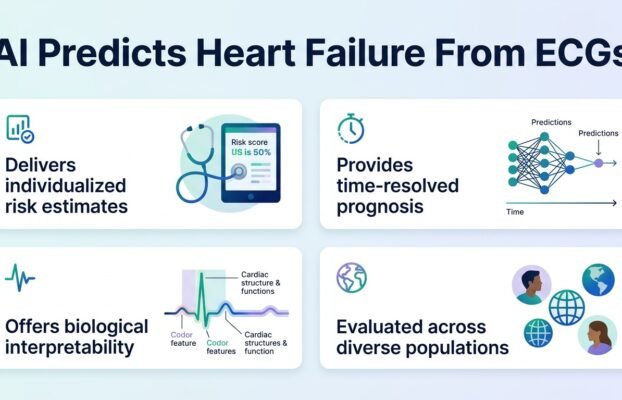
AI Predicts Heart Failure From Routine ECGs
August 21, 2026An AI model can spot heart failure risk day-by-day using standard electrocardiograms, but its performance drops when crossing oceans.
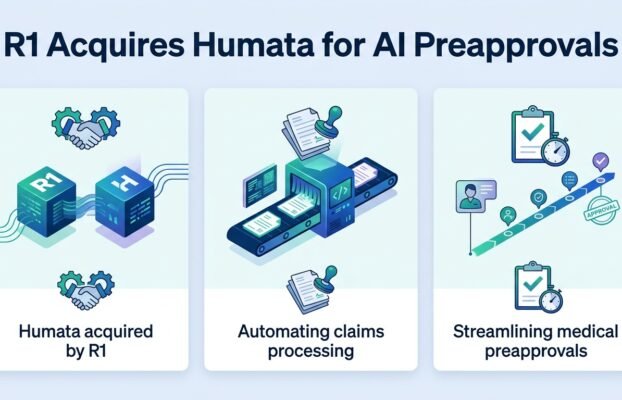
R1 Buys Humata to Automate Insurance Approvals
August 21, 2026The administrative war between hospitals and insurers is moving from human negotiators to competing algorithms.
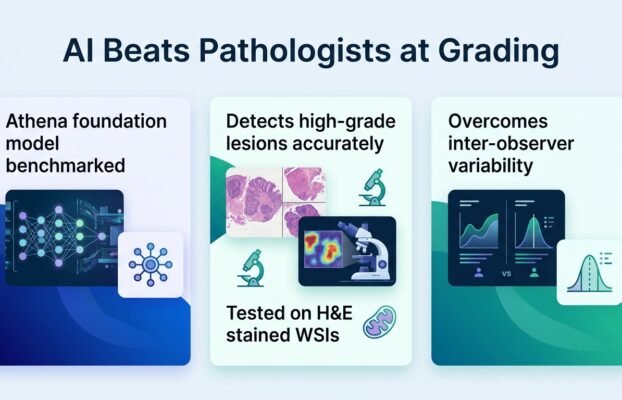
AI beats pathologists at grading cervical biopsies
August 21, 2026A new study shows that AI foundation models can standardize cervical cancer screening across different countries, outperforming human pathologists where they struggle most.
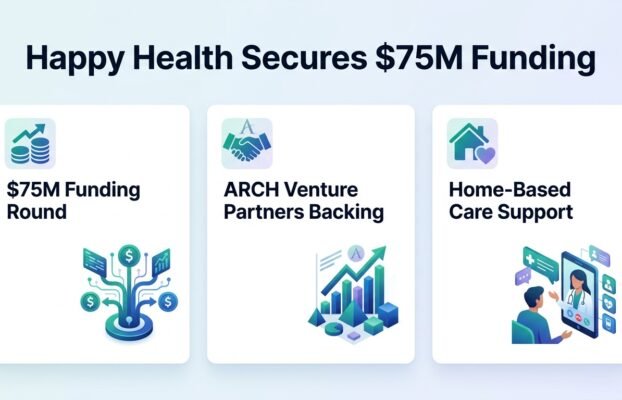
Happy Health Puts Clinical Diagnostics on Your Finger
August 20, 2026A massive funding round for a smart ring signals that clinical diagnostics are permanently leaving the hospital.
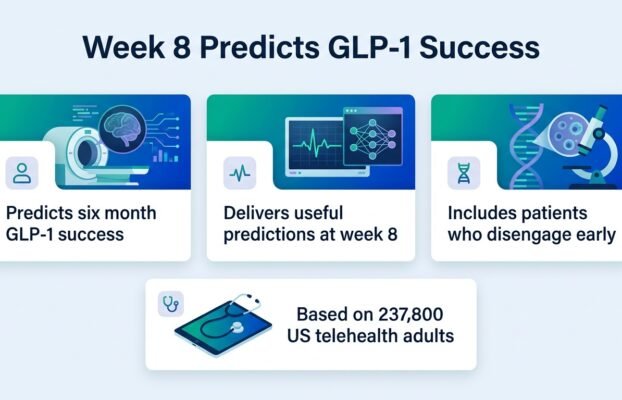
Week Eight Predicts Six Month GLP-1 Success
August 20, 2026A new predictive model uses early data to forecast long-term GLP-1 weight loss, exposing a massive real-world retention crisis.
Chatbots are invading the electronic health record
August 20, 2026Hospitals are rushing to deploy internal clinical AI assistants, but the motive is as much about defending their market share as it is about saving doctors time.