
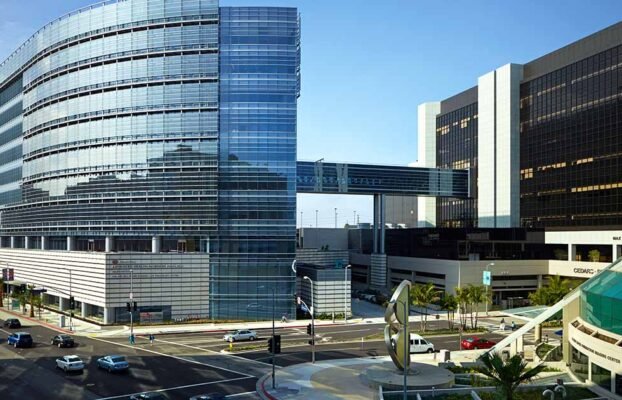
Cedars-Sinai’s Chief AI Officer Discusses AI’s Role in Healthcare
April 13, 2025Cedars-Sinai's Chief AI Officer, Mouneer Odeh, discusses AI's growing impact on healthcare and improving caregiver experiences. 🤖🏥

Remdesivir associated with reduced mortality in hospitalized COVID-19 patients: treatment effectiveness using real-world data and natural language processing.
April 13, 2025Remdesivir shows promise in reducing mortality for hospitalized COVID-19 patients. 🏥📉 Real-world data supports its effectiveness.
Study Highlights Underrepresentation of Minorities in AI Mammogram Analysis
April 12, 2025Study reveals minority underrepresentation in AI mammogram analysis, raising concerns about fairness and accuracy in breast cancer detection. 📊🤔
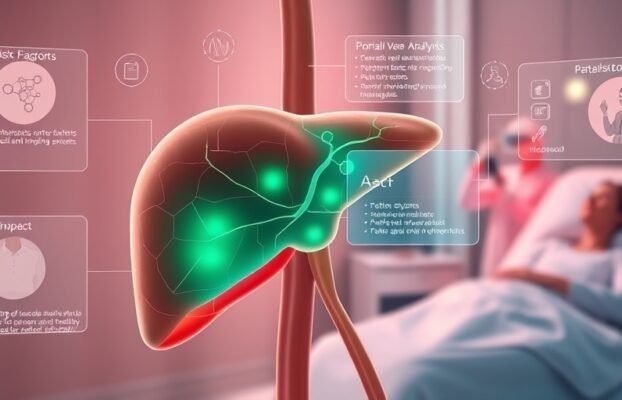
Development of an explainable prediction model for portal vein system thrombosis post-splenectomy in patients with cirrhosis.
April 12, 2025A recent PubMed article discusses a machine learning model predicting portal vein system thrombosis post-splenectomy in cirrhosis patients. 📊🩺
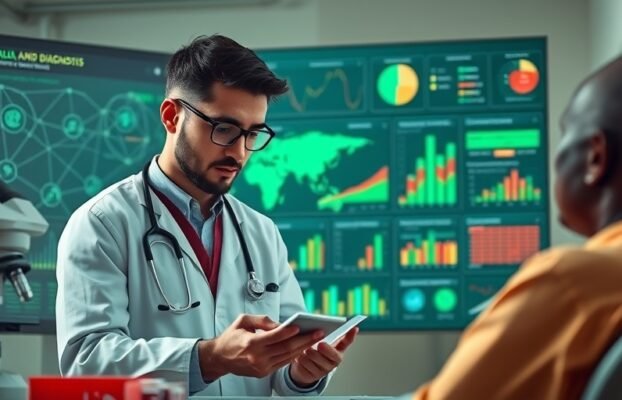
Explainable AI for enhanced accuracy in malaria diagnosis using ensemble machine learning models.
April 12, 2025Exploring AI's role in malaria diagnosis 🦠🤖: Ensemble models enhance accuracy and transparency for better patient outcomes.
Accountability in AI-Driven Medical Errors
April 11, 2025AI in healthcare raises concerns about accountability for medical errors. Physicians face pressure to trust technology without adequate support. ⚖️🤖
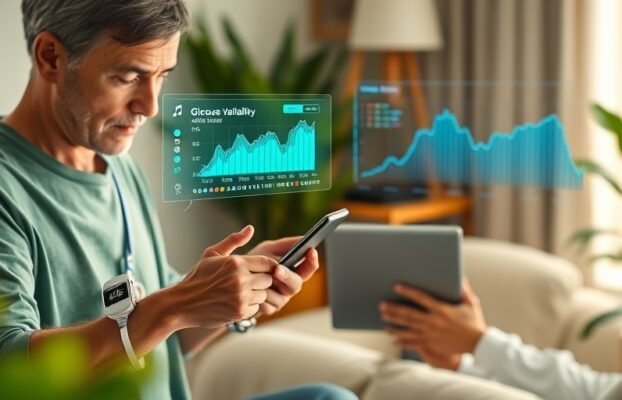
Future horizons in diabetes: integrating AI and personalized care.
April 11, 2025AI and personalized care are transforming diabetes management. Continuous Glucose Monitoring enhances treatment precision. 🌟📈
DeepSeek: AI Collaboration Tool for Healthcare Professionals
April 11, 2025DeepSeek: AI tool enhances healthcare collaboration 🤝. It supports doctors with insights, improving patient communication and diagnostic efficiency. 🩺📊
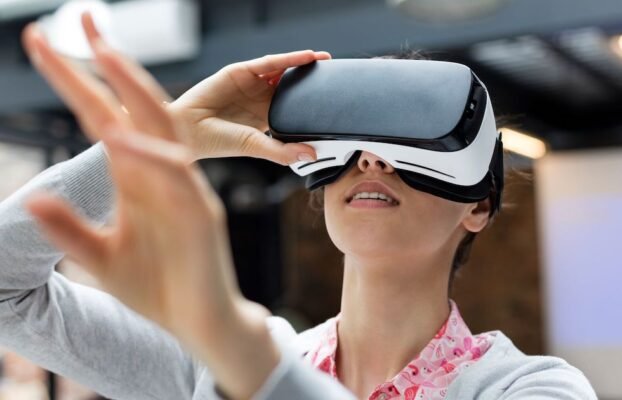
Neuranics Secures $8 Million for Innovative Magnetic Sensing Technology
April 11, 2025Neuranics secures $8 million for magnetic sensing technology, enhancing gesture recognition and heart signal tracking. 🧠💰