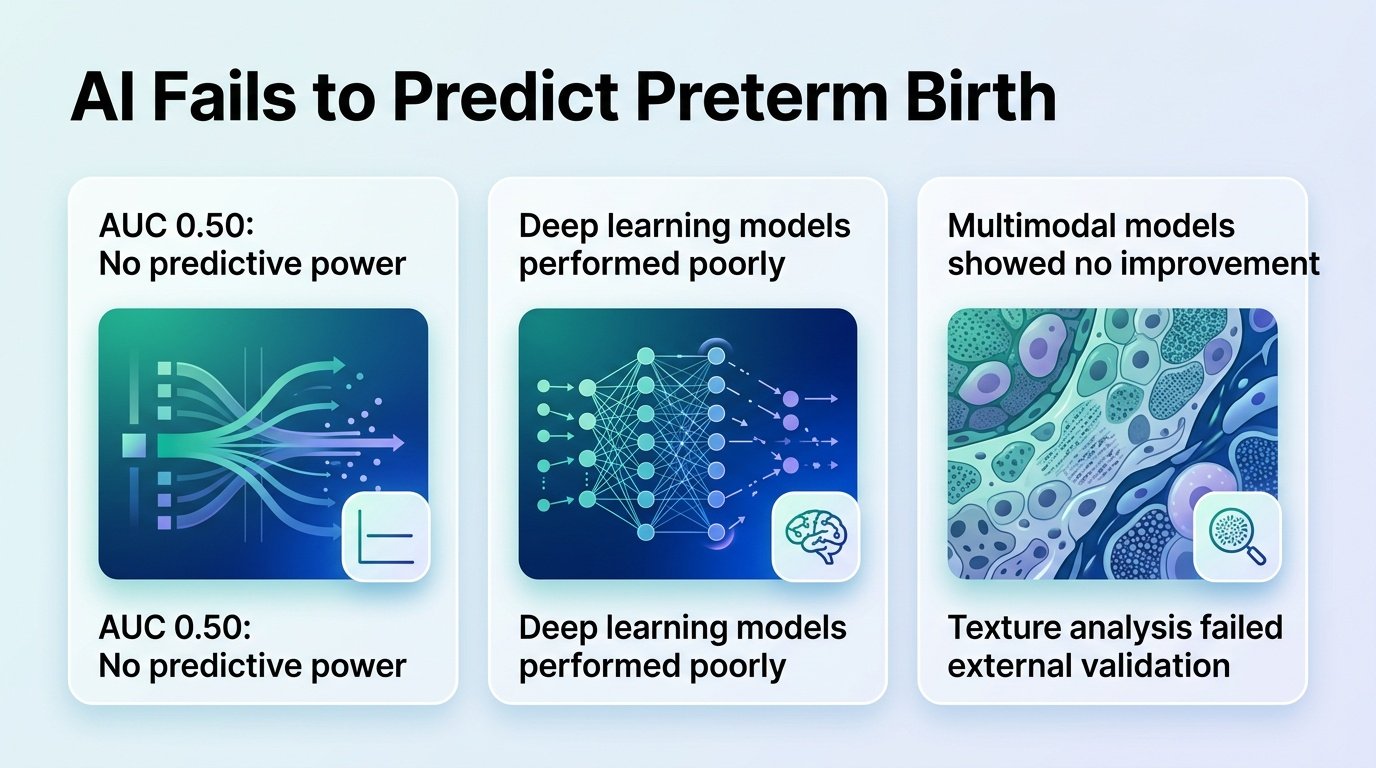
AI fails to predict preterm birth externally
A new study shows that even advanced vision models struggle to predict preterm birth when tested on new hospital equipment.

A new study shows that even advanced vision models struggle to predict preterm birth when tested on new hospital equipment.
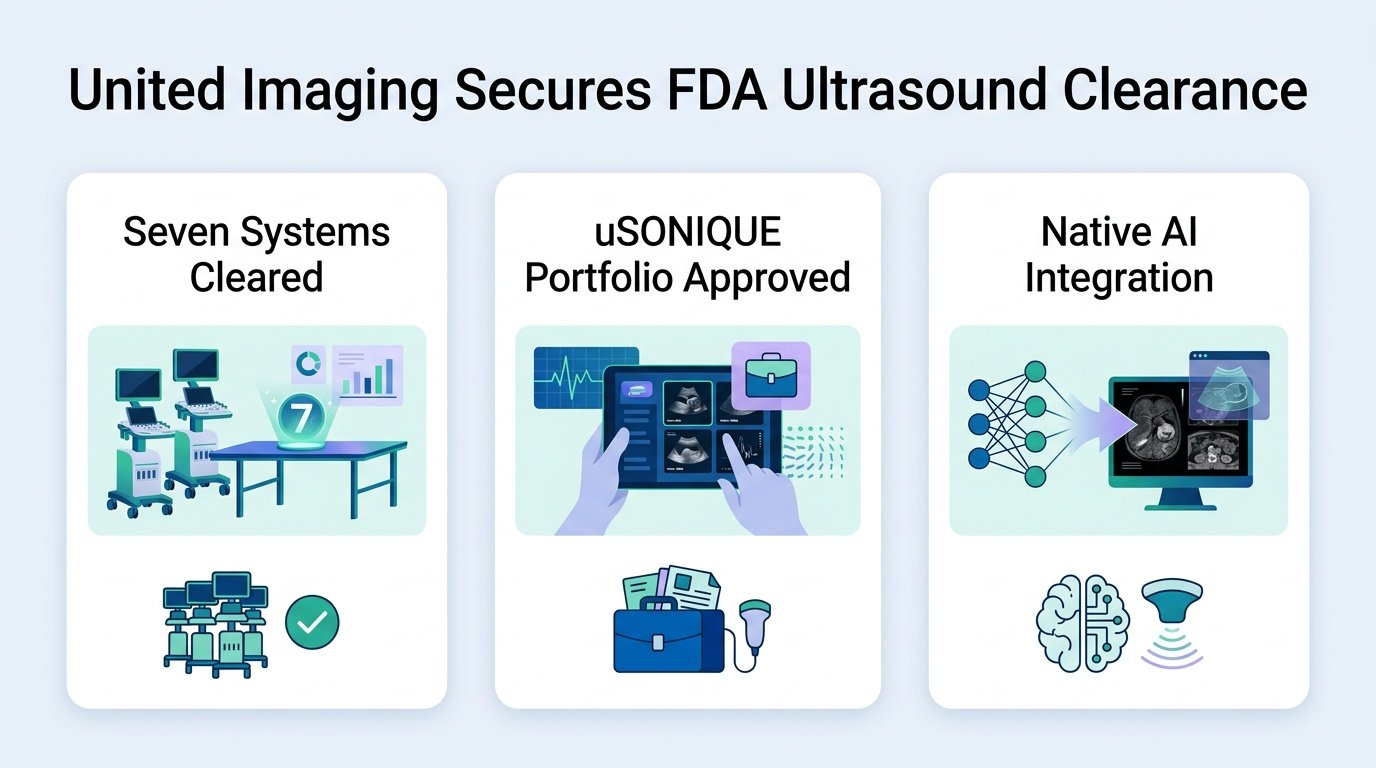
An aggressive regulatory gamble just paid off, positioning a major challenger to disrupt the established ultrasound market.
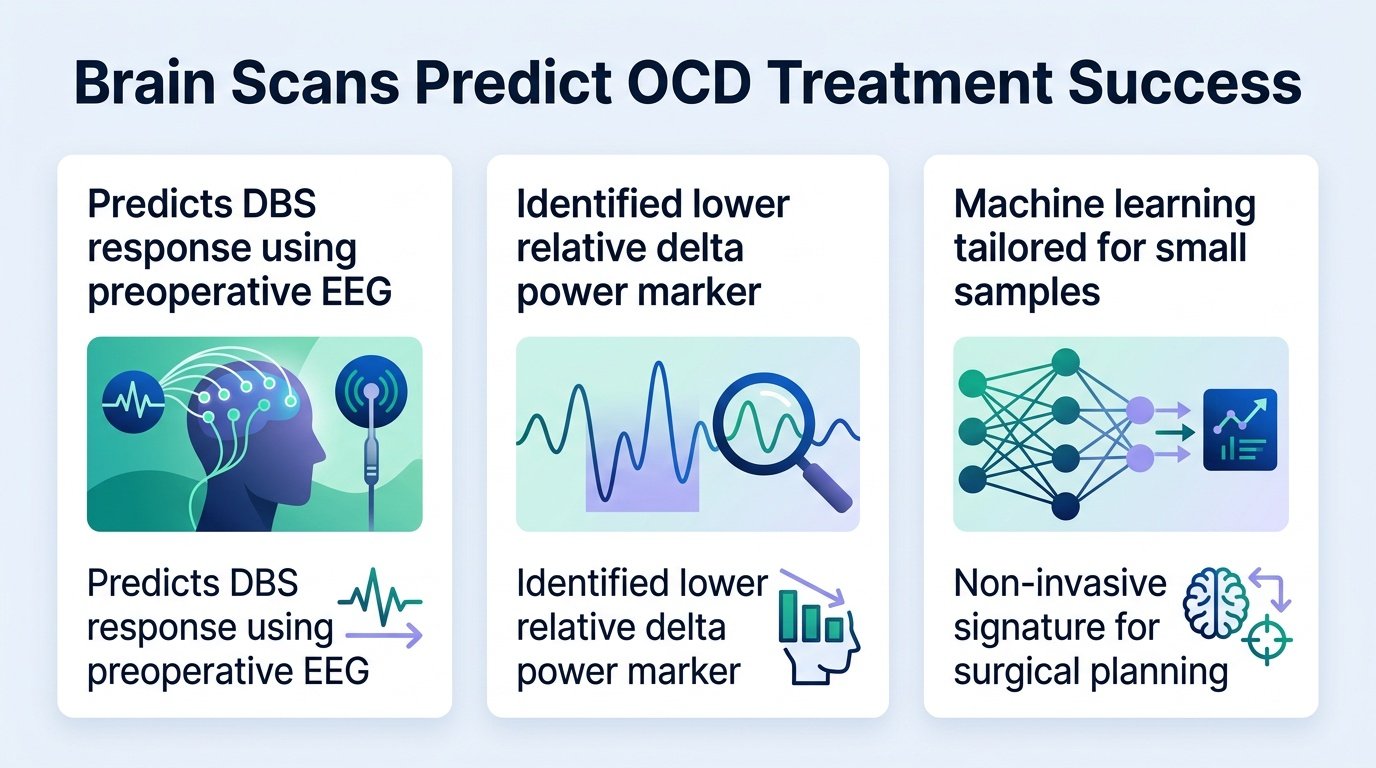
A simple scalp EEG could soon prevent patients from undergoing failed brain surgery for severe OCD.
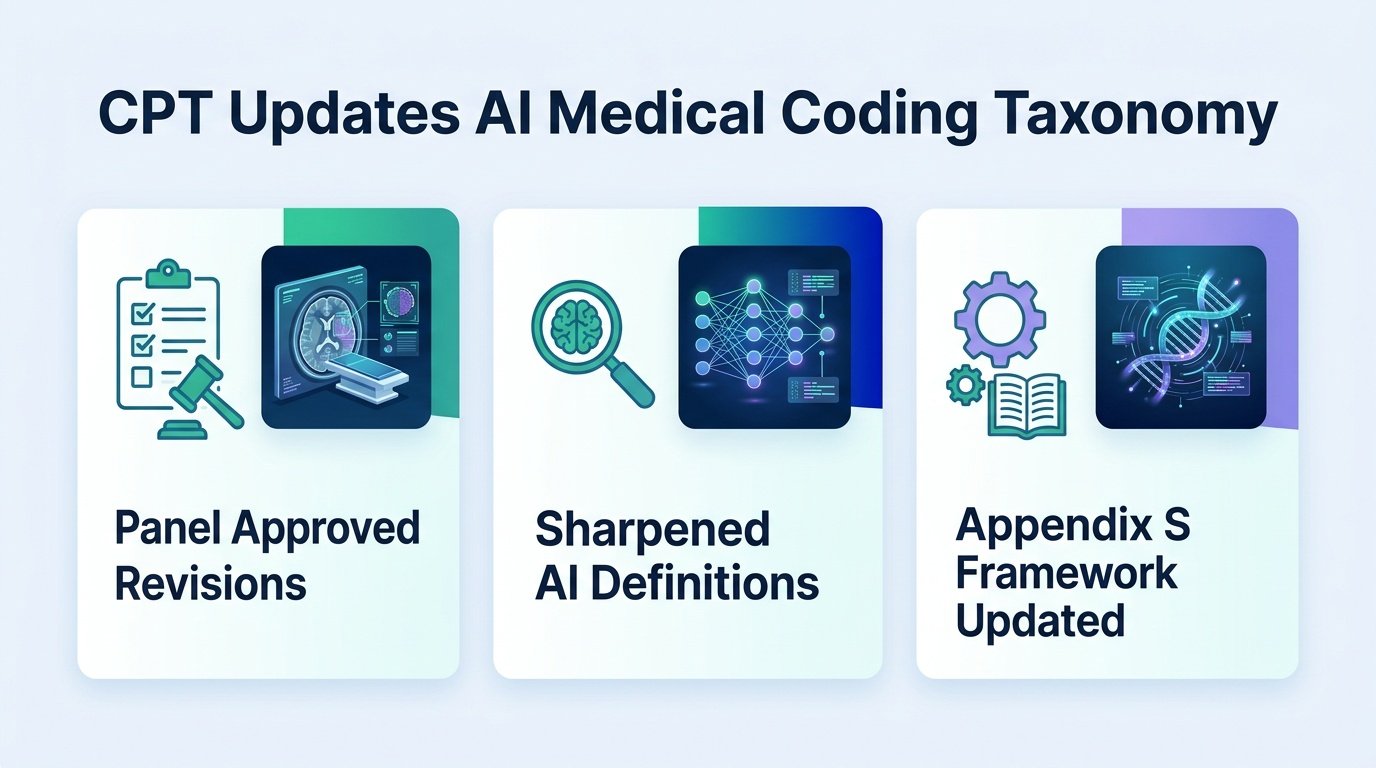
Regulators are quietly raising the evidentiary bar for artificial intelligence in medicine, forcing developers to prove clinical value before they can get paid.
Predicting which scoliosis patients will suffer from spinal imbalance after surgery has always been an educated guess, but a new machine learning model aims to replace intuition with math.
Point-of-care cardiac assessment is moving from subjective clinical guesswork to automated, real-time quantification.
Forcing local clinical AI models to follow strict formatting rules stops software crashes but does not guarantee safe medical editing.
The UK is betting £75 million that algorithms can replace animals in drug safety trials, but the regulatory hurdles remain immense.
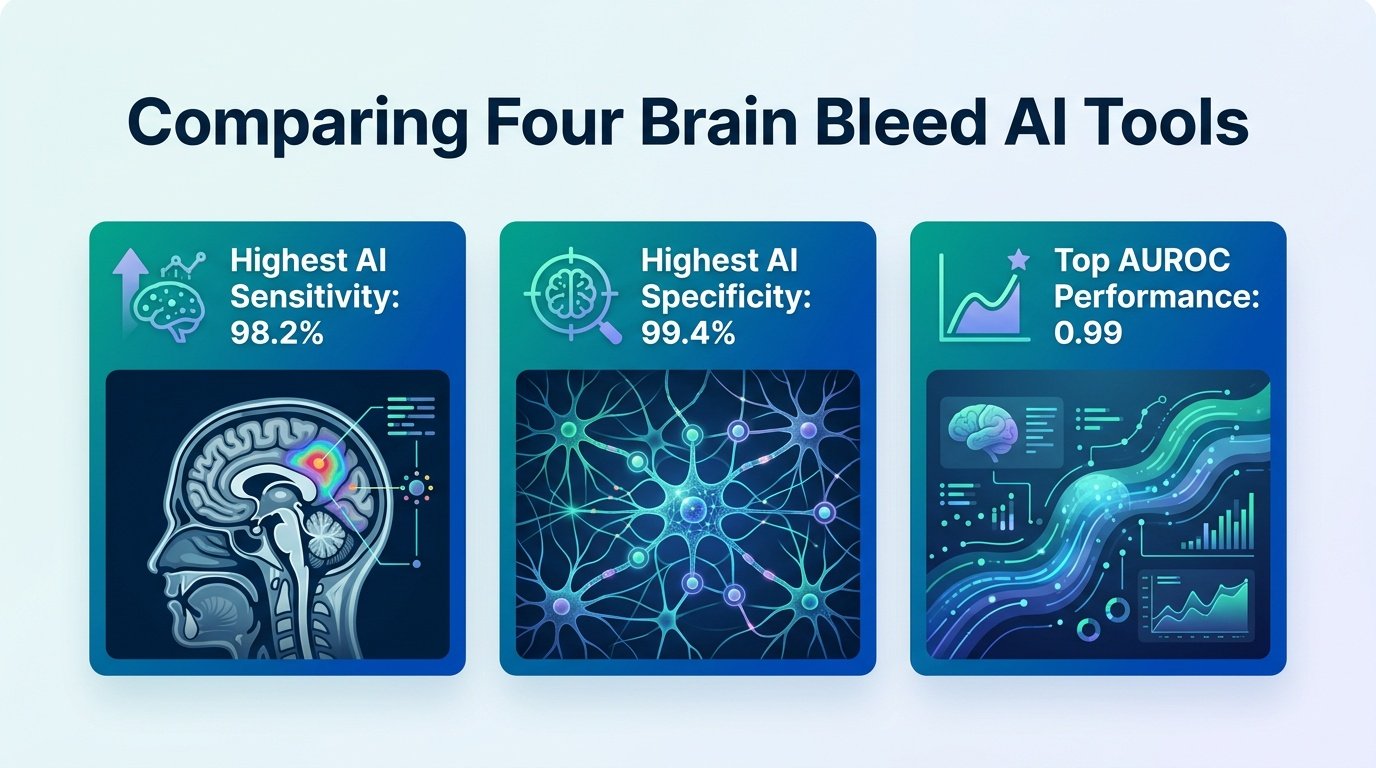
Hospital buyers assume all top-tier radiology AI performs the same, but new head-to-head data reveals critical trade-offs that could compromise patient care if ignored.
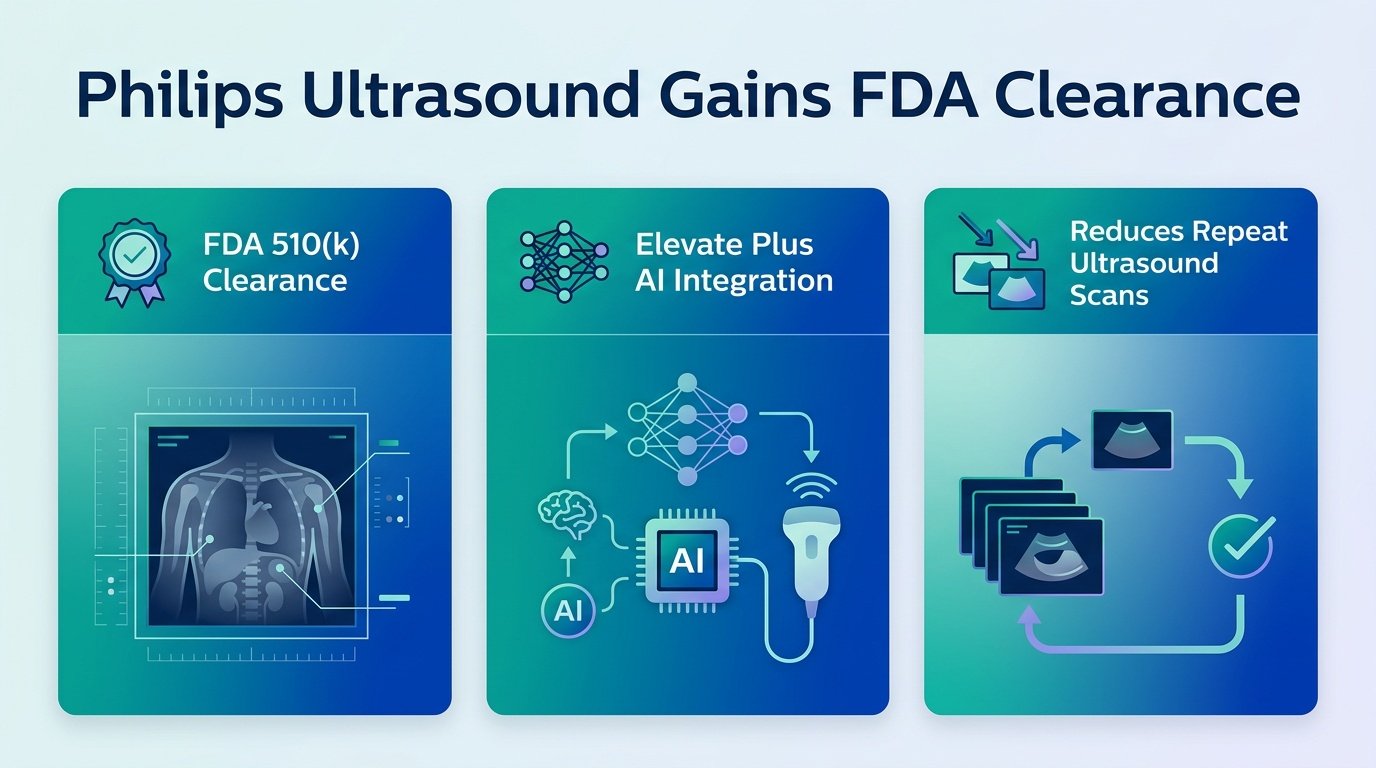
Automating the routine mechanics of ultrasound exams is no longer a luxury; it is becoming a survival strategy for short-staffed clinics.