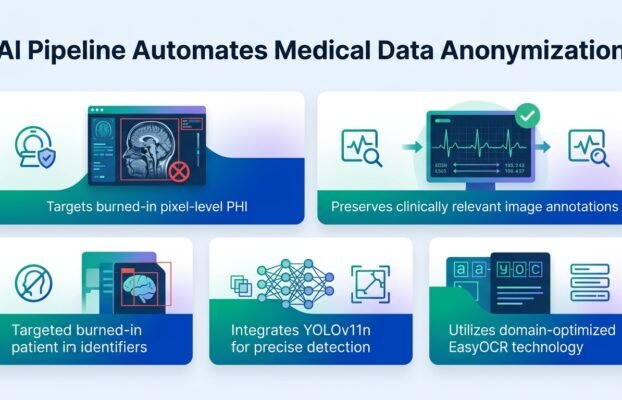
AI cleans patient data from medical scans
August 2, 2026A new deep learning pipeline strips private patient details from medical scans without erasing critical clinical notes.

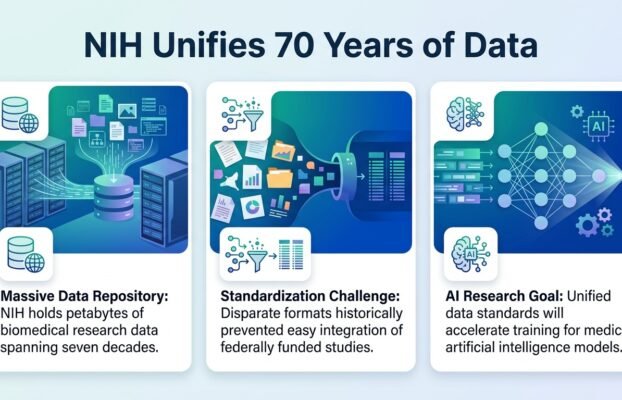
Standardizing Seventy Years of Messy Medical Data
August 1, 2026The federal government is trying to force seven decades of incompatible medical research into a single format that artificial intelligence can actually understand.
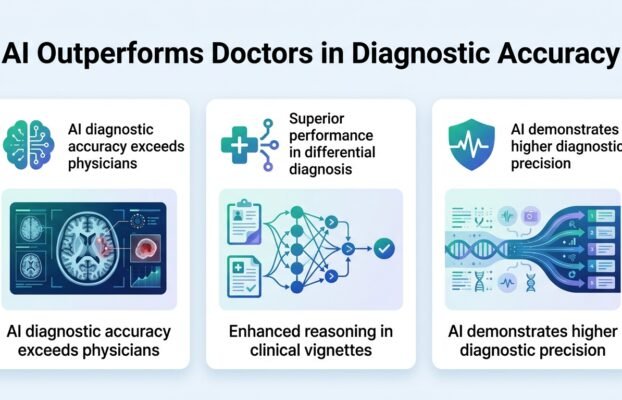
AI outperforms emergency doctors in diagnostic tests
August 1, 2026A new head-to-head trial reveals that while human doctors falter when listing multiple possible diagnoses, artificial intelligence maintains its accuracy.
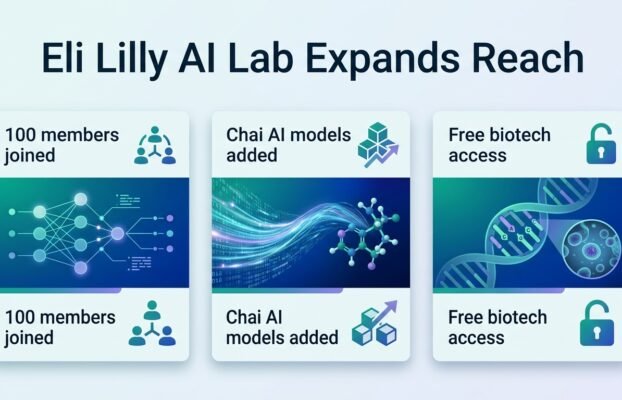
Eli Lilly Expands TuneLab to Biologics
August 1, 2026Big Pharma is learning that keeping proprietary data locked in a vault is no longer the fastest way to win the drug discovery race.
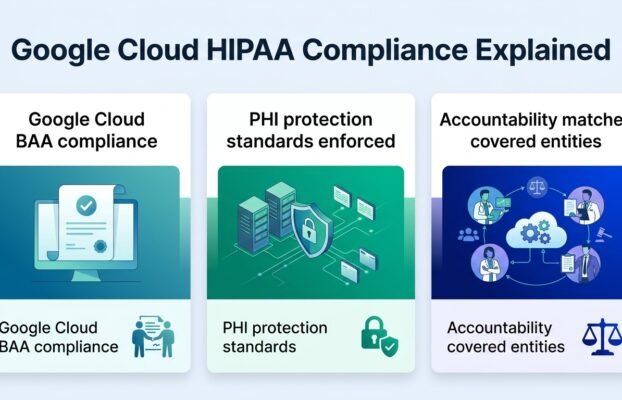
Google AI BAAs Do Not Guarantee Data Safety
August 1, 2026A signed business associate agreement with a tech giant does not mean your patient data is safe from AI training models.
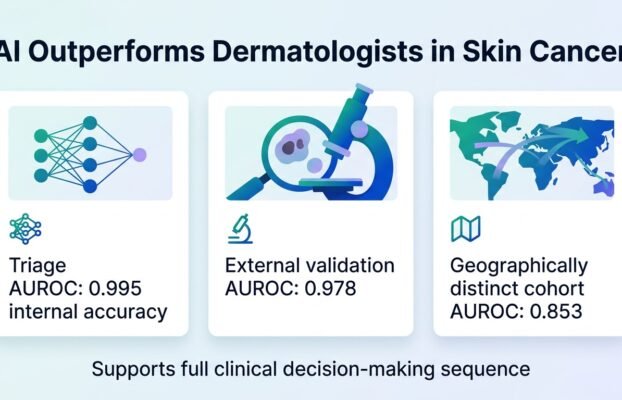
New Skin Cancer AI Beats Nineteen Dermatologists
August 1, 2026A new clinical model outperforms specialists in diagnosing skin cancer, but its hidden failure modes reveal why deploying diagnostic AI remains a high-stakes gamble.
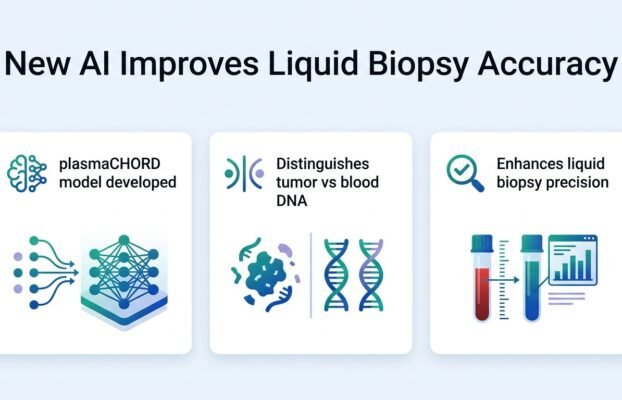
Machine Learning Fixes Liquid Biopsy False Alarms
July 31, 2026A new machine learning model tackles the biological noise threatening to derail non-invasive cancer testing.
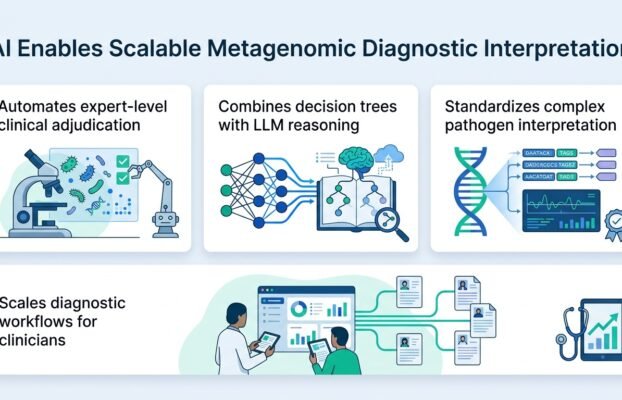
Large language models enable consensus-level interpretation in metagenomic diagnostics
July 31, 2026A new study shows that local language models can analyze complex genomic data just as accurately as panels of medical experts.
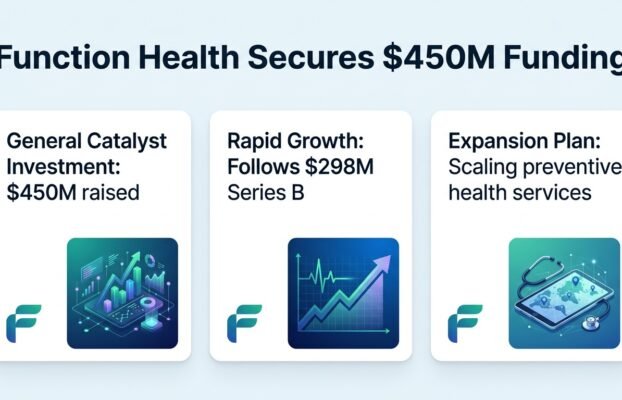
The $450 Million Bet on Consumer Diagnostics
July 31, 2026A massive new capital injection proves that venture capital is bypassing traditional doctors to sell health tracking directly to anxious consumers.