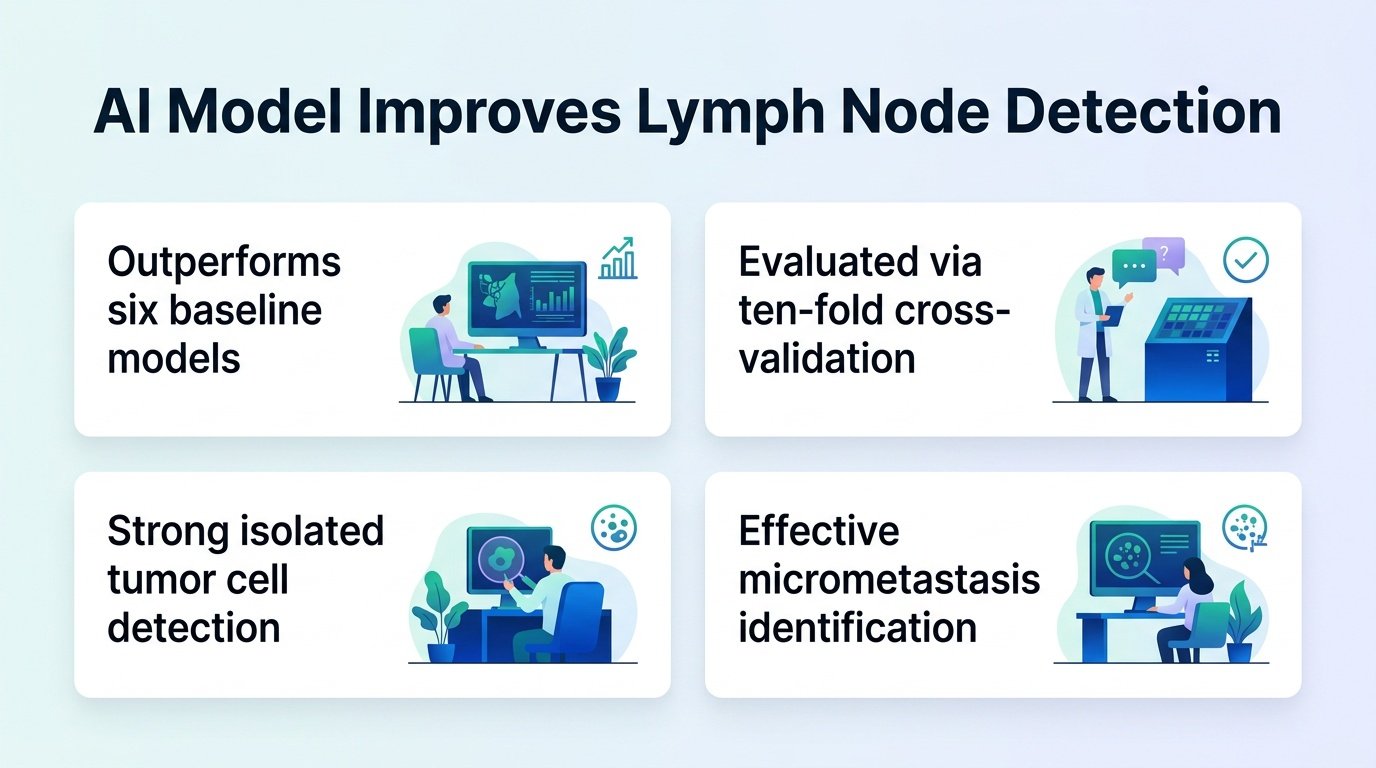
AI model improves lymph node cancer detection
A new artificial intelligence model outperforms existing tools in spotting tiny cancer deposits in lymph nodes across multiple cancer types.

A new artificial intelligence model outperforms existing tools in spotting tiny cancer deposits in lymph nodes across multiple cancer types.
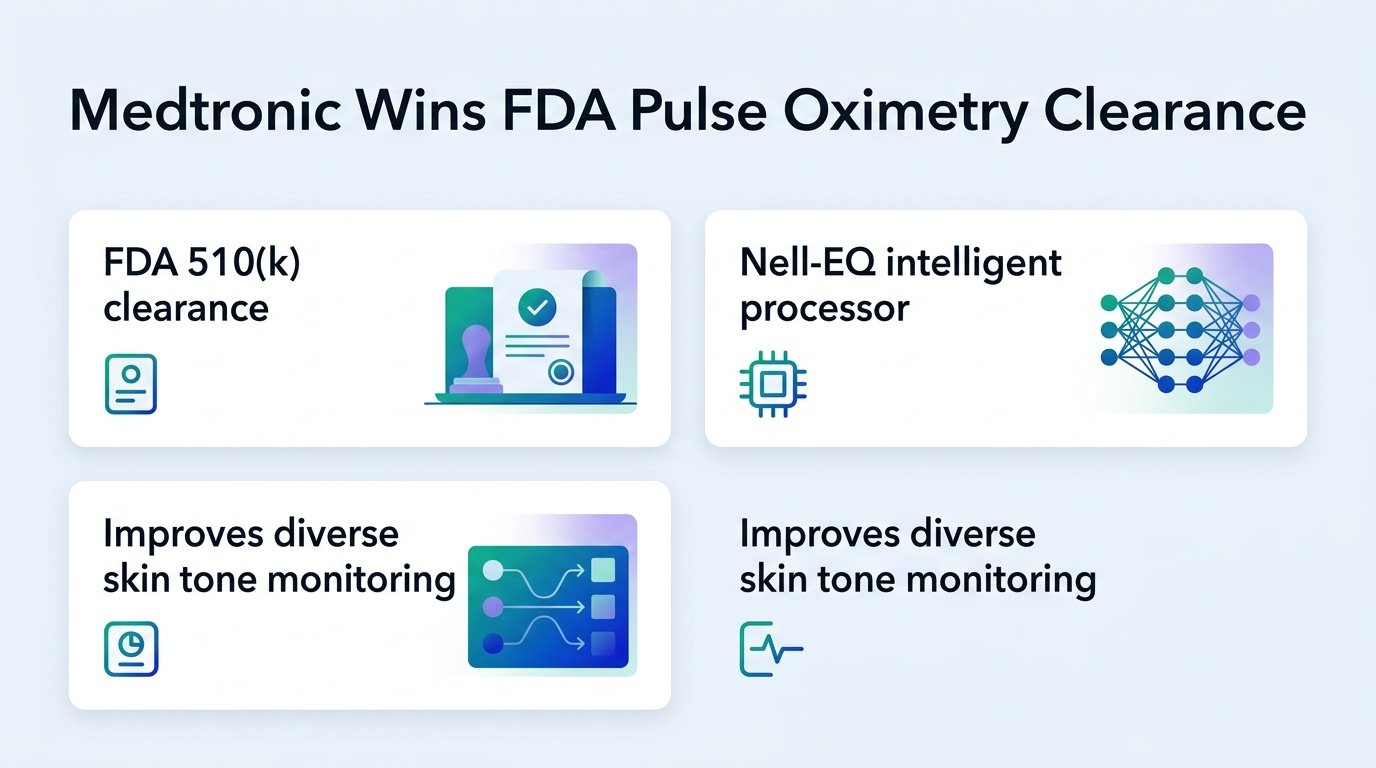
A regulatory shift is forcing medical device makers to prove their technology works equally well on all skin tones.
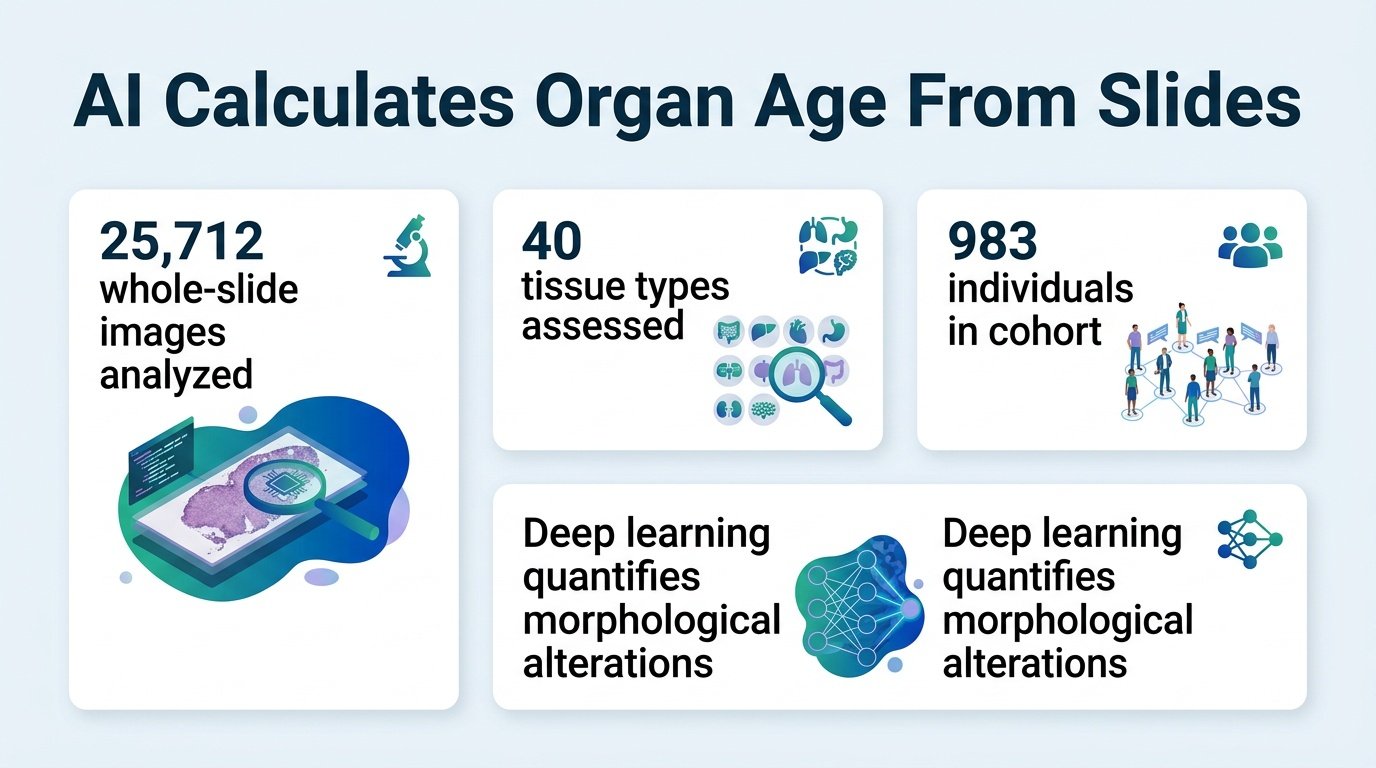
By training deep learning models to read structural decay in tissue biopsies, researchers can now estimate the biological age of specific organs and predict chronic disease risk.
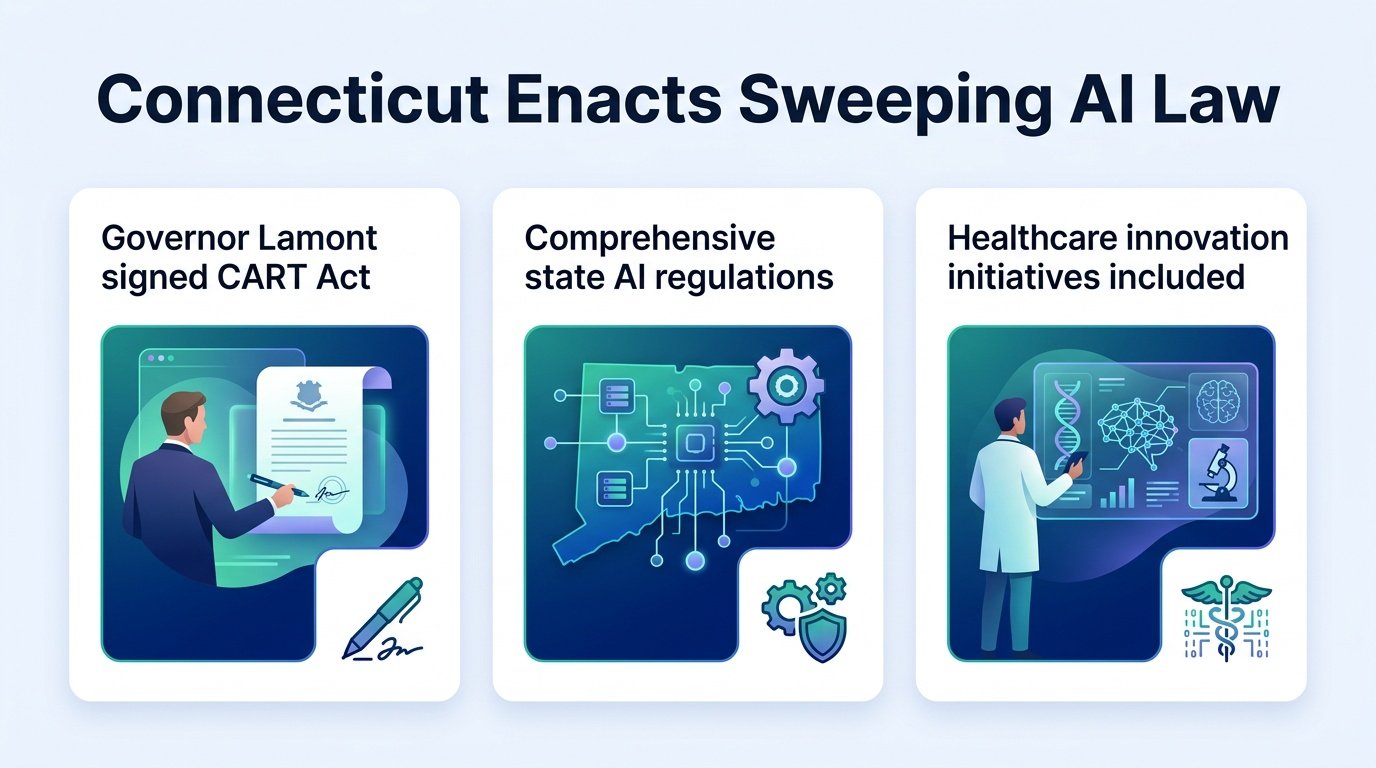
As federal AI regulation stalls, states are building a patchwork of rules that healthcare developers must navigate piecemeal.
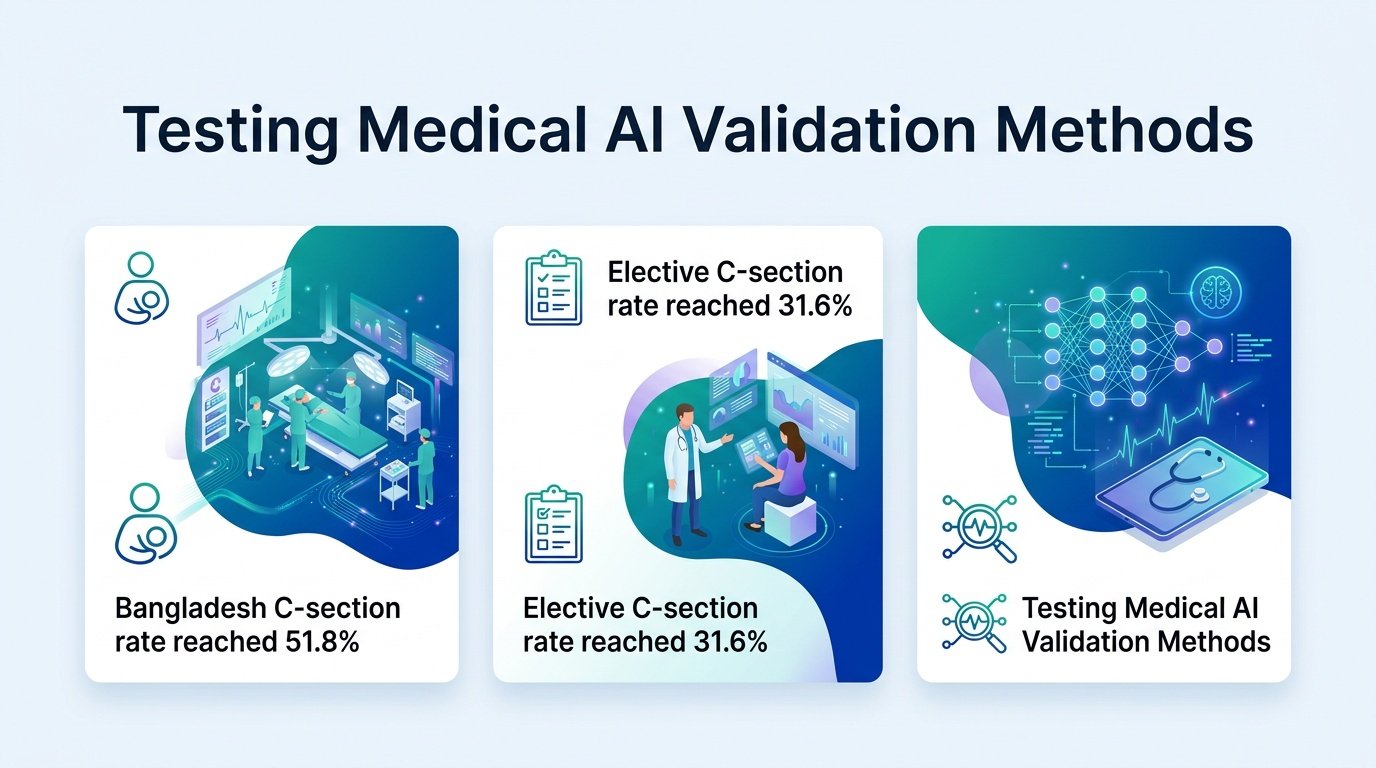
A new study reveals that how researchers validate clinical prediction models matters far more than the complexity of the algorithms they build.
The federal probe into Epic Systems signals a major shift from encouraging digital health records to policing who controls them.
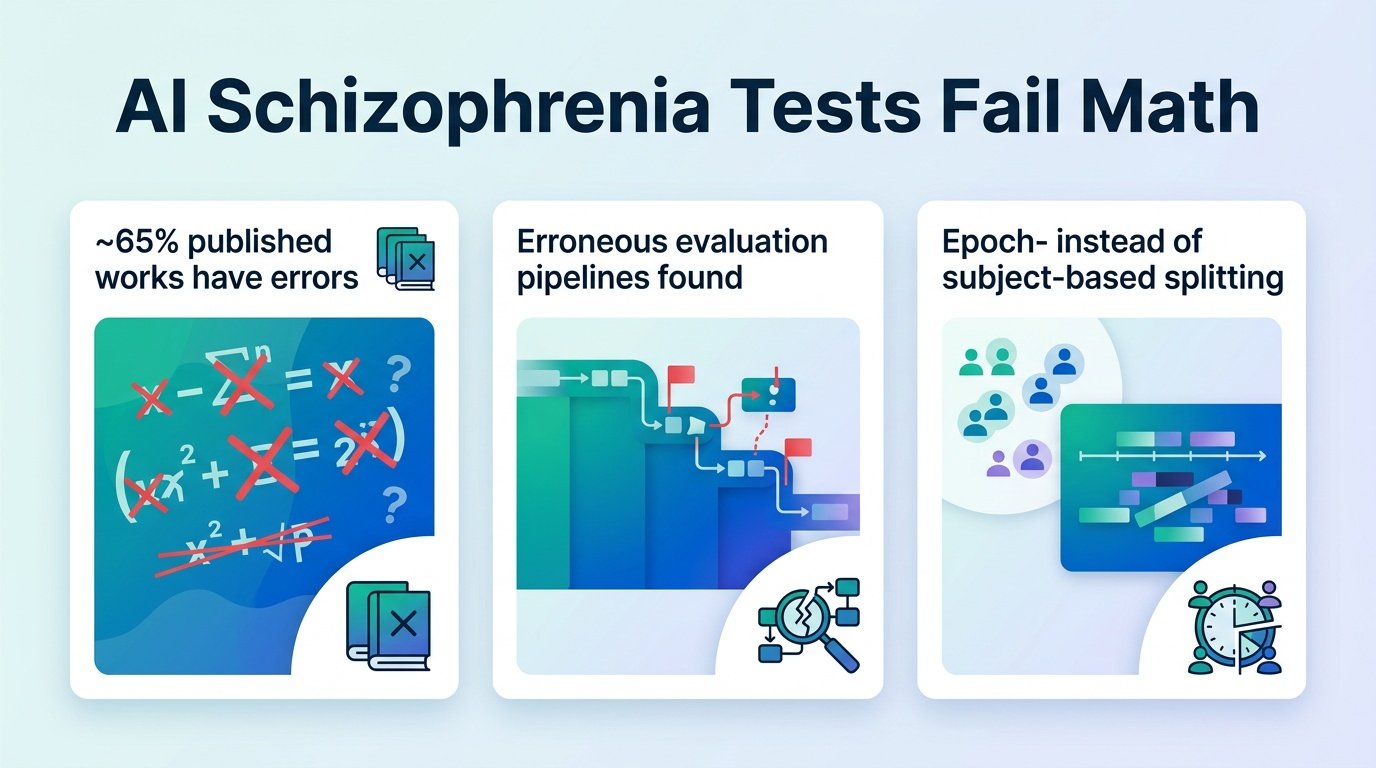
Flawed data practices in machine learning are inflating the accuracy of brain-wave schizophrenia tests by up to thirty percent, masking a quiet reproducibility crisis.
Hospitals are spending millions on advanced algorithms while leaving the frontline staff who must use them completely in the dark.
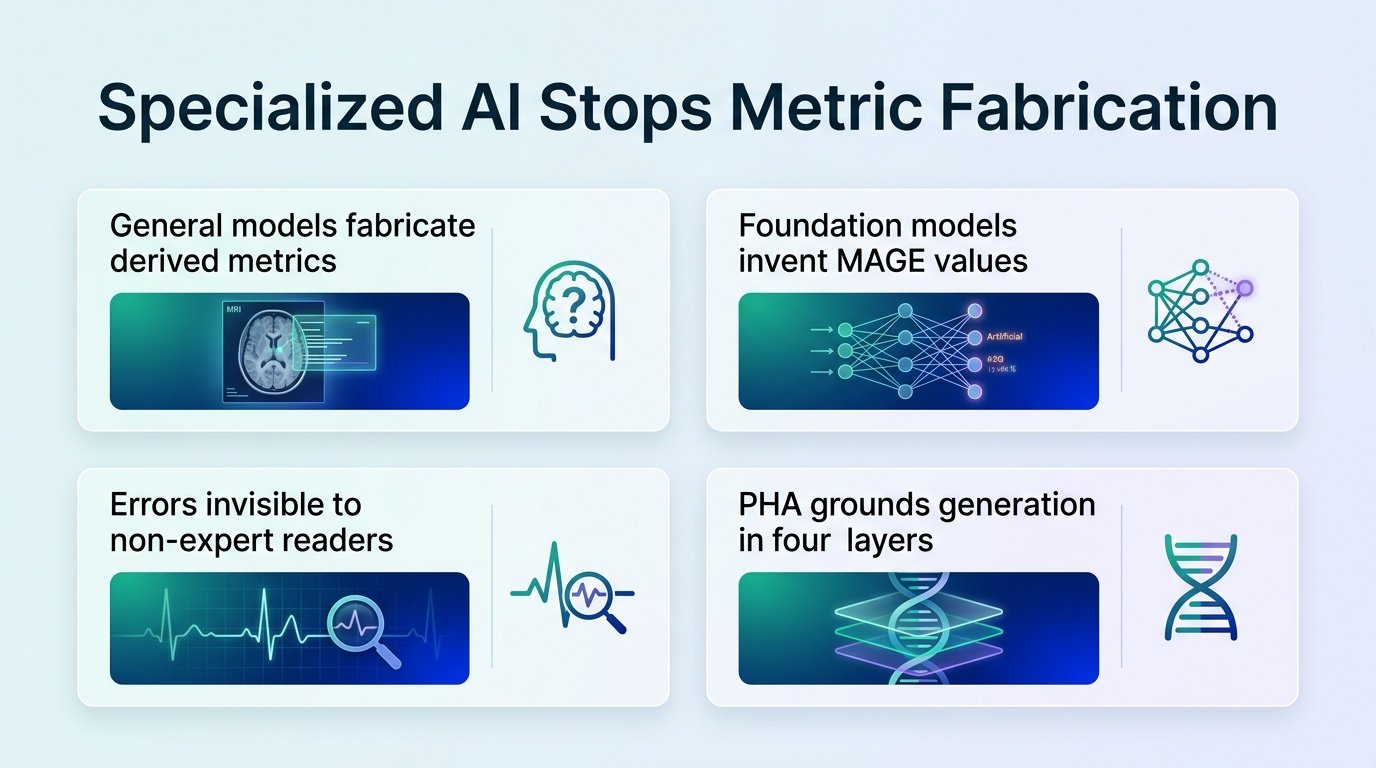
Standard AI models routinely invent patient data, but a new multi-layered architecture proves we can engineer clinical accuracy.
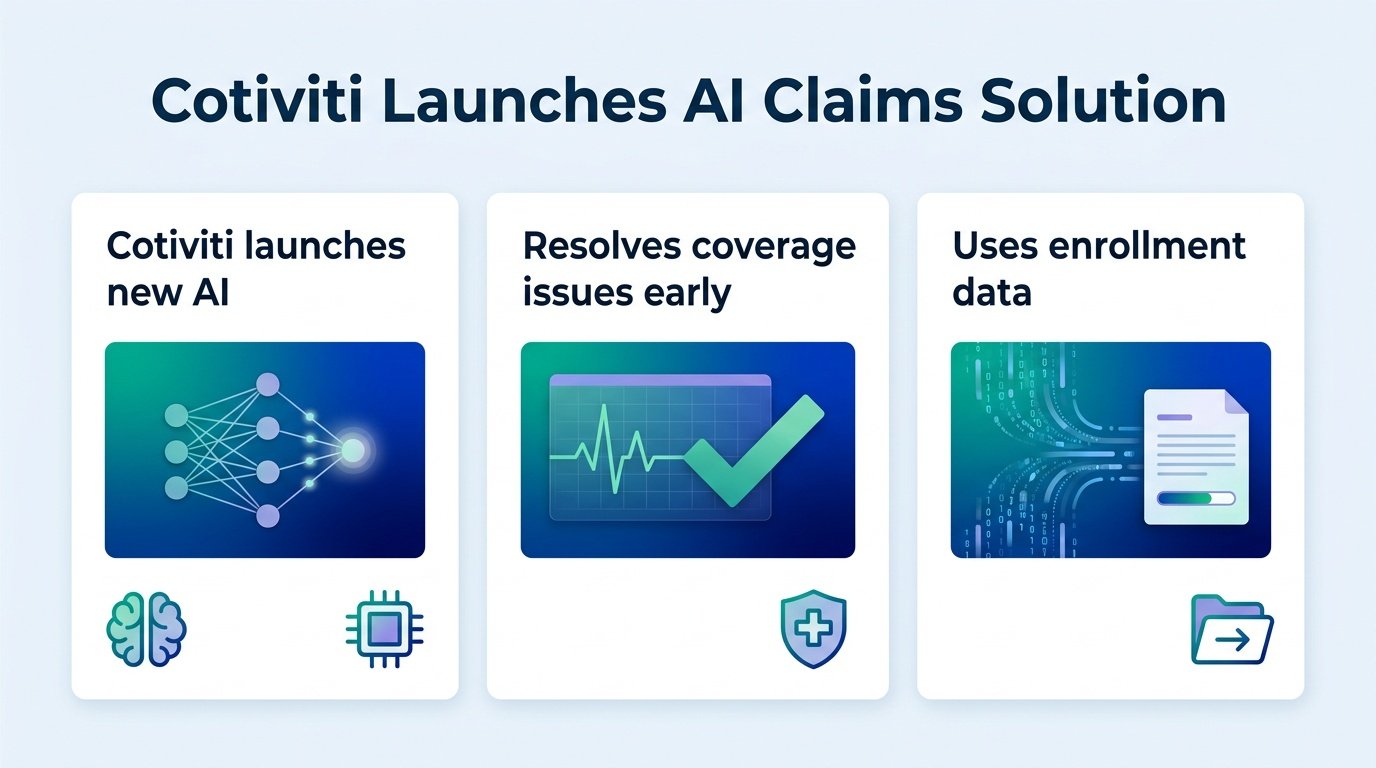
Moving payment accuracy to the point of enrollment could finally end the costly game of retrospective insurance chasing.