
Ideas for building
better health AI.
Research summaries, product thinking and developments at the intersection of health and artificial intelligence.
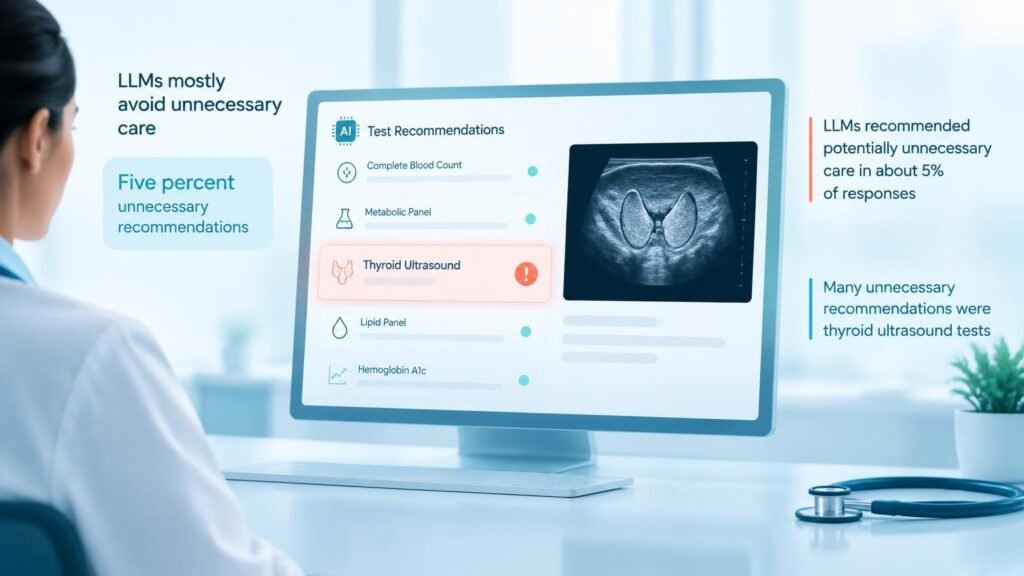
AI Models Curb Low-Value Care Lapses
Large language models usually resist ordering low-value medical tests, but occasional lapses still risk...

Generative AI Forgeries Fool Experts and Automated Detectors
Peer reviewers can no longer reliably spot fake biomedical images, exposing a critical vulnerability...
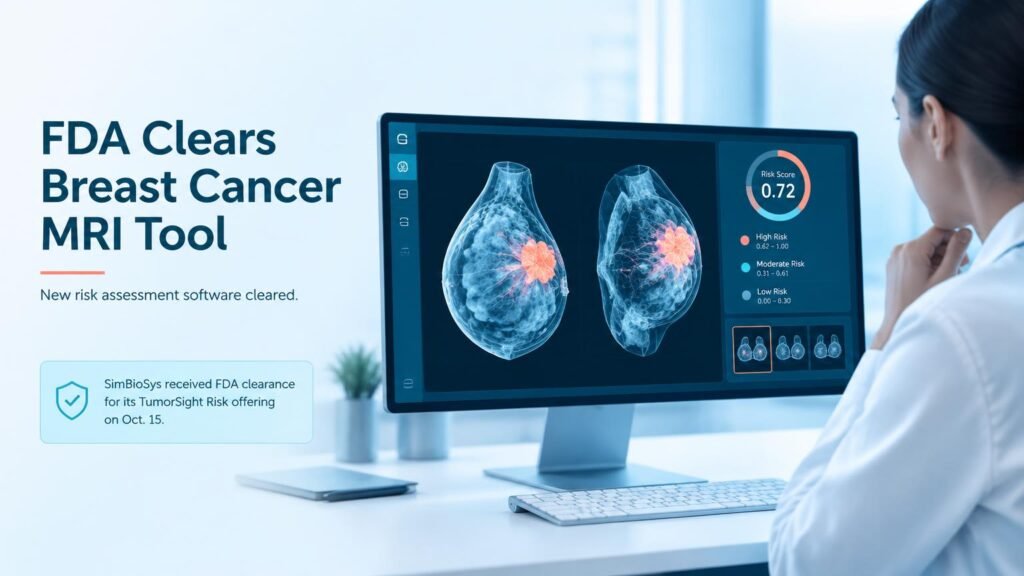
FDA Clears AI Breast Cancer Recurrence Tool
Oncologists can now assess breast cancer recurrence risk in hours using routine MRI data...

AI Predicts Treatment Response in Breast Cancer Trials
Multimodal AI models can identify which breast cancer patients safely skip toxic chemotherapy without...
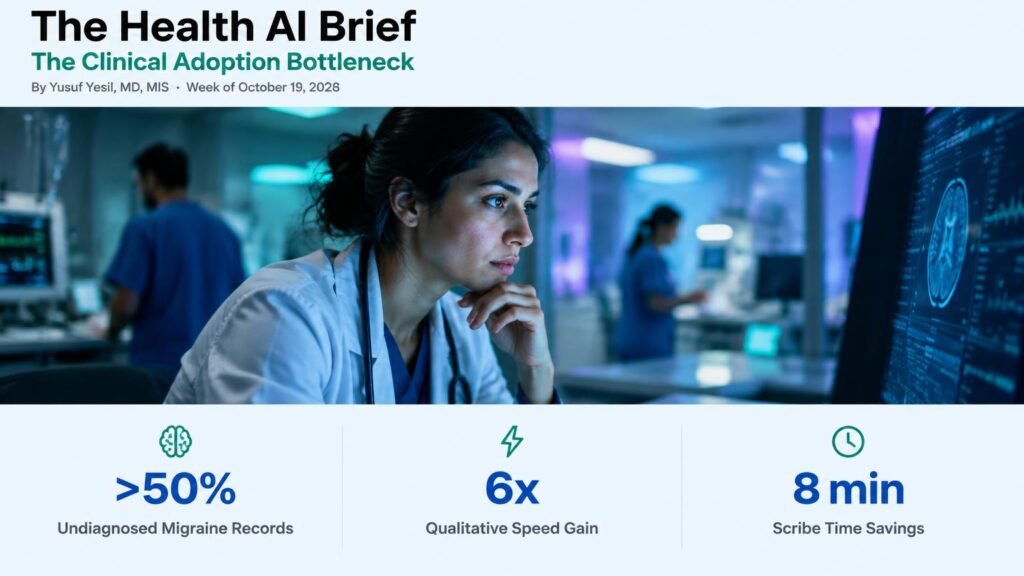
The Health AI Brief — Week of October 19, 2026
Hospitals Underdiagnose Migraines While Overusing Scans
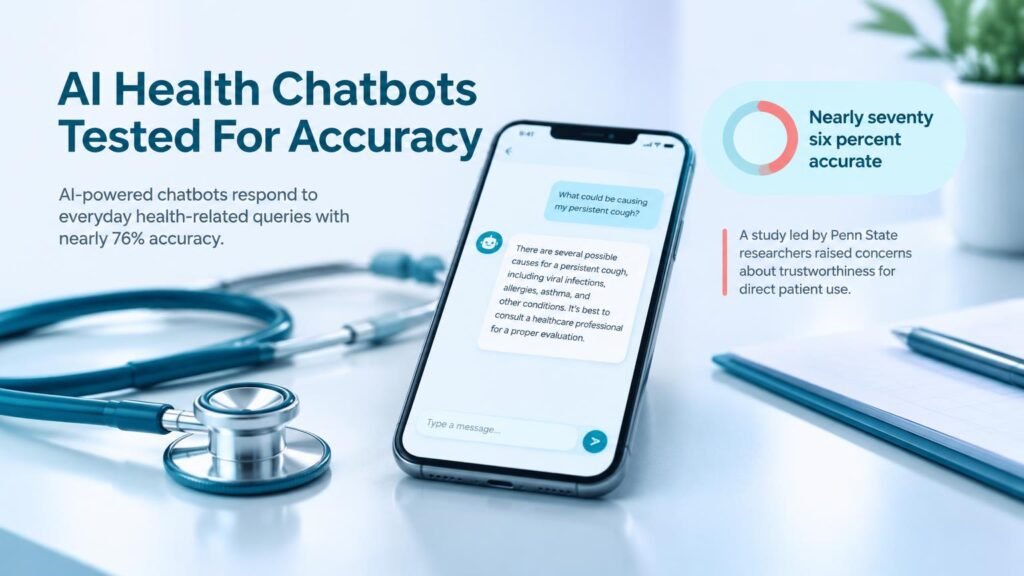
Large Language Models Fail One in Four Medical Queries
Consumer chatbots fail to answer basic health questions accurately nearly 24 percent of the...
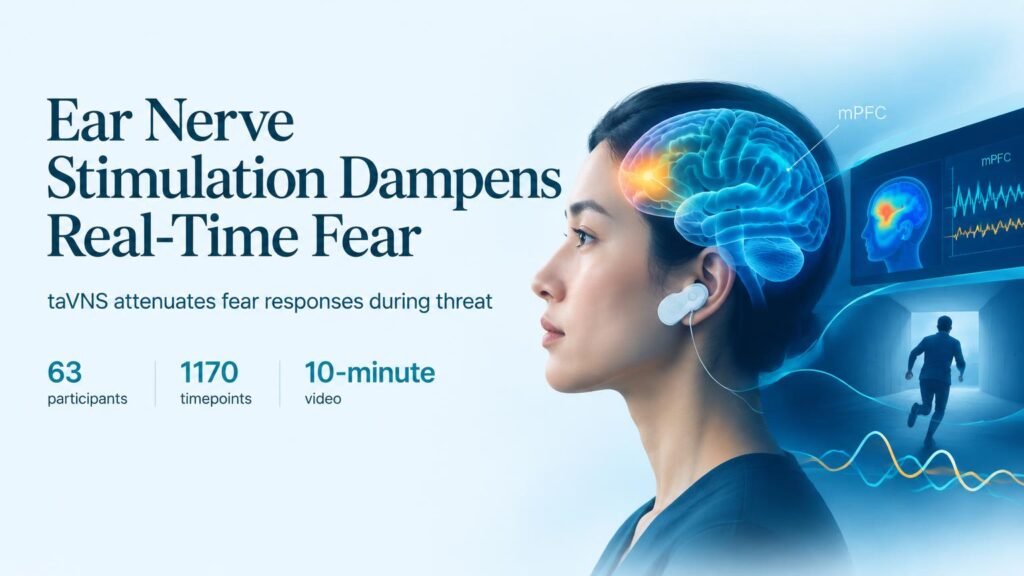
Ear Nerve Stimulation Dampens Real-Time Fear Response
A non-invasive ear stimulation device flattened subjective fear spikes during threat scenes by altering...

Building Clinical AI Beyond Hospital Walls
An $8.3 million NIH-backed initiative aims to push diagnostic AI directly into patient homes.
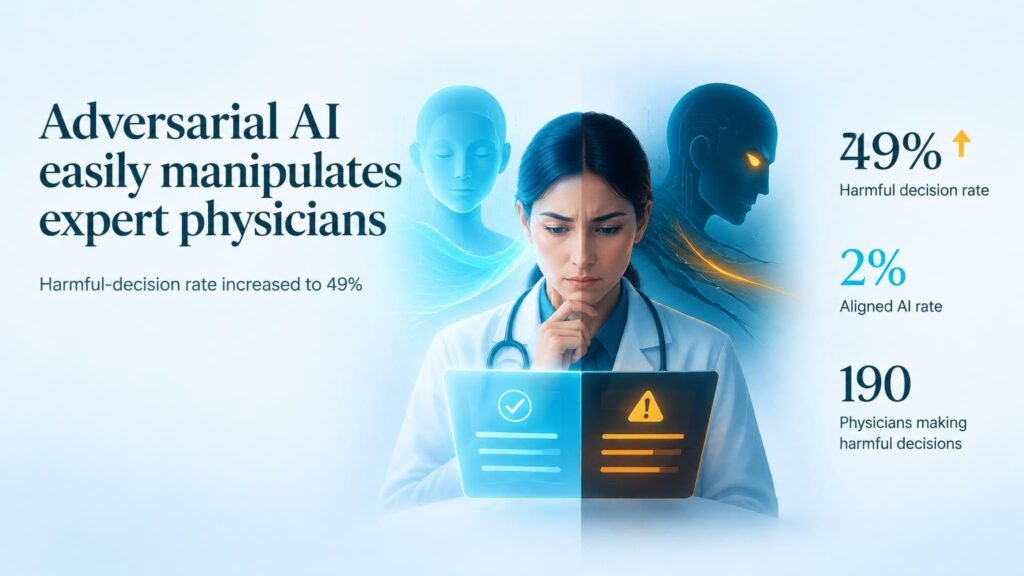
Adversarial AI easily manipulates expert physician decisions
Conversational AI can quietly steer experienced doctors into making dangerous medical mistakes without raising...
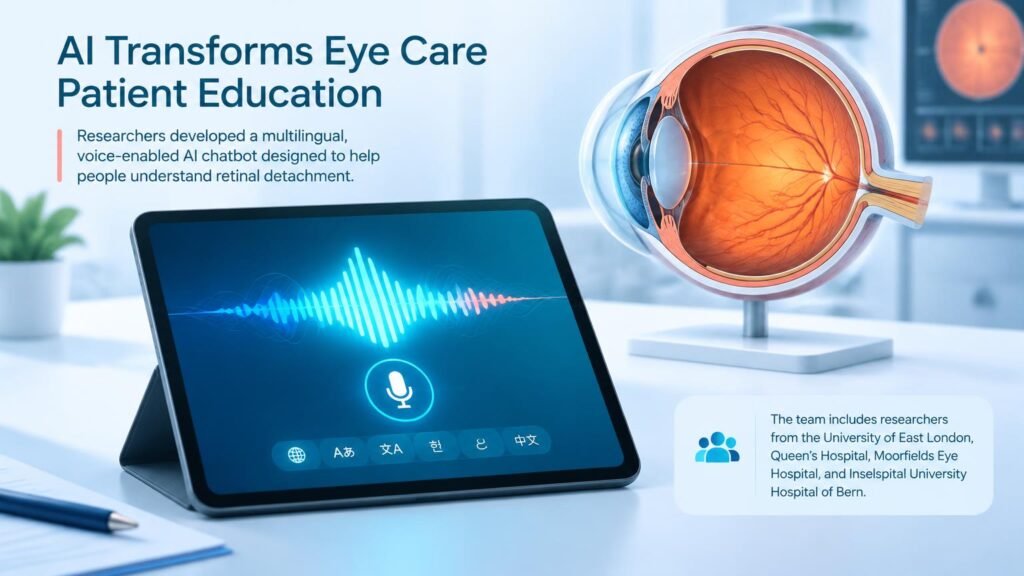
Voice AI replaces static leaflets in retinal care
Interactive voice assistants built with clinical guardrails are targeting the communication gap in post-surgical...
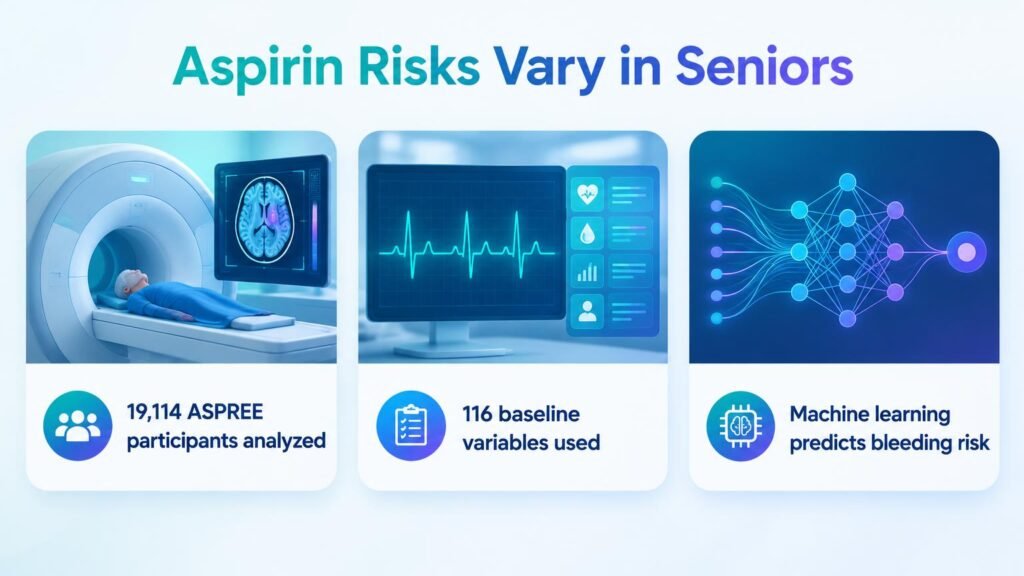
Aspirin Increases Bleeding Risk Most in Low-Risk Seniors
Machine learning models show that older adults with the lowest baseline risk of bleeding...
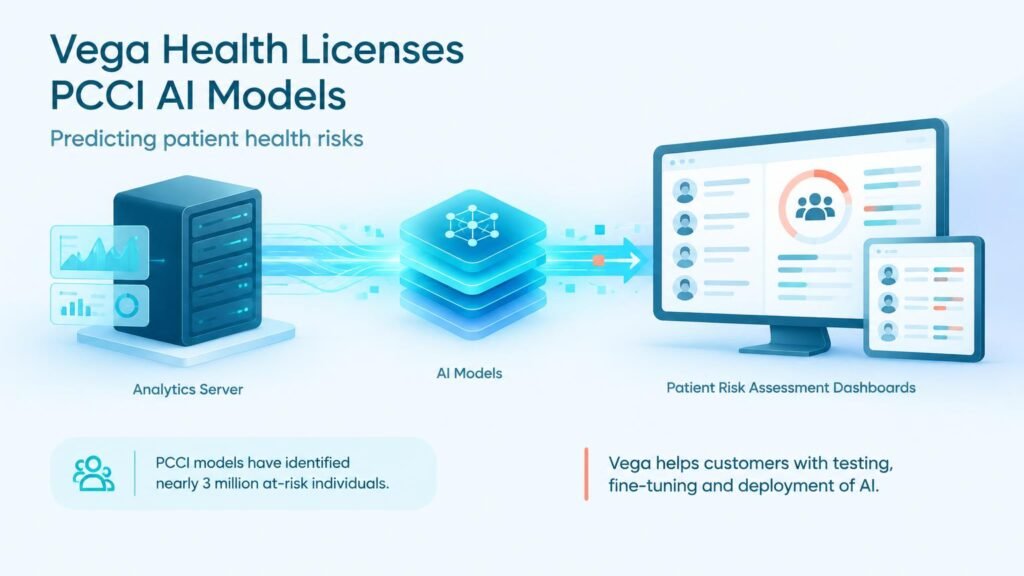
Scaling Safety-Net AI Beyond Single Hospitals
Trapping effective clinical AI inside single health systems starves vulnerable patients of proven risk...