Yesil Science / Blog
Blog
Every article we have published: research summaries, product thinking and developments in health AI.
Latest articles
Teladoc Abandons the One-Off Virtual Visit
The pioneer of quick-fix telemedicine is admitting that its original business model is no longer enough to survive.
The same AI saving patients is attacking them
Healthcare is learning a brutal lesson: the artificial intelligence deployed to save lives is the exact same tool hackers are using to...
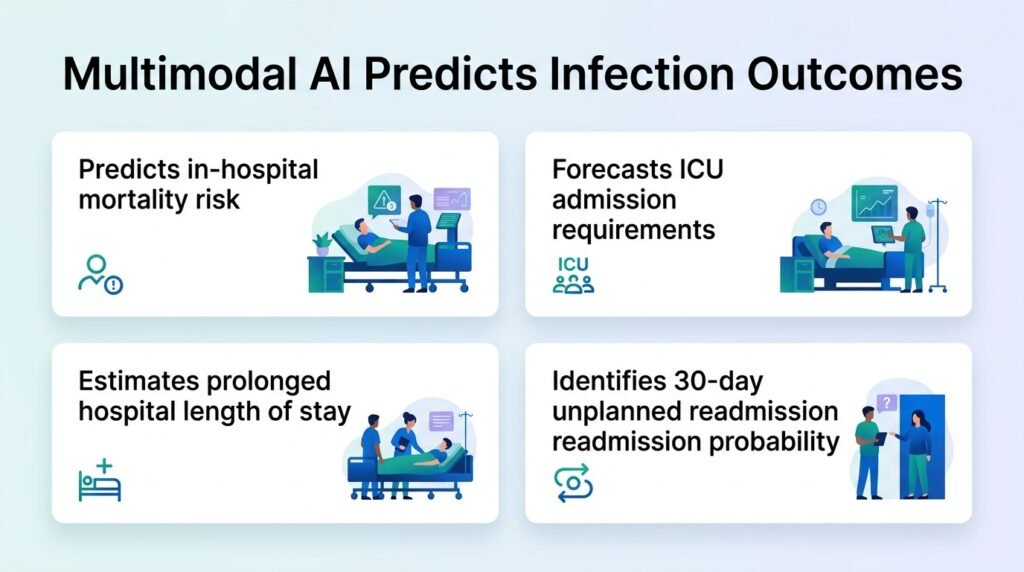
AI merges patient records and pathogen DNA
By combining complete electronic health records with bacterial genomes, a new AI platform predicts sepsis outcomes far better than traditional clinical scores.

UnitedHealth Bets Three Billion on AI Automation
A massive bet on automated healthcare administration is paying off for insurers, but it raises difficult questions about who really wins when...
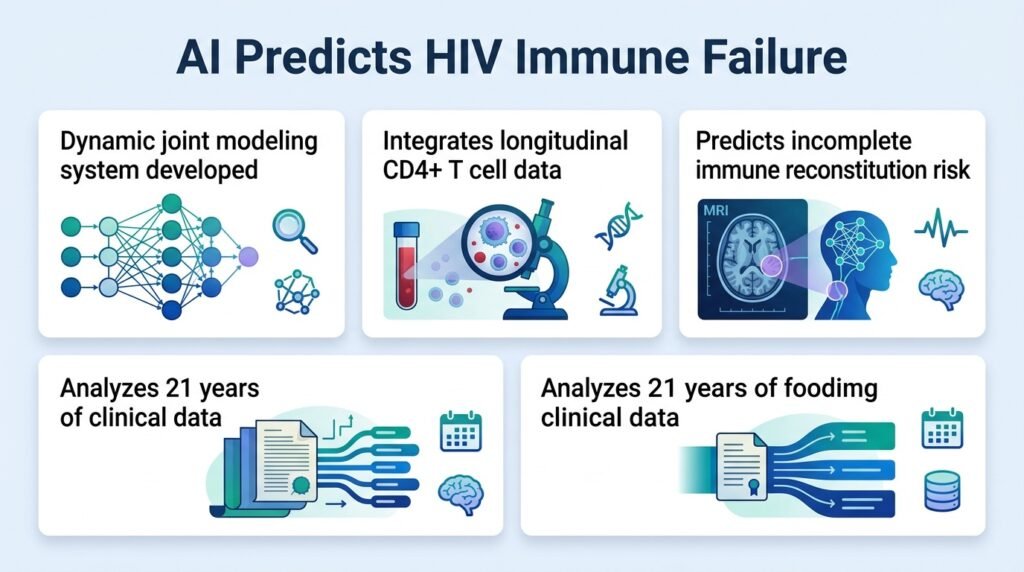
AI predicts immune failure in HIV patients
Static blood tests are failing HIV patients who seem healthy on paper but remain at risk of silent immune failure.
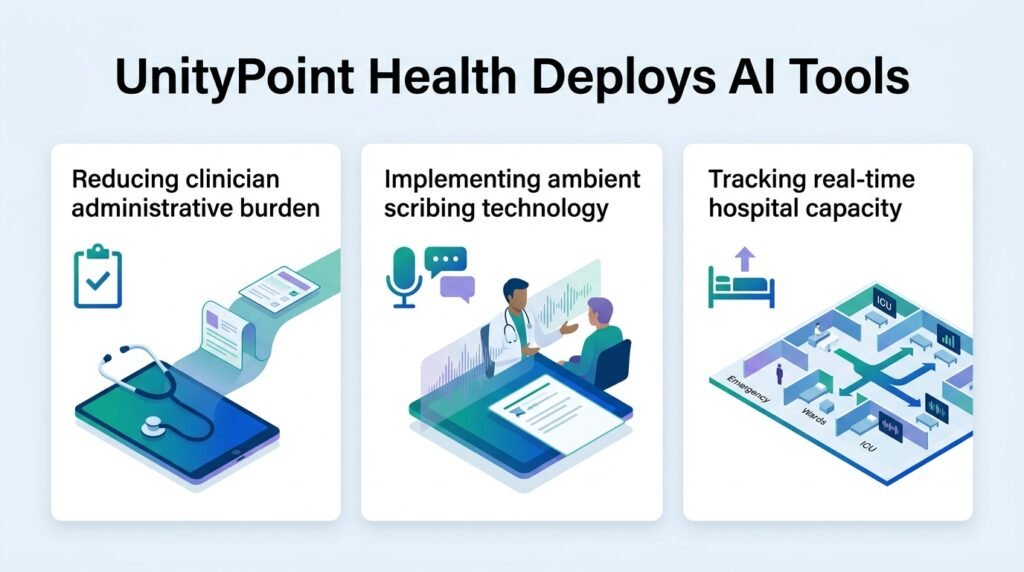
Hospitals turn AI into basic plumbing
As health systems rush to adopt artificial intelligence, the technology is shifting from a luxury upgrade to a survival tool for burned-out...
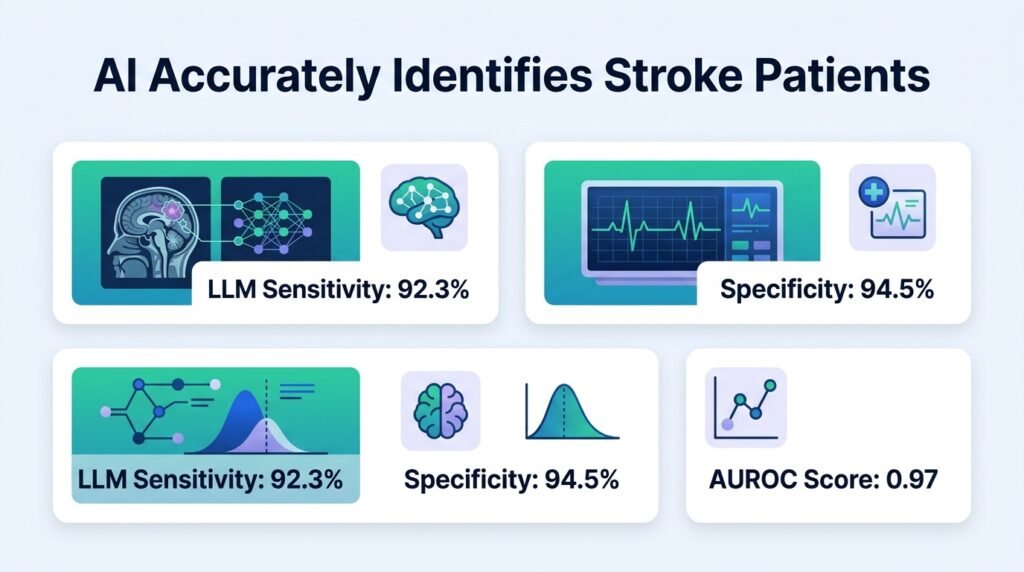
AI reads triage notes to spot strokes
A local language model can flag stroke patients directly from emergency room triage notes, bypassing the need for cloud-based data sharing.
Federal AI Deregulation Sparks State-Level Backlash
Federal officials are quietly clearing the runway for clinical AI, but their hands-off approach is triggering a chaotic state-level rebellion.
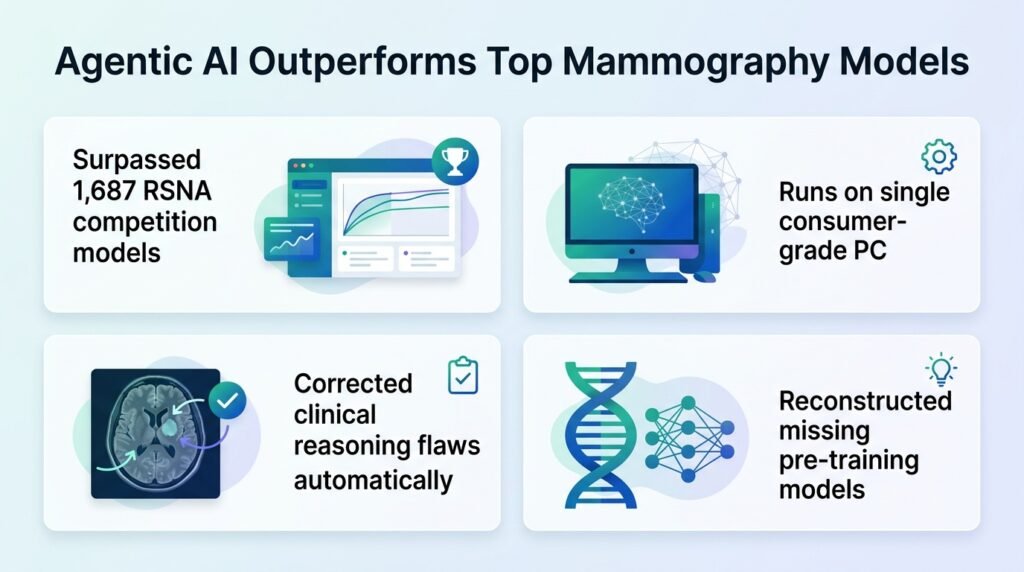
Towards Accessible Radiological Image Analysis via Local Agentic Framework: Validation in Mammography
A new study shows that a consumer-grade computer running an LLM agent can build world-class medical AI without elite engineering teams.
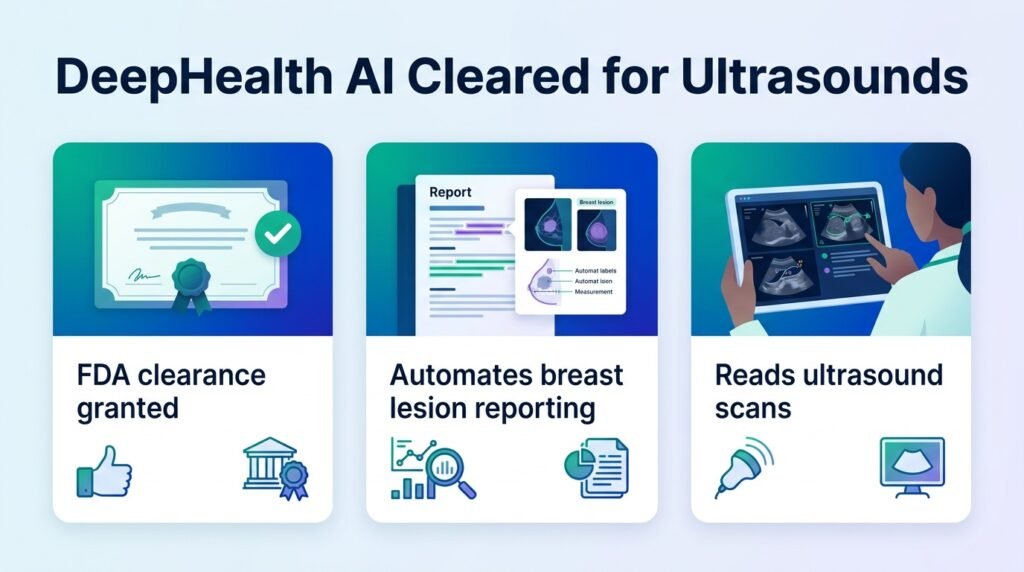
FDA Clears AI to Read Breast Ultrasounds
Automating ultrasound analysis could finally break the bottleneck in breast cancer screening.
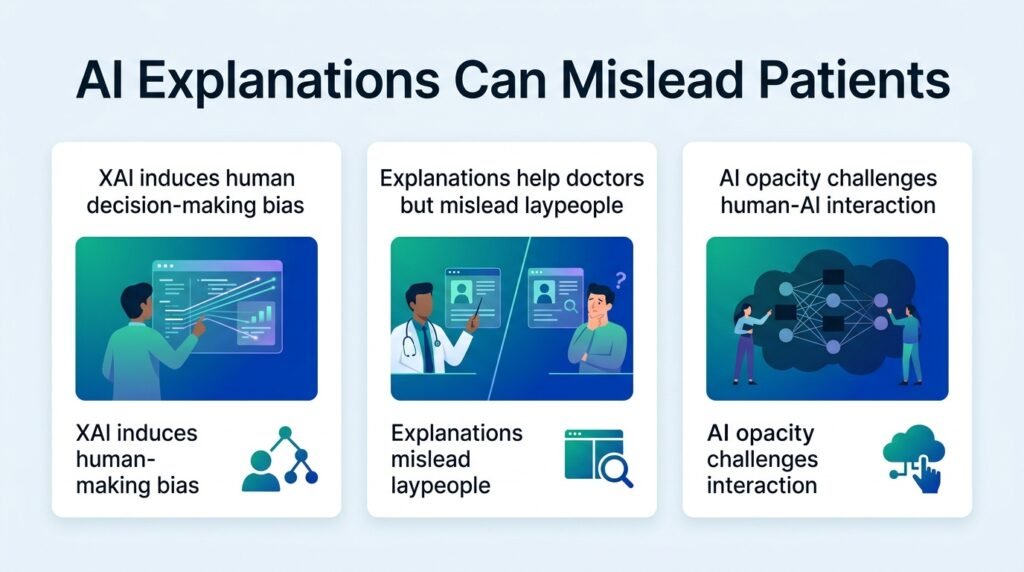
AI explanations help doctors but mislead patients
New research shows that explaining how medical AI works makes untrained users trust wrong answers, while doctors remain unaffected.
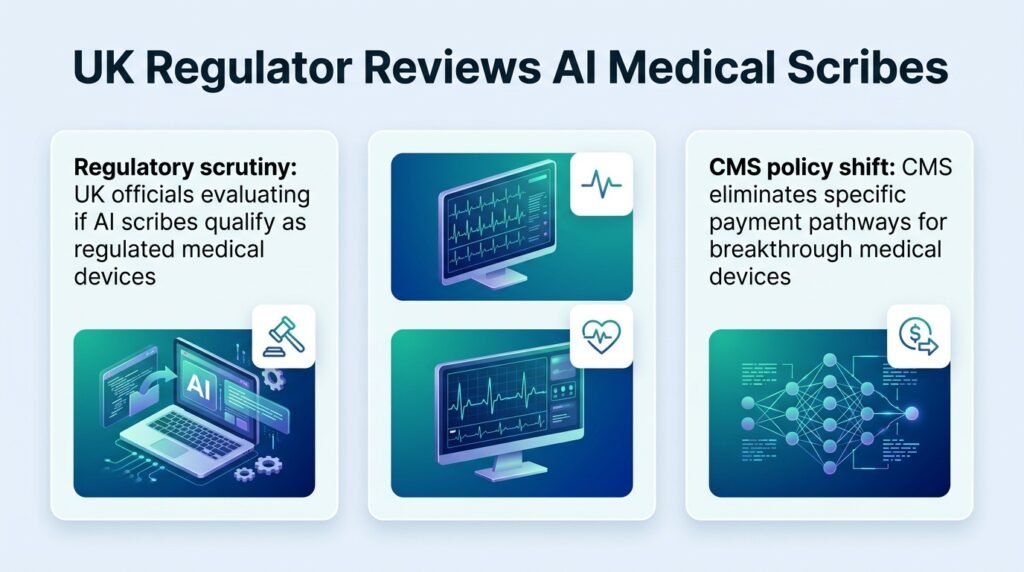
UK exempts AI scribes from medical regulation
By classifying ambient AI scribes as administrative tools rather than medical devices, UK regulators are prioritizing clinical speed over systemic safety.
Also on LinkedIn
AI Health Hub posts the same research summaries on LinkedIn every day. More than 3,000 people follow it there.