A massive bet on automated healthcare administration is paying off for insurers, but it raises difficult questions about who really wins when algorithms make medical decisions.
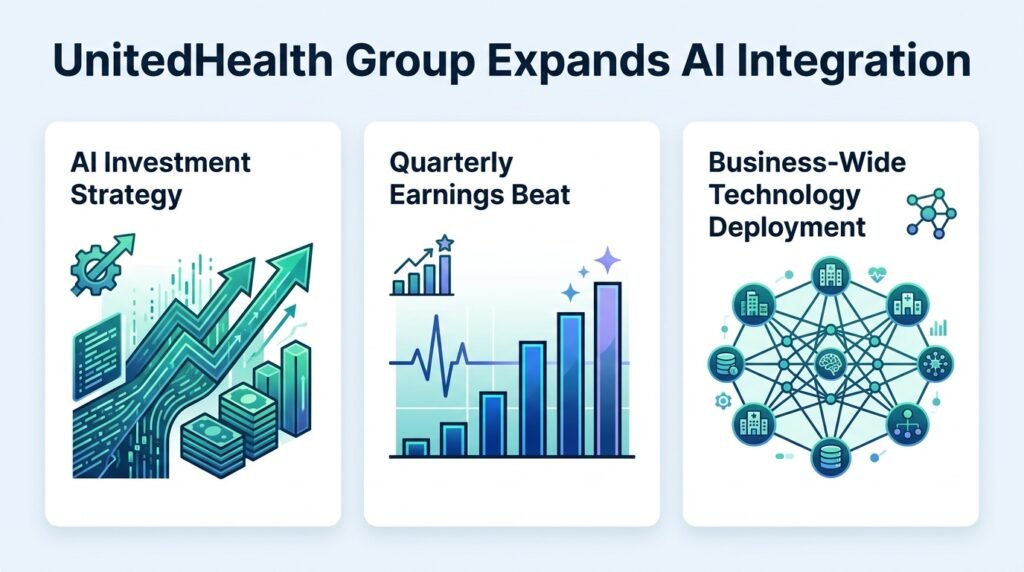
UnitedHealth Group is proving that administrative automation is a massive cash generator. The insurance giant is deploying over 1,000 AI use cases, including its generative AI companion Avery. This push is part of a planned $3 billion investment through 2027.
The financial payoff is already clear. The company expects to save $1 billion this year alone, helping fuel a major Q2 2026 earnings beat.
The Speed Trap
UnitedHealth boasts a 96% first-pass approval rate for its automated prior authorization systems. On paper, this looks like a victory for efficiency. Faster approvals mean patients get care quicker.
But speed is a double-edged sword.
When algorithms handle the gatekeeping of healthcare, the margin for error shrinks. Regulators, courts, and patient advocates are already sounding alarms over the rapid rollout. The core worry is that automated systems can quietly scale up coverage denials or hardcode bias into the system.
The Trust Deficit
This tension exposes the real challenge of clinical AI. It is not a technology problem; it is a trust problem.
Saving $1 billion by automating administrative friction is a massive win for shareholders. But if patients and doctors suspect that automated efficiency comes at the cost of fair clinical review, the backlash will be severe.
UnitedHealth is actively defending its technology as a benefit to patients. Yet, the company must prove that its high approval rate represents accurate medicine, not just fast processing. Until then, the line between administrative efficiency and automated denial remains dangerously thin.