Yesil Science / Blog
Blog
Every article we have published: research summaries, product thinking and developments in health AI.
Latest articles
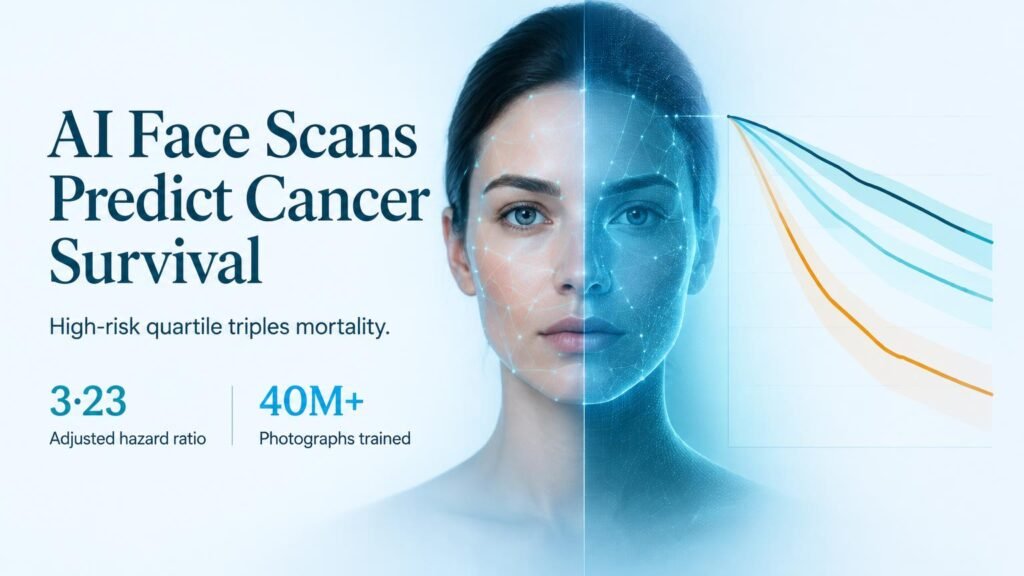
AI face scans predict cancer patient survival risk
A single facial photograph can now track biological aging and signal mortality risk in cancer patients.
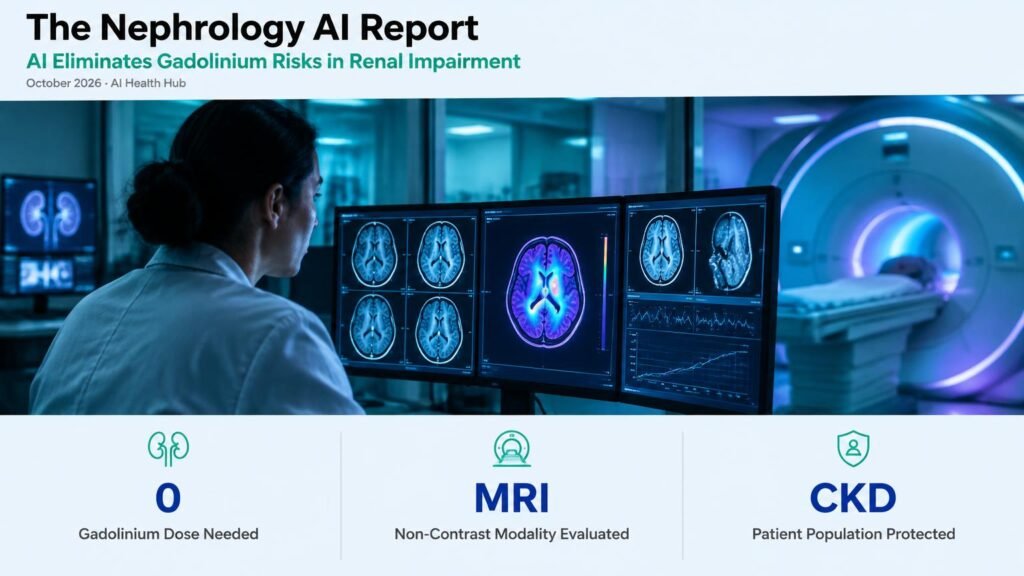
Deep Learning Predicts Contrast Enhancement Without Gadolinium Exposure
A deep learning model predicts brain tumor contrast enhancement on MRI, potentially eliminating gadolinium toxicity risks in patients with severe renal impairment.
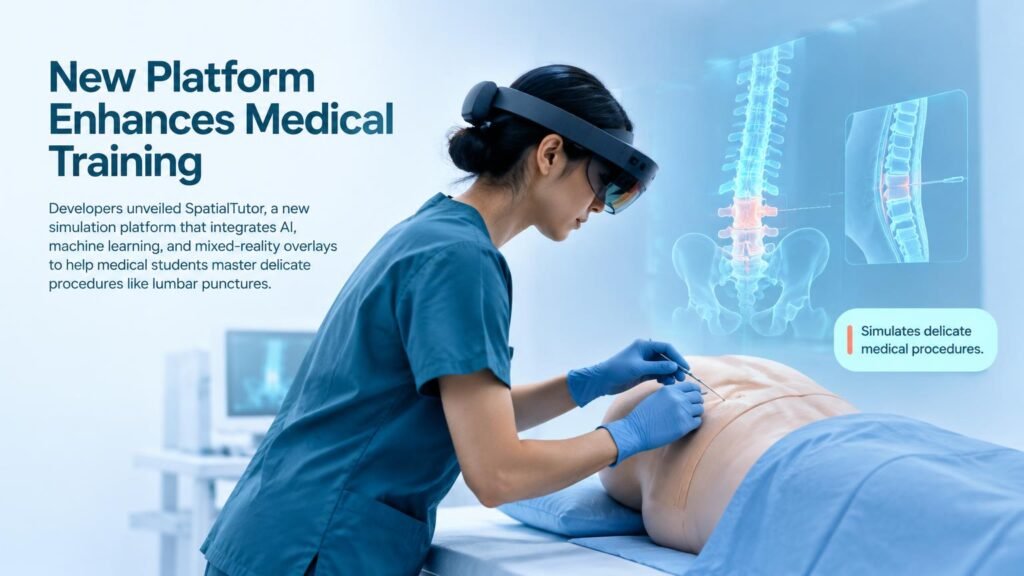
Mixed Reality AI Simulations Target Medical Trainee Errors
Interactive 3D overlays and conversational AI are shifting procedural training from static manikins to adaptive real-time feedback.
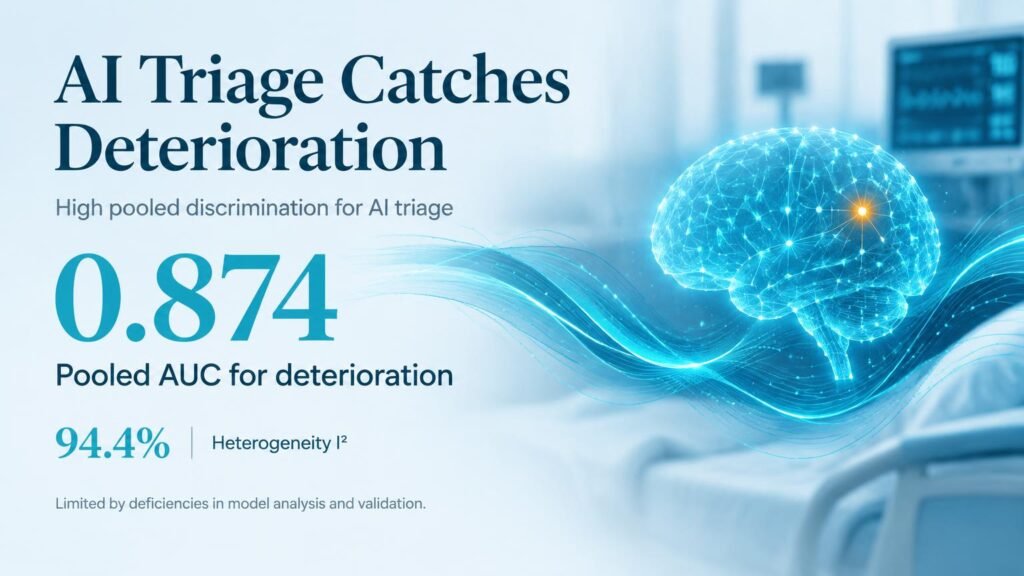
AI Triage Catches Deterioration But Triggers False Alarms
Algorithms spot critically ill emergency patients better than standard triage, but they come with a high operational tax.
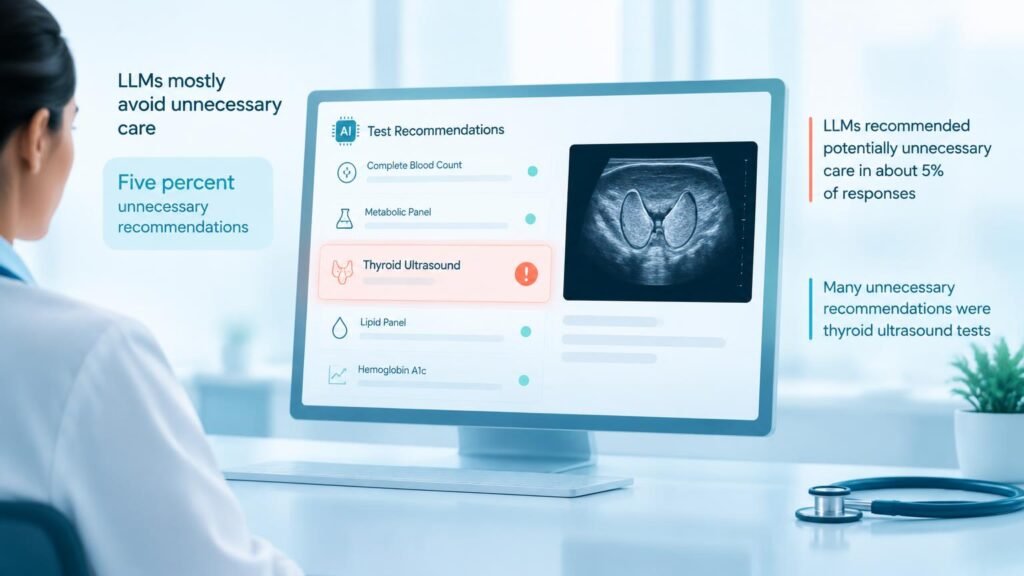
AI Models Curb Low-Value Care Lapses
Large language models usually resist ordering low-value medical tests, but occasional lapses still risk driving unnecessary diagnostic cascades.

Generative AI Forgeries Fool Experts and Automated Detectors
Peer reviewers can no longer reliably spot fake biomedical images, exposing a critical vulnerability in scientific publishing.
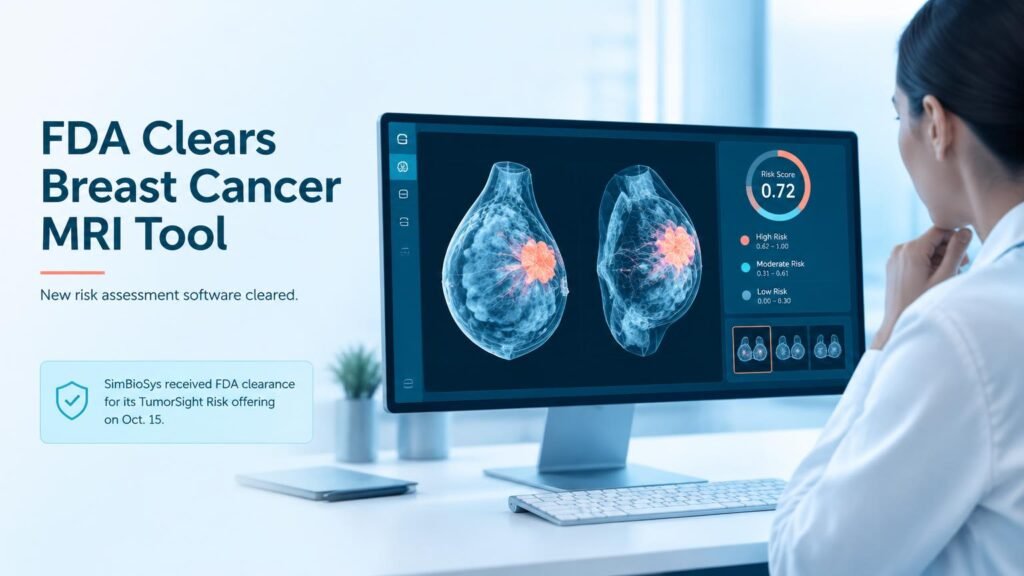
FDA Clears AI Breast Cancer Recurrence Tool
Oncologists can now assess breast cancer recurrence risk in hours using routine MRI data rather than waiting weeks for tissue-based genomic testing.
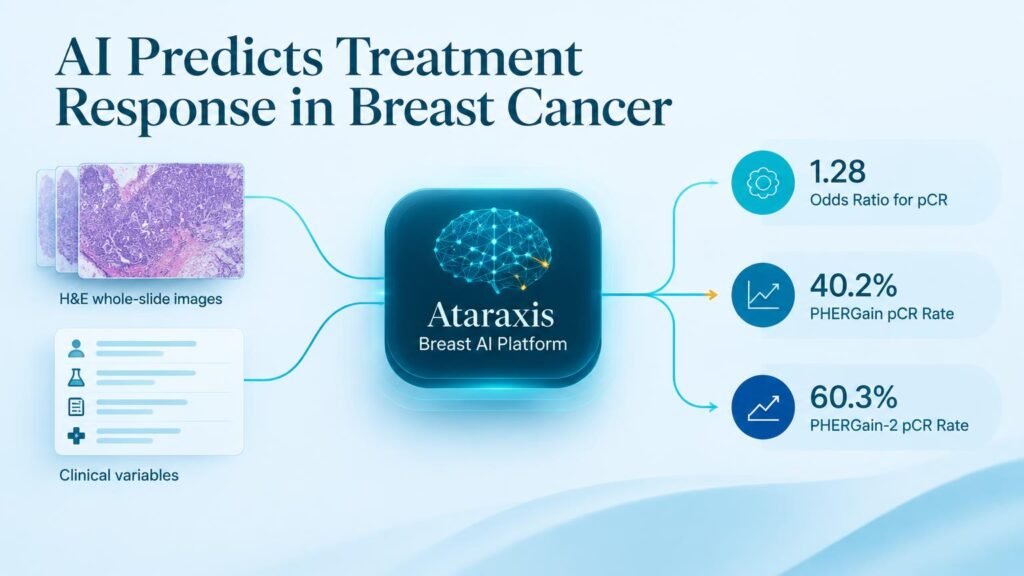
AI Predicts Treatment Response in Breast Cancer Trials
Multimodal AI models can identify which breast cancer patients safely skip toxic chemotherapy without risking recurrence.
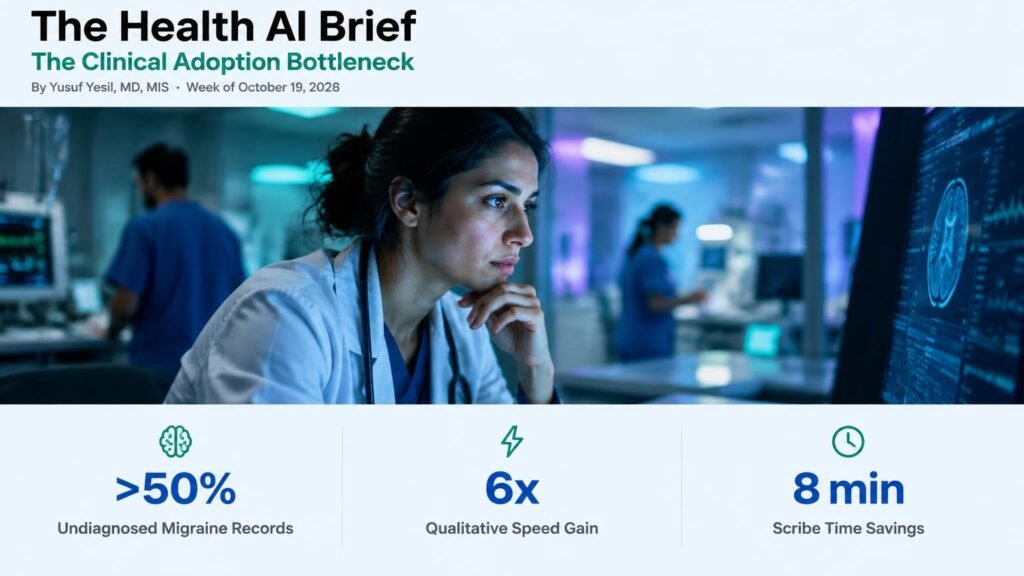
The Health AI Brief — Week of October 19, 2026
Hospitals Underdiagnose Migraines While Overusing Scans
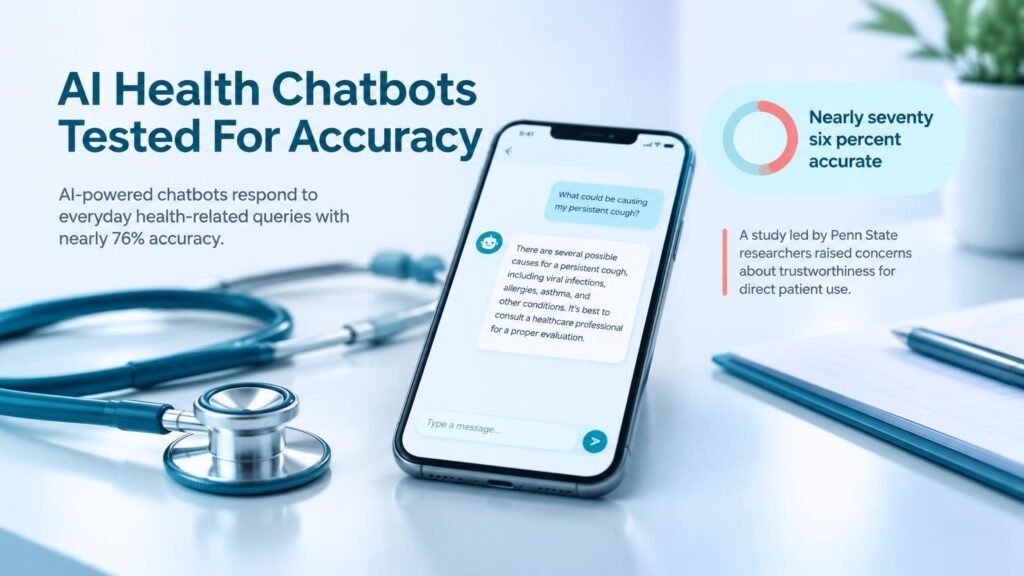
Large Language Models Fail One in Four Medical Queries
Consumer chatbots fail to answer basic health questions accurately nearly 24 percent of the time, creating substantial risk for unguided patient self-diagnosis.
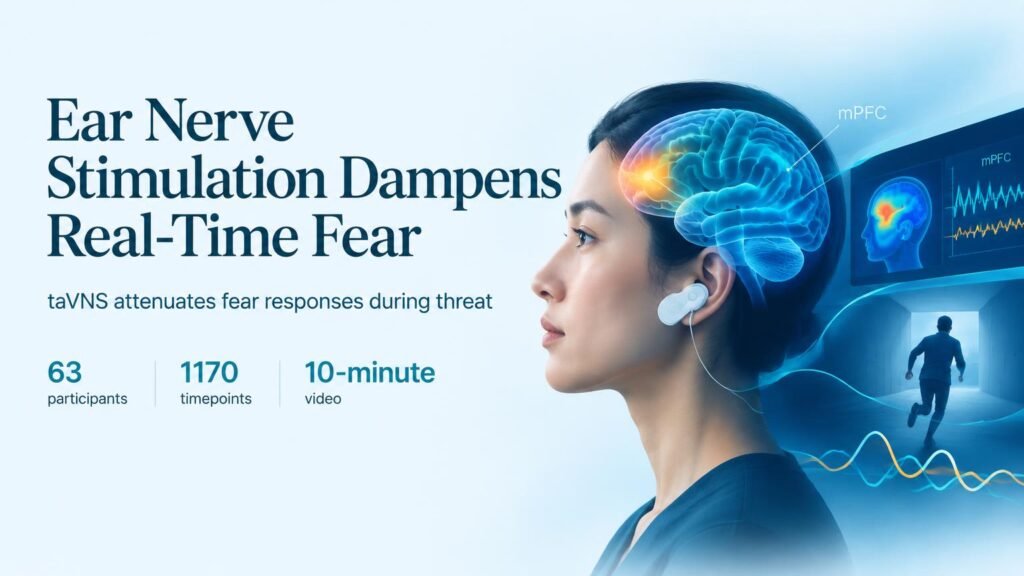
Ear Nerve Stimulation Dampens Real-Time Fear Response
A non-invasive ear stimulation device flattened subjective fear spikes during threat scenes by altering prefrontal brain activity.
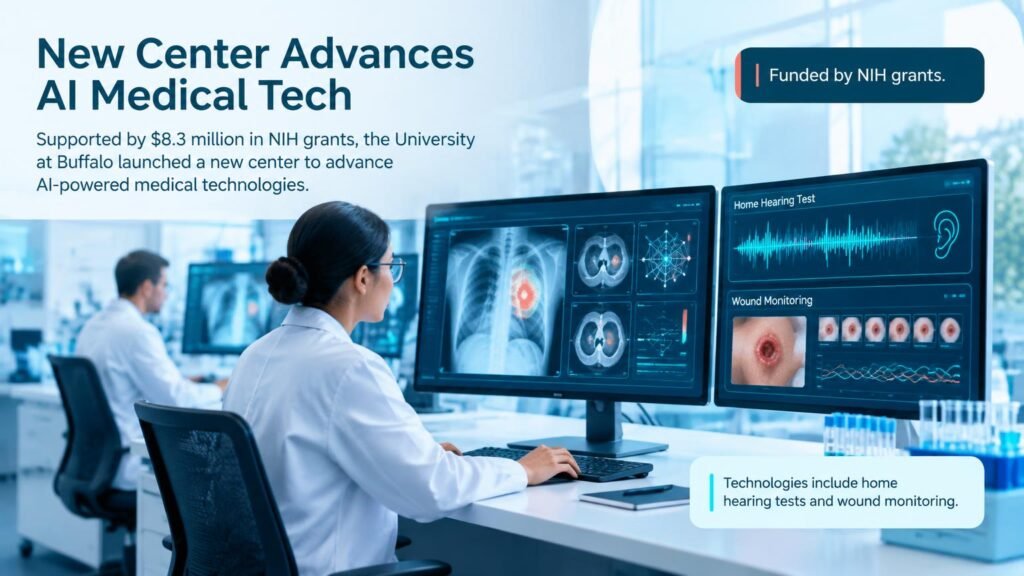
Building Clinical AI Beyond Hospital Walls
An $8.3 million NIH-backed initiative aims to push diagnostic AI directly into patient homes.
Also on LinkedIn
AI Health Hub posts the same research summaries on LinkedIn every day. More than 3,000 people follow it there.