

A Pilot Study to Evaluate Artificial Intelligence-Driven Early Retrieval of Medical Histories in the Emergency Department.
March 20, 2026AI in Pediatric Emergency: ChatGPT's Feasibility for Medical Histories 📊🤖


Insufficient reporting quality in large language model studies in the field of radiology.
March 19, 2026Insufficient reporting in LLM studies: 27.6% specify model version, 35.8% mention access date. 📊🔍

Merck Introduces ChemiSphere® App for Enhanced Lab Data Access
March 19, 2026Merck launches ChemiSphere® app for quick lab data access via 2D barcodes, enhancing efficiency and data integrity. 📱🔬

BioPathNet: A New AI Tool for Analyzing Biomedical Data Networks
March 19, 2026BioPathNet is an AI tool for analyzing biomedical data networks, aiding in gene functions and disease mechanisms. 🧬🔍

Leveraging Digital Technology and Artificial Intelligence to Describe the Real-World Belgian Chronic Lymphocytic Leukemia Patient Population: The BE-CLLEAR Study.
March 19, 2026AI in CLL Research: 586 Patients Analyzed, 29.7% Started Treatment, 42.8% TP53 Aberrations. 📊💉
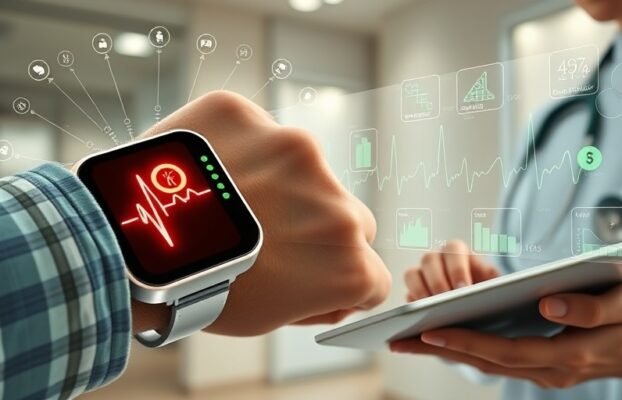
DiaCardia: AI Model for ECG-Based Prediabetes Detection
March 18, 2026DiaCardia: An AI model detects prediabetes through ECG data, enabling non-invasive screening with wearable devices. 🩺📈
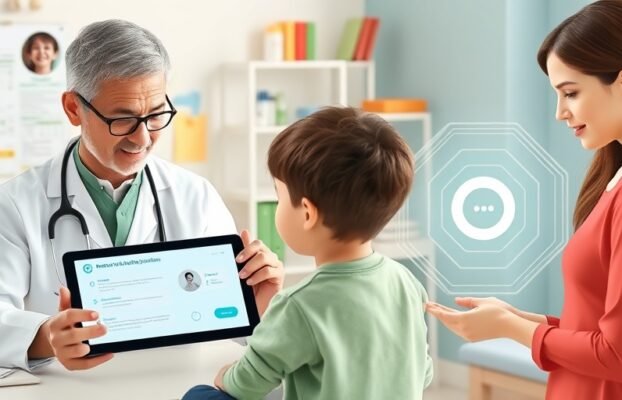
Safety and user perception of general-purpose large language models in pediatric healthcare: Evaluations of ChatGPT by doctors and parents.
March 18, 2026Evaluating ChatGPT in Pediatric Healthcare: 73.2% accuracy, 80% parent clarity rating. Caution advised! 🤖👶📊

DHSC and NHSE Commit to £7.4 Billion Digital Investment by 2030
March 18, 2026DHSC and NHSE plan a £7.4 billion investment in digital health by 2030. This aims to enhance technology and data use. 💻📈
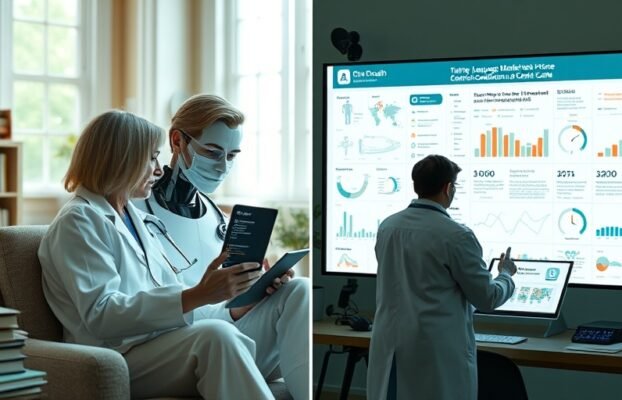
Investigating Placebos and Controls Used in Large Language Model-Based Chatbot Intervention Trials: Protocol for a Methodological Review.
March 18, 2026Exploring LLM Chatbot Trials: Control Conditions Matter! 🤖📊