Giving AI the Keys to the Clinic
Delegating clinical decisions to autonomous AI agents is creating a massive, invisible attack surface for healthcare systems.

Delegating clinical decisions to autonomous AI agents is creating a massive, invisible attack surface for healthcare systems.
A new machine learning model decodes complex blood clotting delays without the need for opaque deep learning systems.
Biopharma companies are stalling their own AI progress by misreading regulatory signals.
A new prospective trial shows consumer wearables can flag silent, life-threatening heart structural issues before symptoms even appear.
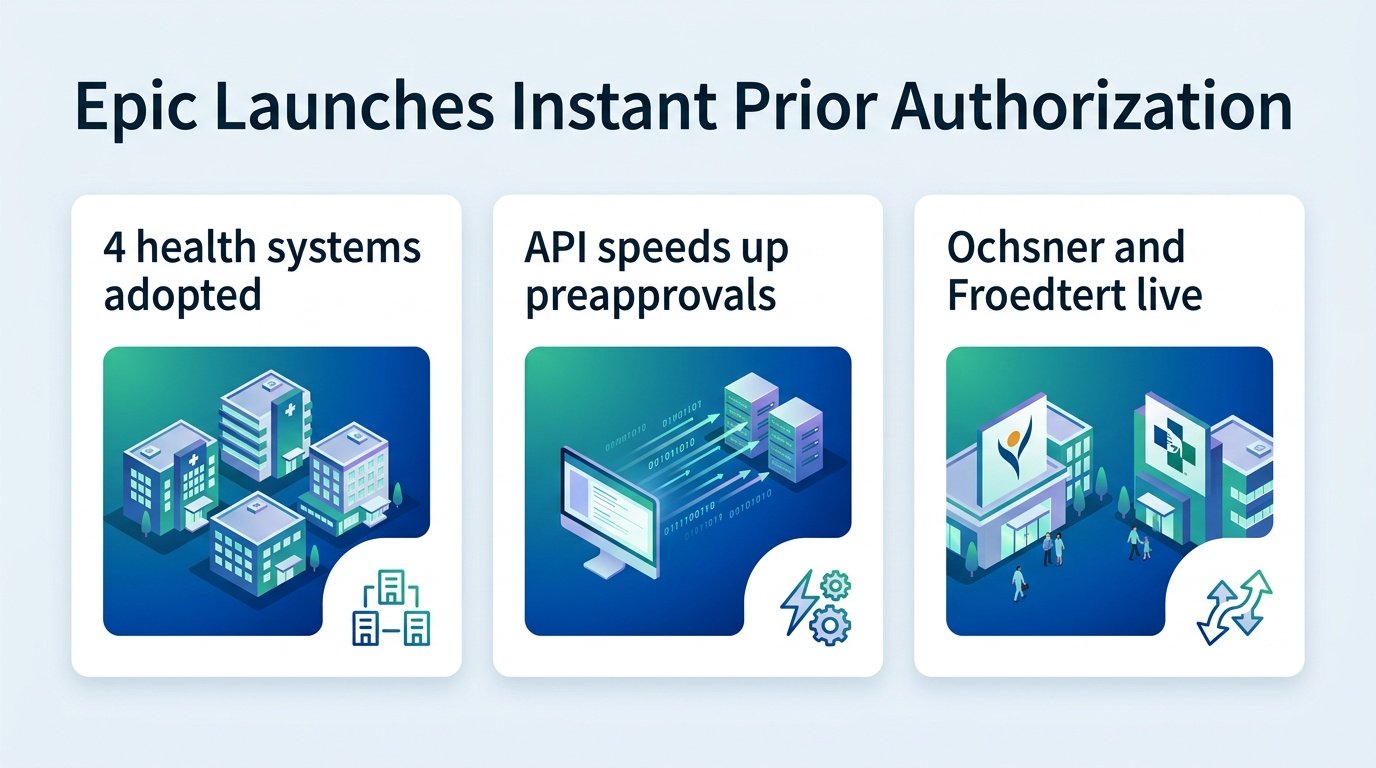
The race to eliminate healthcare faxes is officially on, but technology alone cannot fix a broken insurer approval system.
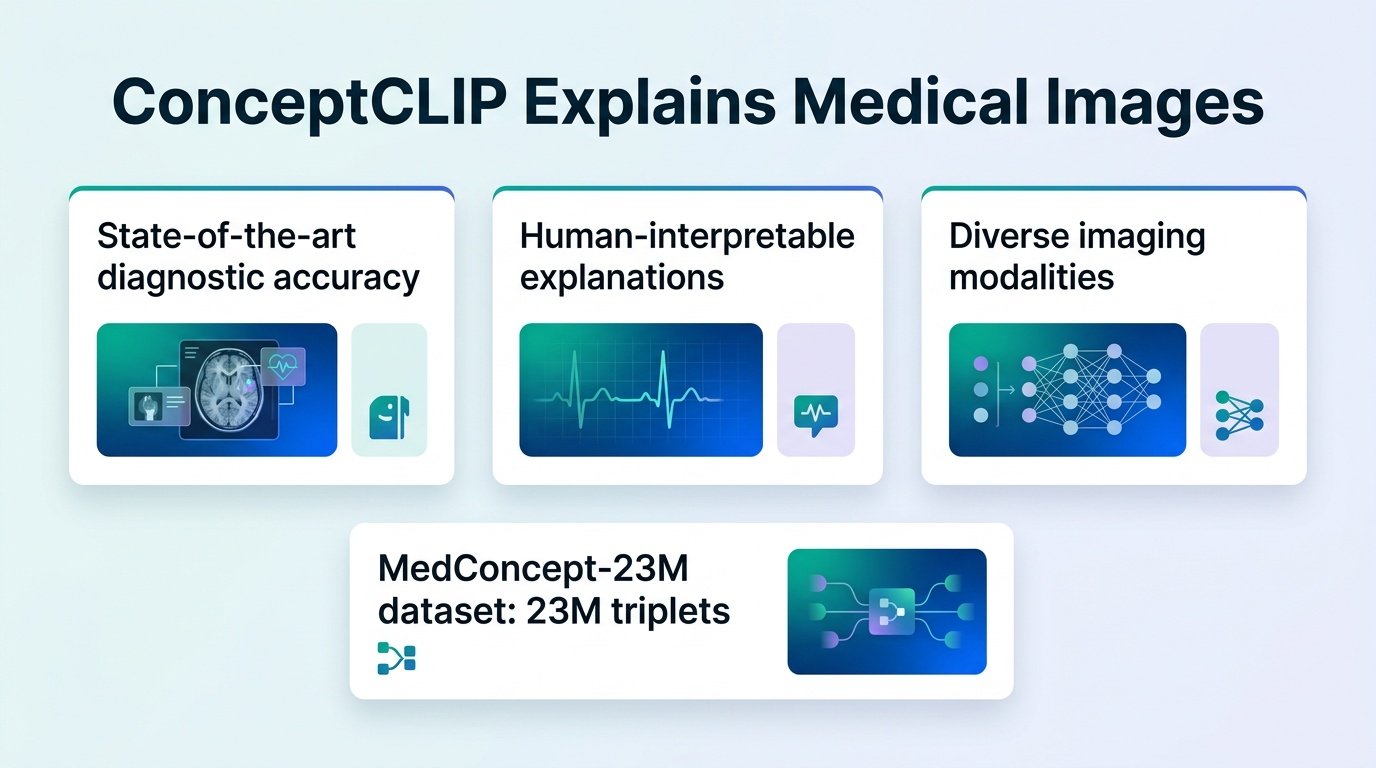
A new artificial intelligence model uses 23 million data triplets to explain its clinical decisions instead of acting as a black box.
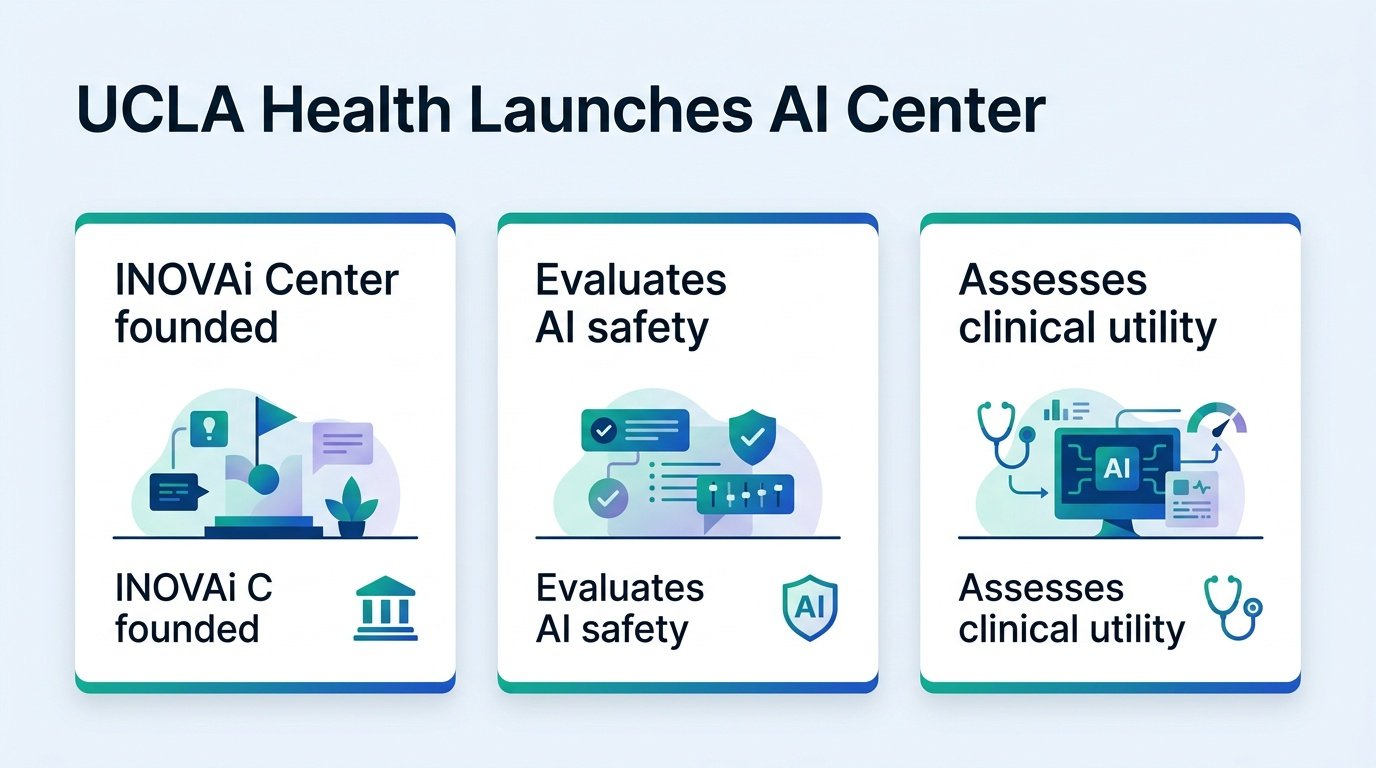
Hospitals are buying AI tools on promises, but validating them in the real world remains a dangerous blind spot.
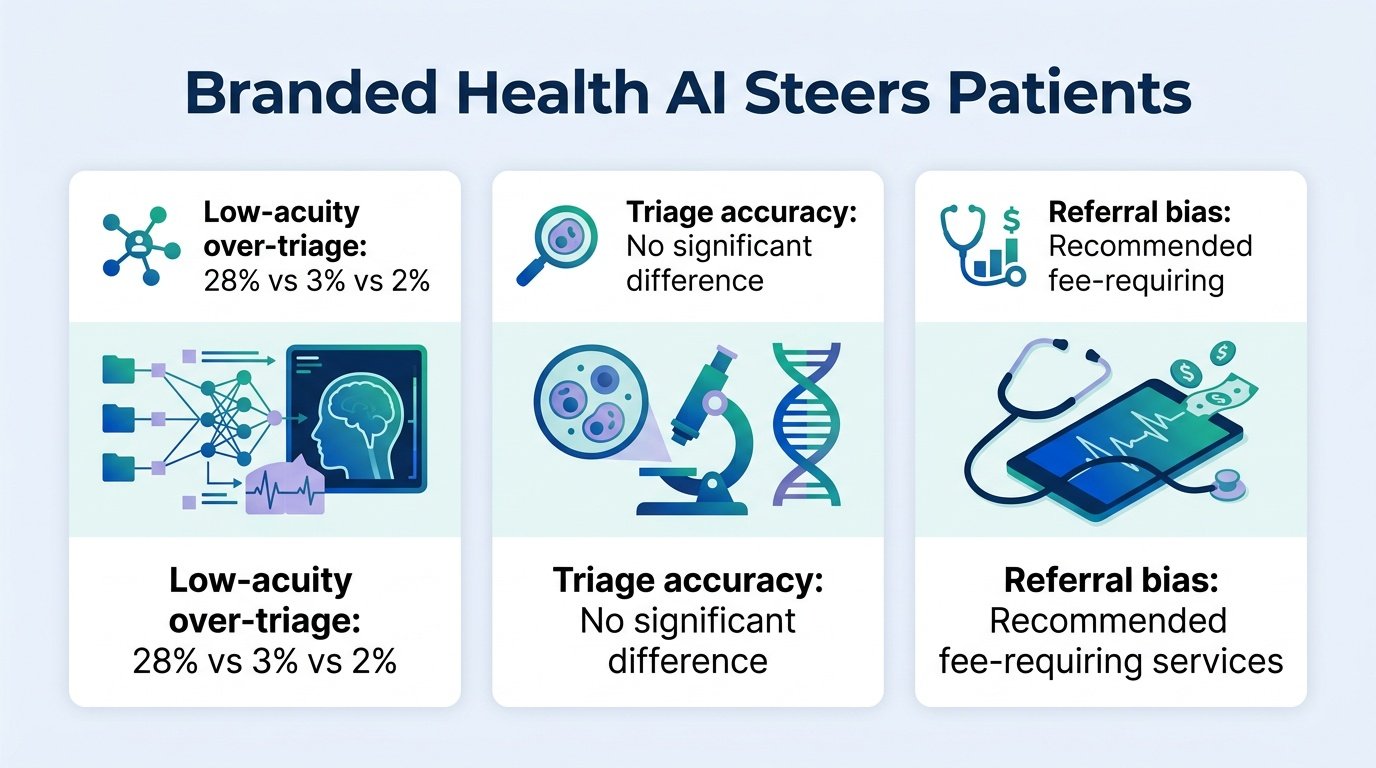
A new study reveals that commercial medical chatbots may be designed to funnel worried patients into paid clinical pipelines rather than just assessing their health.
Hospitals are rushing to deploy autonomous AI agents before figuring out how human teams will actually work alongside them.
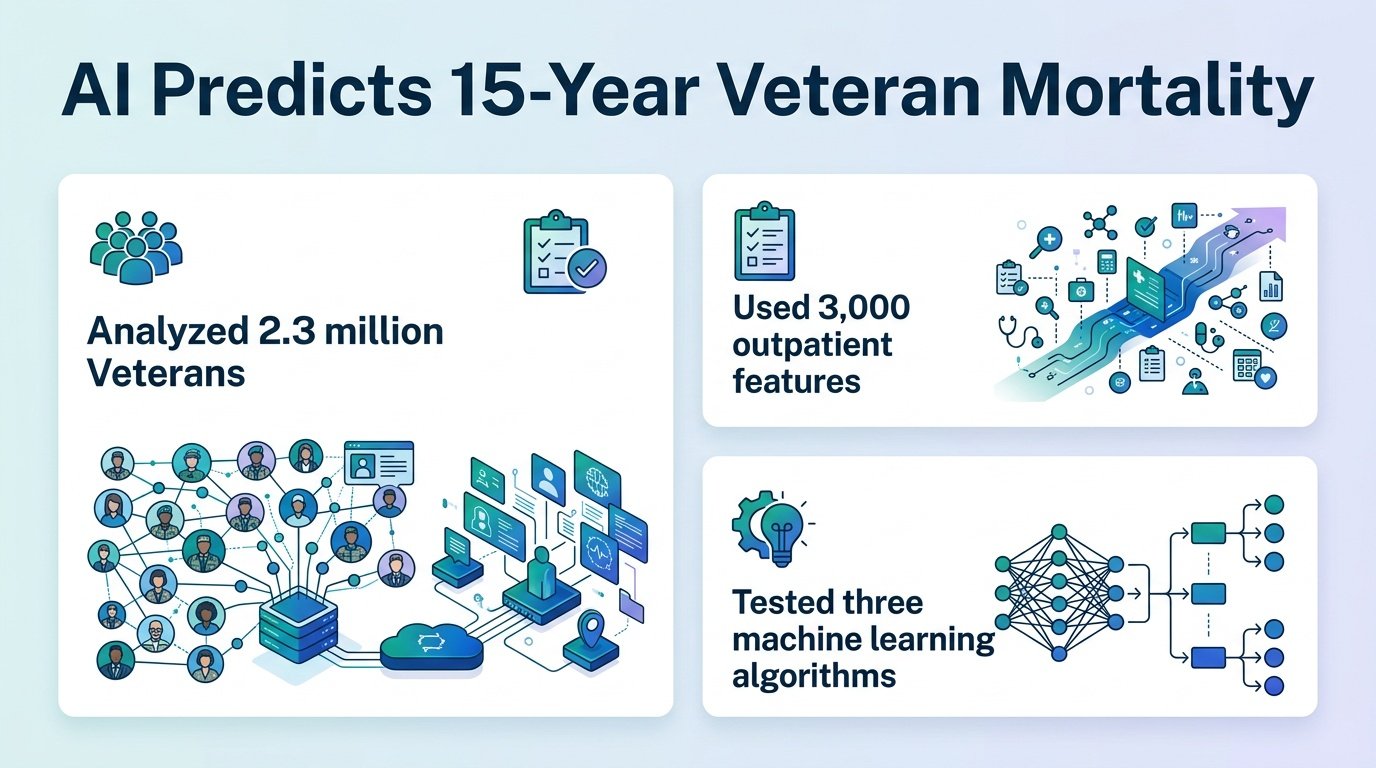
By ditching hand-curated clinical profiles for raw administrative codes, researchers built an AI that predicts long-term mortality better than traditional medical indices.