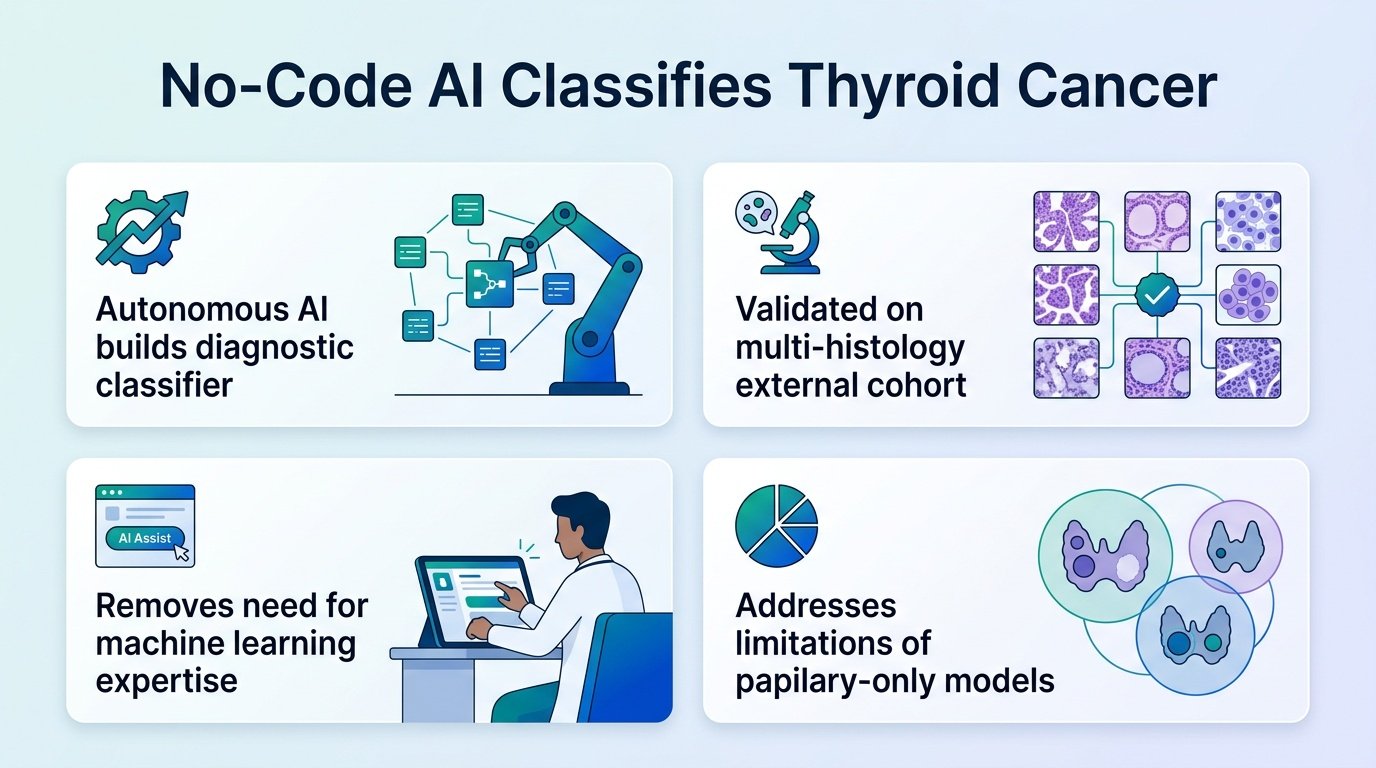
No-code AI builds thyroid cancer classifier
An autonomous AI agent just built a medical imaging tool that outperformed human-engineered models, proving that clinical-grade machine learning no longer requires a team of coders.

An autonomous AI agent just built a medical imaging tool that outperformed human-engineered models, proving that clinical-grade machine learning no longer requires a team of coders.
A delayed regulatory nod puts Boston Scientific’s multi-billion-dollar bet to the test.
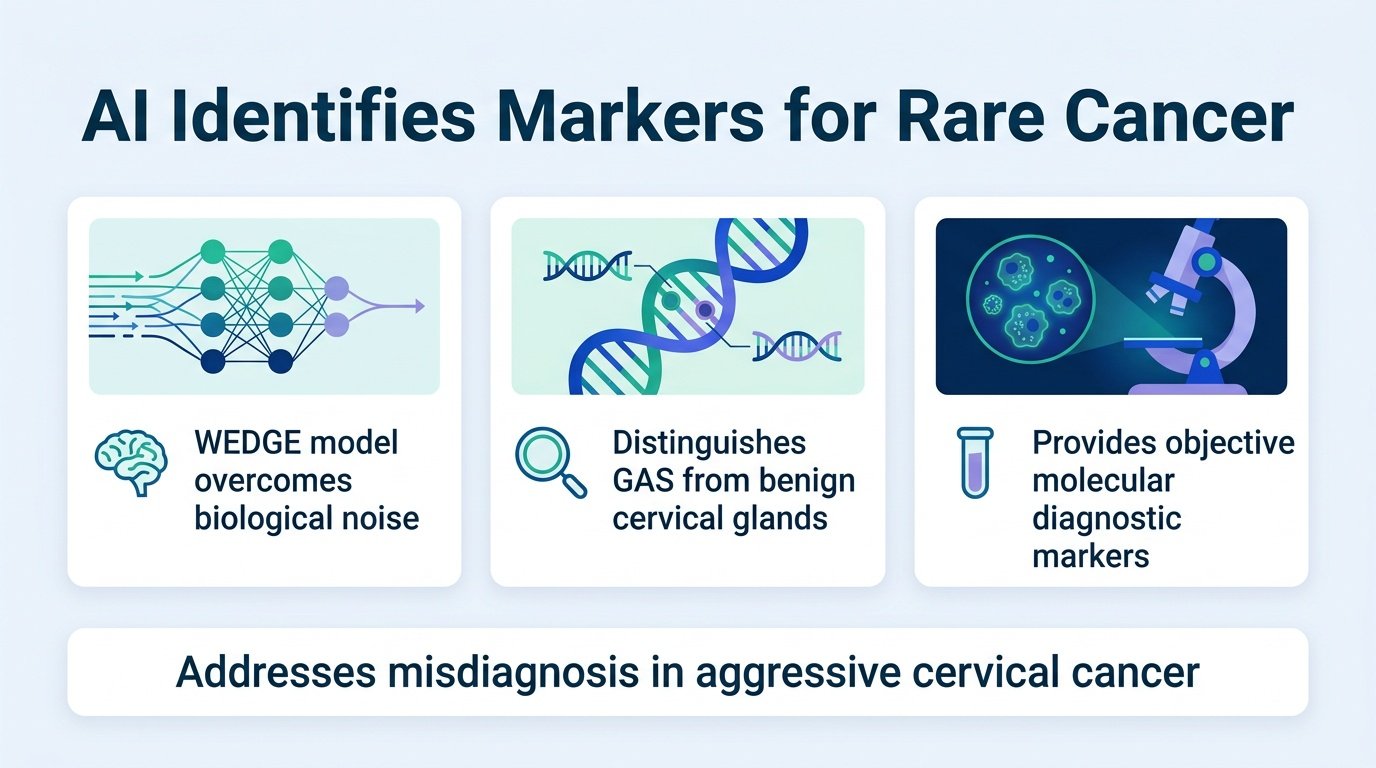
A new AI tool bypasses the limits of scarce patient data to identify a two-protein signature that accurately flags a deadly, non-HPV cervical cancer.
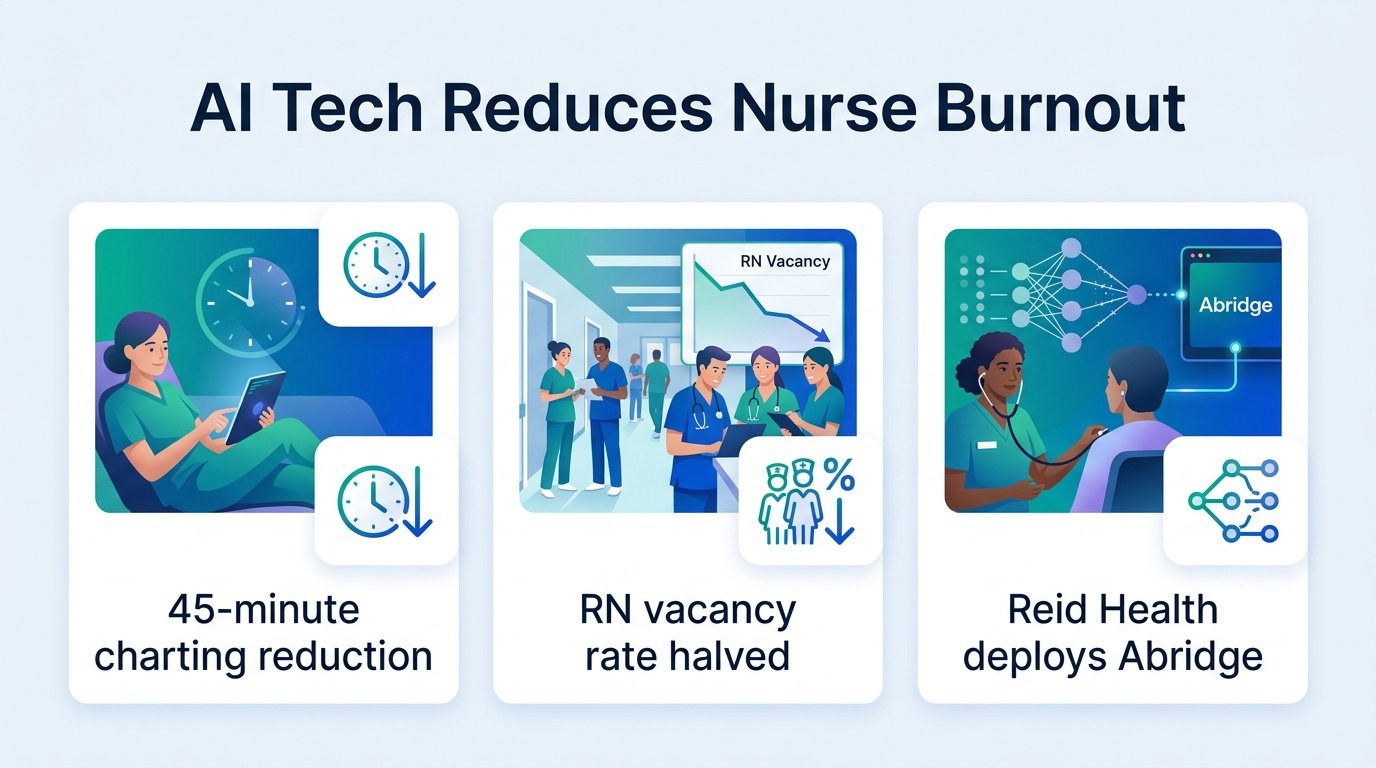
While doctors usually dominate the healthcare AI conversation, the real battle against clinical burnout is being won at the nursing bedside.
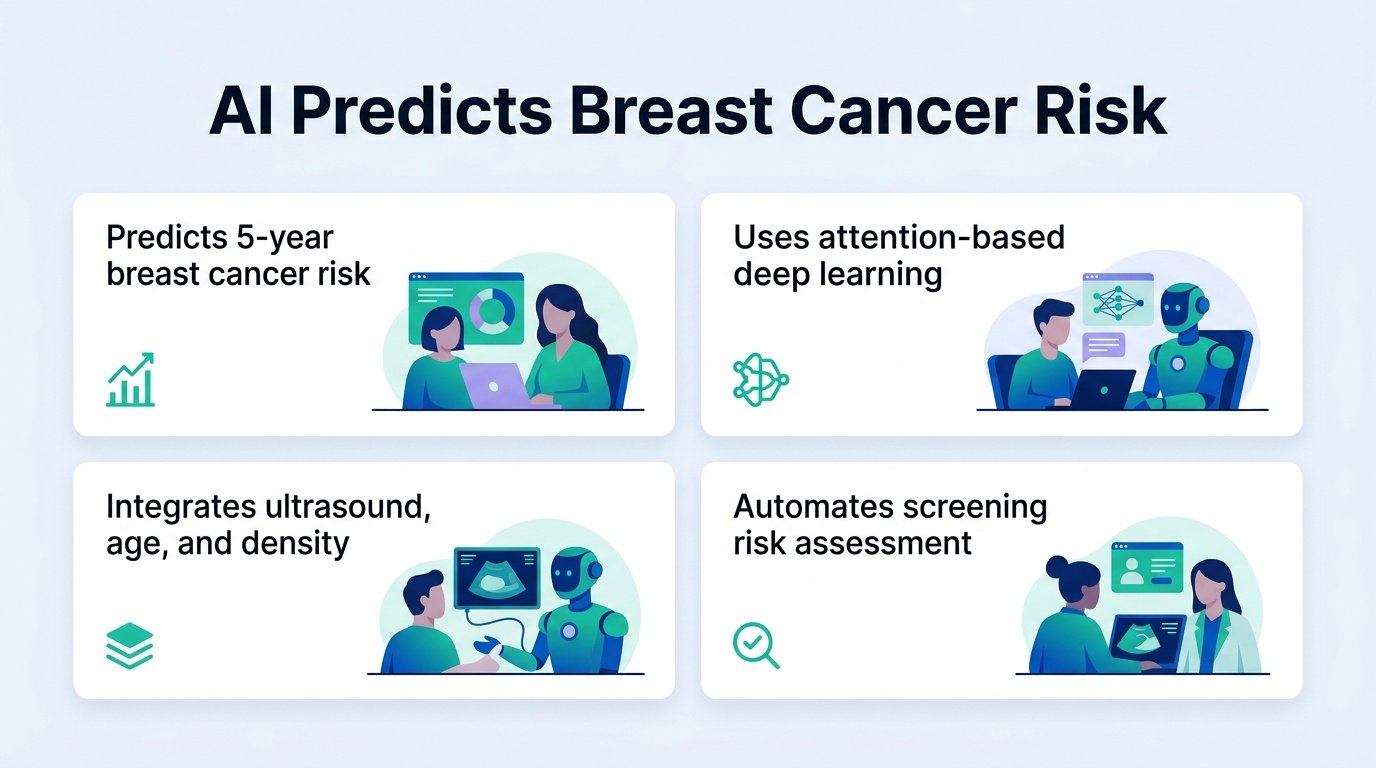
A new deep learning model outperforms traditional risk scores by extracting hidden risk signals directly from routine screening ultrasound images.
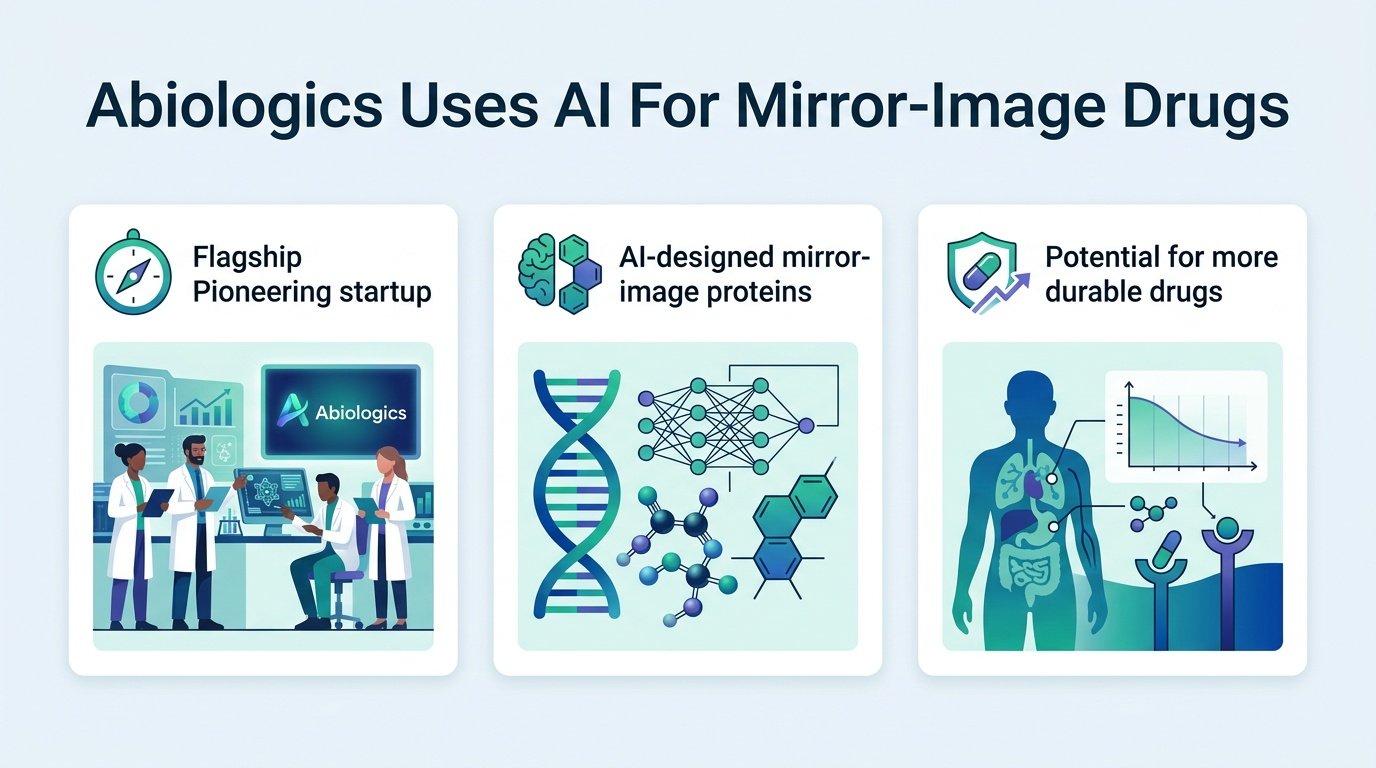
By rebuilding proteins backward, drug developers are trying to bypass the human digestive system’s natural defenses.
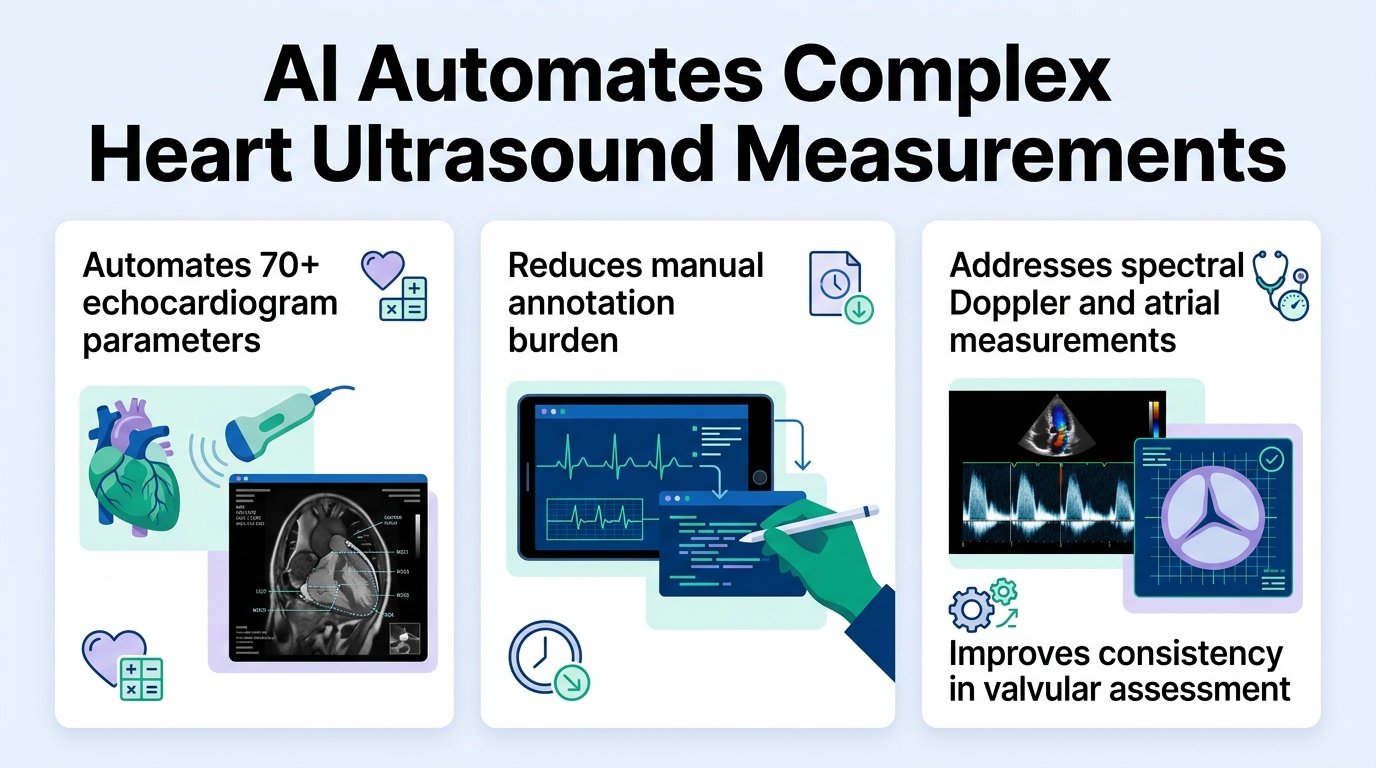
A new open-source AI model successfully automates the tedious manual tracking of heart chambers and blood flow velocity, moving cardiac imaging past simple ventricular checks.
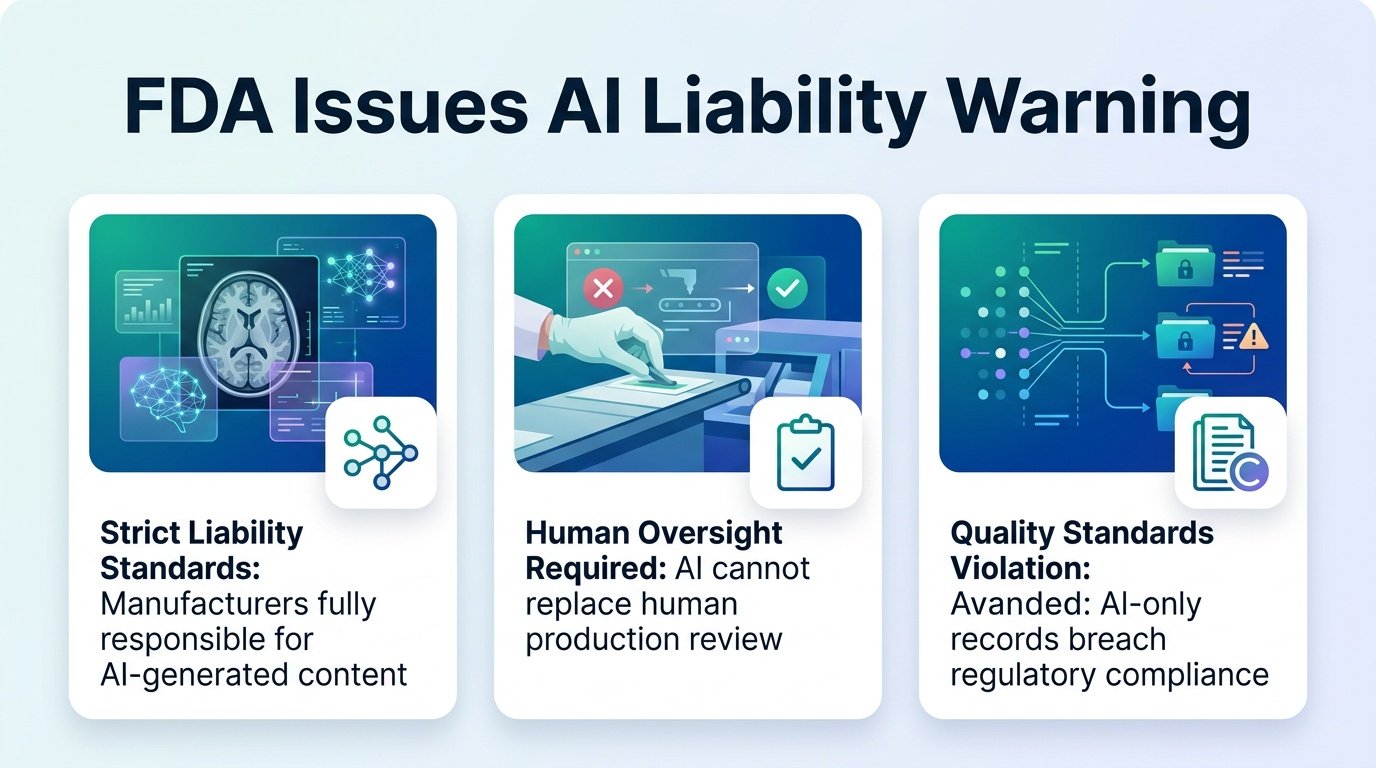
Delegating your regulatory compliance to an AI agent does not delegate your legal liability.
Most clinical AI models fail when they leave their home hospital, but a new 26-model suite proves that reproducible clinical tools can survive the transition to different healthcare systems.
Algorithms can now recommend insulin doses as safely as human specialists, shifting the bottleneck of diabetes care from clinical expertise to patient trust.