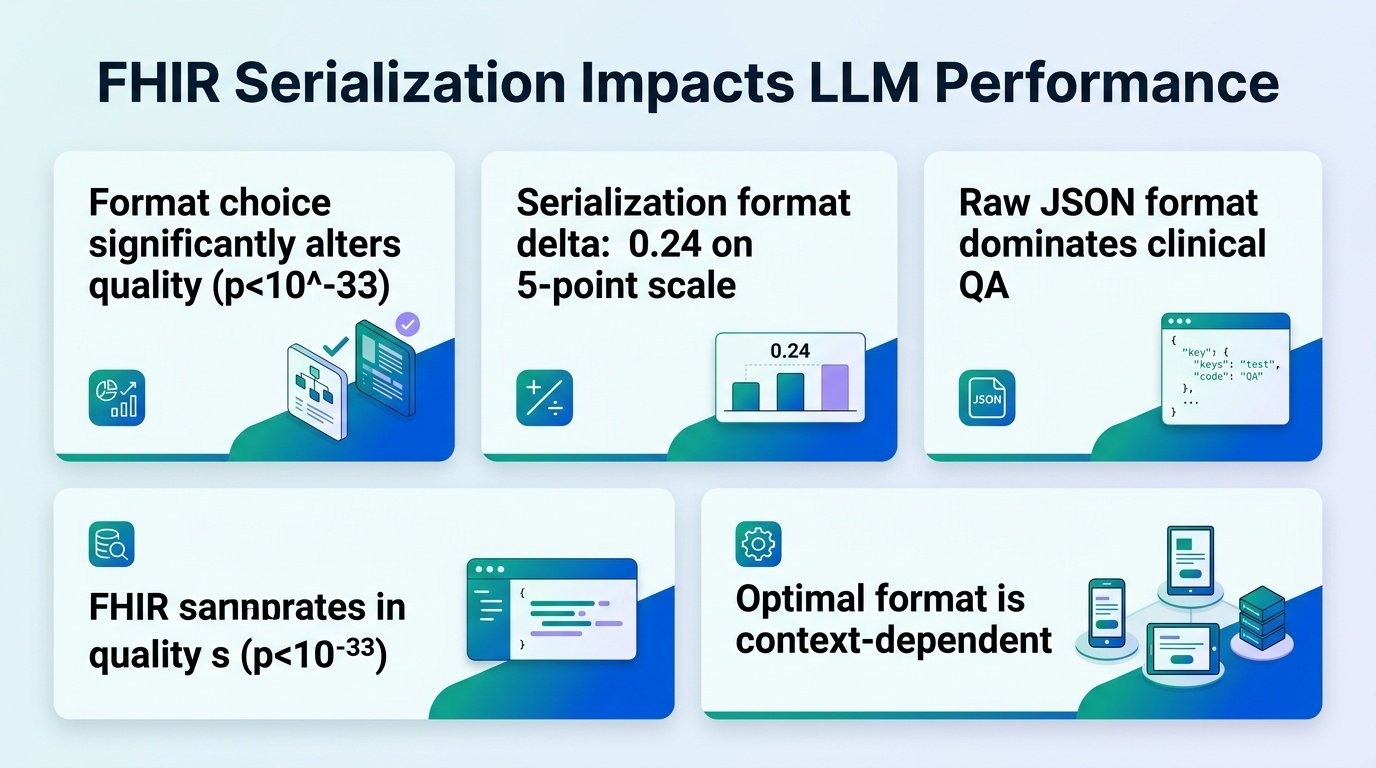
How FHIR data format changes AI clinical quality
Feeding raw medical data directly into clinical AI models might be degrading their performance without anyone noticing.

Feeding raw medical data directly into clinical AI models might be degrading their performance without anyone noticing.
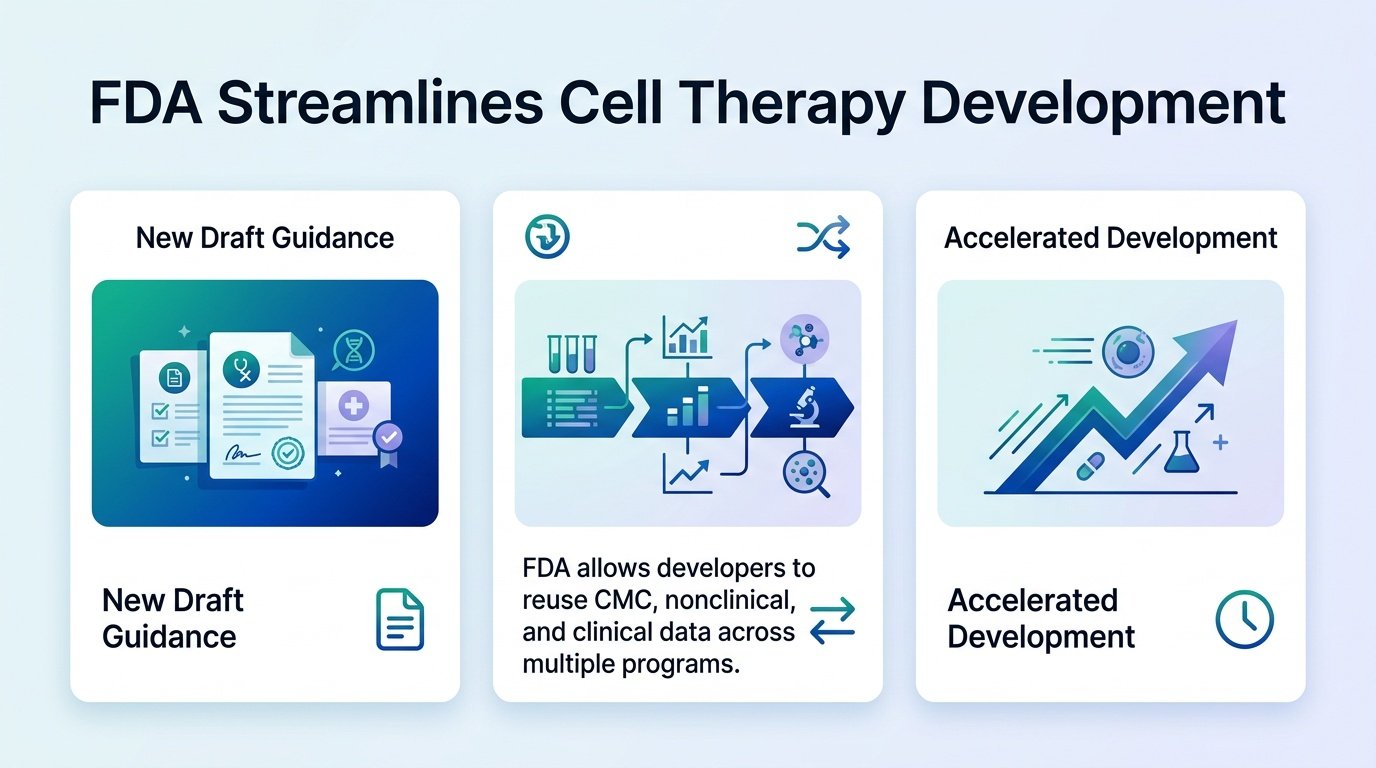
The FDA is letting drugmakers recycle data from past trials to speed up gene therapies, but this regulatory shortcut places a massive burden of proof on developers.
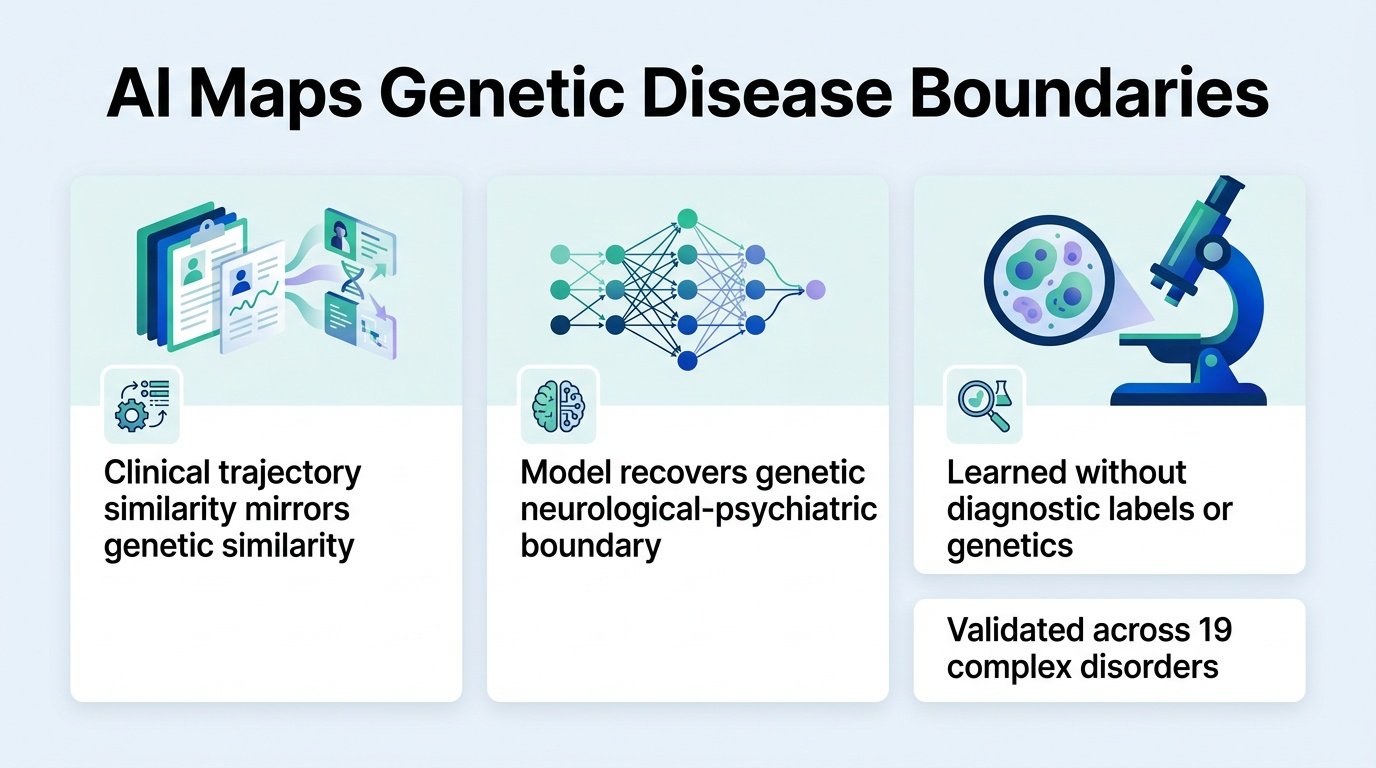
An attention-based AI model has mapped the genetic boundaries between neurological and psychiatric diseases using nothing but raw electronic health records.
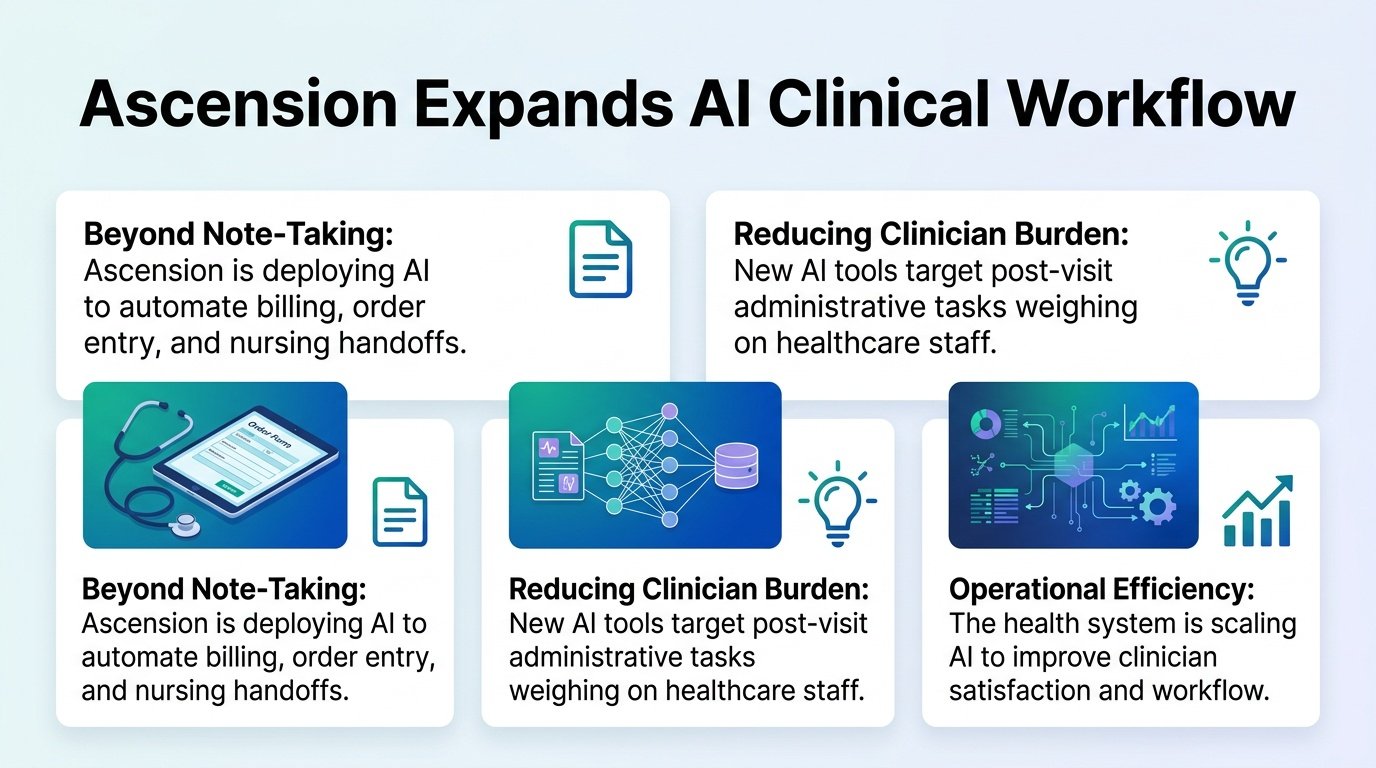
Automating clinical notes was the easy part, but the real administrative crisis happens after the patient leaves the room.
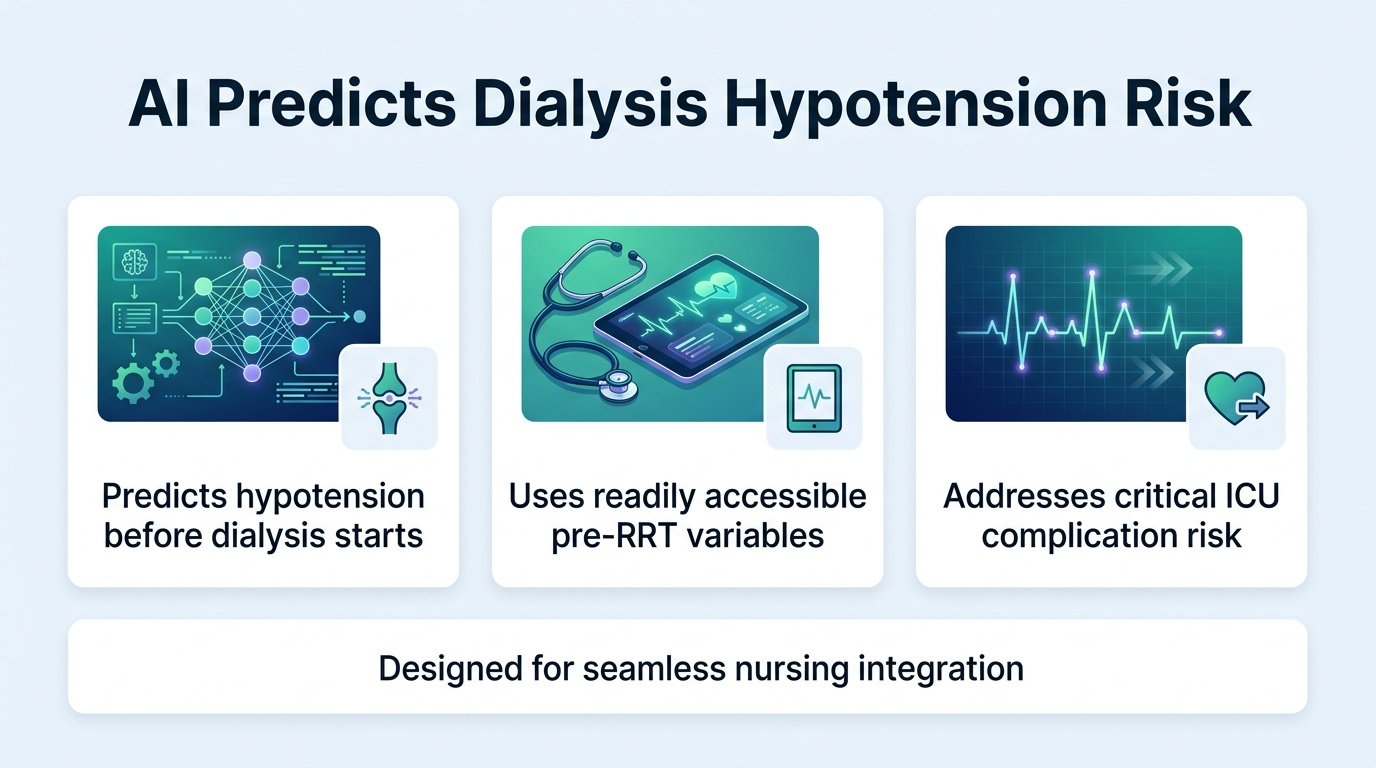
A new machine learning model helps ICU nurses predict dangerous blood pressure drops before starting renal replacement therapy.
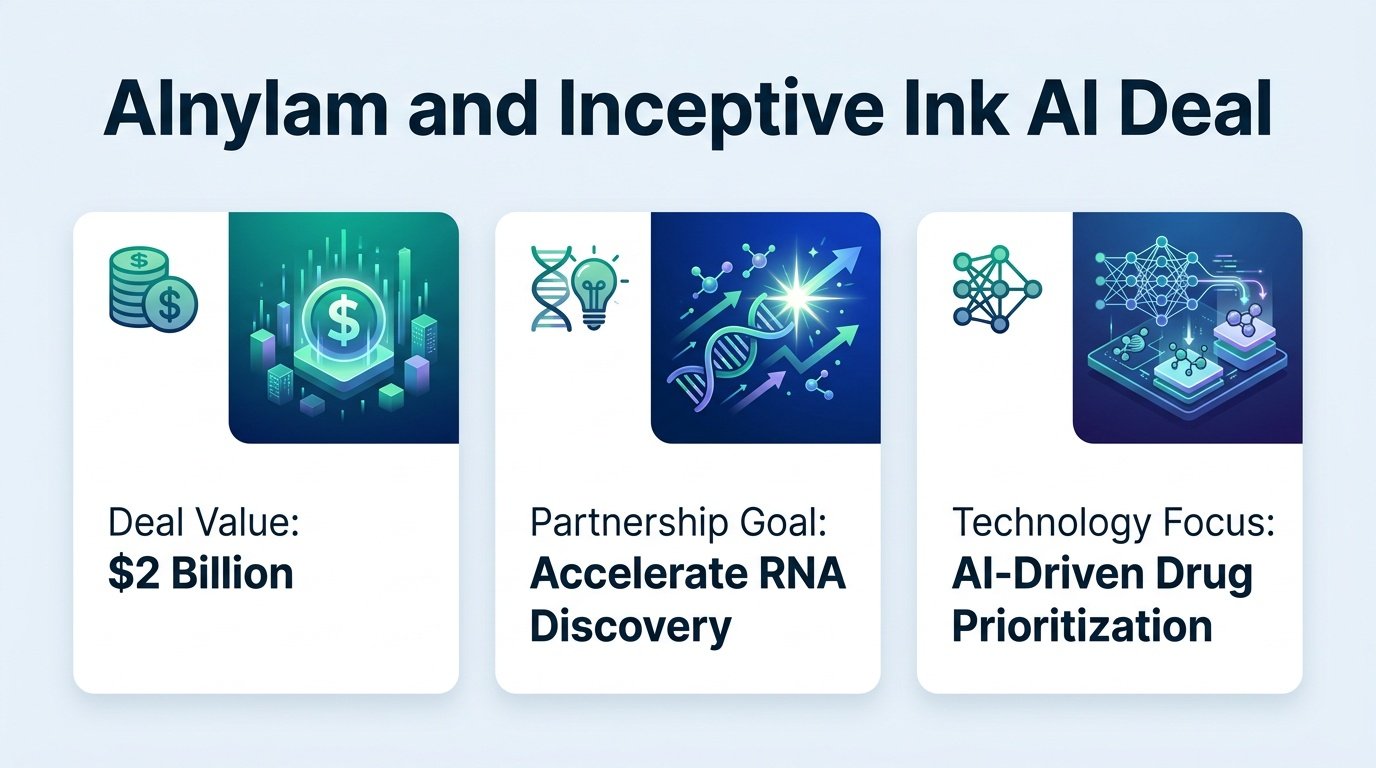
A massive new partnership signals that the future of genetic medicine relies on algorithms, not just wet labs.
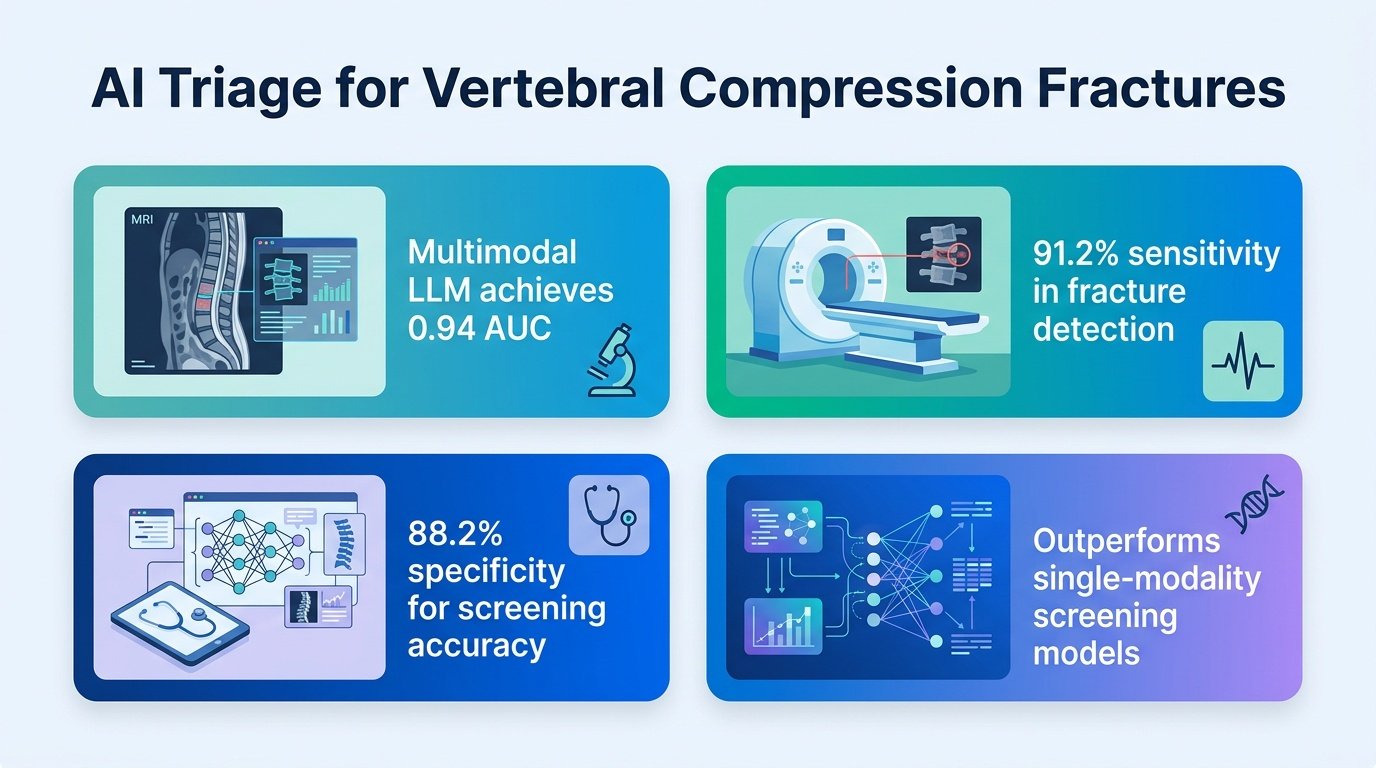
A new AI model screens for painful spinal fractures using simple home videos instead of immediate, expensive hospital scans.
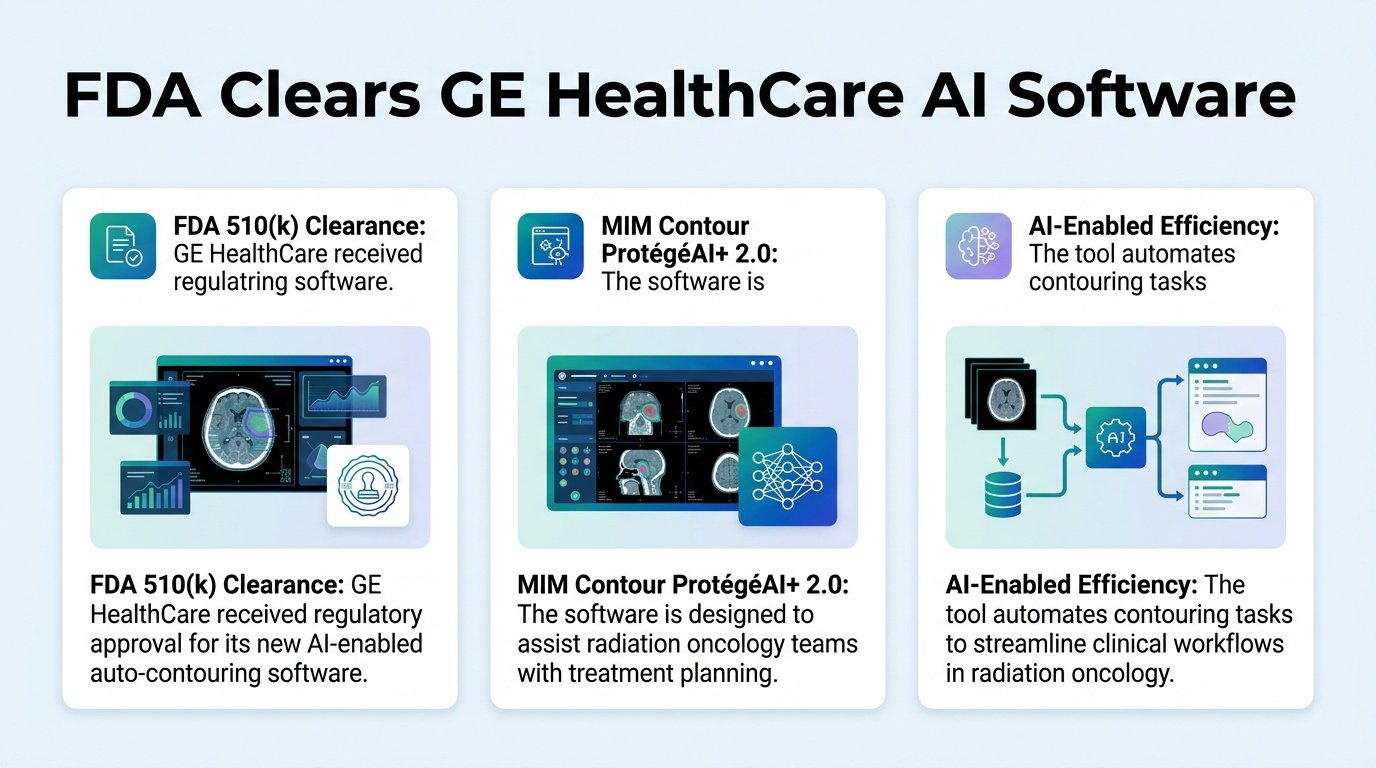
A new regulatory fast-track for cancer software signals a major shift in how medical AI will evolve after entering the clinic.
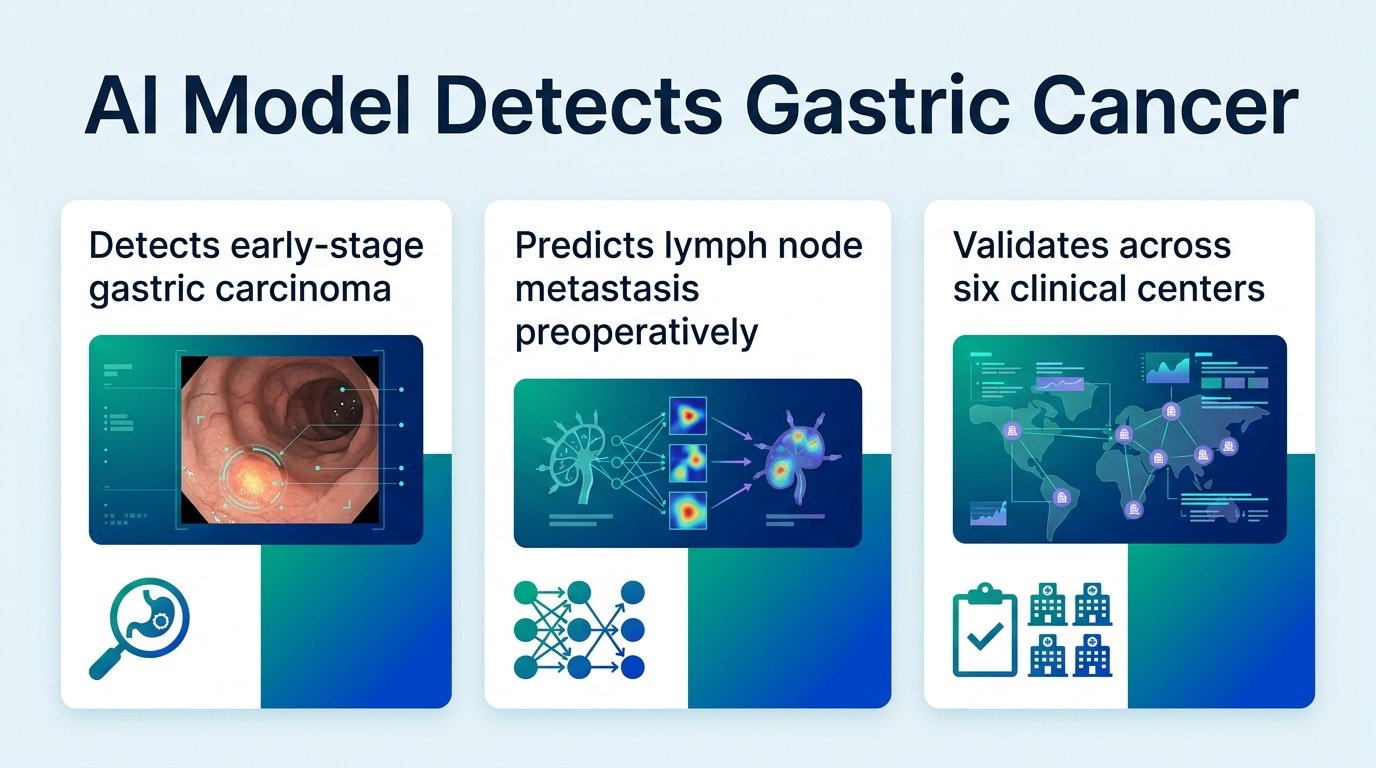
A new artificial intelligence model can classify gastric biopsies and predict lymph node spread, significantly cutting pathologist workloads without sacrificing accuracy.
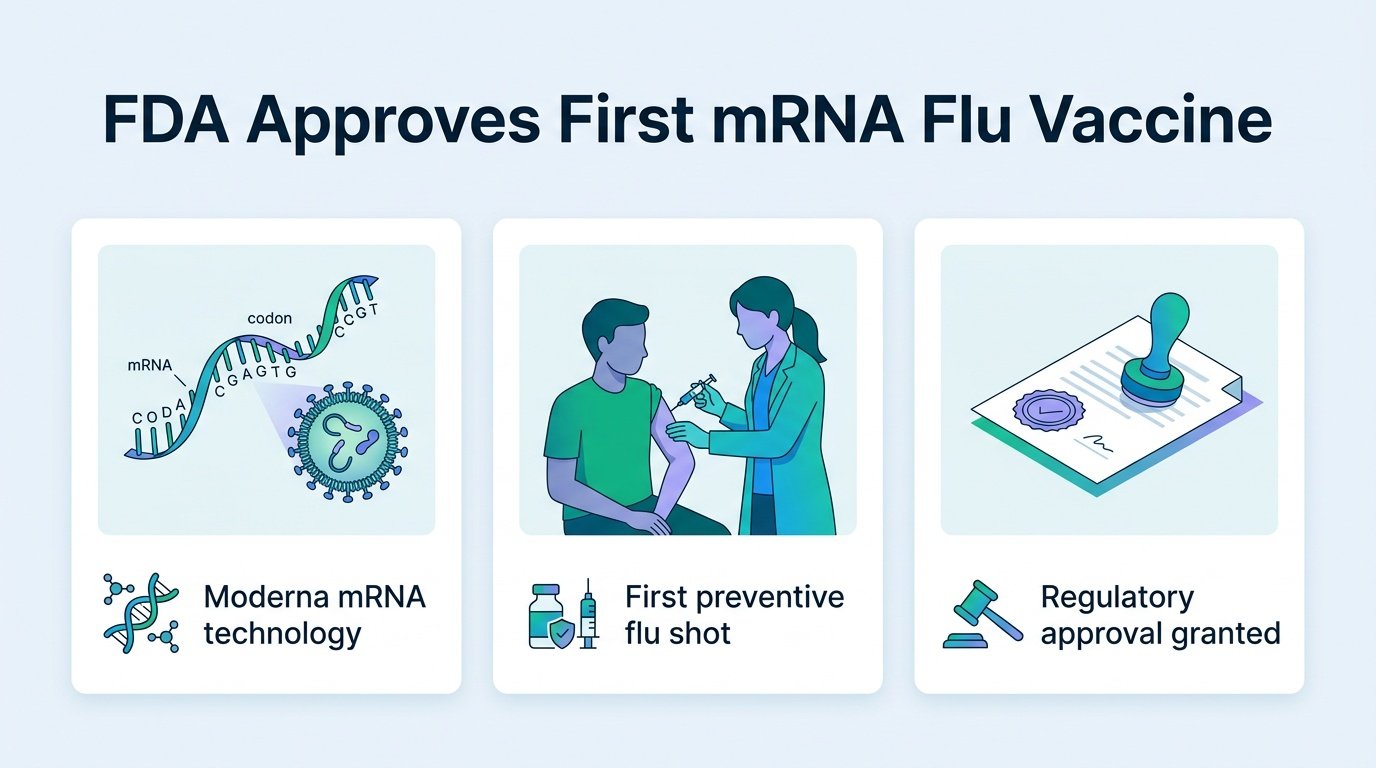
The regulatory clearance of the first mRNA influenza vaccine marks a major shift in public health, but the real battle lies in public trust.