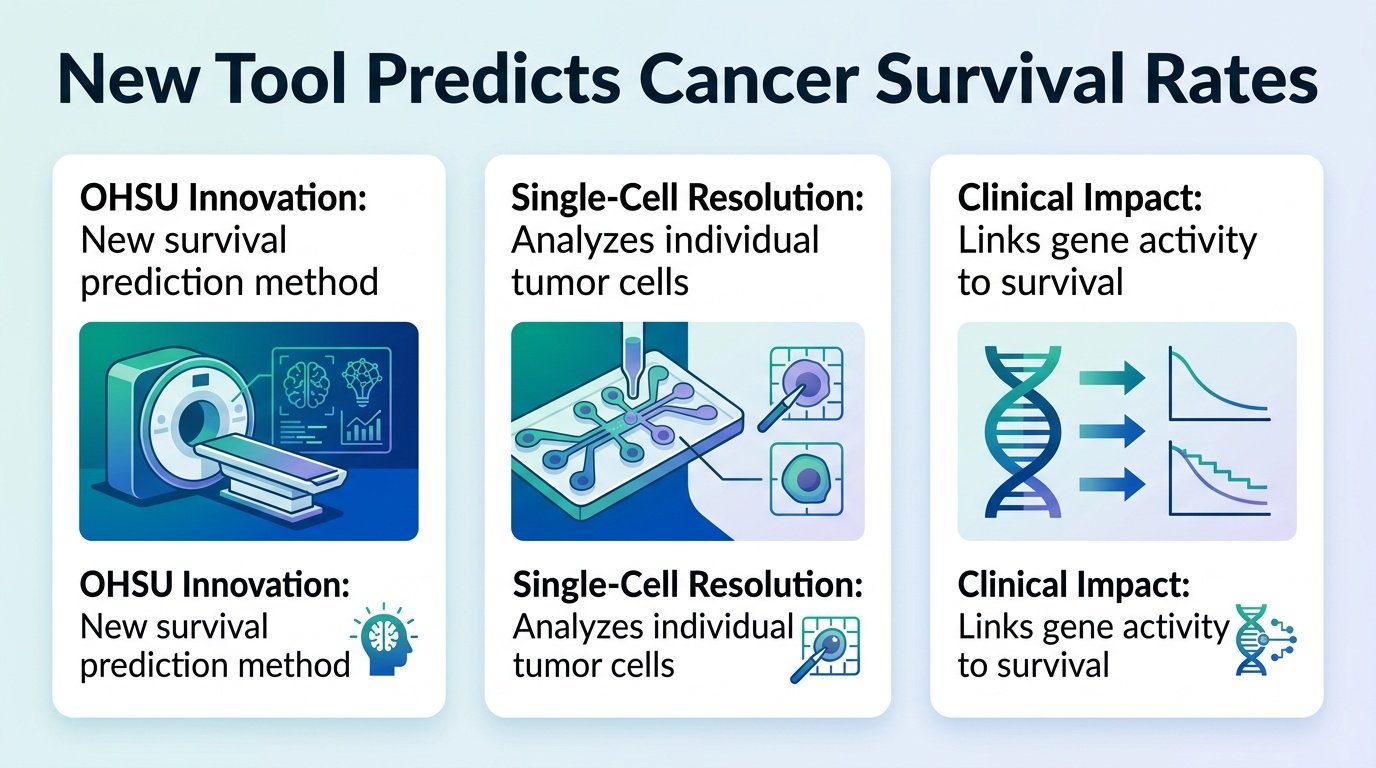
AI Tool Predicts Cancer Survival From Single Cells
Averaging tumor data has long blinded oncologists to the specific, high-risk cells that drive patient mortality.

Averaging tumor data has long blinded oncologists to the specific, high-risk cells that drive patient mortality.
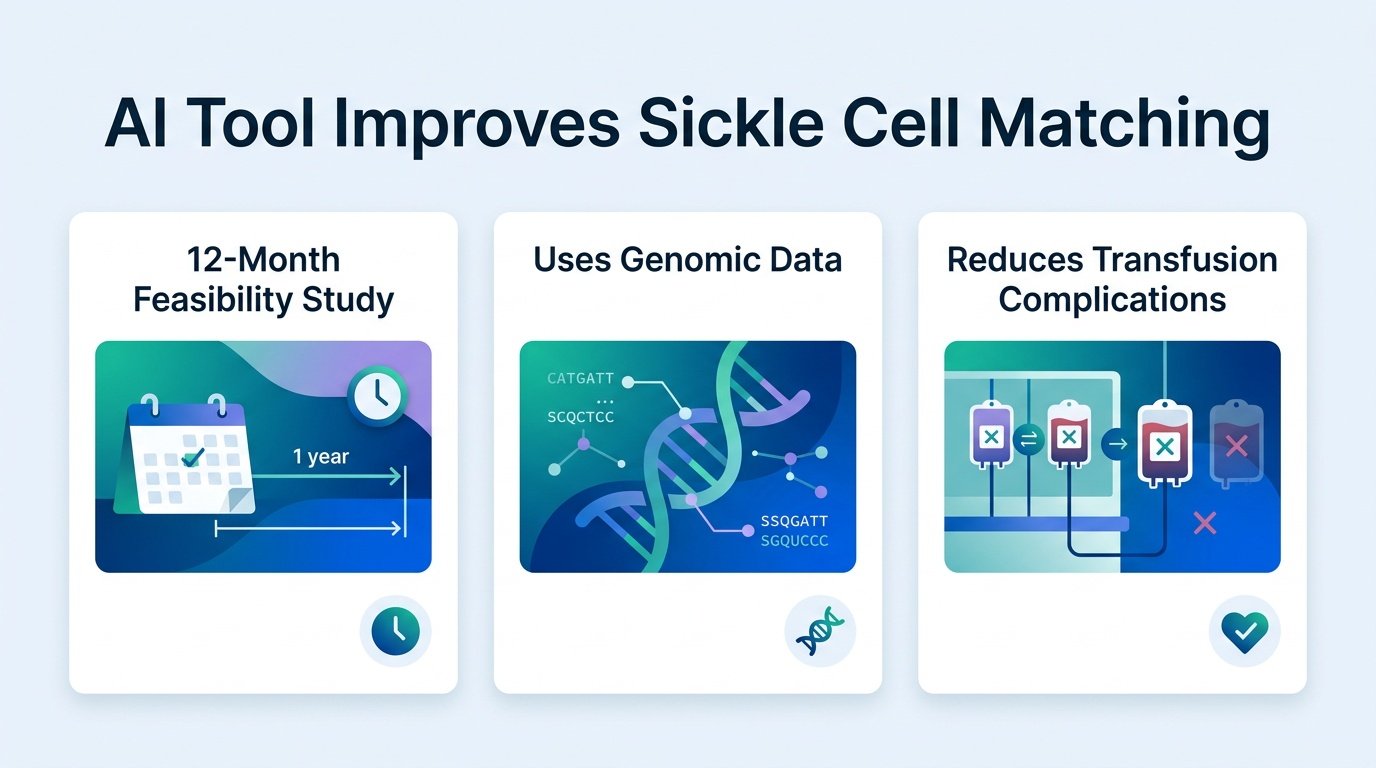
A mismatch between the genetic makeup of blood donors and recipients is driving a silent crisis in sickle cell care.
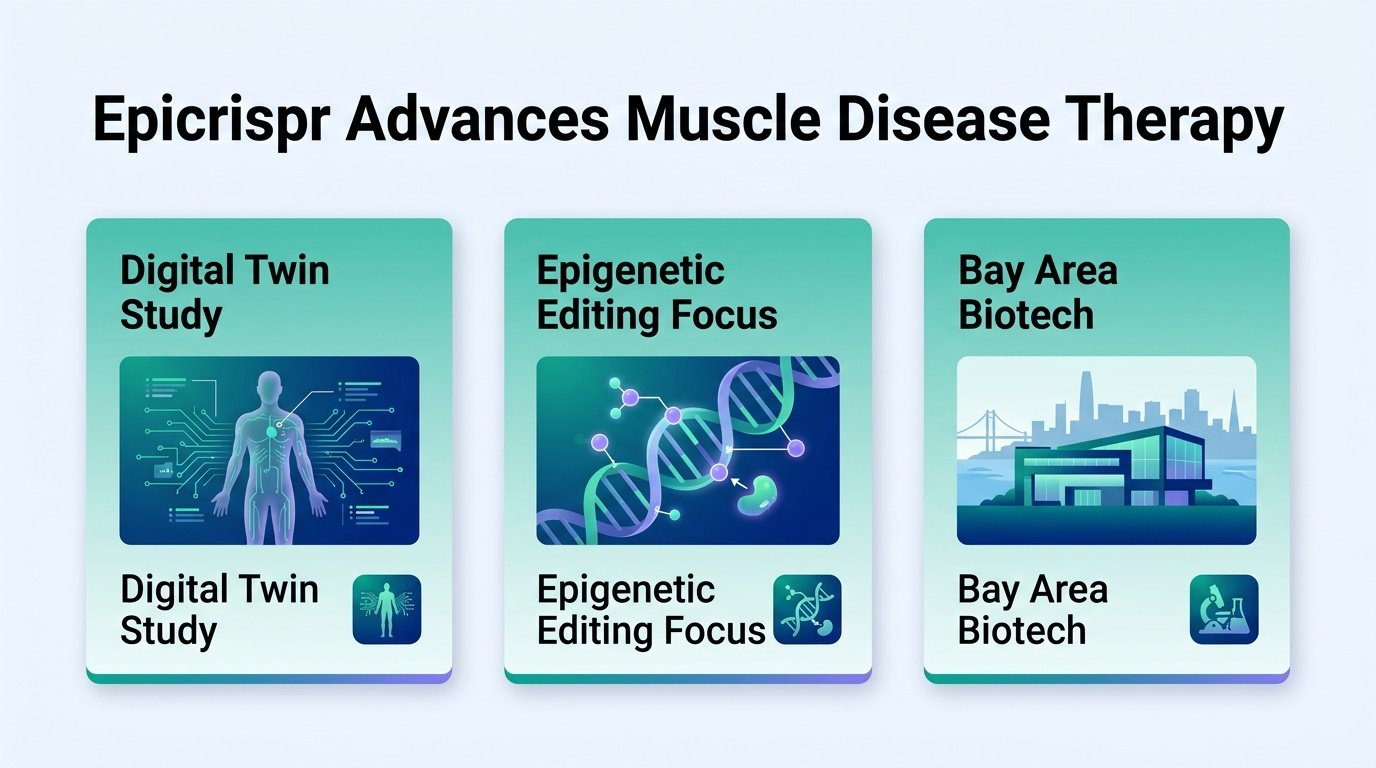
Using virtual clones to simulate disease progression could finally solve the recruitment bottleneck that stalls rare disease drug development.
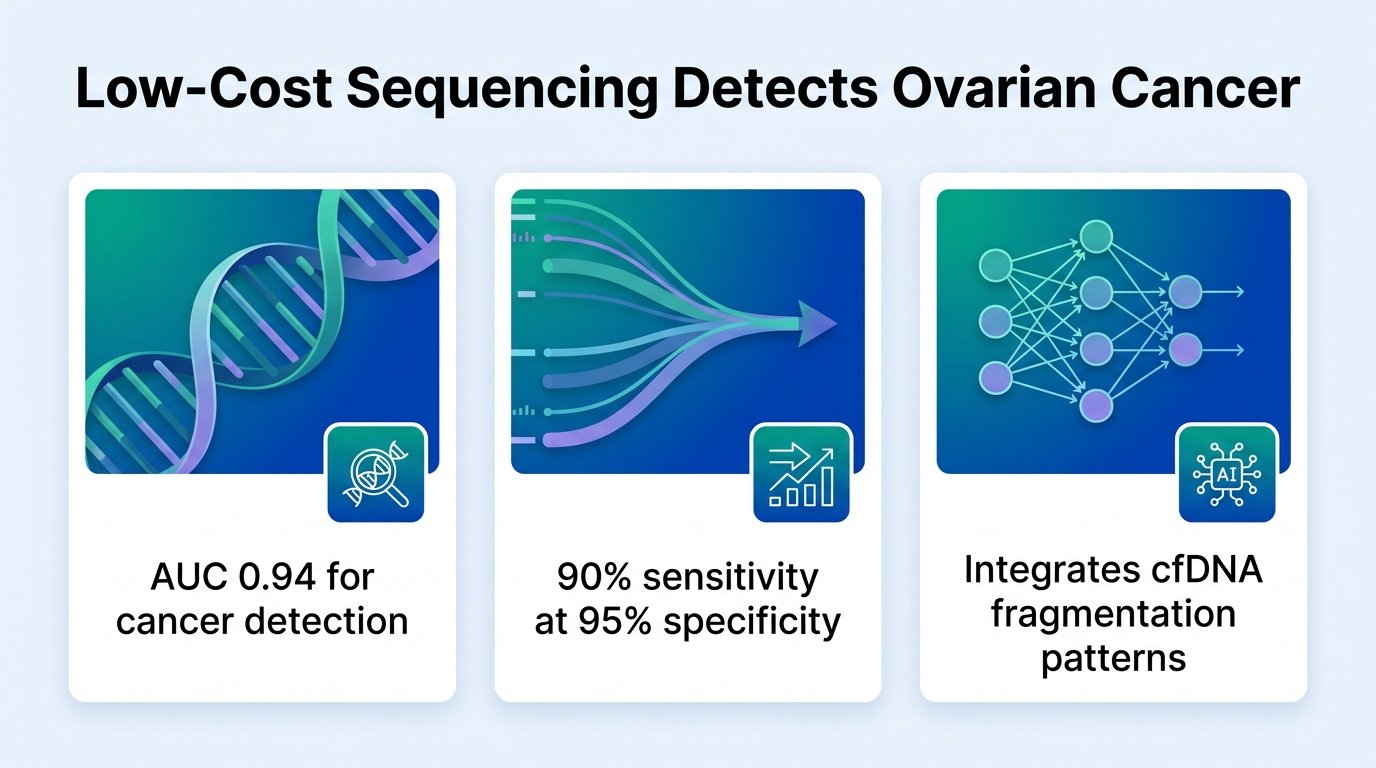
By combining two different genomic signals, researchers proved that cheap, shallow DNA sequencing can catch ovarian cancer with high accuracy.
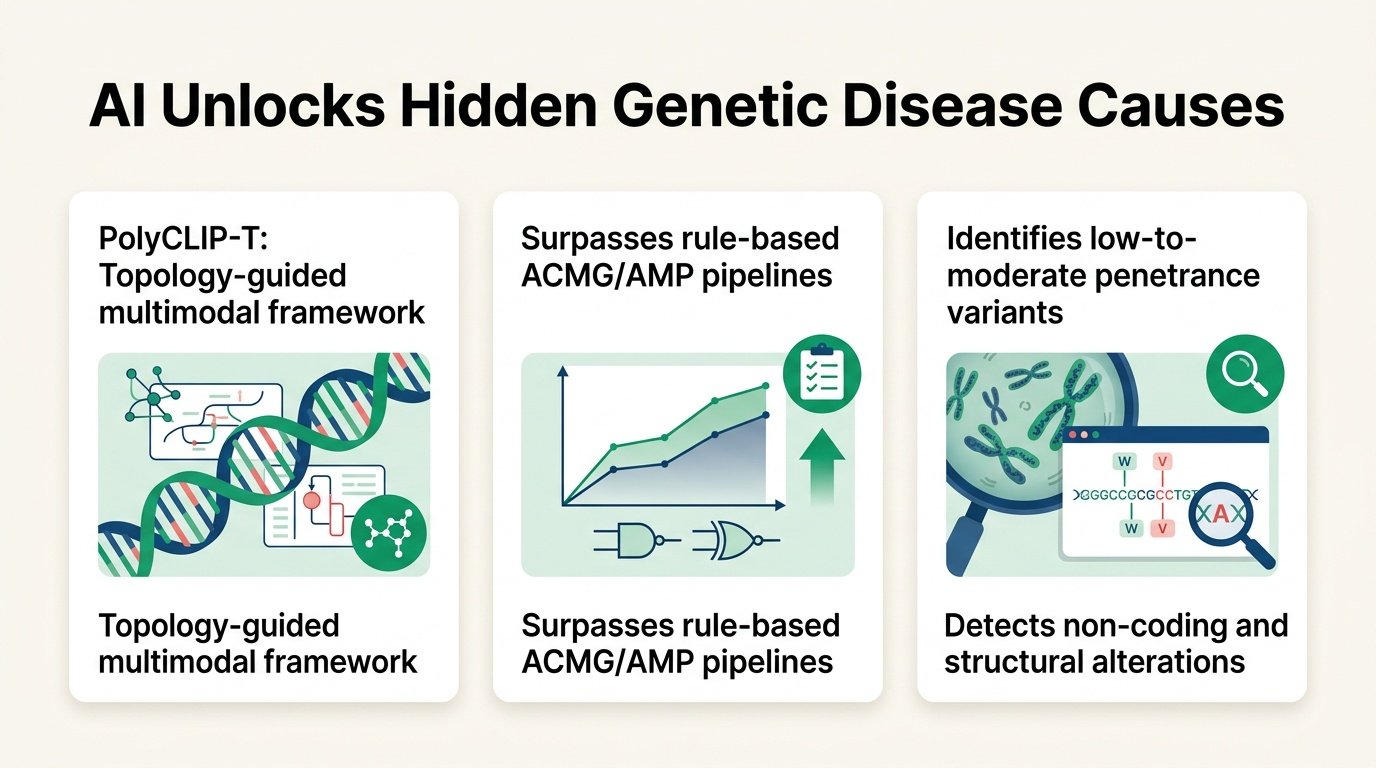
Standard genetic tests miss the complex networks of DNA variants that cause multiple diseases in the same family, but a new topological AI approach could change how we find them.

Enhancer-gene links predicted using SCEG-HiC method show improved accuracy in single-cell multi-omics data integration. 📊🔬
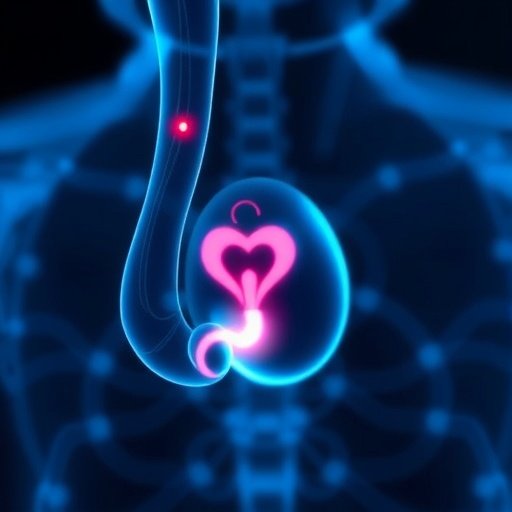
Electronic nose technology may detect early signs of ovarian cancer through blood analysis. Promising advancements in cancer diagnosis. 🩺🔬

AICellType: A breakthrough in cell type annotation with 76% accuracy using LLMs! 🧬📊 Explore its capabilities!

Multi-omics integration enhances precision medicine, addressing disease complexity with AI-driven analysis. Key for future healthcare advancements! 📊🔬
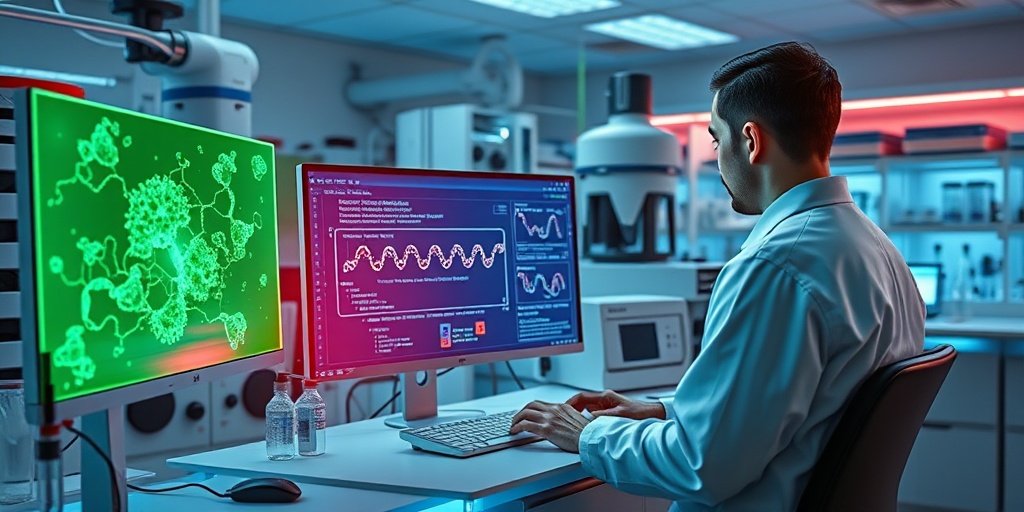
AI-driven protein design improves the creation of stable intracellular antibodies, aiding diagnostics and biomedical research. 🧬🔬