
Ideas for building
better health AI.
Research summaries, product thinking and developments at the intersection of health and artificial intelligence.
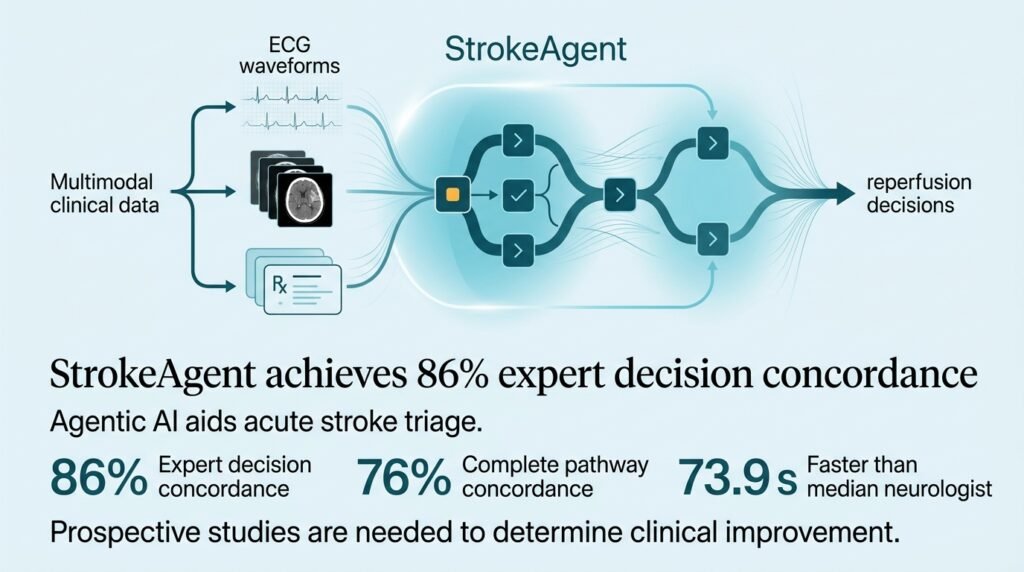
An auditable multimodal agentic system for sequential decision-making across the acute stroke pathway
An agentic AI system has outperformed human neurologists in making rapid, complex treatment decisions...
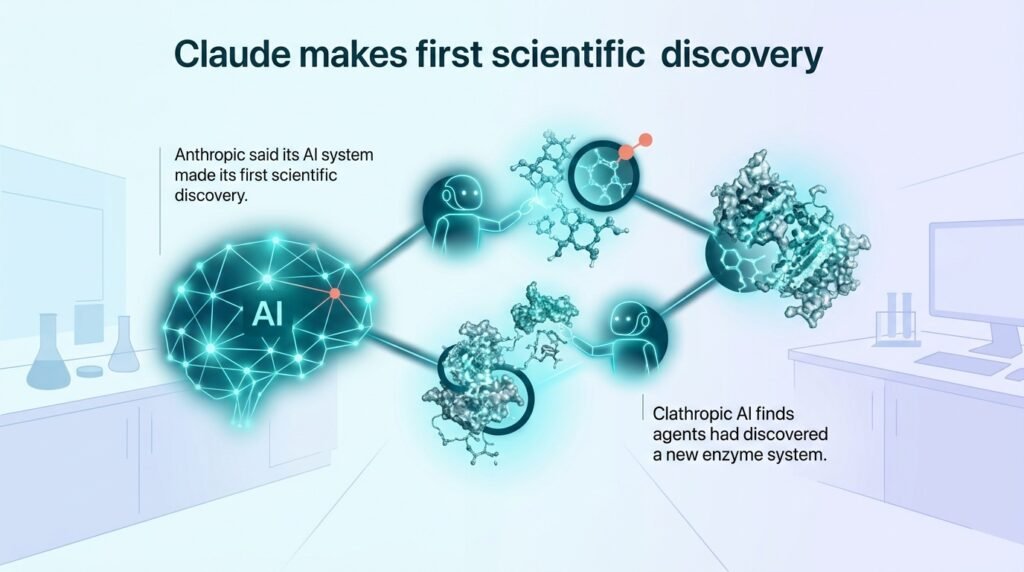
AI Enzyme Discoveries Face Real World Disputes
An AI agent's first biological discovery has immediately collided with a human authorship dispute,...
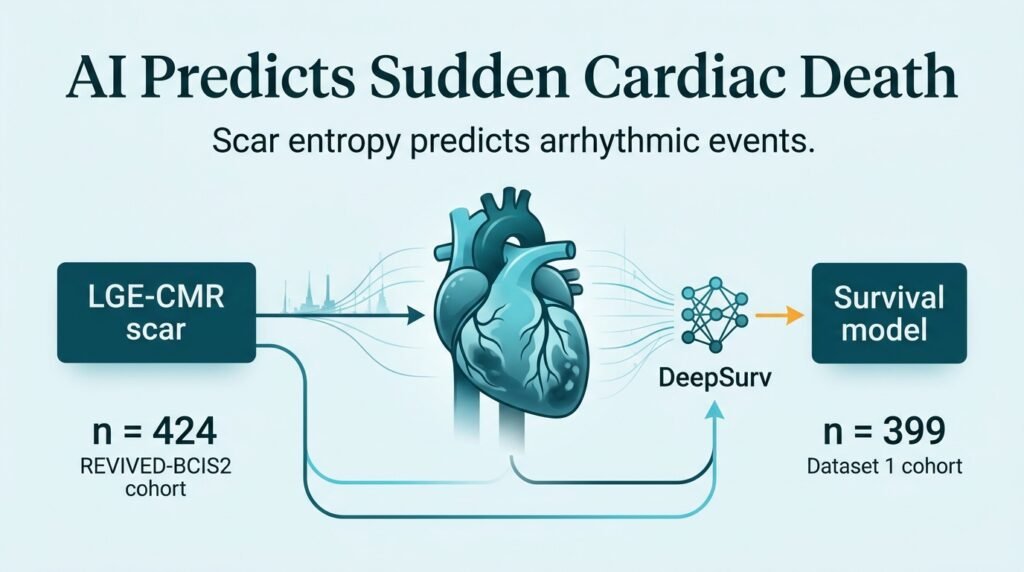
AI predicts sudden cardiac death using scar patterns
Relying on simple heart pump measurements misses the chaotic scar tissue patterns that actually...
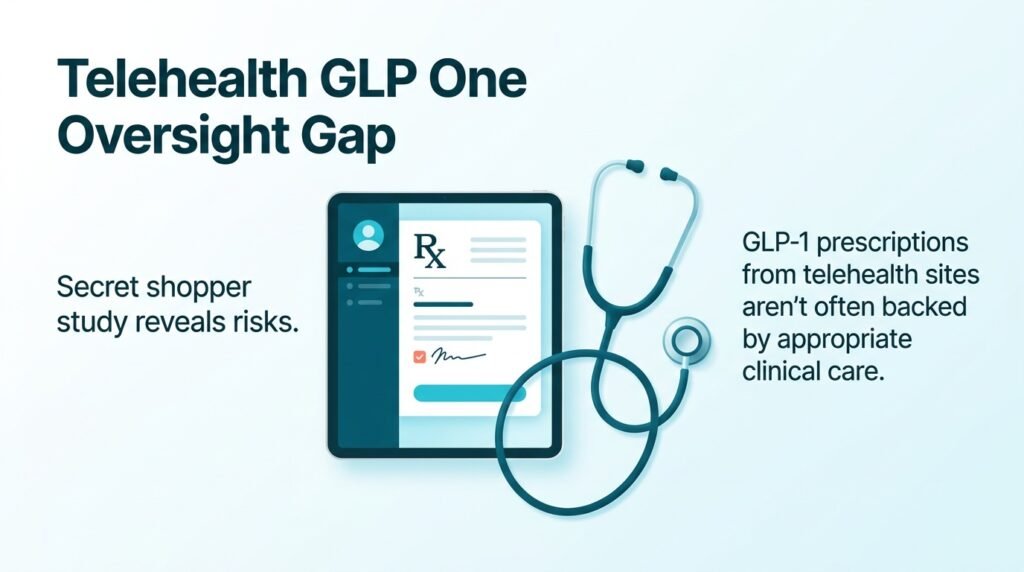
Telehealth GLP-1 Prescriptions Bypass Basic Clinical Safety
Getting a powerful metabolic drug online has become as easy as ordering takeout, but...
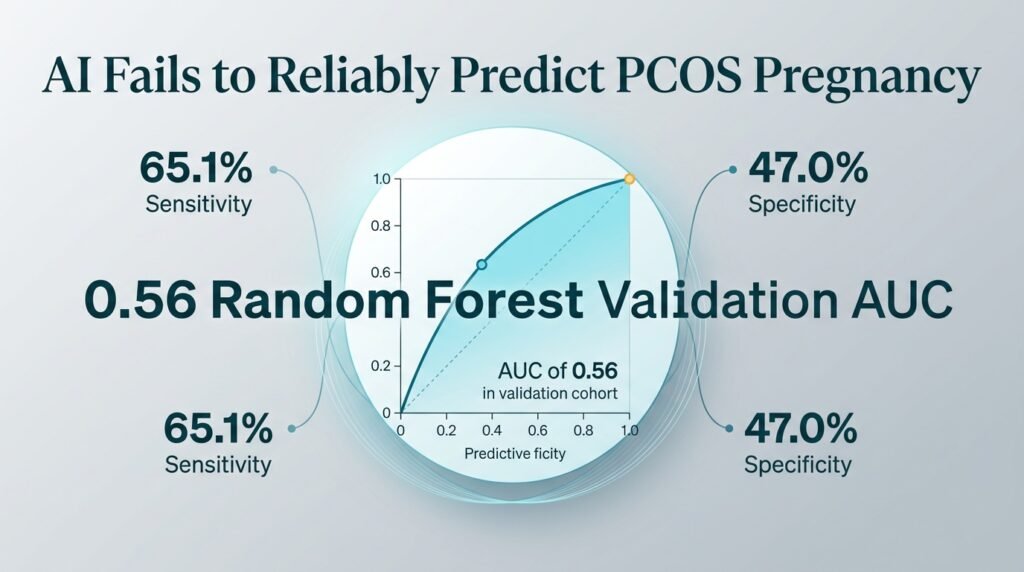
AI fails to reliably predict PCOS pregnancy
A new multicenter study reveals that even advanced machine learning models struggle to predict...
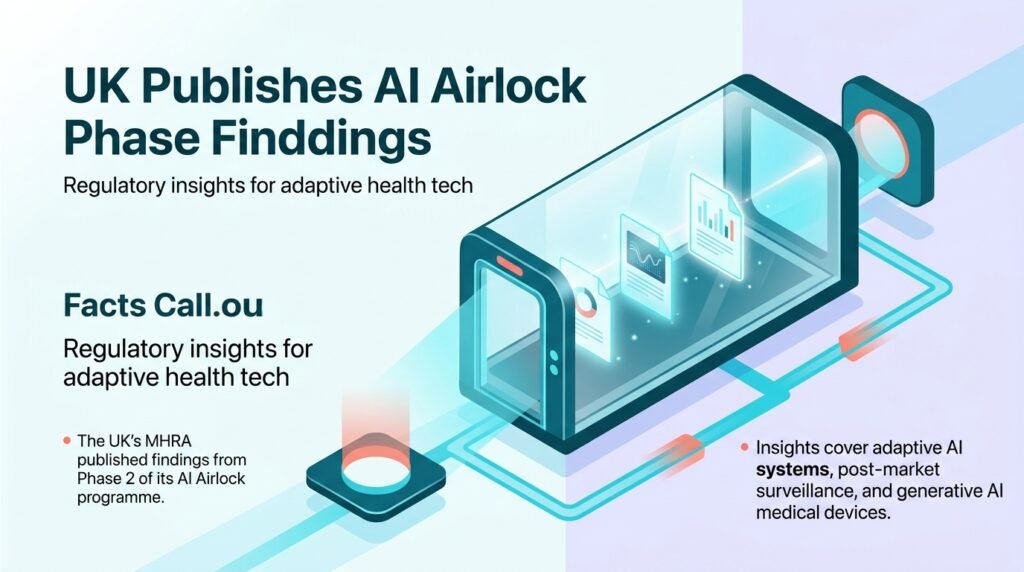
Regulating Adaptive AI in the Clinic
Regulators are shifting from one-time software approvals to continuous, auditable oversight of adaptive clinical...
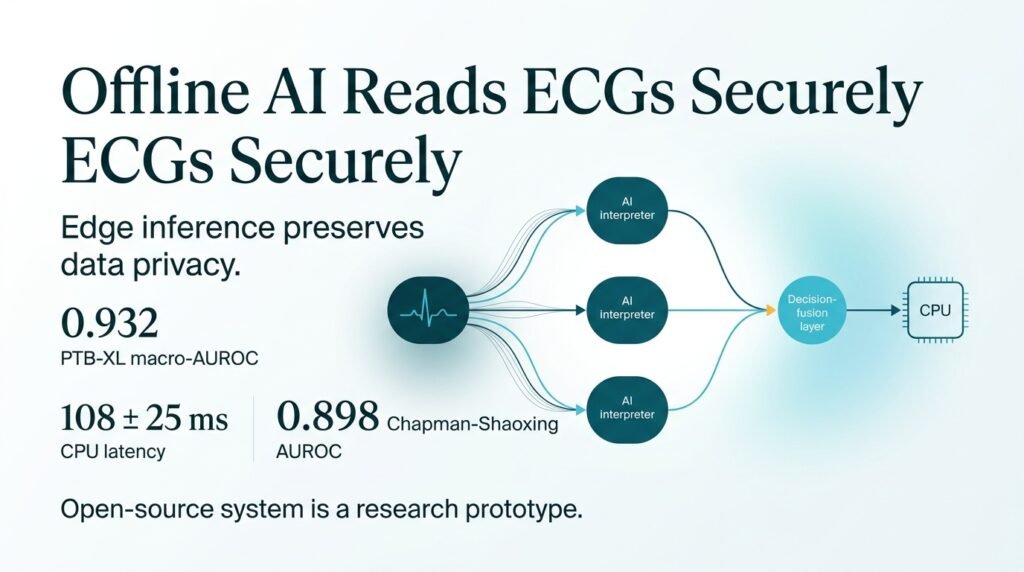
Offline AI reads ECGs without cloud data risks
Clinicians can now run highly accurate cardiac AI on local, cheap hardware without sending...
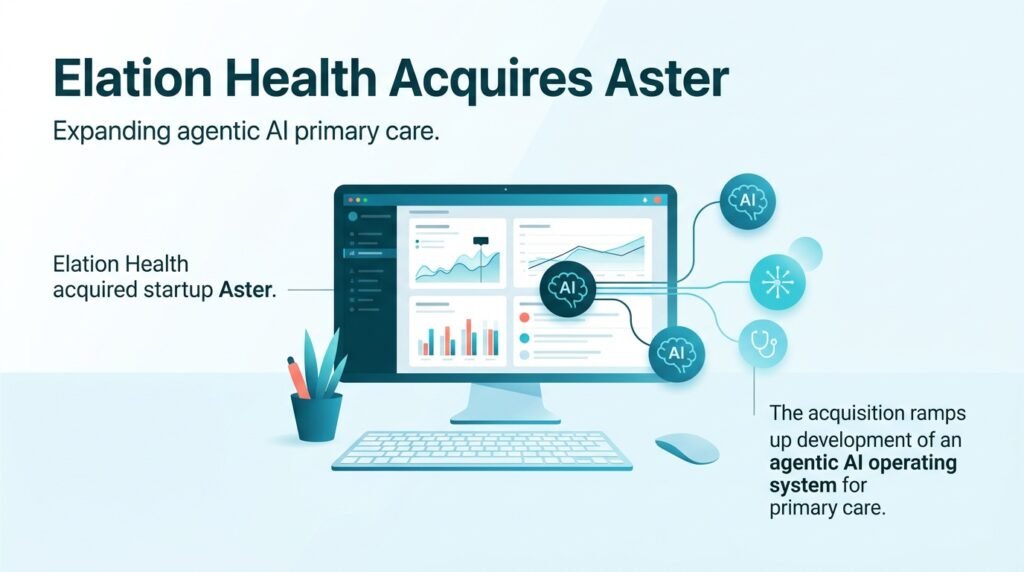
Primary care EHRs shift to autonomous agents
Integrating autonomous AI agents into electronic health records shifts the technology from a passive...
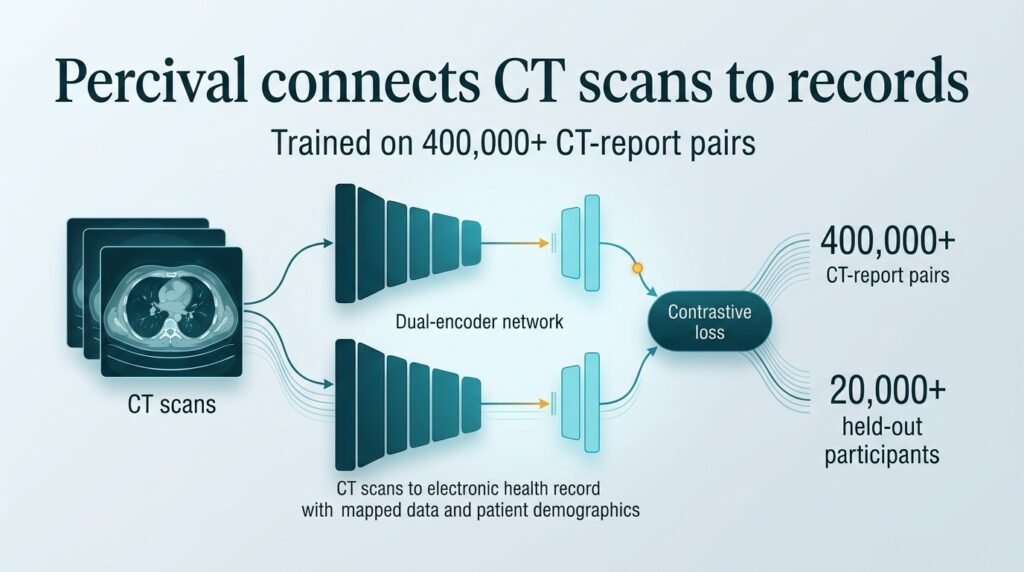
AI model connects CT scans to patient records
A new AI model proves that medical images contain hidden health data that vision-only...
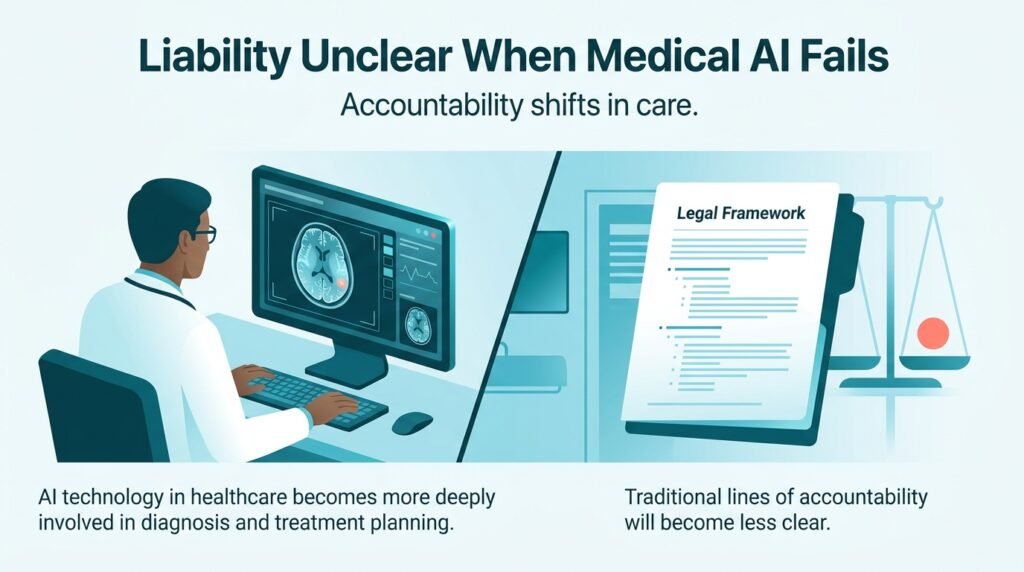
Who Pays When Medical AI Fails?
Hospitals and doctors are stepping into a legal minefield as AI moves from administrative...
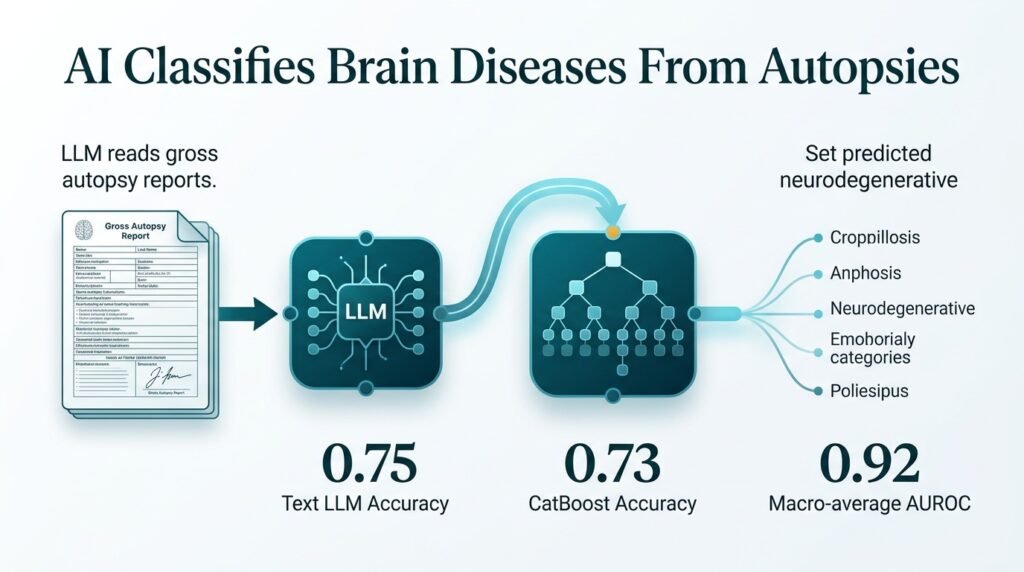
AI Reads Autopsy Reports to Classify Brain Diseases
An AI trained on autopsy text can spot rare brain diseases with surprising accuracy,...
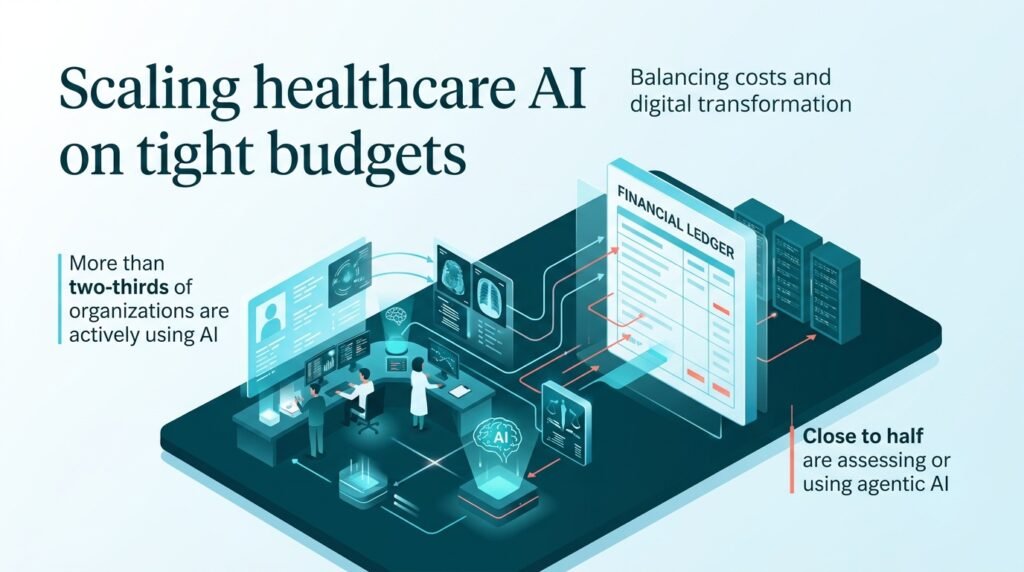
Why Hospital AI Projects Fail to Save Cash
Healthcare systems are pouring millions into artificial intelligence while operating margins hover at a...