Integrating autonomous AI agents into electronic health records shifts the technology from a passive digital filing cabinet to an active administrative partner.
Primary care physicians spend hours clicking through menus and dictating notes. Passive AI scribes helped capture conversations, but they still left the actual administrative follow-up, like scheduling, billing, and routing referrals, to exhausted clinic staff.
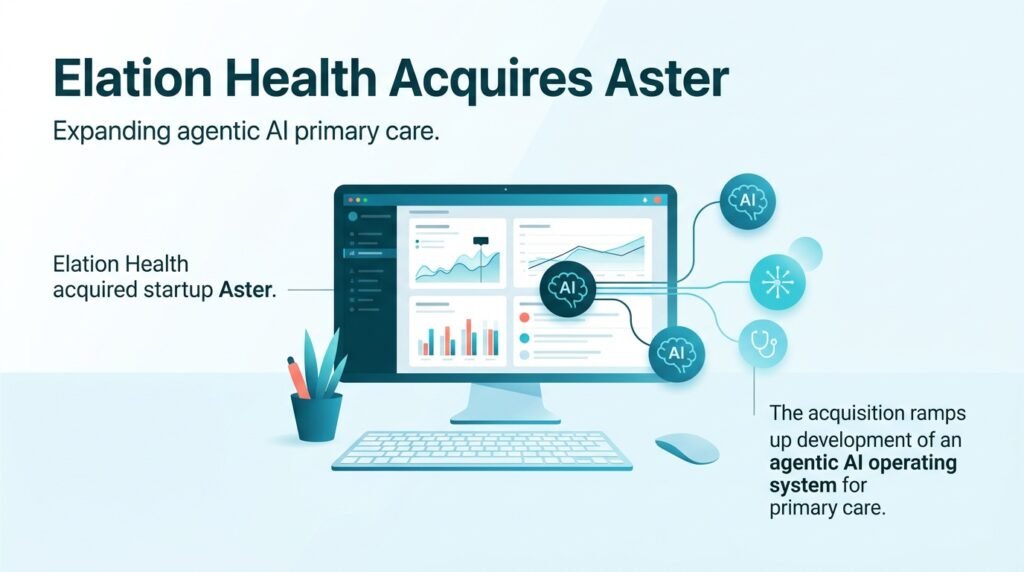
The acquisition of Aster by Elation Health signals a pivot toward agentic AI. Instead of waiting for a clinician’s prompt, these systems are designed to execute workflows independently.
The operational shift
By integrating Aster’s voice agent, Atlas, Elation aims to automate front-office tasks for its network of over 50,000 clinical users. This moves the needle from simple transcription to active task delegation. An autonomous agent can theoretically schedule a mammogram, update a patient record, and trigger a referral without a human clicking submit five times.
But delegation requires absolute trust.
The trust bottleneck
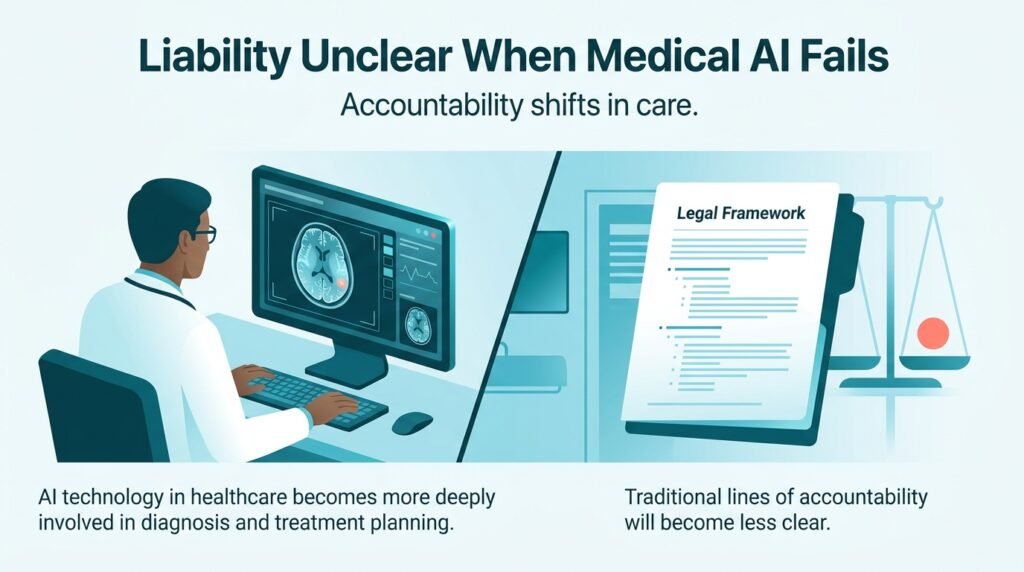
The immediate limitation is safety and oversight. If an autonomous agent schedules the wrong follow-up or misinterprets a complex clinical workflow, the liability still rests on the licensed provider.
Clinicians cannot simply hand over the keys. They must transition into supervisors of AI agents. The practical takeaway for clinic managers is clear: do not expect immediate staff reduction. Instead, prepare for a transition phase where staff must learn to audit autonomous workflows rather than execute them manually.