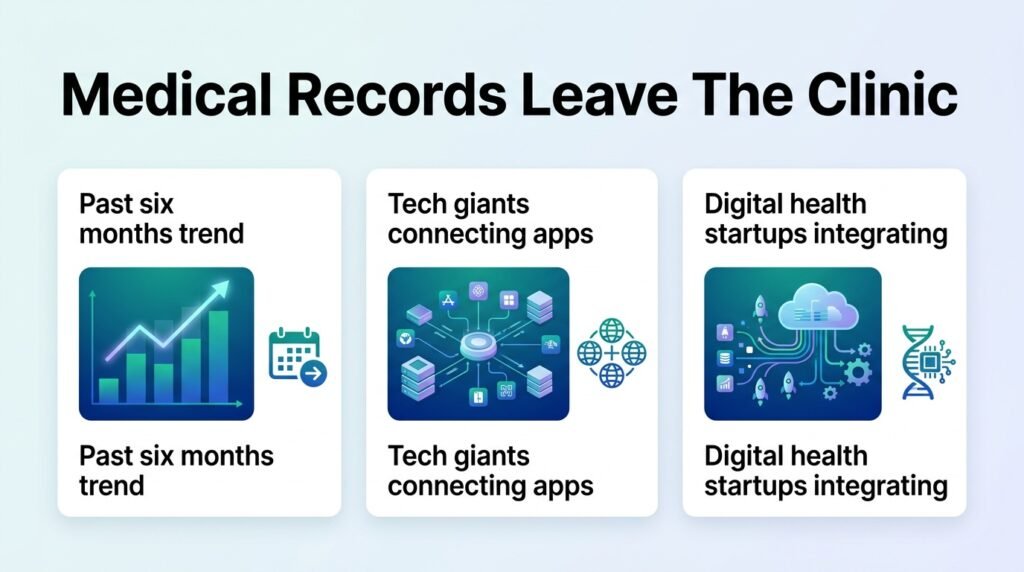
Consumer health apps are racing to sync with your electronic health records, but they are stepping into a massive regulatory blind spot.
Every time a fitness tracker or AI assistant asks to sync with your hospital portal, it pitches convenience. They promise personalized AI advice and streamlined care. But once that data crosses over, the rules of the game change entirely.
The HIPAA illusion
Most patients assume their health data is always protected by federal privacy laws. It is not. HIPAA only applies to traditional healthcare providers, insurers, and their direct partners.
When you voluntarily sync your records to a consumer app, that data lands in a legal gray zone. The app is not bound by medical privacy laws. This is not just a theoretical risk. Tech companies are hungry for training data to fuel their generative AI models. Your clinical history is the ultimate prize.
The regulatory backlash
Regulators are starting to push back. Without HIPAA, the burden of policing this space has fallen on the Federal Trade Commission.
The FTC is aggressively using its Health Breach Notification Rule to penalize platforms that share sensitive patient data with advertisers. But reactive enforcement is a poor substitute for systemic privacy.
Users are left with a difficult trade-off. To get the benefits of personalized AI health guidance, they must surrender their most sensitive information to companies that operate under commercial rules, not medical ethics.