

Insurers are finally trimming the red tape that delays patient care, but the most expensive treatments remain locked behind administrative walls.
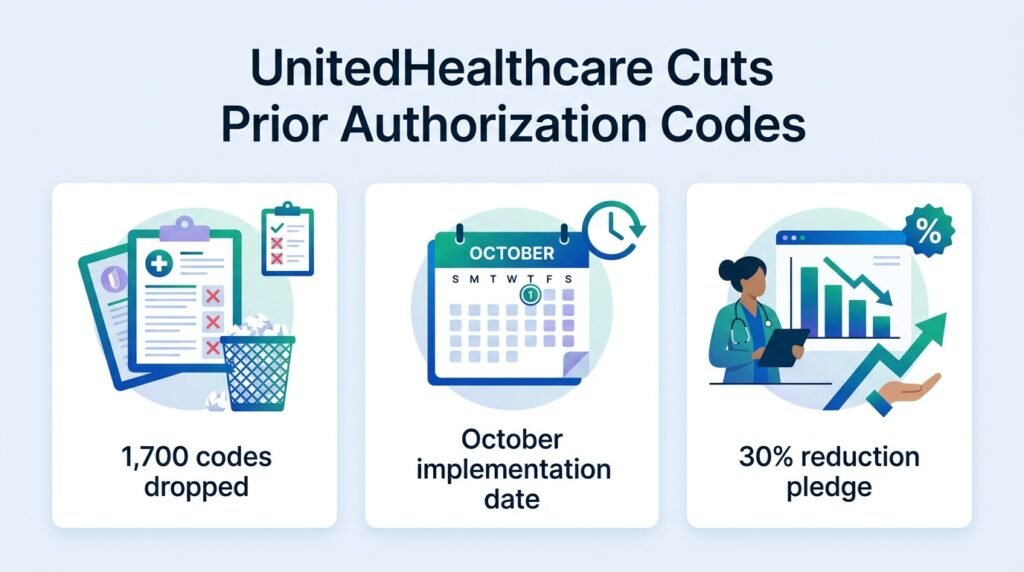
UnitedHealthcare is cutting prior authorization requirements for 1,700 medical codes this October. This move aims to fulfill its pledge to slash utilization management controls by 30 percent.
On paper, this looks like a massive victory for exhausted doctors and frustrated patients. Prior authorization has long been the bane of modern medicine. It forces clinicians to spend hours begging for permission before delivering standard care.
The Illusion of Relief
But a closer look at the exempted codes reveals a highly calculated strategy.
The cuts primarily cover low-stakes, routine outpatient procedures like colonoscopies. These are high-volume but relatively low-cost services. By removing these hurdles, the insurer reduces its own administrative overhead while winning easy public relations points.
Meanwhile, the real financial battlegrounds remain entirely untouched. High-cost specialty drugs, GLP-1 weight-loss medications, and complex cancer therapies still require strict preapproval. Insurers are not giving up their gatekeeper role where the financial stakes are highest.
The Bottom Line
This is administrative triage, not a systemic overhaul.
Other major insurers like Aetna and Cigna are pursuing similar reductions under intense regulatory pressure. However, keeping tight control over high-ticket therapies ensures that insurers maintain their grip on the most expensive sectors of medicine.
For providers, the daily paperwork burden will lighten slightly. But for patients facing complex, life-threatening illnesses, the bureaucratic maze remains as daunting as ever. True reform will only arrive when insurers relinquish control over the treatments that actually drive healthcare costs, not just the routine procedures. This shift is a step toward efficiency, but it is far from a cure for administrative delays.