
Rising global temperatures are accelerating pathogen transmission, turning preventable diarrhoeal diseases into an escalating clinical emergency that traditional medicine alone cannot contain.
Diarrhoeal diseases already claim 1.5 million lives annually, primarily young children. As climate change fuels flooding and heatwaves, pathogen transmission is accelerating. The World Health Organization projects an additional 48,000 annual childhood deaths from these diseases by 2030.
The clinical reality is shifting. Treating patients after they fall ill is no longer enough when environmental factors dictate infection rates. Health systems must adapt to a world where weather patterns predict patient surges.
Predictive Prevention
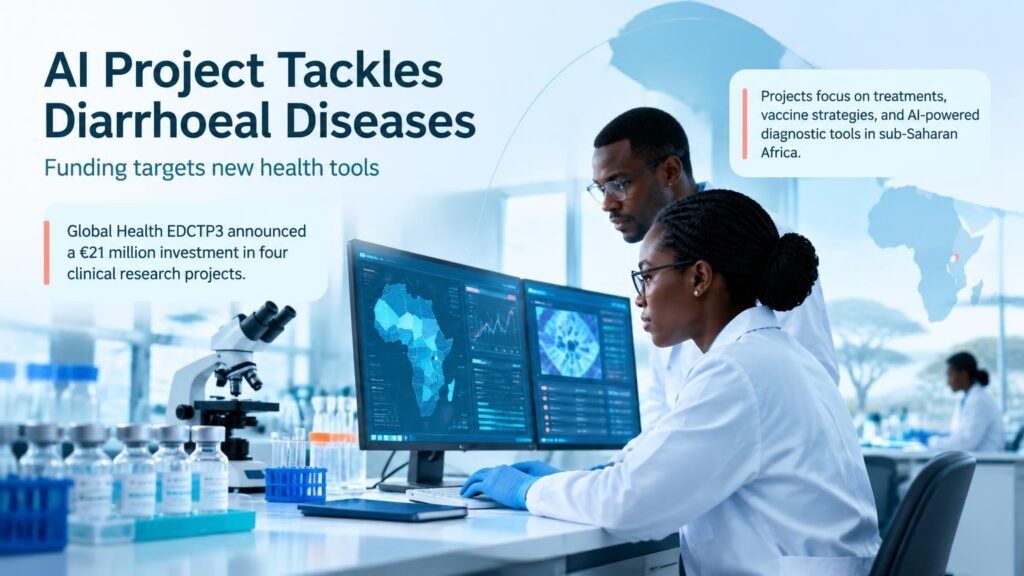
A new €21 million initiative across sub-Saharan Africa aims to pivot from reactive treatment to predictive prevention. Four projects are attempting to merge clinical research with environmental, nutritional, and sanitation data. Crucially, this includes deploying AI-powered diagnostic tools to anticipate outbreaks before clinics are overwhelmed.
However, diagnostic accuracy does not automatically translate to saved lives. An AI tool can flag a high-risk pathogen in minutes. But without immediate access to clean water, vaccines, or targeted therapies, the clinical outcome remains unchanged.
The Infrastructure Barrier
Data integration is notoriously difficult in under-resourced clinics. AI diagnostics require stable power, consistent internet, and clean data pipelines to work. If the underlying sanitation infrastructure does not improve, predictive algorithms will only document a crisis rather than prevent it.
Clinicians and health systems must not mistake digital tools for structural solutions. True progress requires linking these new clinical algorithms directly to local water and sanitation improvements on the ground.