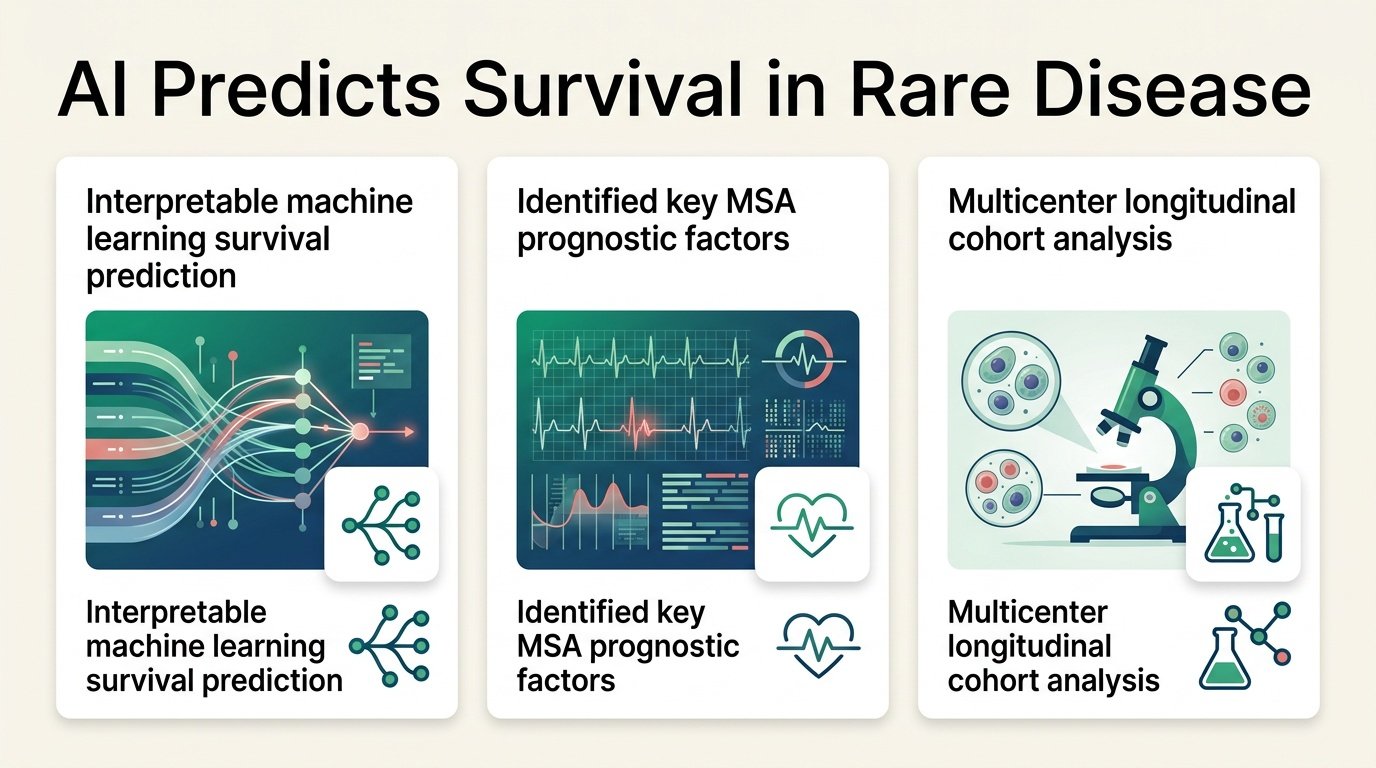
AI predicts survival times for rare brain disease
A new machine learning model predicts individual survival times for multiple system atrophy, forcing clinicians to rethink how they deliver terminal prognoses.

A new machine learning model predicts individual survival times for multiple system atrophy, forcing clinicians to rethink how they deliver terminal prognoses.

The race to dominate clinical AI is no longer about transcribing doctor-patient chats; it is about controlling the entire administrative backbone of healthcare.
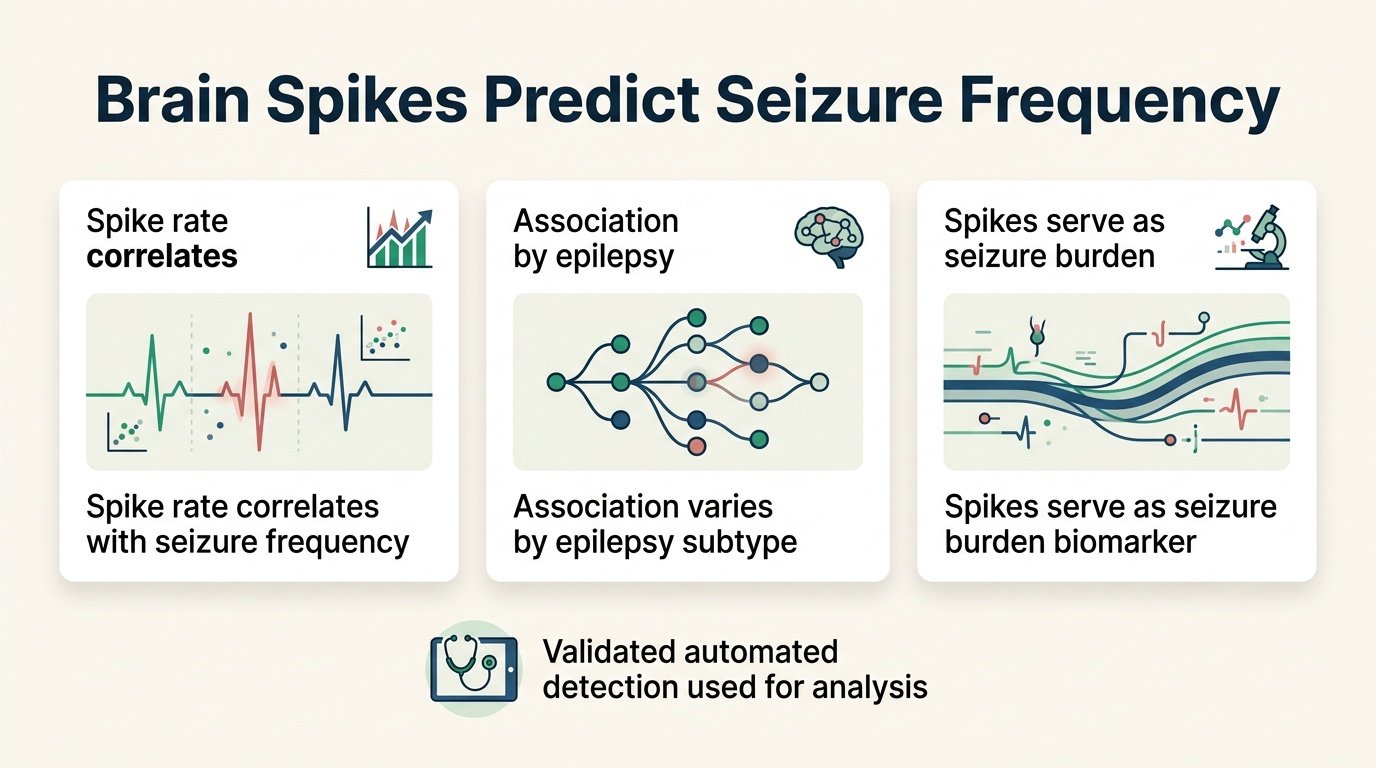
A massive new study reveals that standard brain wave spikes only weakly correlate with actual seizure frequency, challenging how doctors monitor epilepsy.
A massive clinical trial is putting machine learning in charge of life-or-death oxygen decisions for twenty-four thousand critically ill patients.
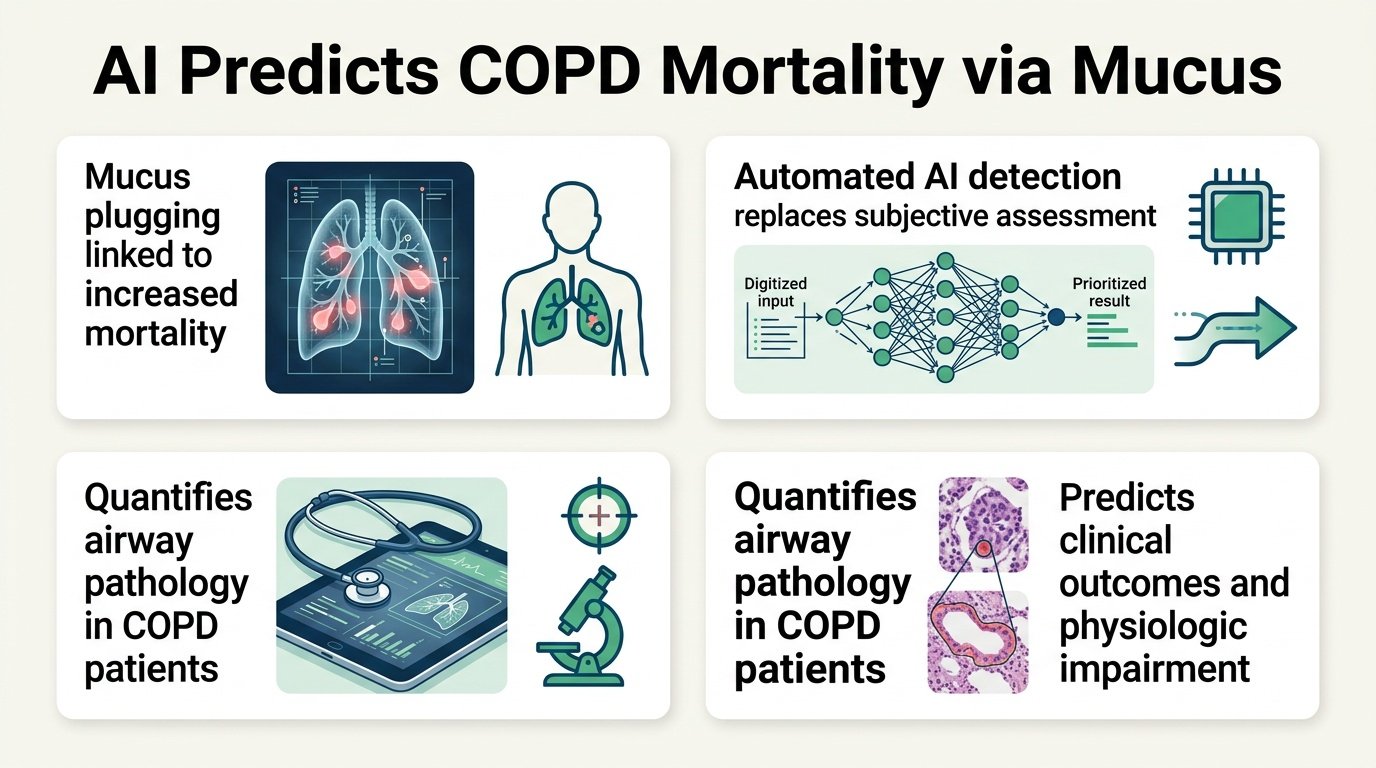
Automating the search for mucus plugs in lung scans reveals a hidden driver of COPD mortality that human eyes routinely miss.

A bold federal experiment is about to force digital health companies to prove their tools actually work or risk losing half their pay.
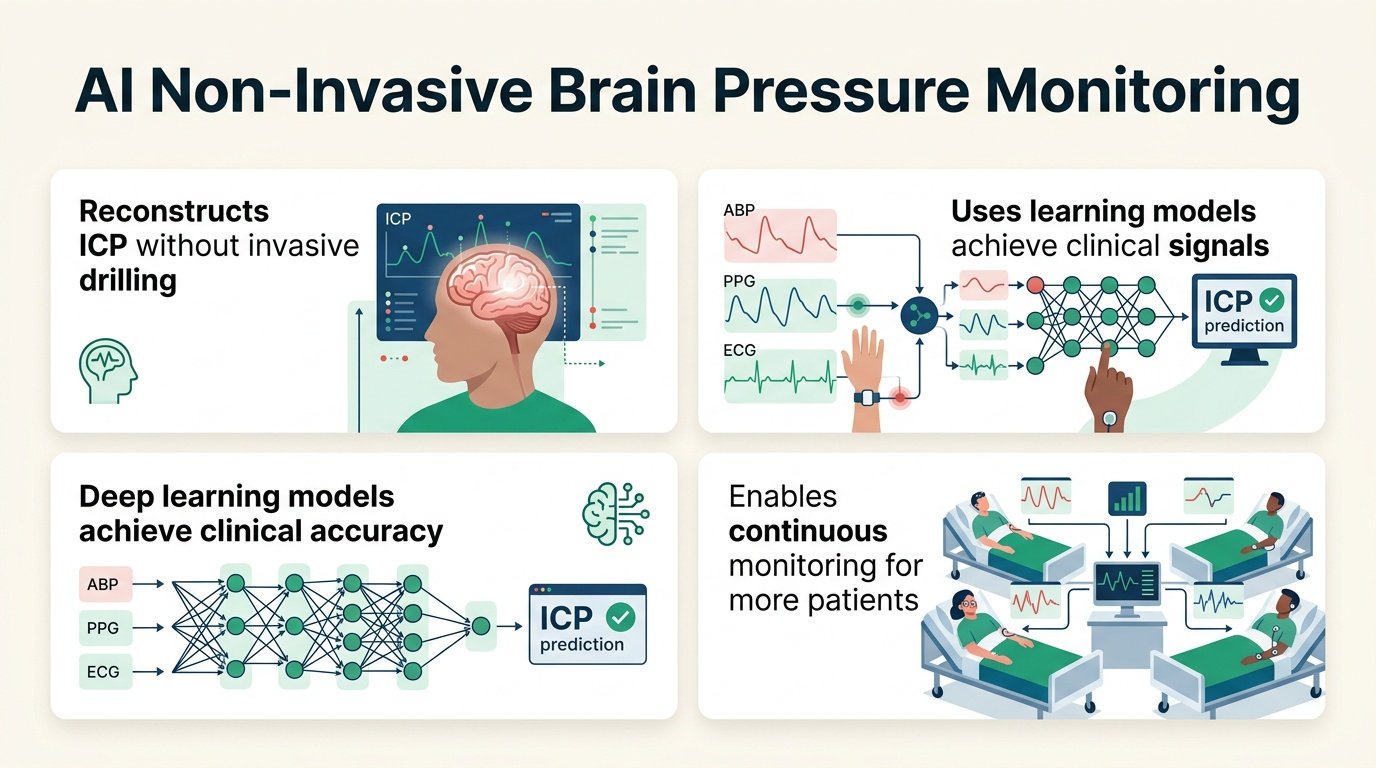
By predicting brain pressure from routine heart and blood signals, a new deep learning model challenges the necessity of invasive skull-drilling in intensive care units.
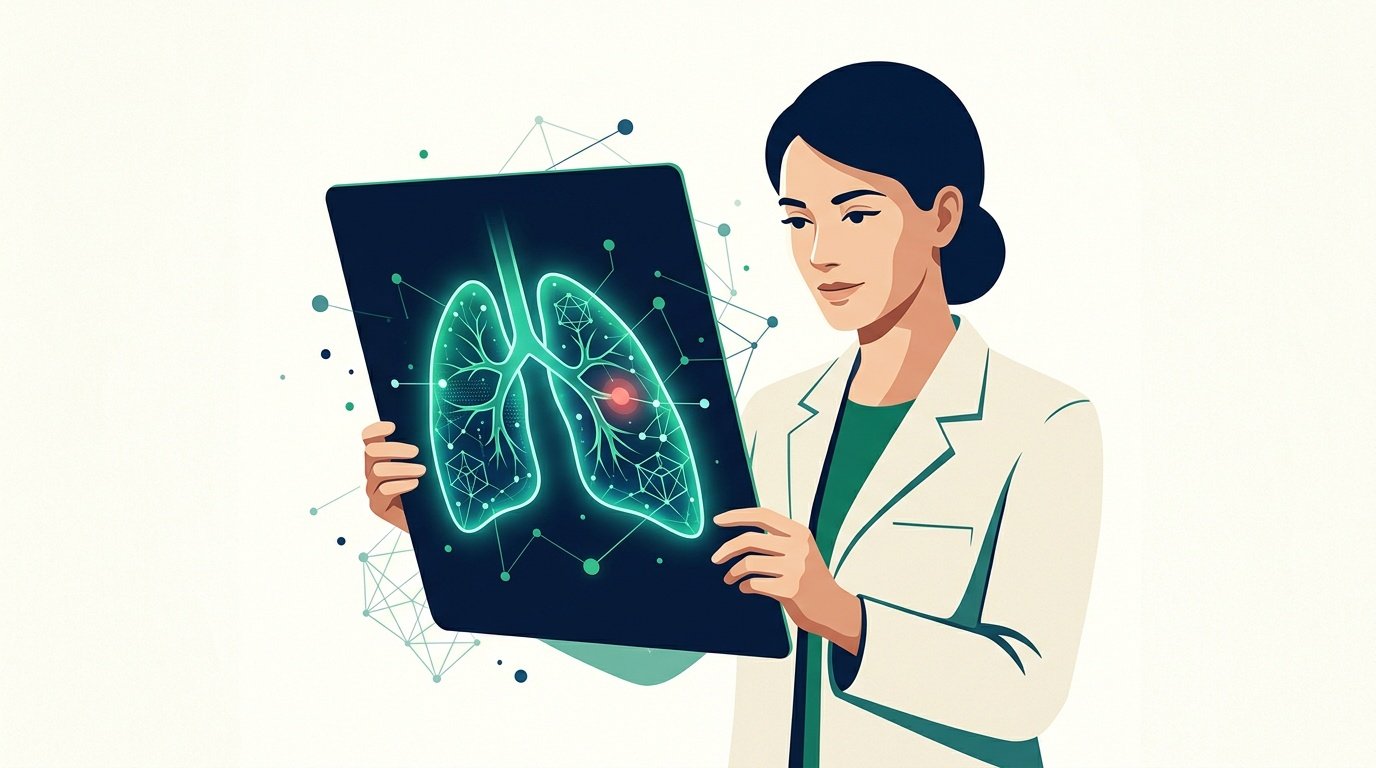
Throwing millions at AI imaging algorithms will not solve the UK’s cancer crisis without the human staff to act on the results.
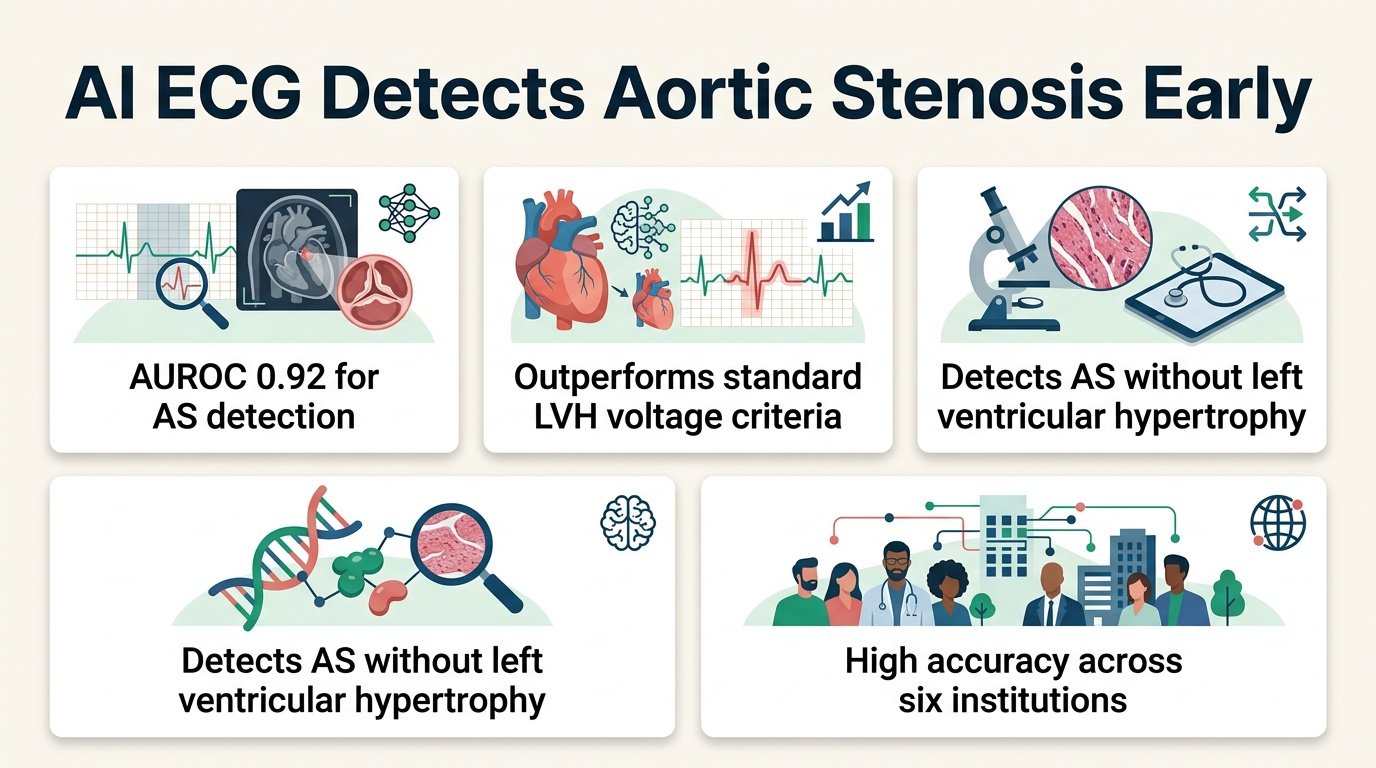
A new deep learning model proves that artificial intelligence does not just mimic old diagnostic rules to spot deadly heart valve disease—it finds hidden signals doctors have been missing for decades.
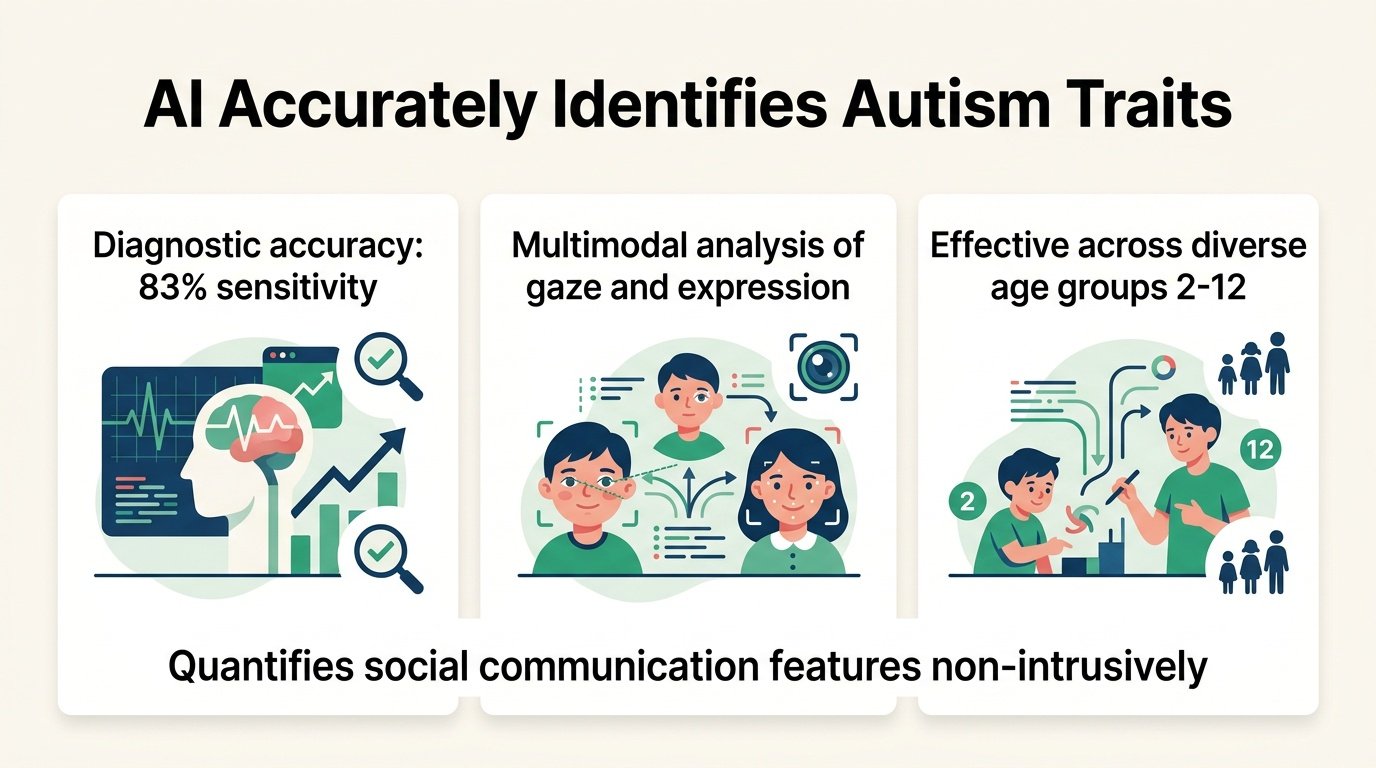
A new machine learning tool measures eye gaze and facial expressions during autism evaluations, but its struggle to distinguish autism from other developmental conditions reveals the limits of automated diagnostics.