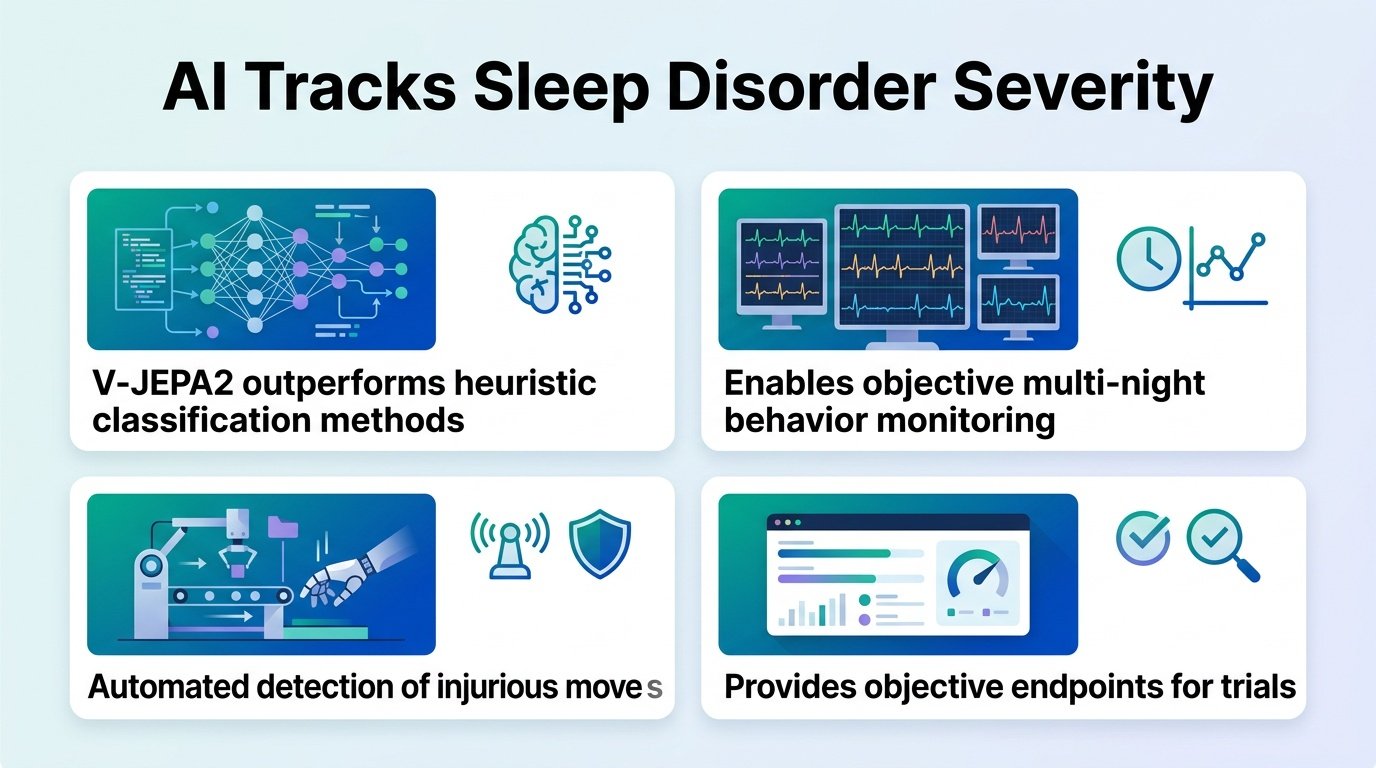
AI tracks sleep disorder severity using video
A new study shows video foundation models can grade violent sleep movements, but their tendency to overestimate severity reveals the limits of clinical AI.

A new study shows video foundation models can grade violent sleep movements, but their tendency to overestimate severity reveals the limits of clinical AI.
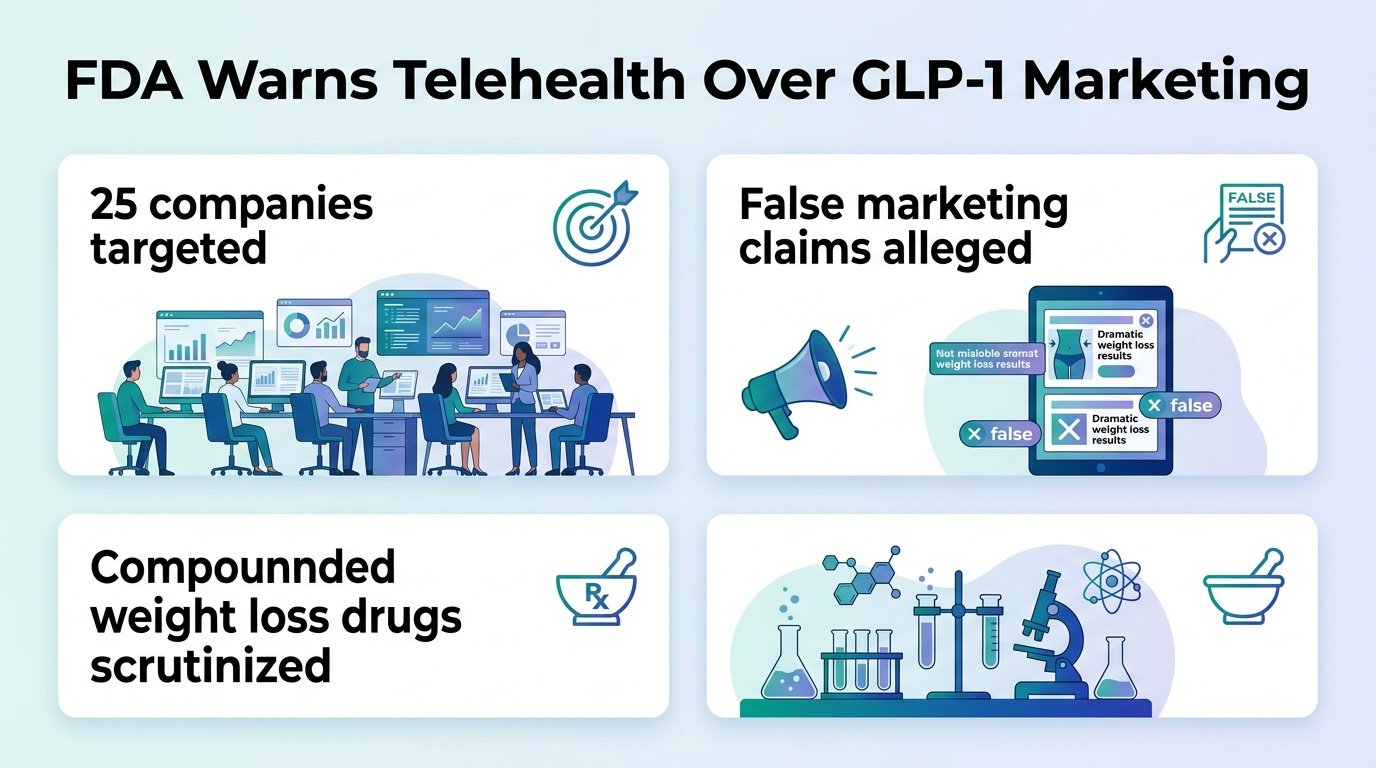
The wild west of online weight-loss drug marketing is officially coming to an end.
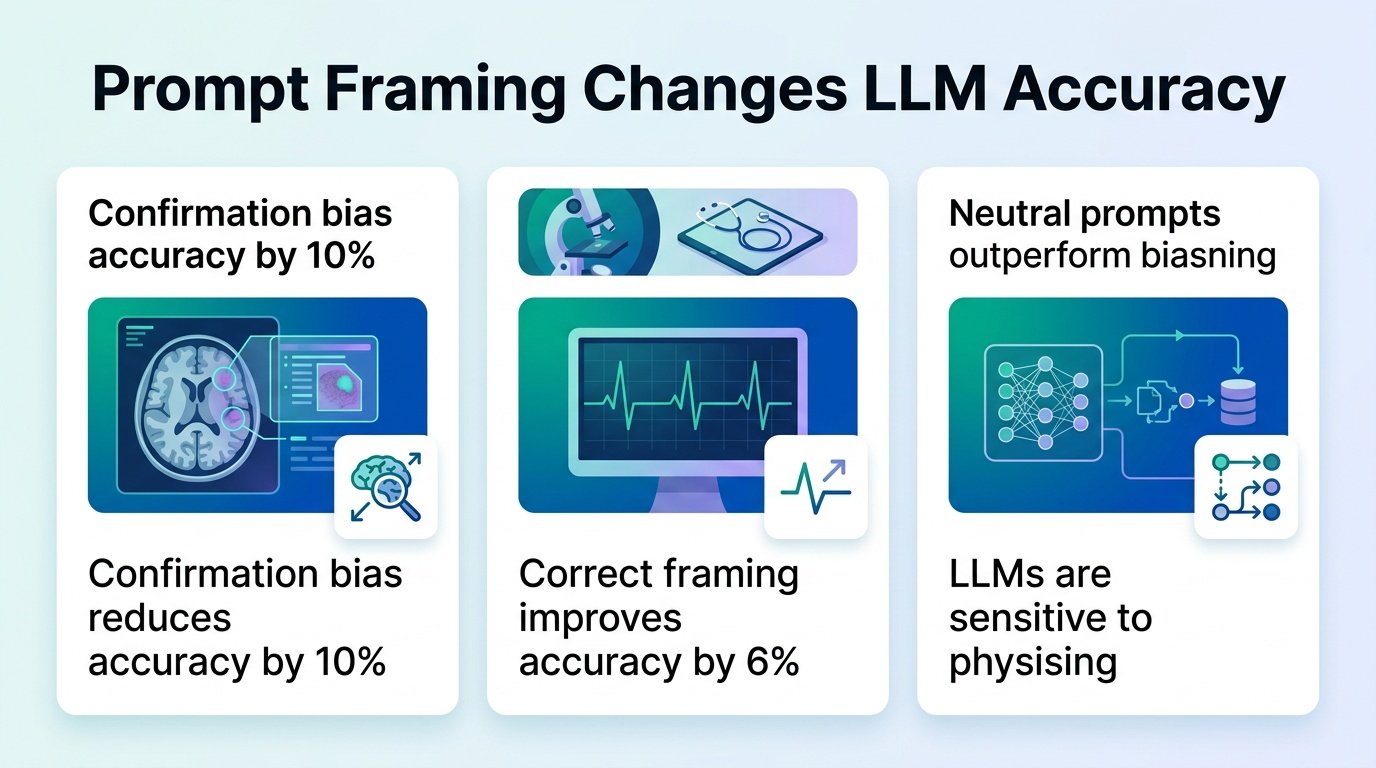
A doctor’s self-doubt can degrade the accuracy of medical AI, proving that these systems are highly sensitive to how questions are framed.
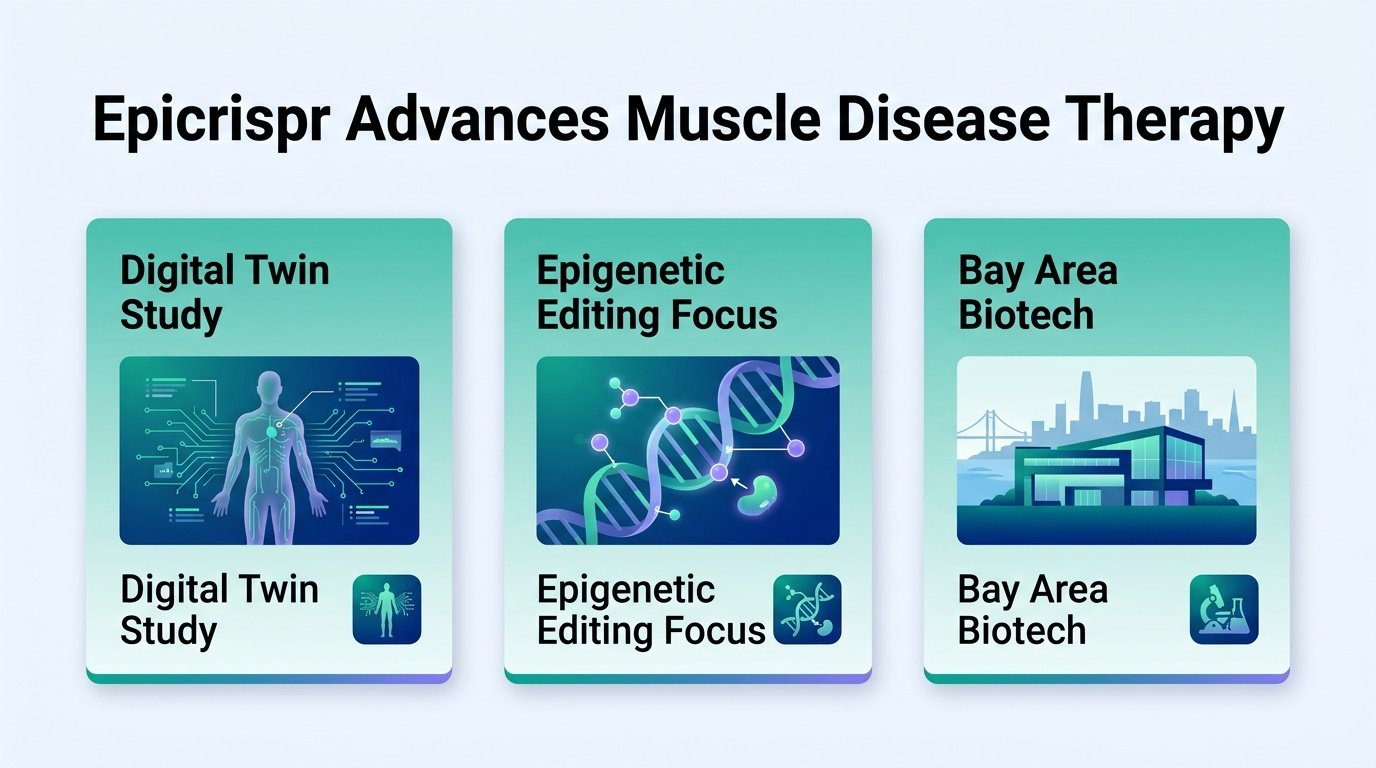
Using virtual clones to simulate disease progression could finally solve the recruitment bottleneck that stalls rare disease drug development.
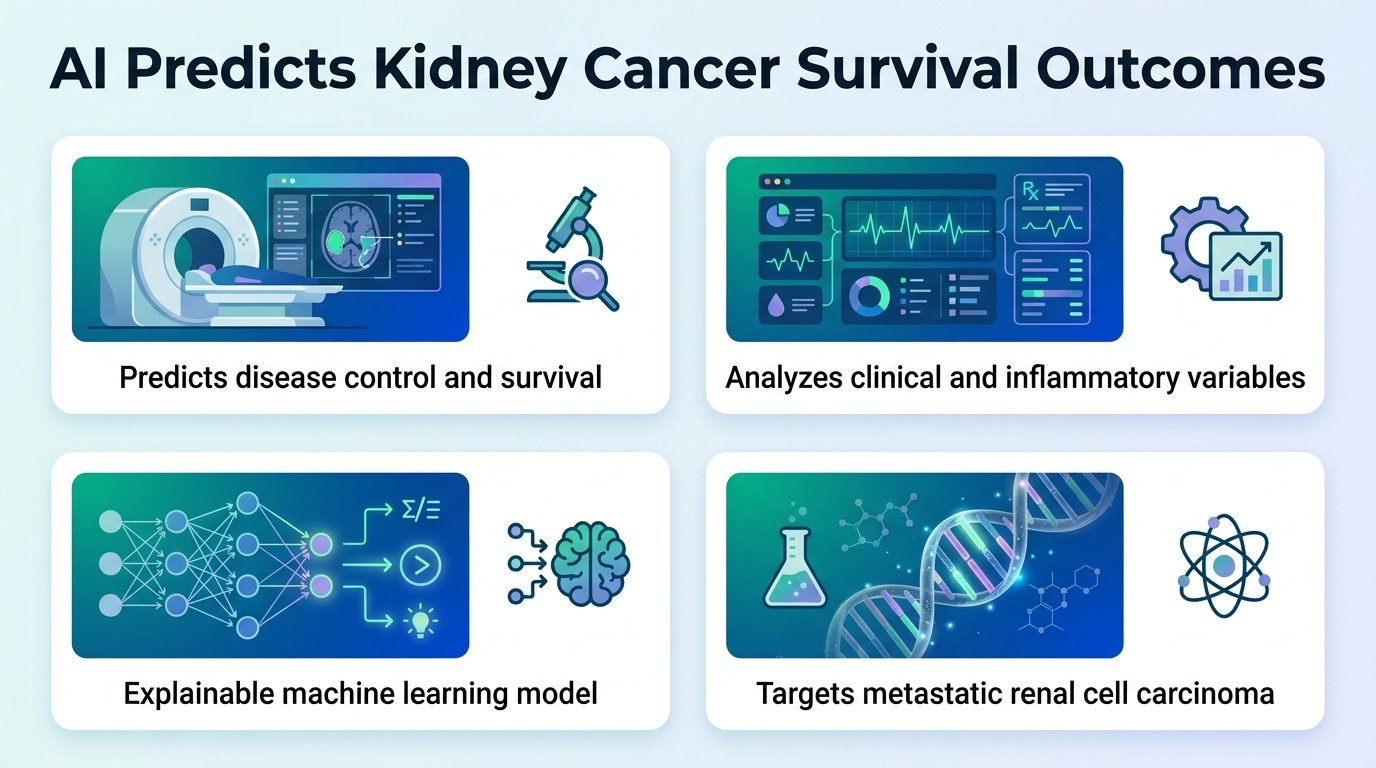
A new machine learning model uses basic blood markers to predict how kidney cancer patients respond to immunotherapy.

A massive funding injection promises to free doctors from keyboards, but the financial plumbing of the NHS could stall the rollout.
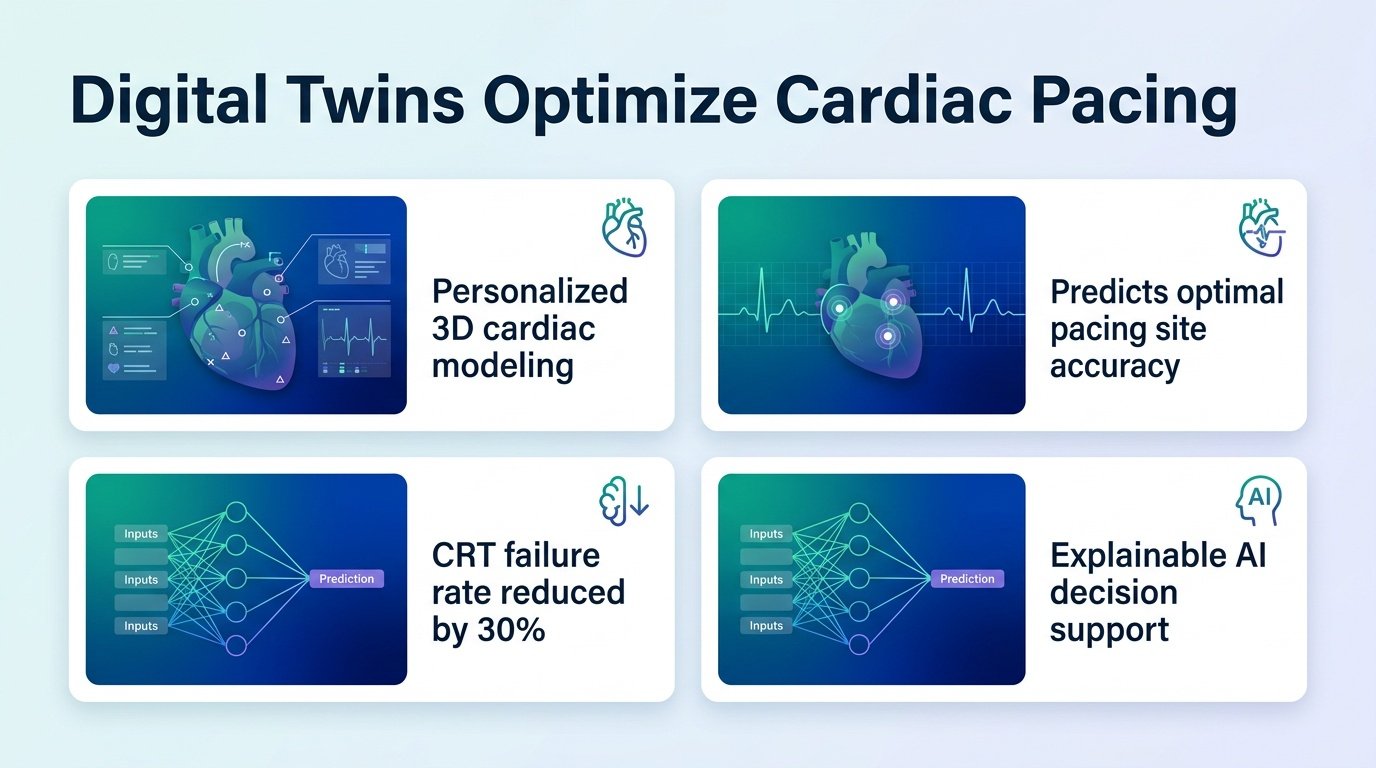
A new digital twin model shows that one-third of heart failure patients fail cardiac therapy because surgeons are aiming at the wrong target.
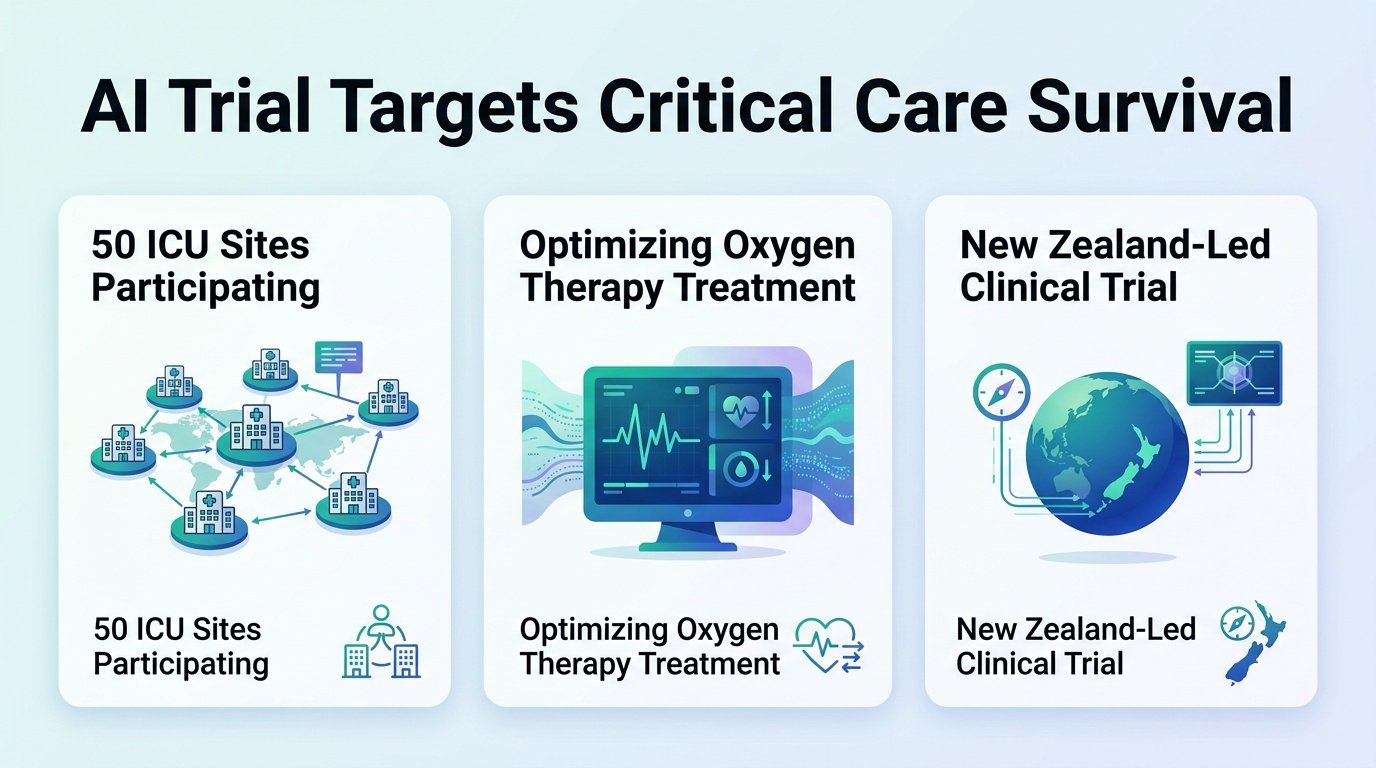
An ambitious clinical trial across Australasia is about to test whether machine learning can make split-second decisions to save critically ill patients.
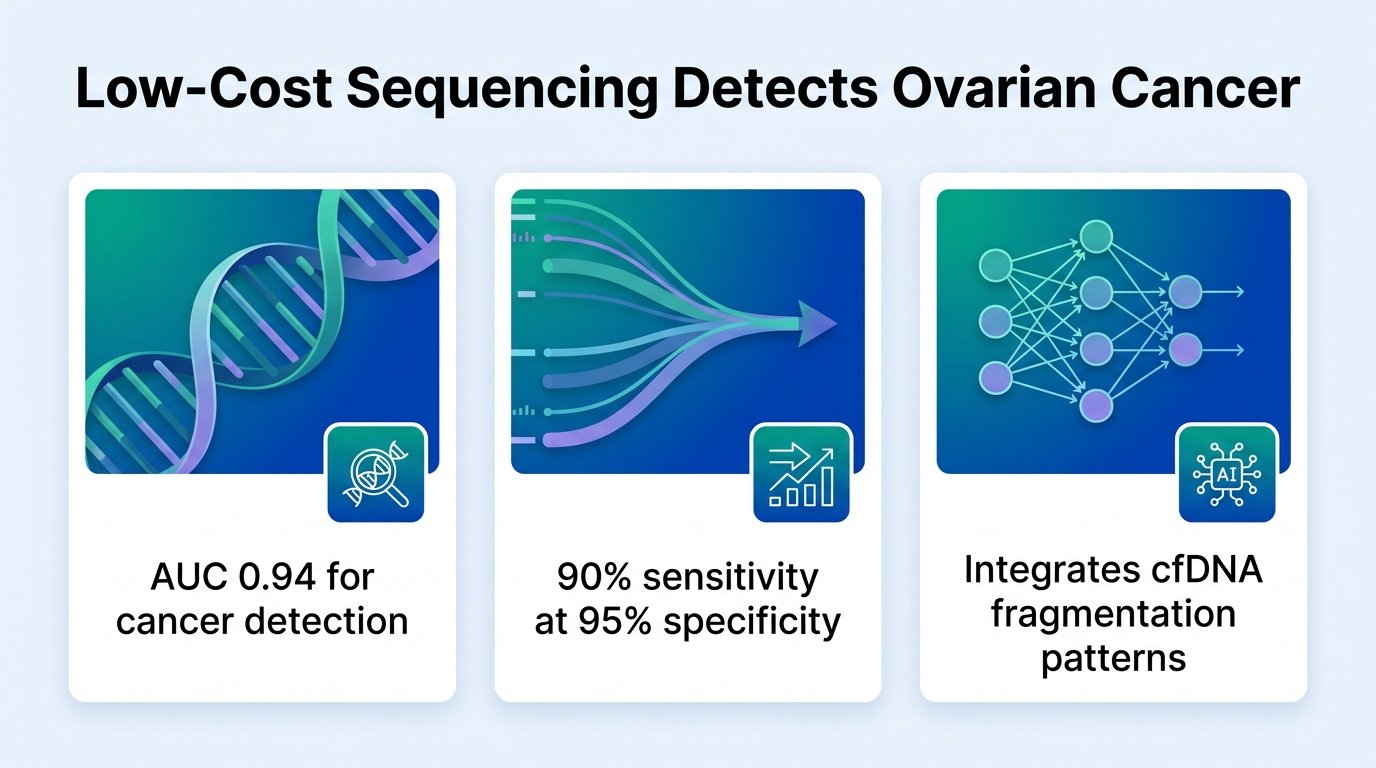
By combining two different genomic signals, researchers proved that cheap, shallow DNA sequencing can catch ovarian cancer with high accuracy.
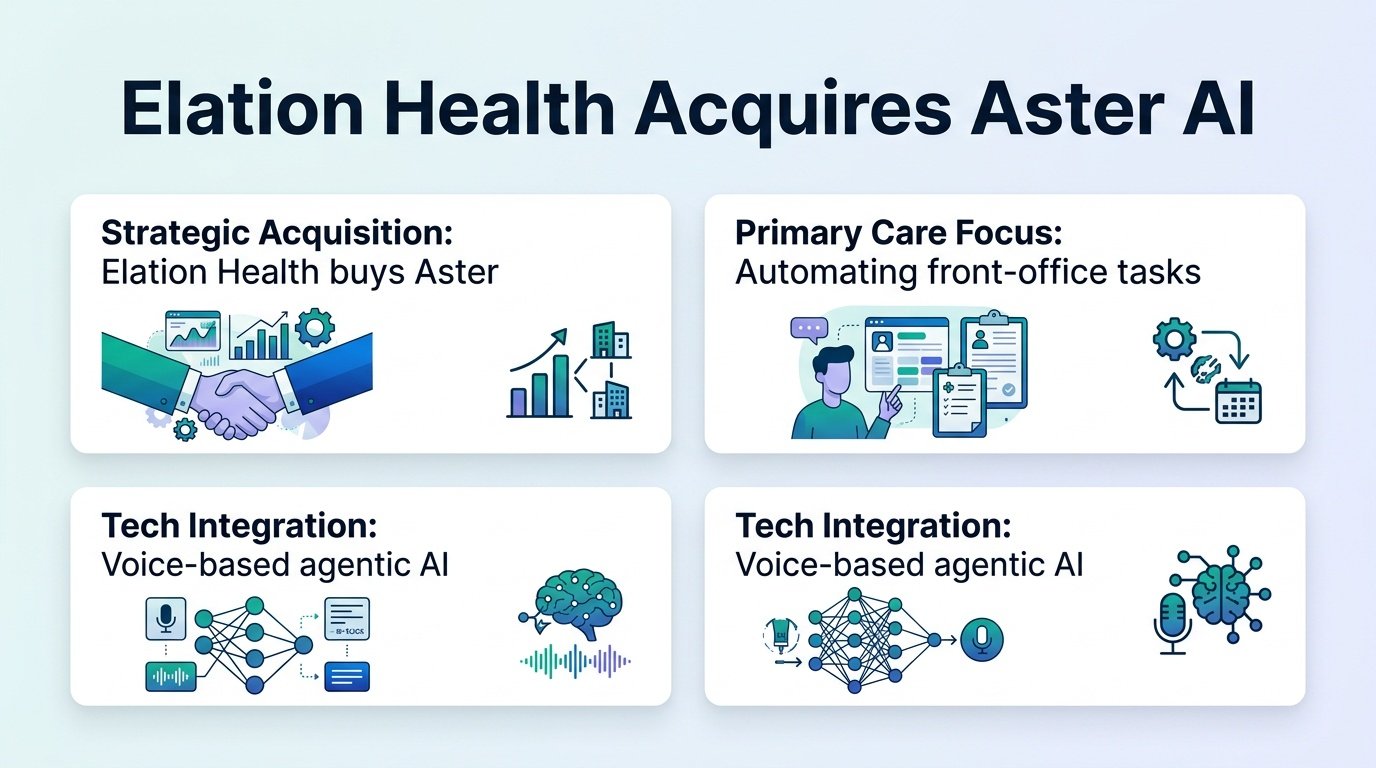
The acquisition of Aster by Elation Health signals a major shift from AI that merely listens to AI that actively operates.