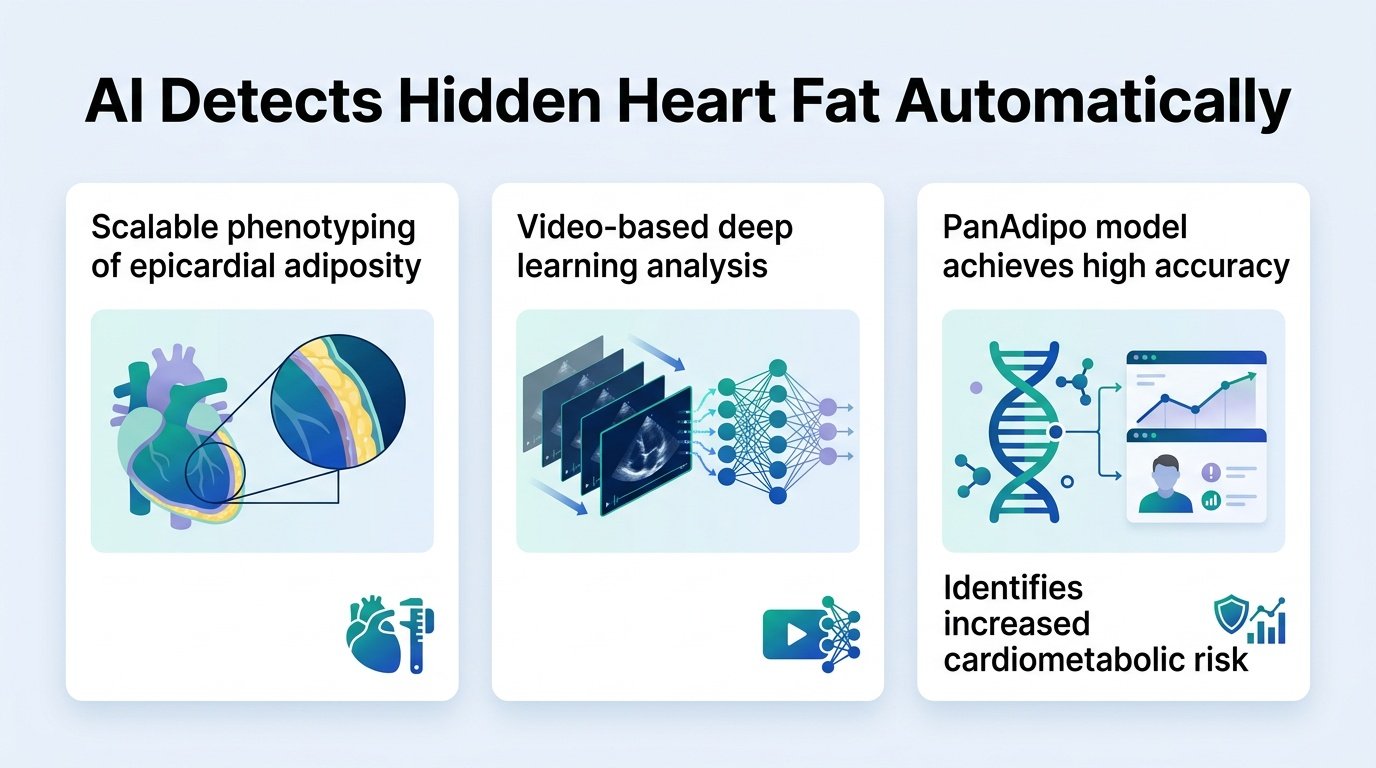
AI spots hidden heart fat on standard ultrasounds
A new AI model extracts metabolic risk data directly from routine heart ultrasounds, bypassing the need for expensive CT scans.

A new AI model extracts metabolic risk data directly from routine heart ultrasounds, bypassing the need for expensive CT scans.
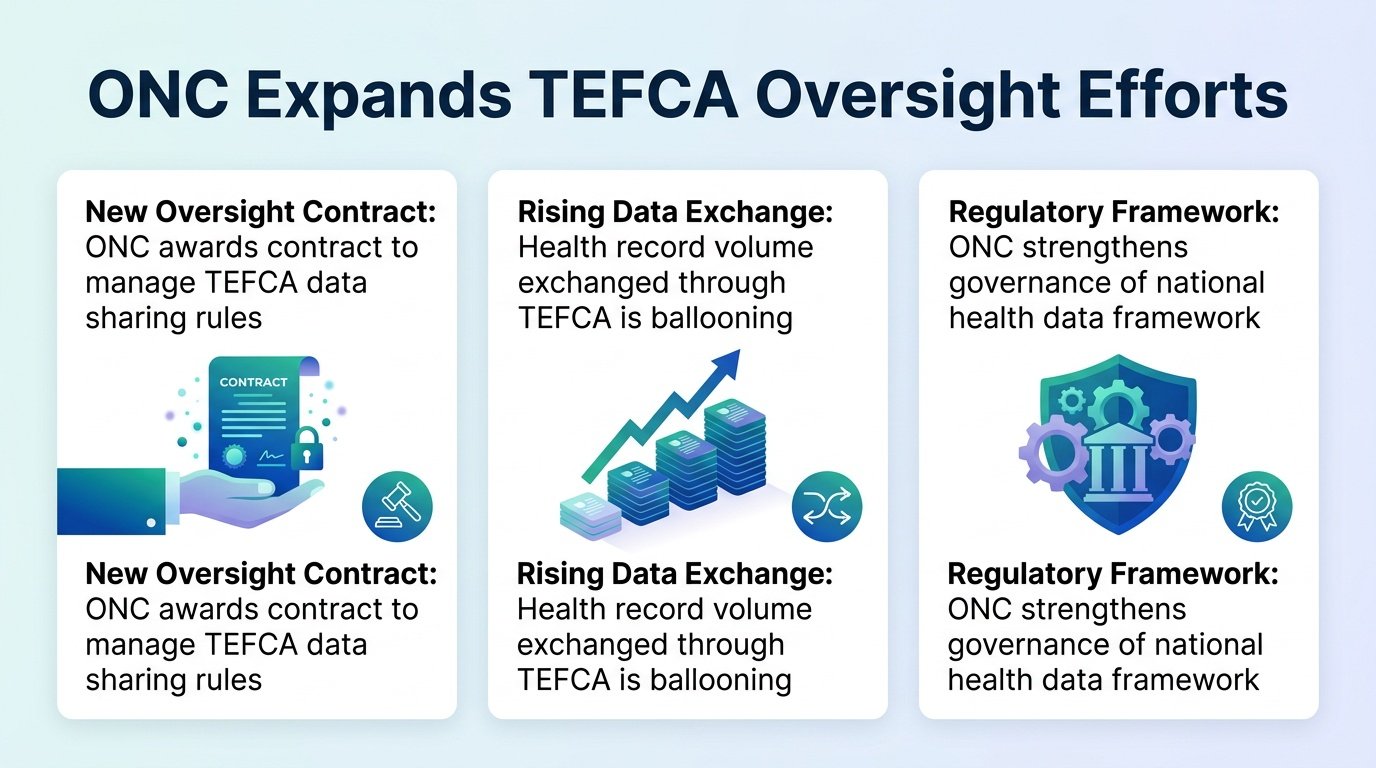
As national health data exchange scales at a dizzying pace, the federal government is shifting its focus from building connections to policing them.
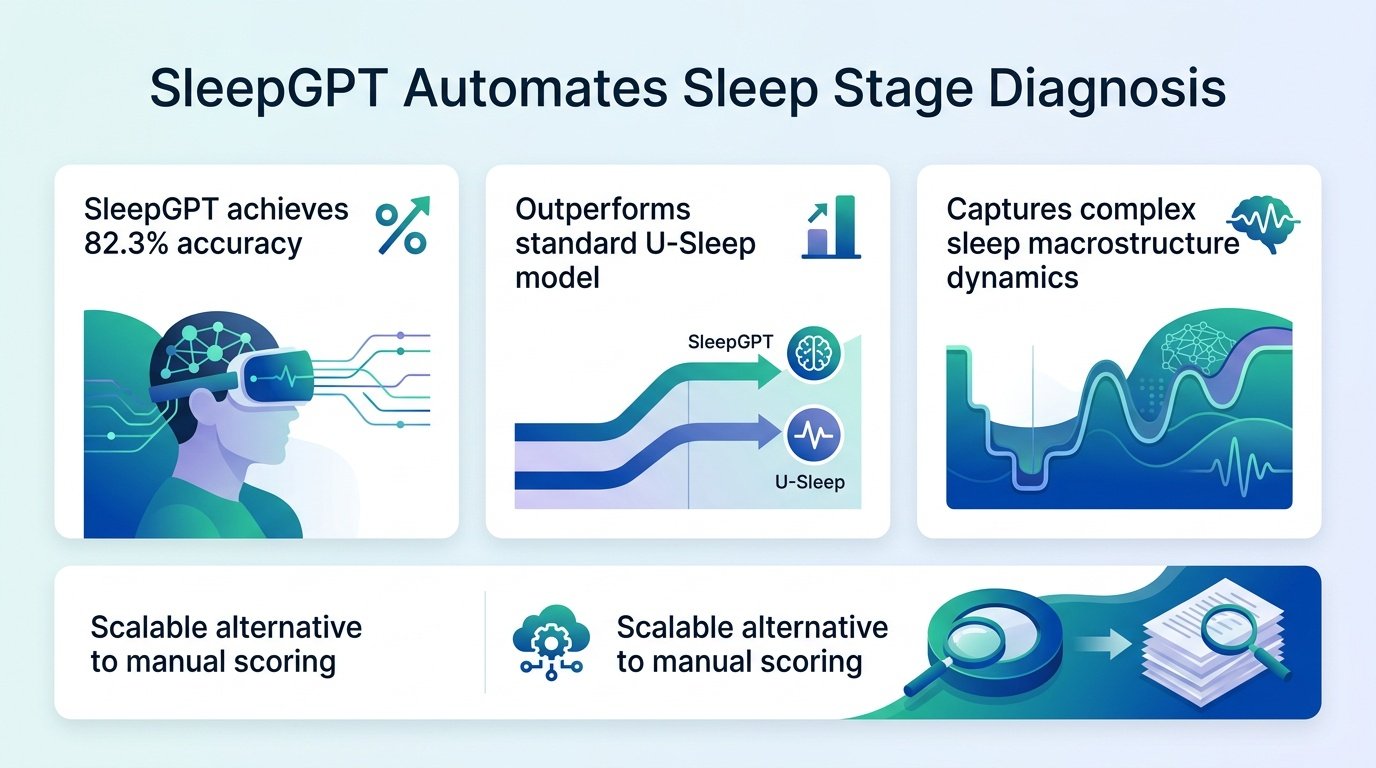
By analyzing the grammar of sleep stages rather than raw brainwaves, a new AI bypasses the need for expensive clinical hardware.
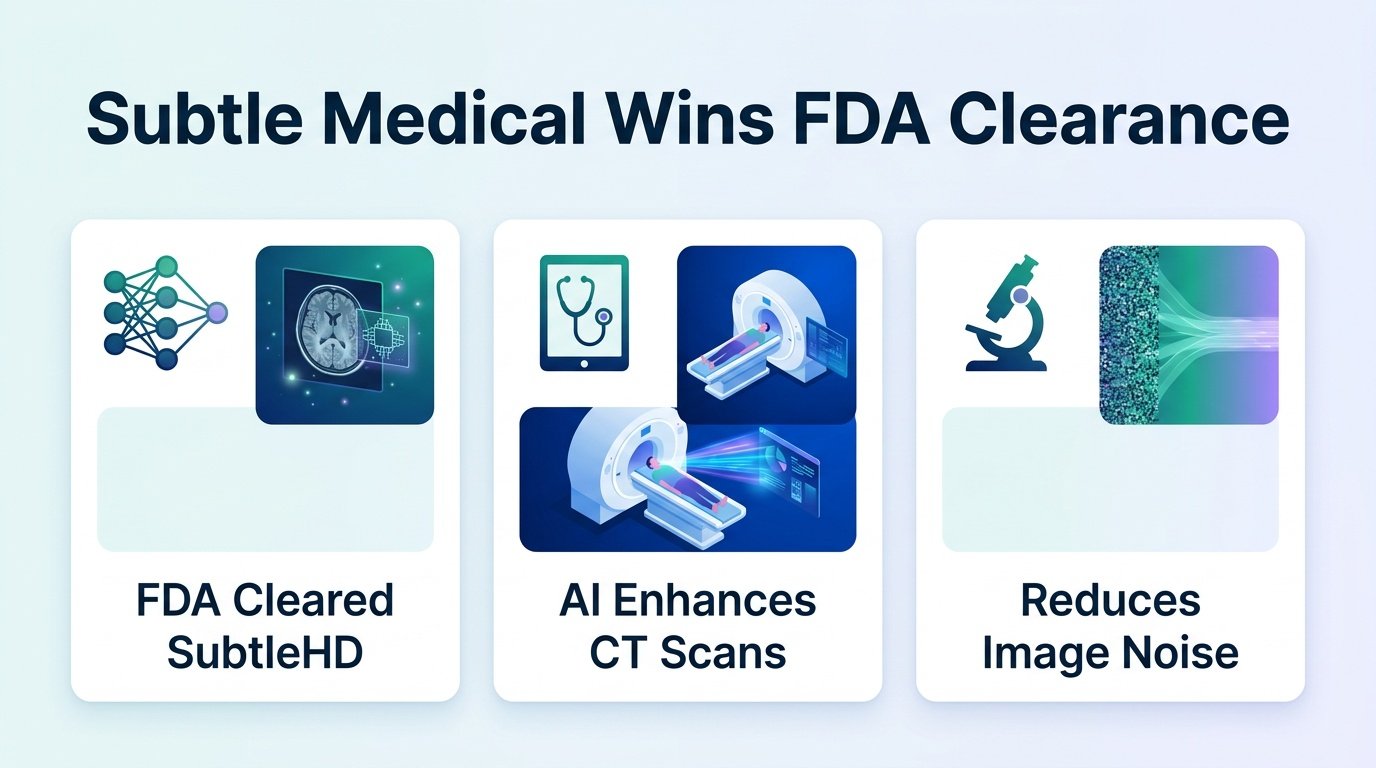
Hospitals face a multi-million dollar dilemma: upgrade aging imaging hardware or accept degraded scan quality.
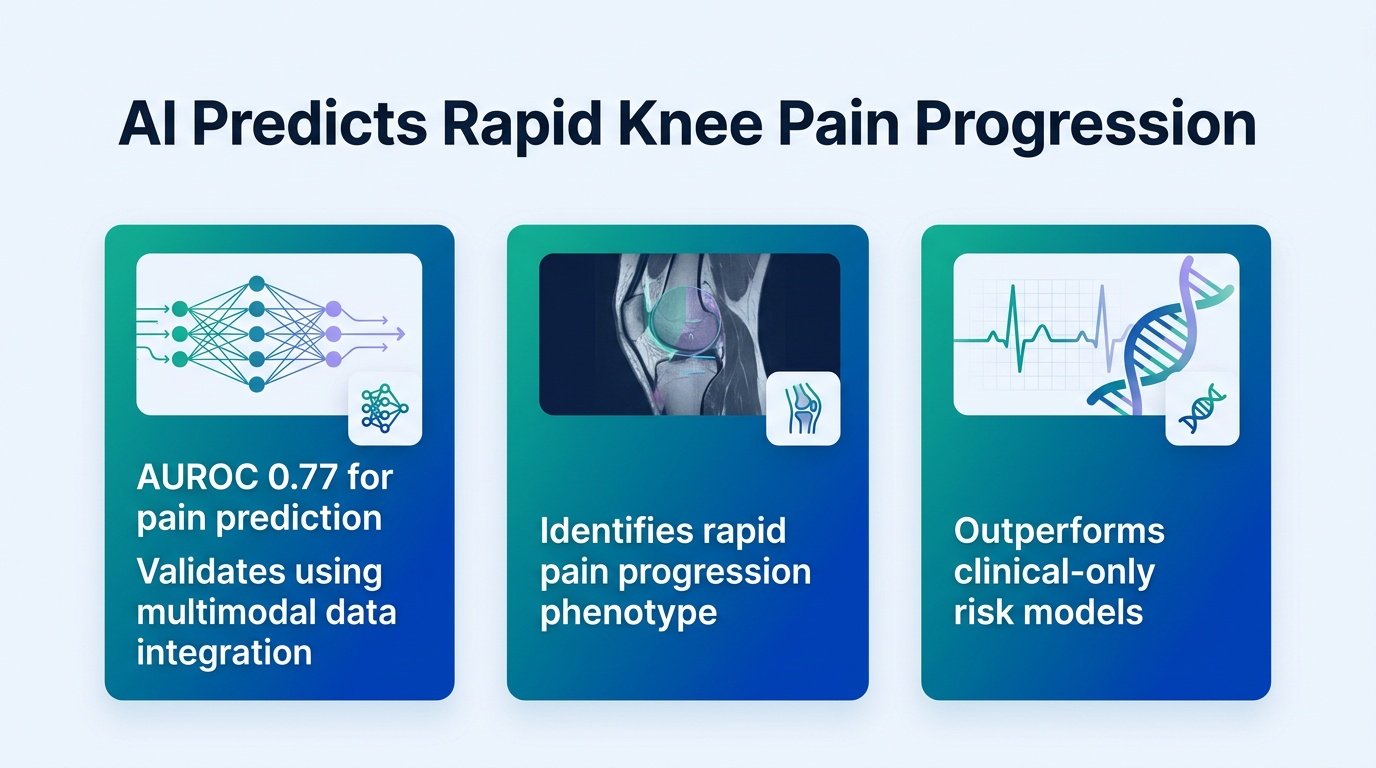
A new machine learning model proves we do not need expensive imaging or complex protein tracking to find patients whose knee pain will soon spike.

A new federal payment model is forcing digital health companies to prove their tools actually heal patients, not just log clinical hours.
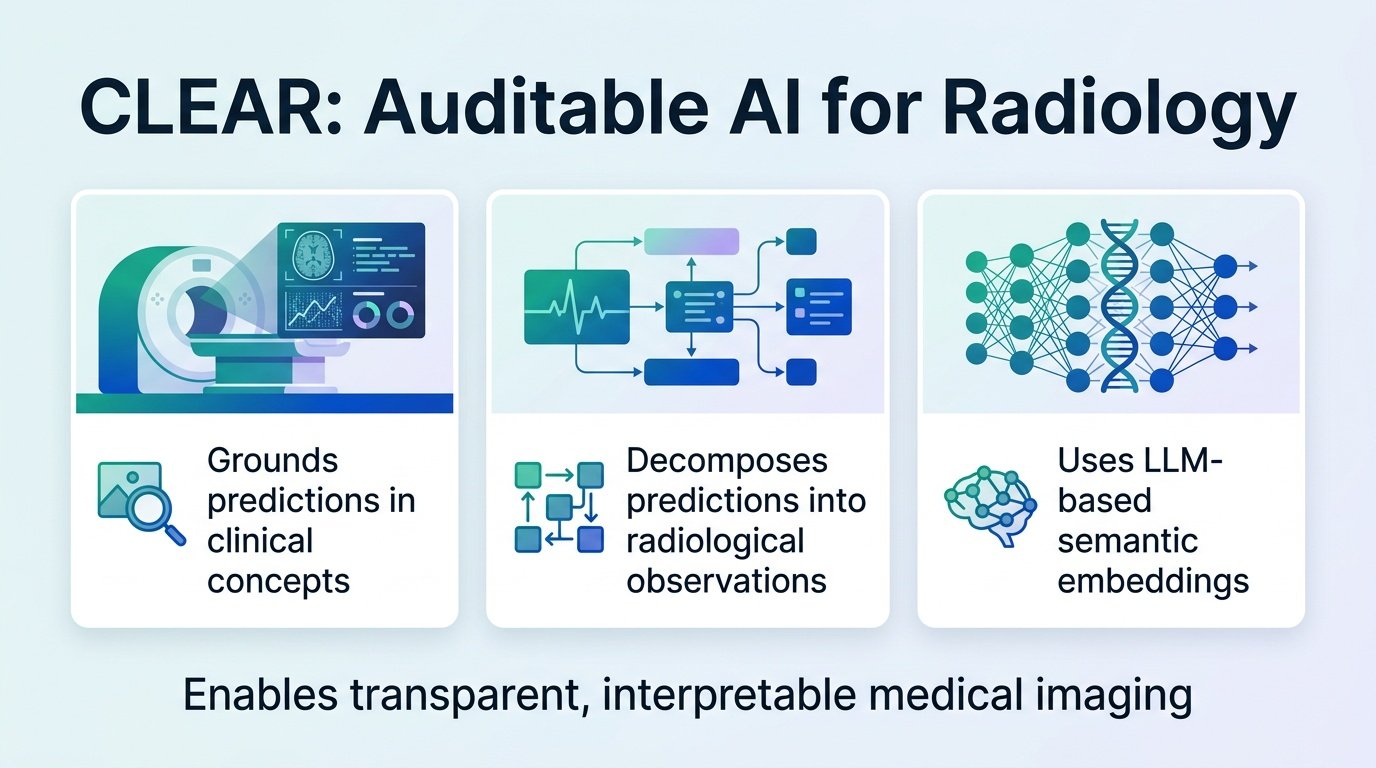
A new foundation model breaks open the black box of medical imaging by forcing AI to show its work through clinical concepts.

A £30 million funding round reveals how private healthcare is bypassing broken public infrastructure to survive.
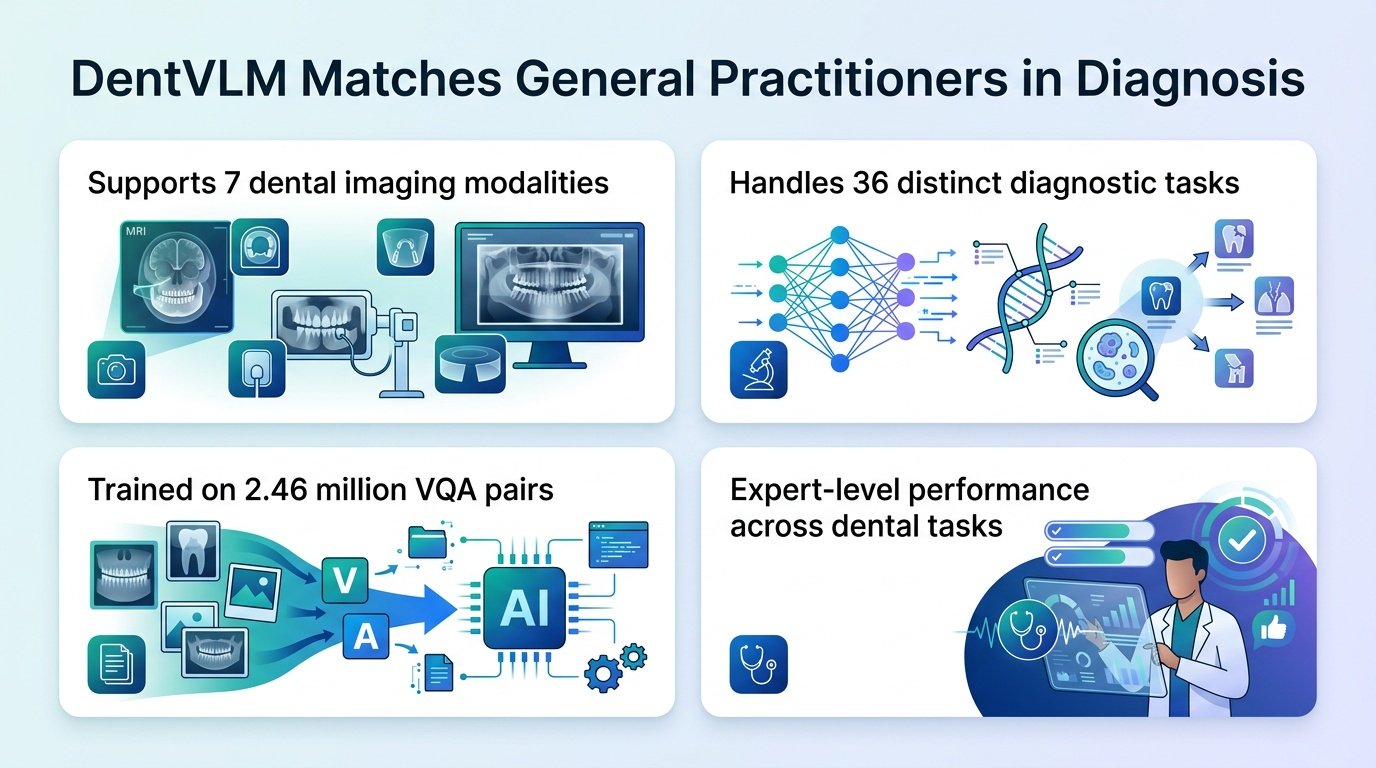
A new multimodal AI model bridges the clinical expertise gap in dentistry by matching the diagnostic accuracy of mid-level practitioners.
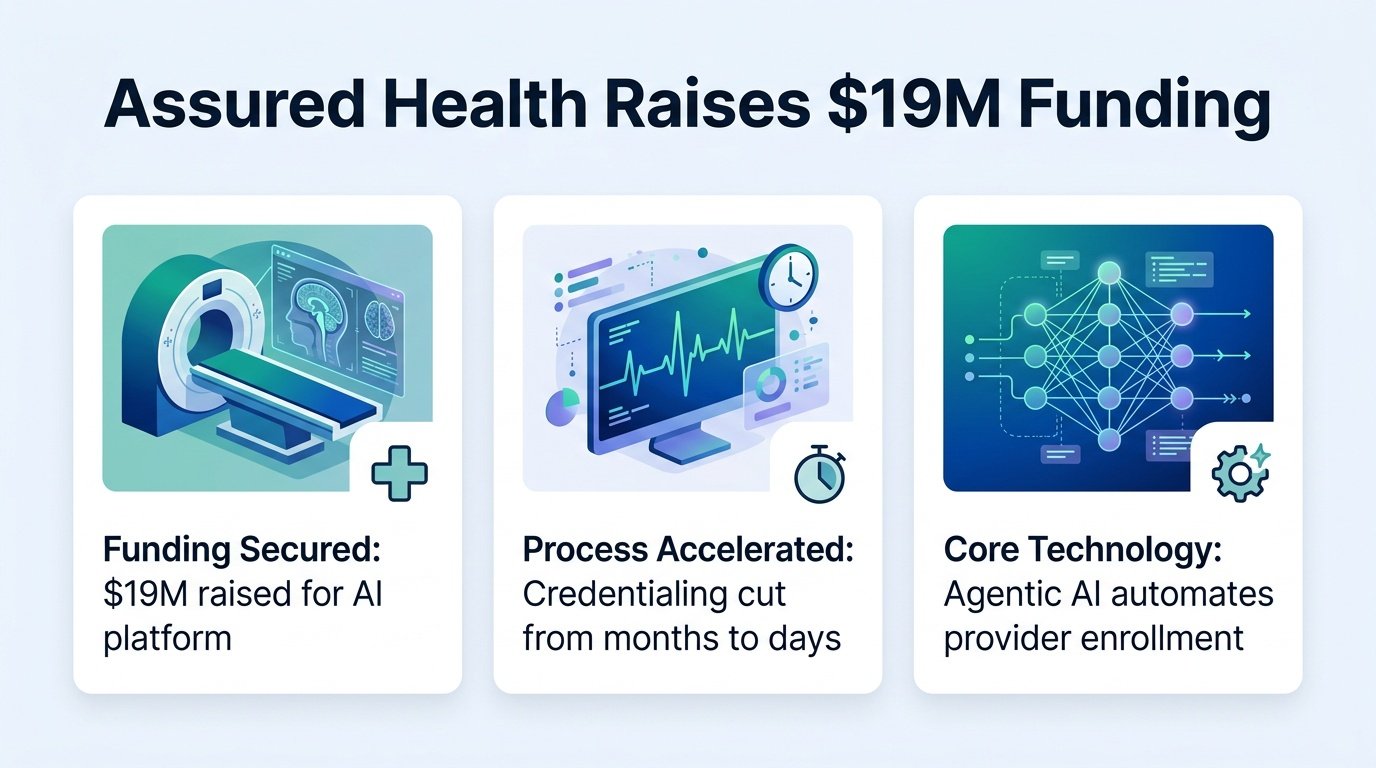
Automating insurance enrollment could solve one of medicine’s most expensive waiting games, but AI agents must first prove they can handle the regulatory minefield.