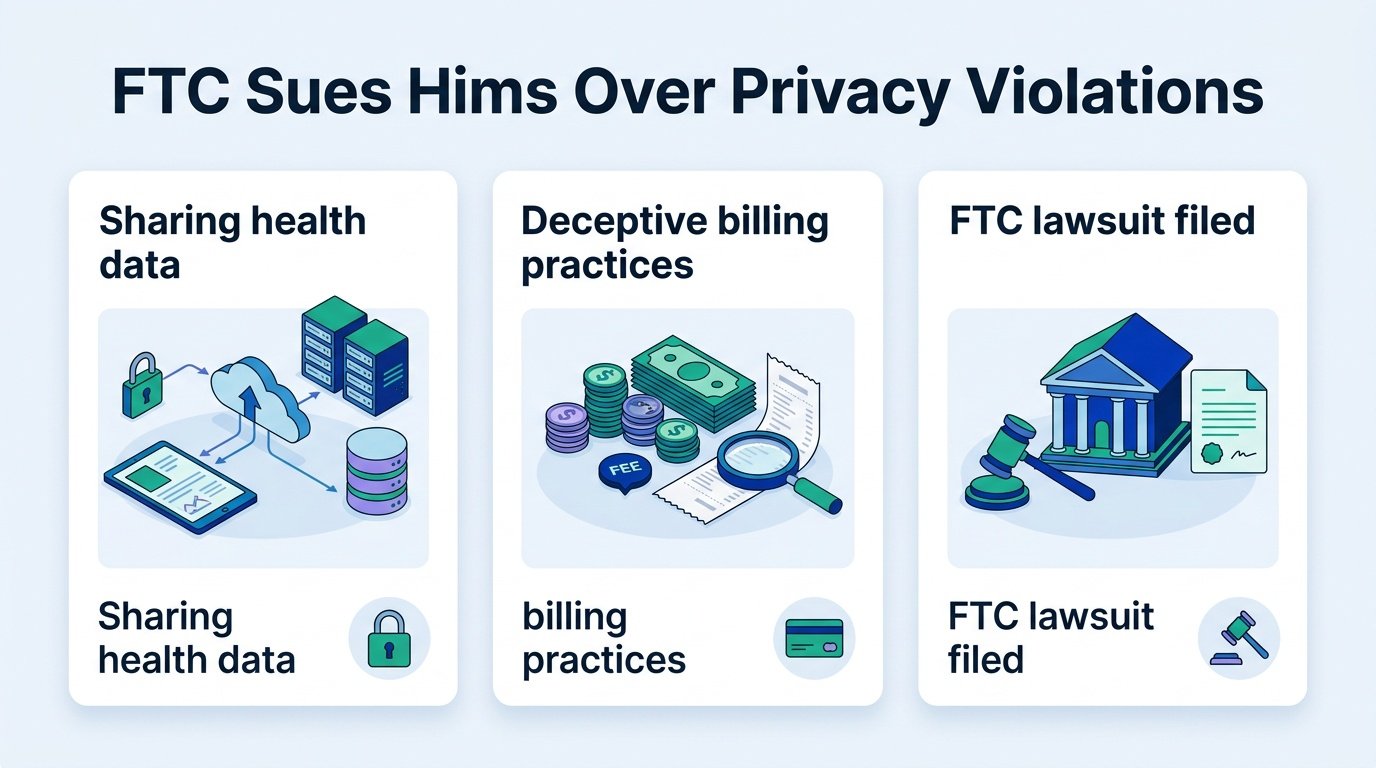
FTC Sues Hims Over Patient Privacy Failures
The federal lawsuit against Hims & Hers exposes the dangerous friction between rapid telehealth growth and basic consumer privacy.

The federal lawsuit against Hims & Hers exposes the dangerous friction between rapid telehealth growth and basic consumer privacy.
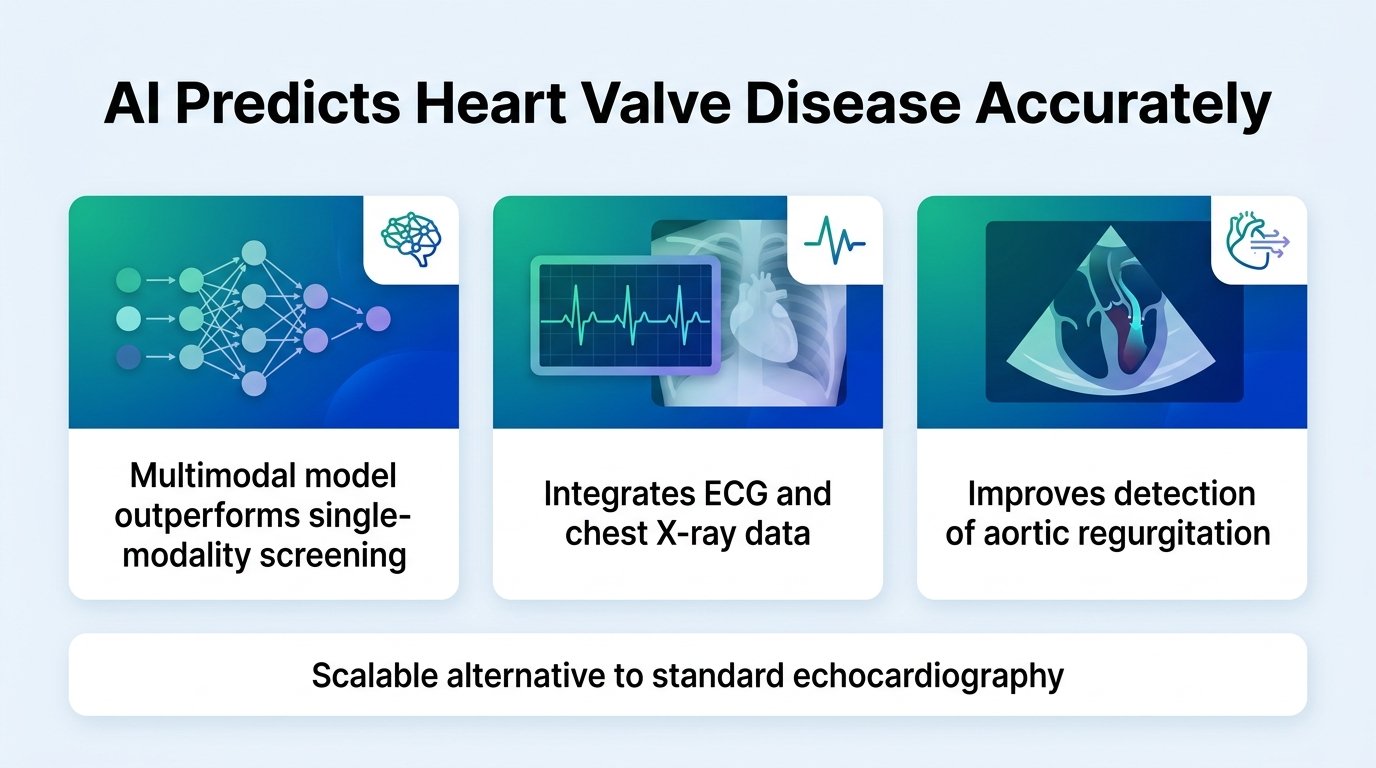
By fusing electrical and structural data, a new multimodal model flags hidden heart valve risks before symptoms appear.
Passing a multiple-choice medical exam does not make an AI safe to treat real patients.
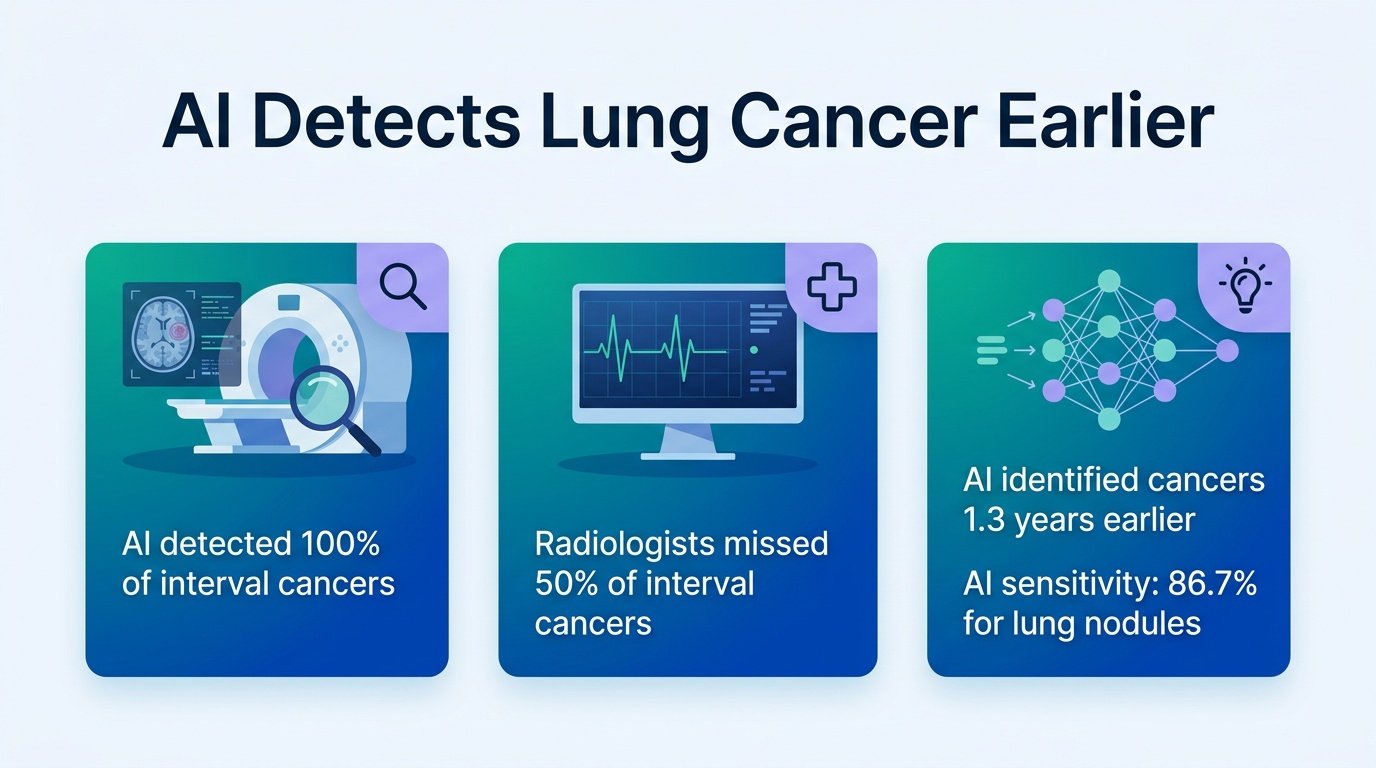
A massive screening study reveals that chest X-ray AI can flag lung tumors before human radiologists, but its real value lies in how we manage the noise it creates.
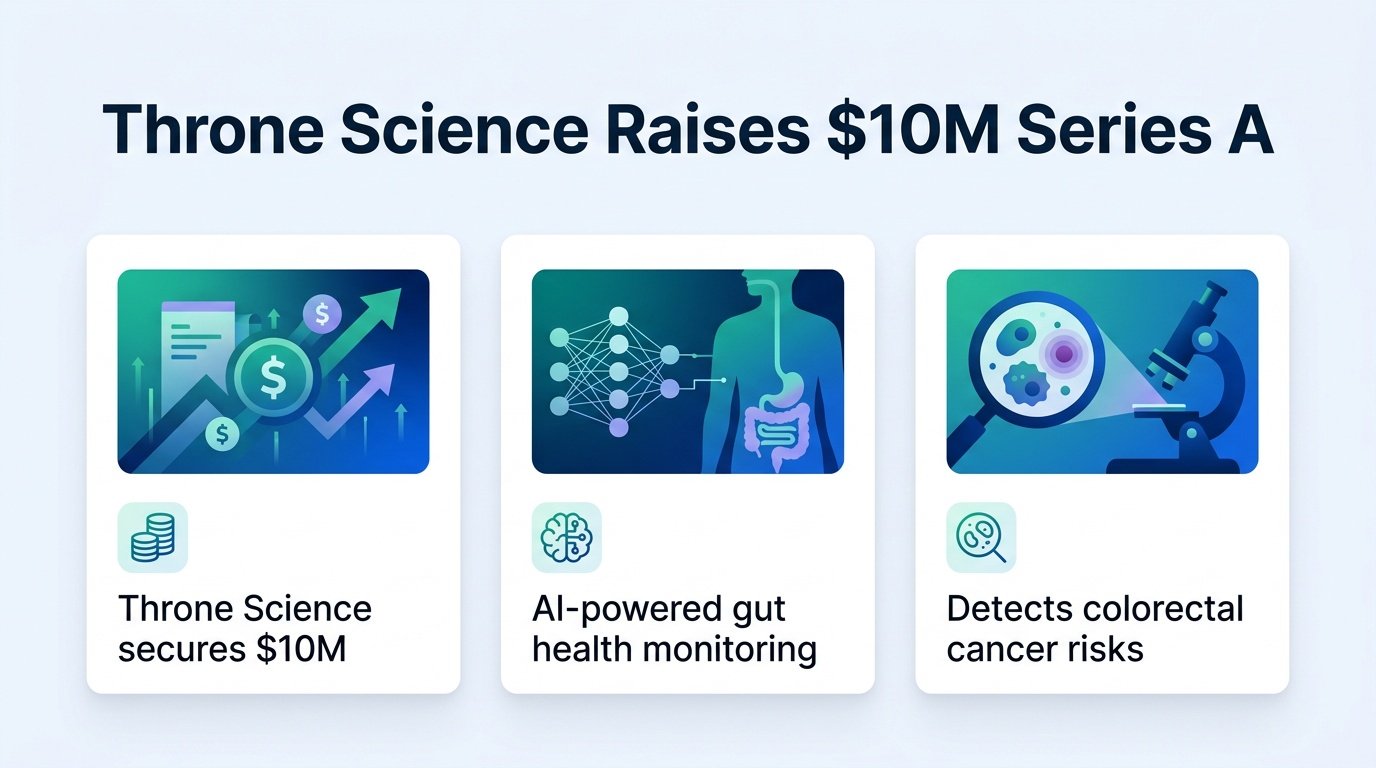
Silicon Valley wants to monitor the one vital health metric your smartwatch cannot reach.
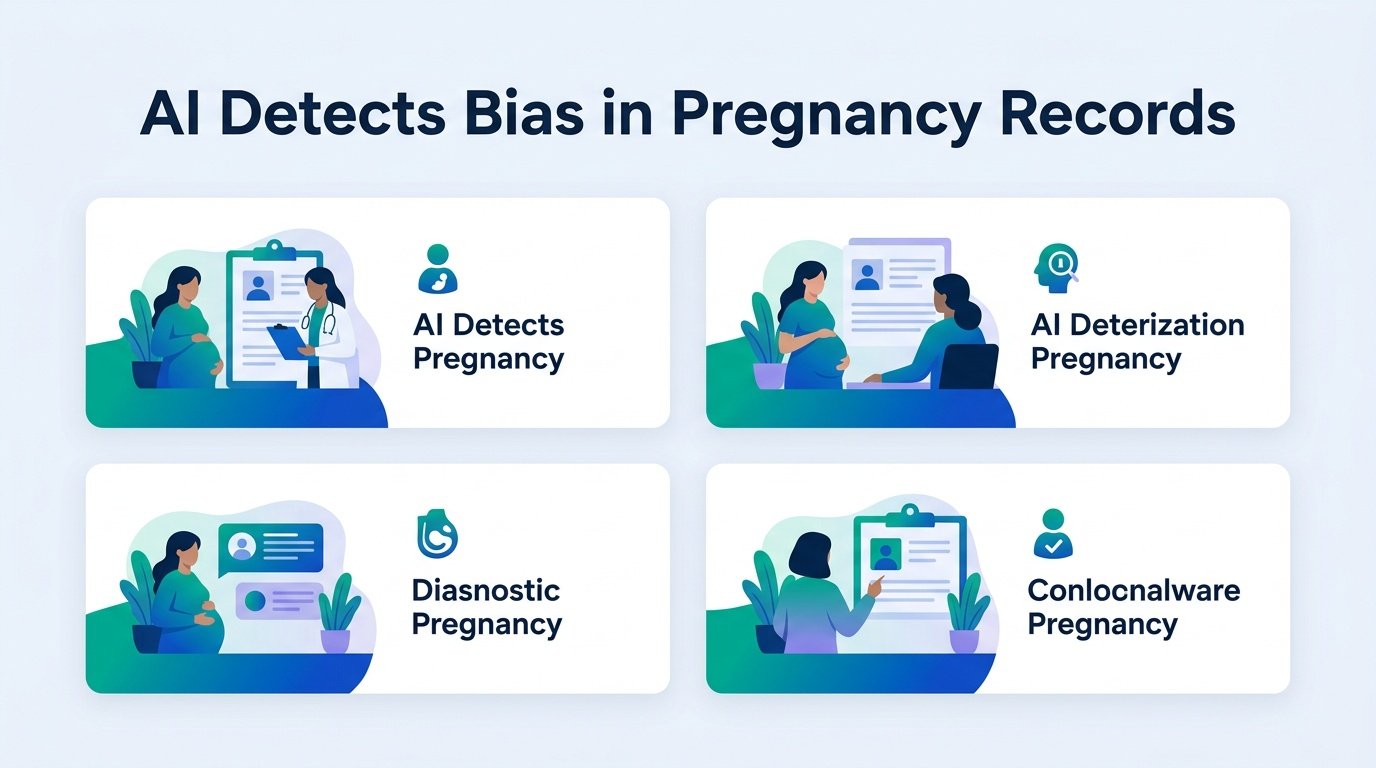
A new AI analysis reveals that nearly half of all pregnancy records contain stigmatizing language, with Black and less-educated patients bearing the brunt of clinical bias.
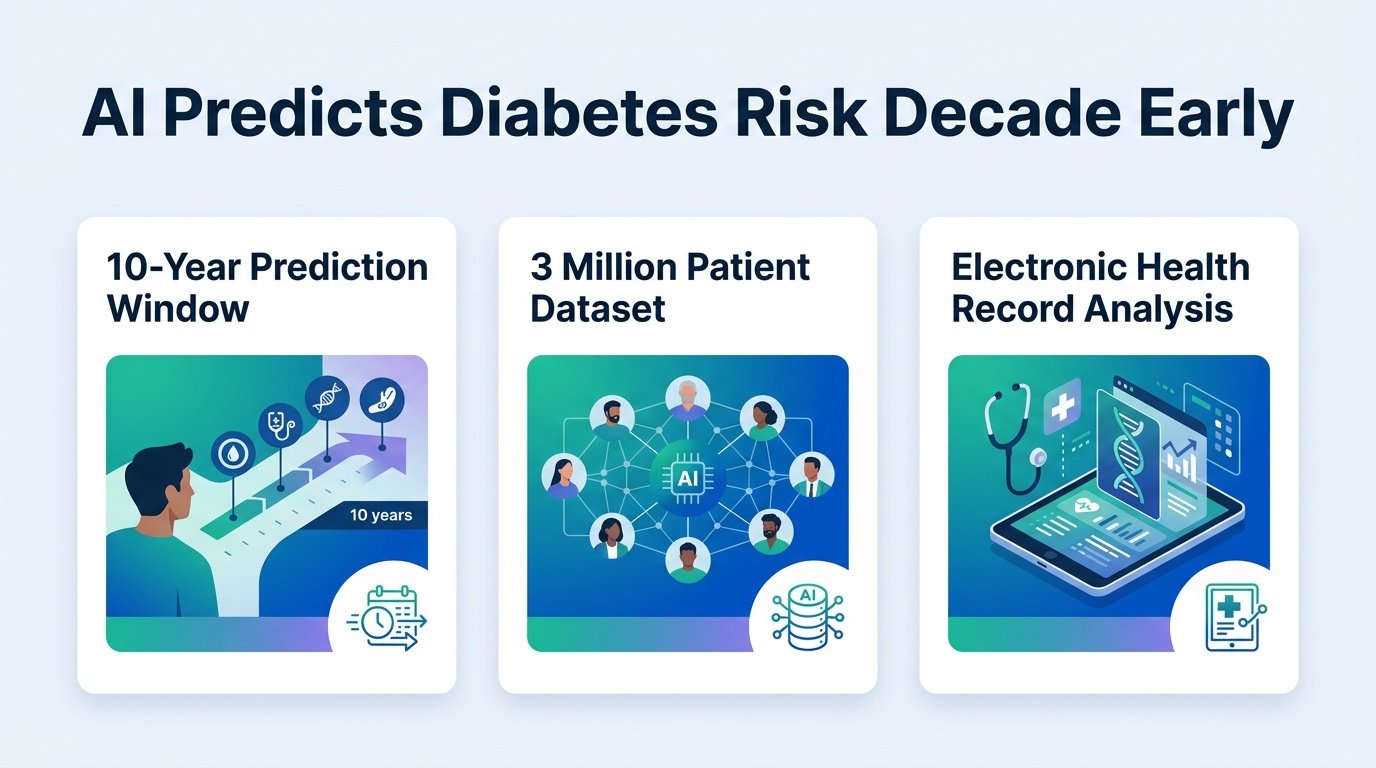
Predictive algorithms can now spot type 2 diabetes risk ten years in advance, but the real bottleneck is how healthcare systems will handle millions of newly flagged patients.
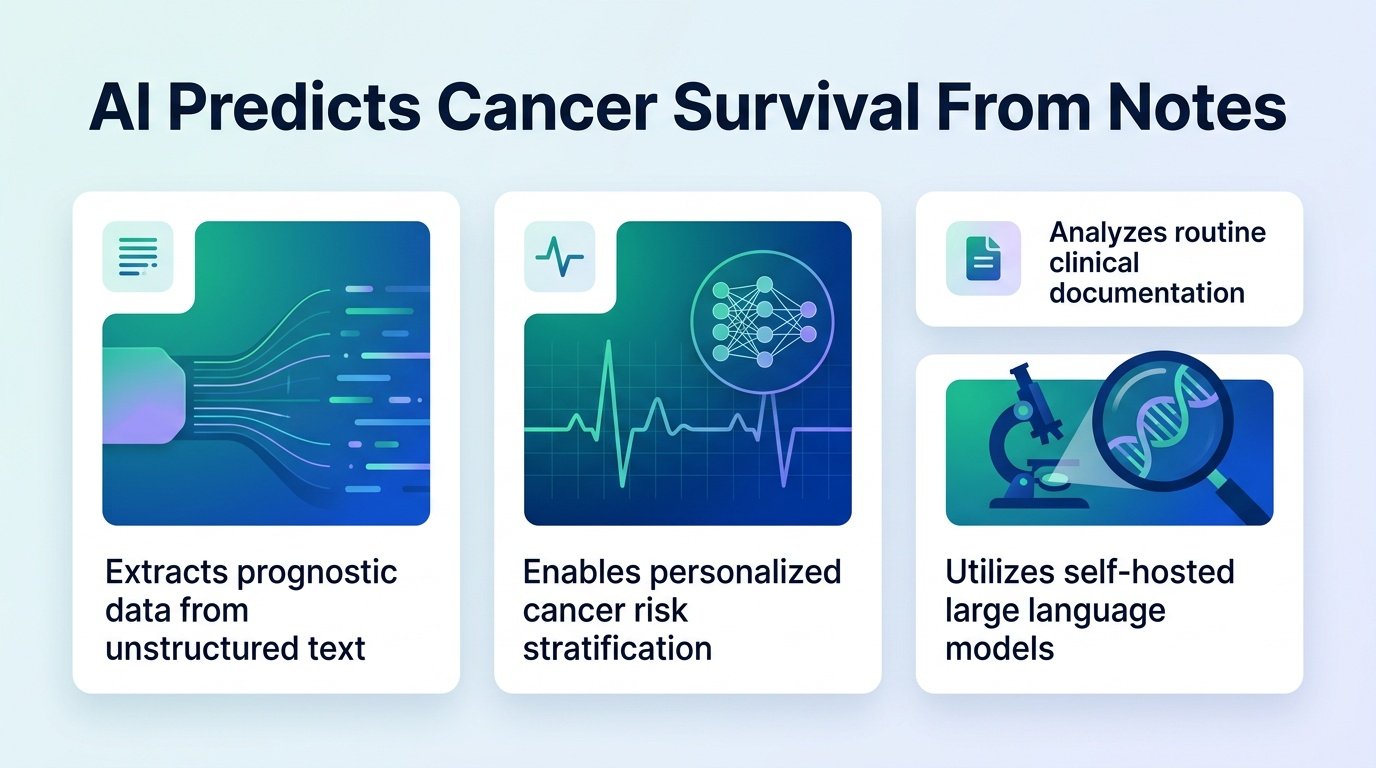
A patient’s fate is often hidden in the messy paragraphs of their medical charts rather than their official disease stage.
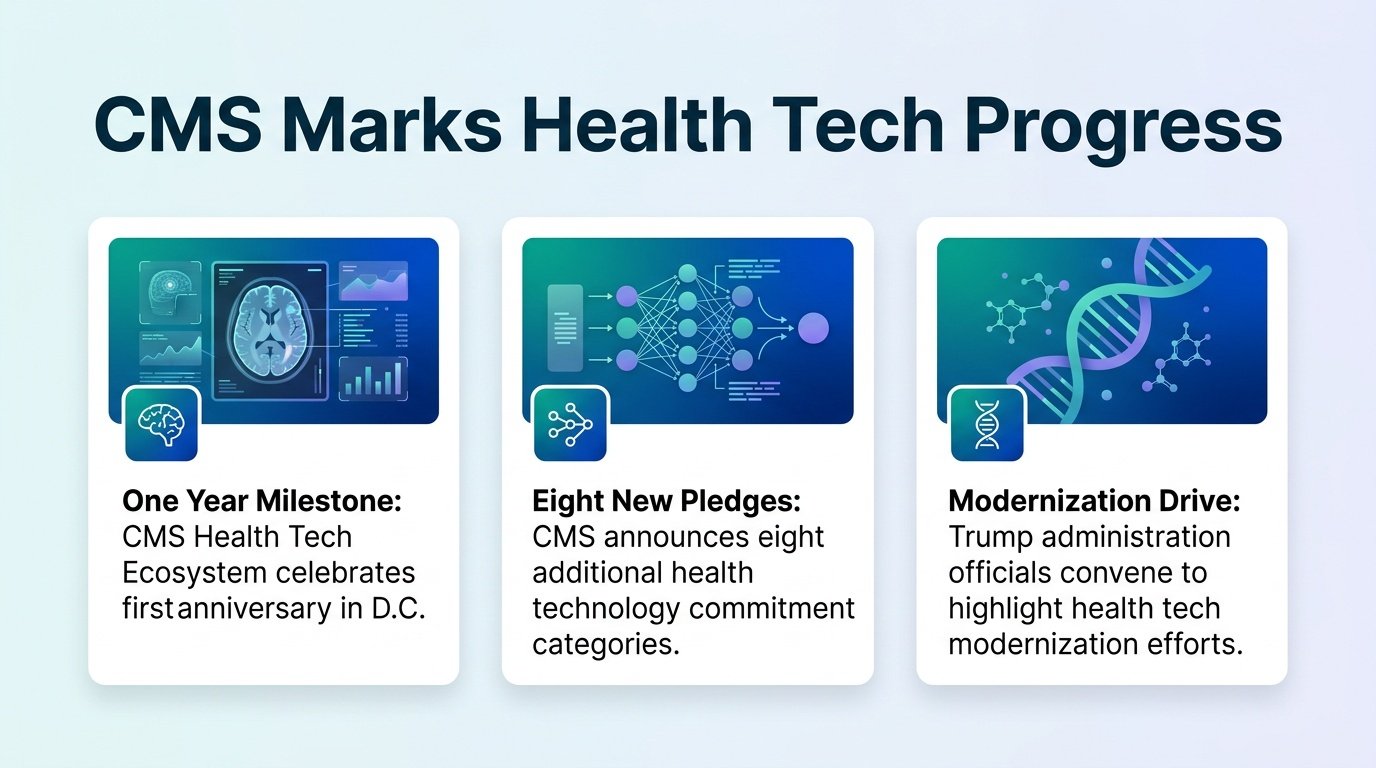
A year into a massive push to digitize healthcare administration, the tension between voluntary industry promises and hard regulatory mandates is reaching a tipping point.
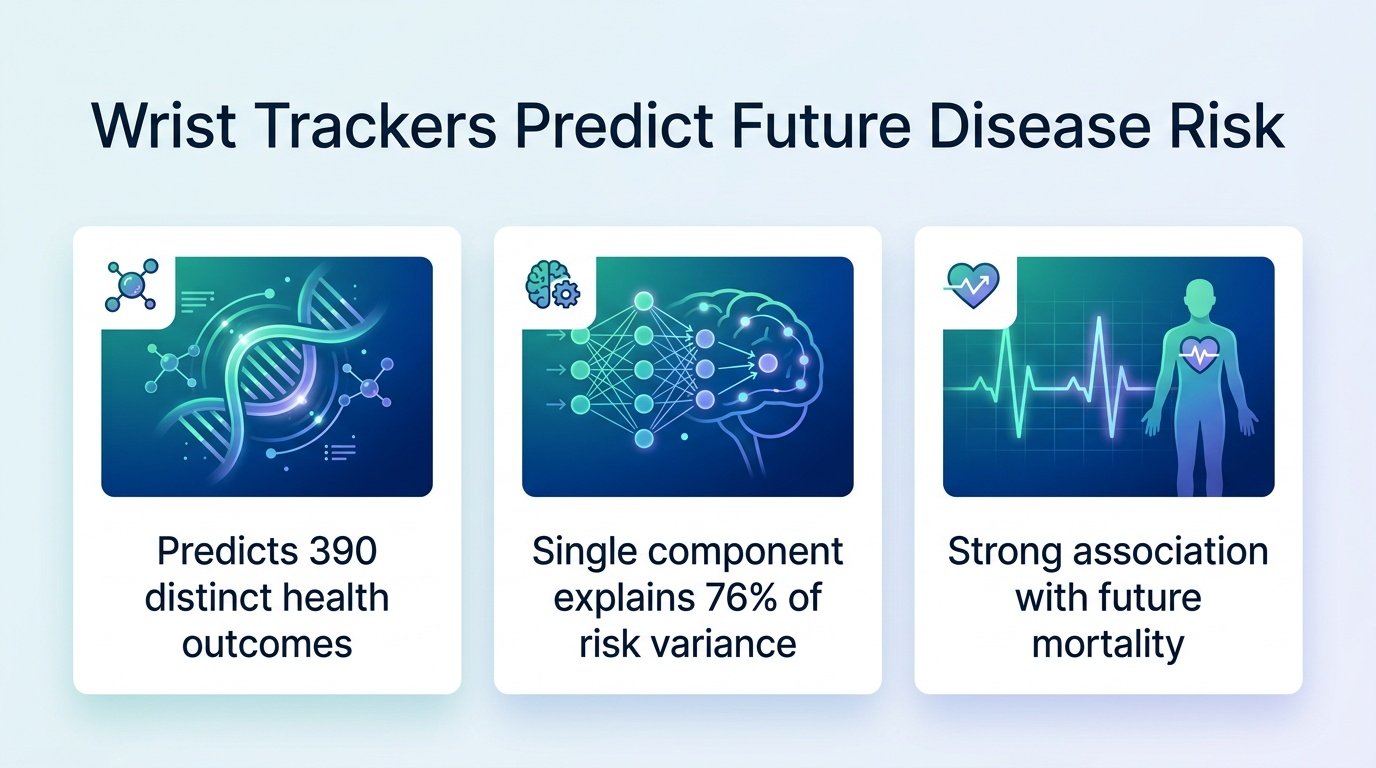
A single week of wrist-worn movement data can forecast hundreds of future health conditions years before they are diagnosed.